
Nerve Conduction Study: A Comprehensive Guide
As a medical professional, I’ve seen many patients who are scheduled for a nerve conduction study (NCS) and aren’t quite sure what to expect. I’ve been in this situation myself, trying to reassure anxious patients that this test is a valuable tool in diagnosing and managing nerve disorders. In this article, I’ll walk you through the ins and outs of an NCS, including why it’s ordered, what the procedure entails, and how to prepare for it.
I recall a patient who was referred to me for numbness and tingling in her hands. She was worried that she had a serious condition, but after conducting an NCS, we were able to determine that she had a mild case of carpal tunnel syndrome. This experience taught me the importance of clearly explaining the NCS process to patients, so they can feel more at ease and understand the value of this diagnostic tool.
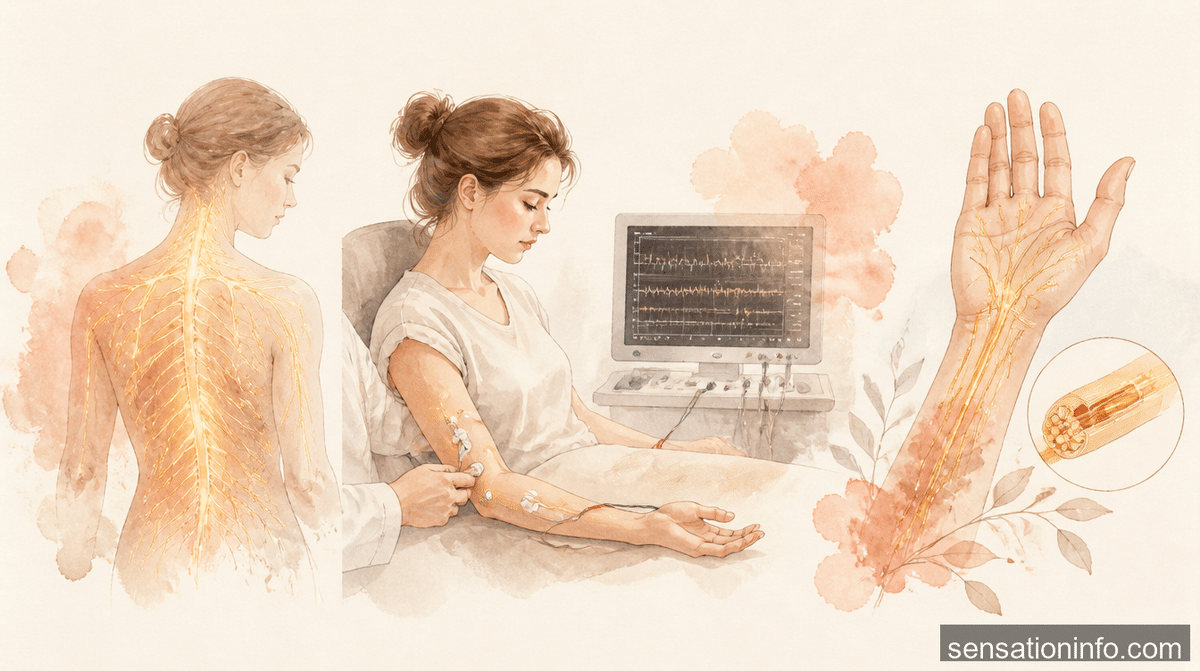
So, what is a nerve conduction study? Simply put, it’s a test that measures the speed and strength of electrical signals in your nerves. This helps doctors diagnose and monitor conditions like neuropathy, nerve damage, and muscle disorders. I’ve seen firsthand how this test can provide valuable insights into a patient’s condition, and I’m excited to share my knowledge with you.
What Is a Nerve Conduction Study?
A nerve conduction study is a non-invasive test that uses electrodes to stimulate nerves and measure the electrical signals that travel through them. This test can help doctors diagnose a range of conditions, from mild nerve damage to more serious disorders like Guillain-Barré syndrome. I’ve worked with patients who have undergone an NCS and have seen the relief on their faces when they receive a diagnosis and can begin treatment.
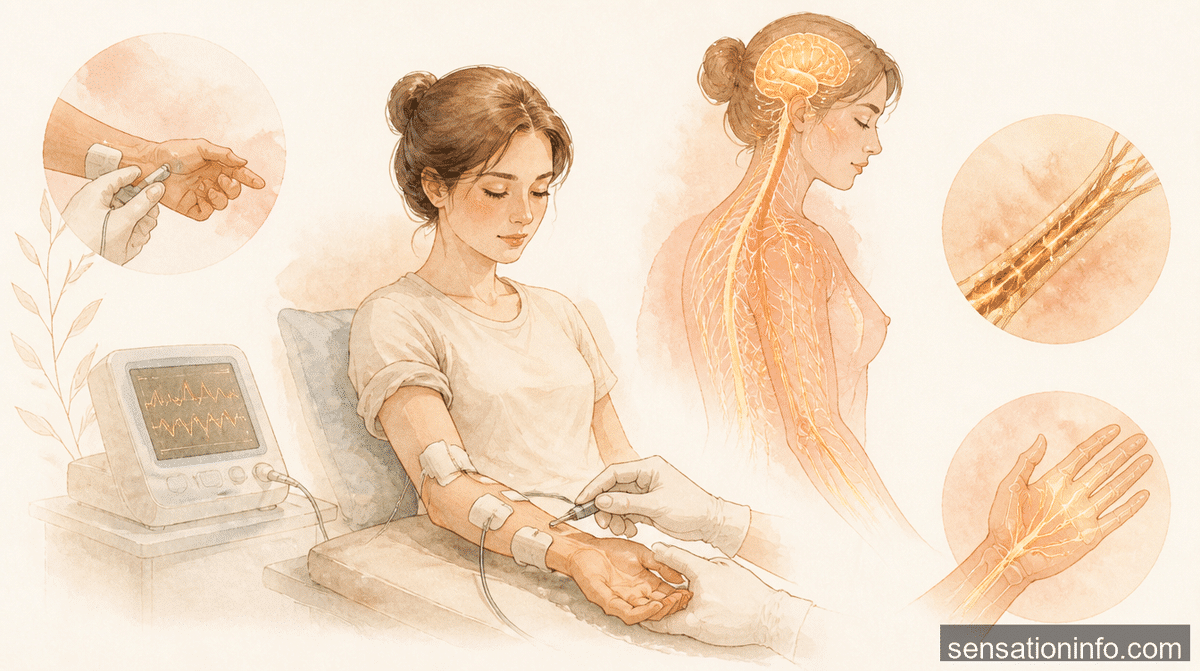
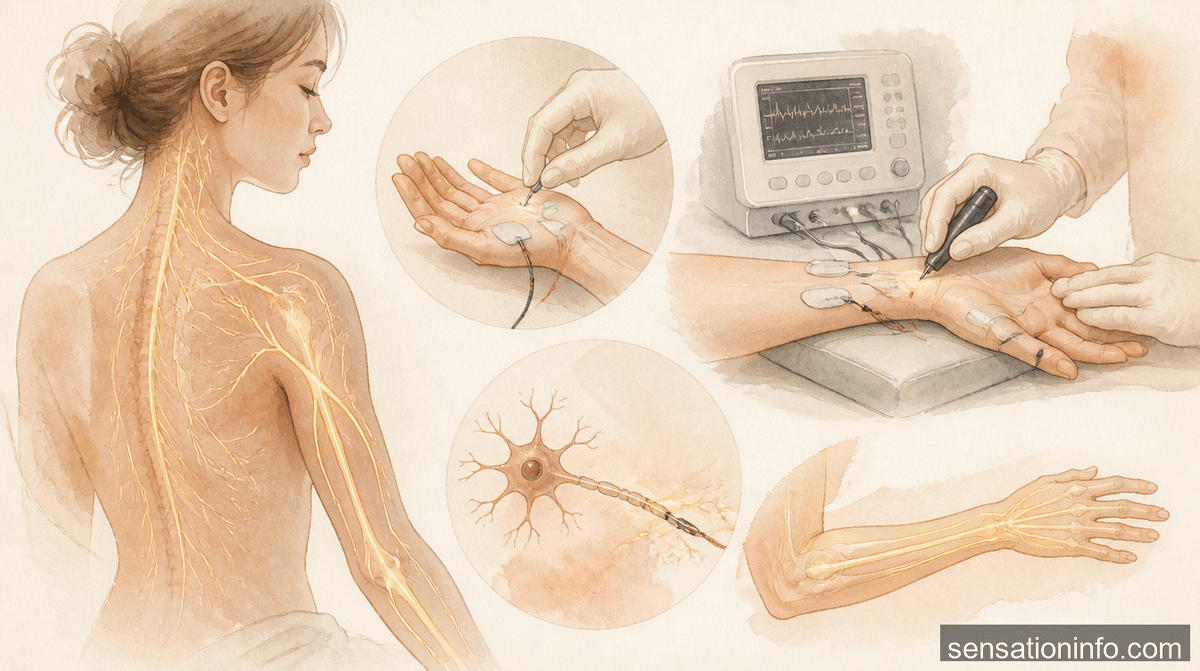
The test is usually performed in a doctor’s office or hospital, and it typically takes about 30 minutes to an hour to complete. During the test, you’ll be asked to sit or lie down, depending on the nerves being tested. Electrodes will be placed on your skin, and a mild electrical current will be used to stimulate the nerves. You may feel a slight tingling or buzzing sensation, but it should not be painful. I’ve had patients ask me if the test hurts, and I’m happy to report that most people find it to be relatively comfortable.
Why Is a Nerve Conduction Study Ordered?
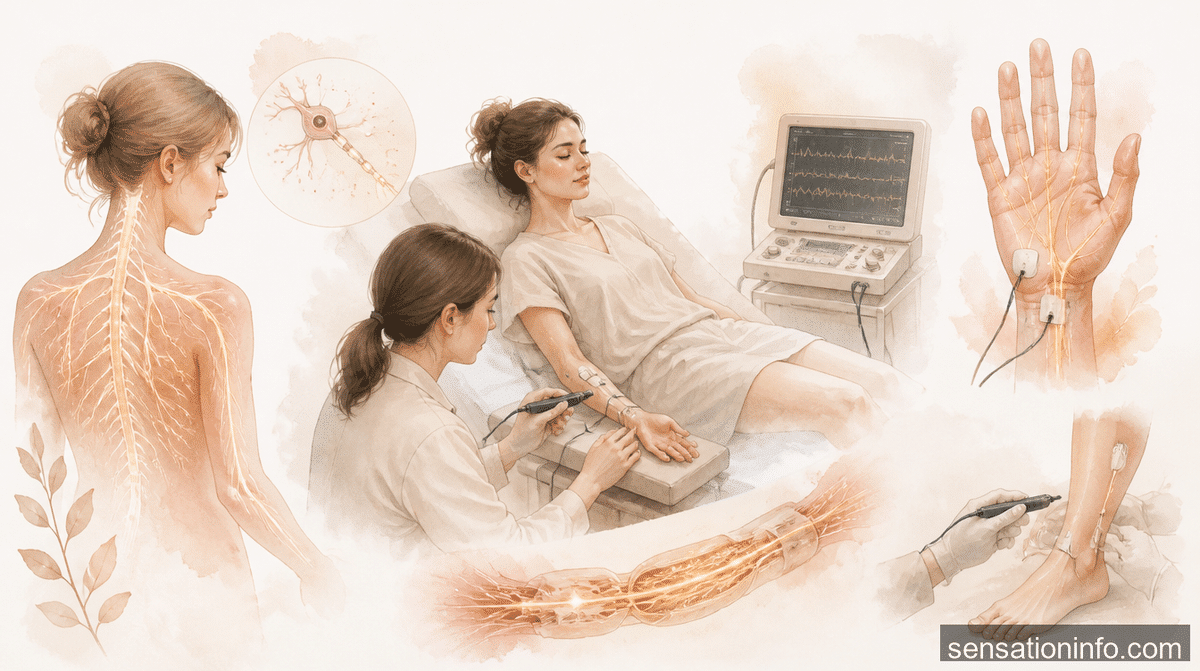
A nerve conduction study is usually ordered when a doctor suspects that a patient has a nerve disorder or damage. This can be due to a variety of factors, including injury, infection, or certain medical conditions. I’ve seen patients who have been diagnosed with diabetes, for example, and are at risk for developing neuropathy. In these cases, an NCS can help doctors monitor the progression of the disease and adjust treatment plans accordingly.
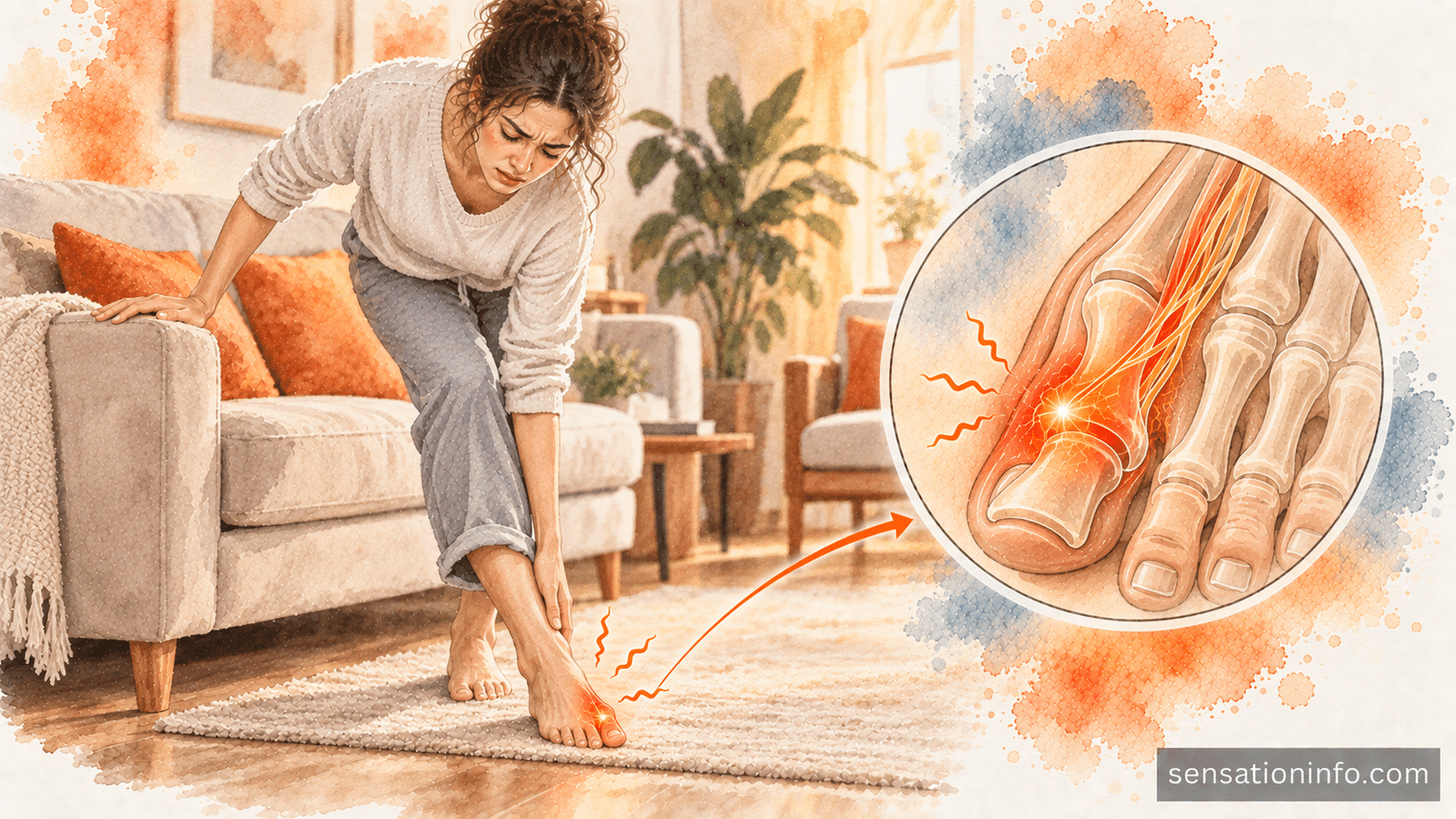
Some common reasons for ordering an NCS include numbness or tingling in the hands or feet, muscle weakness, and pain or burning sensations in the muscles. If you’re experiencing any of these symptoms, it’s essential to talk to your doctor about whether an NCS is right for you. I’ve worked with patients who have been hesitant to seek medical attention, but I assure you that this test can provide valuable insights into your condition and help you get the treatment you need.
The Nerve Conduction Study Procedure
As I mentioned earlier, the NCS procedure is relatively simple and non-invasive. You’ll be asked to remove any jewelry or clothing that may interfere with the test, and you’ll be positioned comfortably on a chair or table. Electrodes will be placed on your skin, and a mild electrical current will be used to stimulate the nerves. The electrical signals will be measured and recorded, and the results will be interpreted by a doctor.
It’s essential to follow any instructions provided by your doctor or the technician performing the test. This may include avoiding strenuous activities before the test, as well as avoiding lotions or oils on the skin. I’ve seen patients who have been unsure about how to prepare for the test, so I want to reassure you that your doctor will provide clear guidance on what to expect and how to prepare.
EMG vs NCS: What’s the Difference?
An electromyogram (EMG) is a test that measures the electrical activity of muscles. While an NCS measures the speed and strength of electrical signals in nerves, an EMG measures the electrical activity of muscles. Both tests are often used together to diagnose and monitor muscle and nerve disorders. I’ve worked with patients who have undergone both tests, and I can attest to the value of using these diagnostic tools in combination.
An EMG can help doctors diagnose conditions like muscle damage, muscular dystrophy, and motor neuron disease. It’s essential to note that an EMG and an NCS are not the same test, although they are often used together. Your doctor will determine which test is necessary based on your symptoms and medical history. I’ve seen patients who have been diagnosed with conditions like amyotrophic lateral sclerosis (ALS), and I can assure you that these tests can provide valuable insights into the progression of the disease.
Understanding the Results of a Nerve Conduction Study
The results of an NCS will be interpreted by a doctor, who will look at the speed and strength of the electrical signals in your nerves. Abnormal results may indicate nerve damage or a nerve disorder, while normal results can help rule out certain conditions. I’ve worked with patients who have been anxious about receiving their test results, but I want to reassure you that your doctor will take the time to explain the results in a way that’s easy to understand.
It’s essential to note that an NCS is just one diagnostic tool, and your doctor may order additional tests to confirm a diagnosis. These tests may include blood work, imaging studies, or other specialized tests. I’ve seen patients who have been diagnosed with conditions like peripheral neuropathy, and I can attest to the importance of using a combination of diagnostic tools to develop an effective treatment plan.
Pain Level: What to Expect
Most patients find that an NCS is relatively painless, although you may feel a mild tingling or buzzing sensation during the test. Some patients may experience minor discomfort, but this should be temporary and resolve on its own after the test. I’ve had patients ask me if the test hurts, and I’m happy to report that most people find it to be relatively comfortable.
If you’re concerned about pain or discomfort during the test, be sure to talk to your doctor or the technician performing the test. They can provide you with more information and answer any questions you may have. I’ve worked with patients who have been anxious about the test, but I want to reassure you that your doctor is there to support you every step of the way.
Preparation: What to Expect
To prepare for an NCS, you should avoid strenuous activities before the test, as well as avoid lotions or oils on the skin. You should also wear comfortable clothing and avoid wearing anything that may interfere with the test, such as jewelry or metal objects. I’ve seen patients who have been unsure about how to prepare for the test, so I want to reassure you that your doctor will provide clear guidance on what to expect and how to prepare.
It’s also essential to inform your doctor about any medical conditions you have, as well as any medications you’re taking. This will help ensure that the test is performed safely and accurately. I’ve worked with patients who have been taking medications that may interfere with the test, and I can attest to the importance of disclosing this information to your doctor.
Frequently Asked Questions
A nerve conduction study is used to diagnose and monitor nerve disorders, such as neuropathy, nerve damage, and muscle disorders. It measures the speed and strength of electrical signals in nerves, which can help doctors determine the extent of nerve damage or the progression of a condition.
A nerve conduction study typically takes about 30 minutes to an hour to complete. The test is relatively quick and non-invasive, and you should be able to resume your normal activities immediately after the test.
Most patients find that an NCS is relatively painless, although you may feel a mild tingling or buzzing sensation during the test. Some patients may experience minor discomfort, but this should be temporary and resolve on its own after the test.
You should wear comfortable clothing and avoid wearing anything that may interfere with the test, such as jewelry or metal objects. You should also avoid wearing lotions or oils on the skin, as these can interfere with the test.
Yes, you should be able to drive after an NCS. The test is non-invasive and does not require any sedation or anesthesia, so you should be able to resume your normal activities immediately after the test.
Final Thoughts
A nerve conduction study is a valuable diagnostic tool that can help doctors diagnose and monitor nerve disorders. While it may seem intimidating, the test is relatively quick and non-invasive, and most patients find it to be relatively painless. If you’re scheduled for an NCS, be sure to follow any instructions provided by your doctor or the technician performing the test, and don’t hesitate to ask questions if you have any concerns.
As a medical professional, I’ve seen firsthand the importance of using diagnostic tools like an NCS to develop effective treatment plans. If you’re experiencing symptoms like numbness or tingling in your hands or feet, or if you’re experiencing muscle weakness or pain, talk to your doctor about whether an NCS is right for you. With the right diagnosis and treatment, you can manage your condition and improve your quality of life.
In conclusion, a nerve conduction study is a powerful tool in the diagnosis and management of nerve disorders. By understanding what to expect from the test, you can feel more confident and prepared, and you can work with your doctor to develop a treatment plan that’s right for you. Remember, your health is the most important thing, and seeking medical attention if you’re experiencing symptoms is the first step towards getting the care you need.