
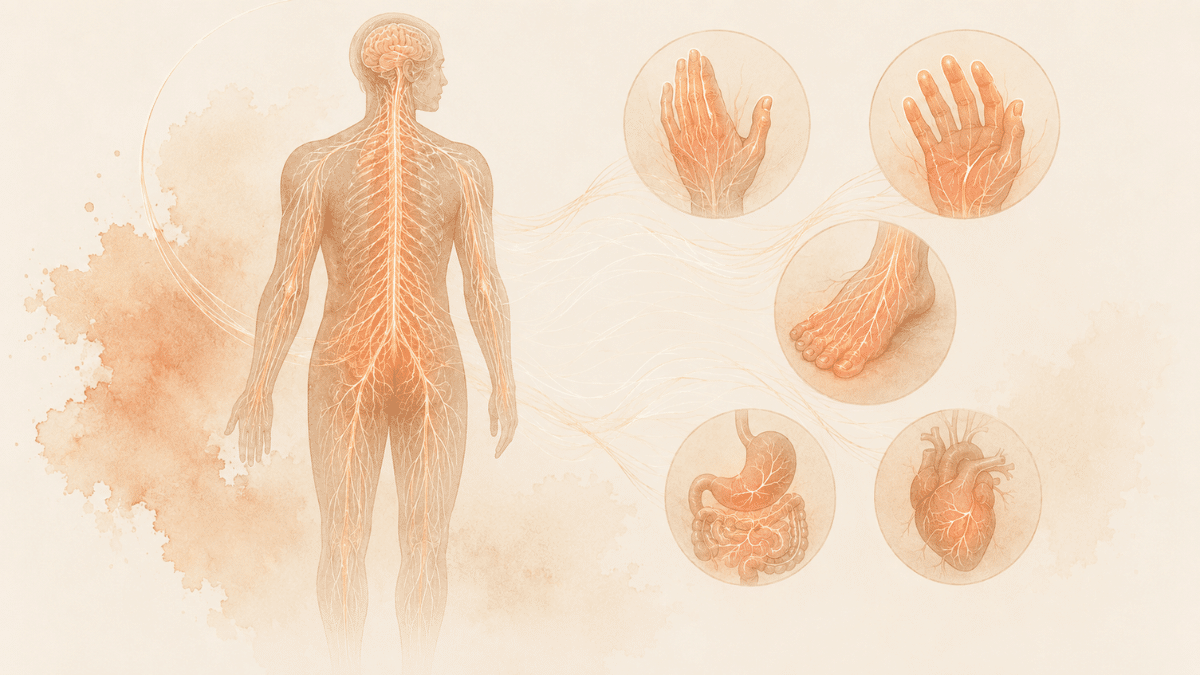

Neuropathy is nerve damage that disrupts the signals traveling between your brain and the rest of your body. It can cause tingling, numbness, burning pain, muscle weakness, or problems with digestion, blood pressure, and other automatic body functions. Roughly 20 to 30 million Americans are living with some form of peripheral neuropathy, according to the National Institute of Neurological Disorders and Stroke (NINDS), making it more common than Parkinson’s disease, multiple sclerosis, and ALS combined.
If you are reading this at 2 a.m. because your feet are burning or your fingers have gone numb, you are not alone. This guide explains what neuropathy is, what causes it, how doctors diagnose it, and what you can actually do about it.
What Is Neuropathy in Simple Terms?
Neuropathy means your nerves are damaged or not working correctly. Your peripheral nerves, the network that connects your brain and spinal cord to your hands, feet, organs, and muscles, carry every signal that lets you feel, move, and keep your body running on autopilot. When those nerves are injured, they can misfire (sending pain signals when nothing is wrong), go silent (causing numbness), or lose their ability to control muscles and organs. Diabetes is the single most common cause, but dozens of other conditions, medications, and deficiencies can trigger it too.
What Does Neuropathy Actually Feel Like?
Neuropathy symptoms depend on which nerves are damaged. Most people notice problems in the feet or hands first because the longest nerves in the body are the most vulnerable.
Common sensations people describe include:
- Tingling or “pins and needles” that will not go away
- Burning, stabbing, or electric shock pain, often worse at night
- Numbness or a feeling of wearing invisible gloves or socks
- Extreme sensitivity where even a bedsheet touching the feet causes pain
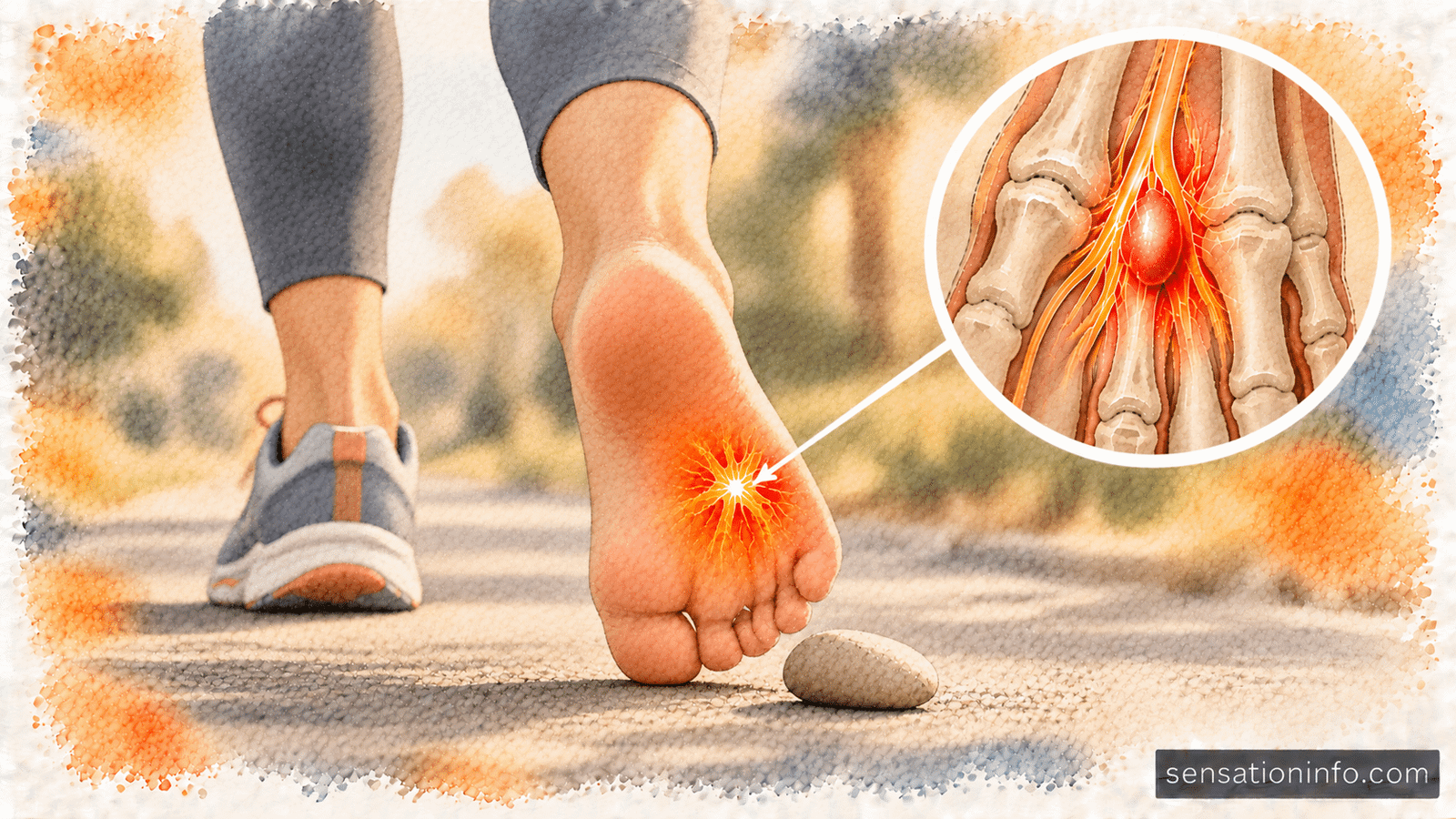
- A sense of walking on cotton or pebbles
- Muscle weakness, cramping, or difficulty gripping objects
- Loss of balance or coordination
Some people also experience symptoms they may not connect to nerve damage at all: dizziness when standing up, abnormal sweating, digestive problems, bladder difficulties, or changes in heart rate. These point to autonomic neuropathy, a form that affects the nerves controlling involuntary body functions.
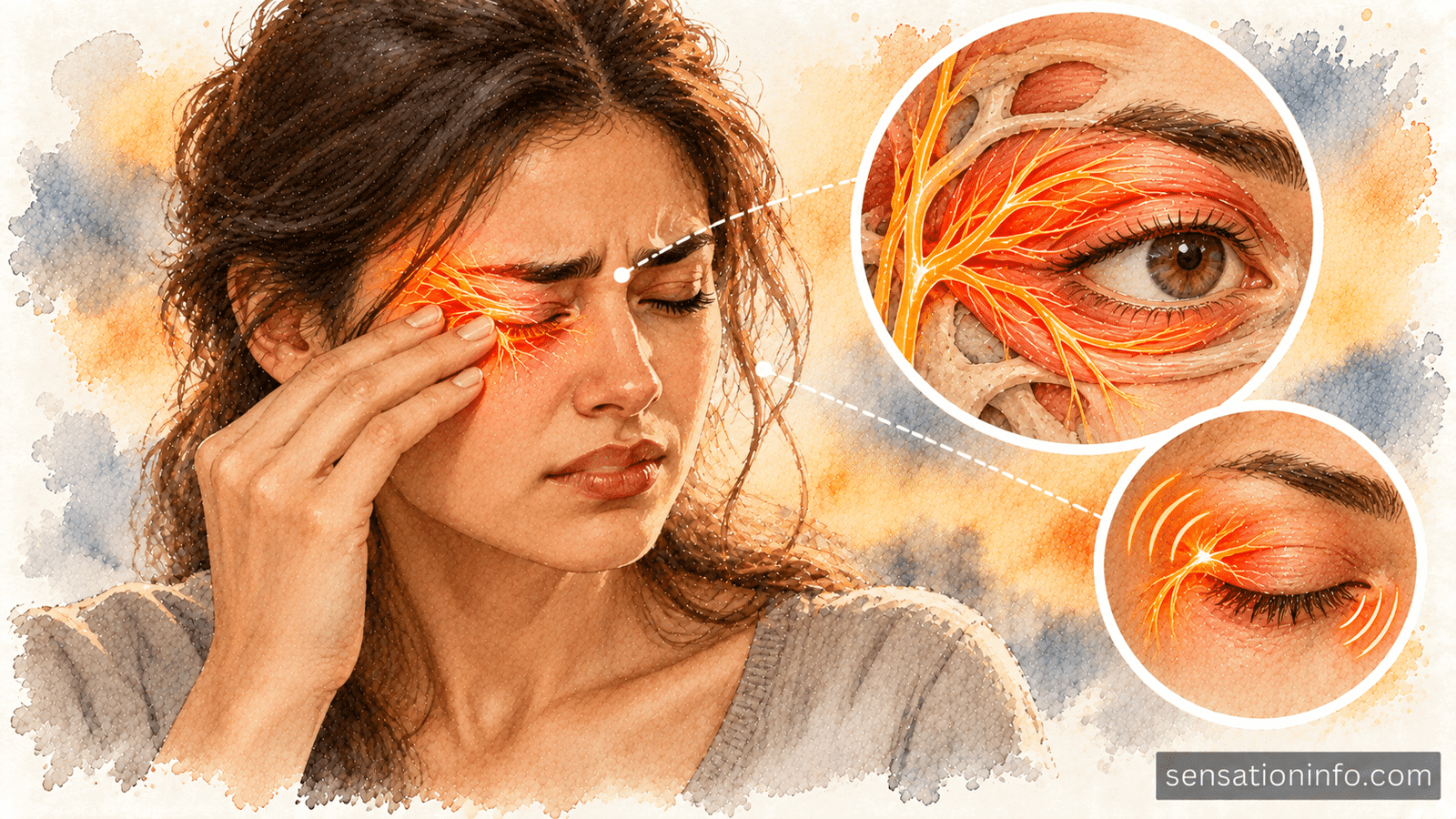
Neuropathy pain is different from ordinary pain. It comes from the nerves themselves rather than from an injury to tissue. This is why it can feel so unusual and why standard painkillers like ibuprofen often do very little for it.
What Are the Main Types of Neuropathy?
The word “neuropathy” is an umbrella term. Doctors classify it in several ways depending on which nerves are involved, what caused the damage, and how many nerves are affected.
Classification by Nerve Type
Sensory neuropathy damages the nerves responsible for feeling. You may lose the ability to sense temperature, pain, vibration, or light touch. Alternatively, those nerves may become overactive, creating pain from stimuli that should not hurt. This is the most common form.
Motor neuropathy affects the nerves that control your muscles. Symptoms include weakness, muscle wasting (atrophy), cramping, twitching, and difficulty with coordination. Foot drop, where the front of the foot drags during walking, is a classic sign.
Autonomic neuropathy involves the nerves that manage processes you do not consciously control: heart rate, blood pressure regulation, digestion, bladder function, sweating, and sexual function. This type can be serious because it affects vital organ systems.
Mixed neuropathy is common. Many people have damage across more than one nerve type at the same time.
Classification by Pattern
Polyneuropathy affects many nerves throughout the body, usually in a symmetrical pattern. The classic example is diabetic neuropathy, which typically starts in both feet and gradually creeps upward. This “stocking and glove” pattern is the most frequently seen presentation.
Mononeuropathy involves damage to a single nerve. Carpal tunnel syndrome, where the median nerve is compressed at the wrist, is the best known example.
Mononeuropathy multiplex affects two or more individual nerves in separate areas of the body. This pattern often signals an underlying autoimmune or vascular condition.
Classification by Fiber Size
Large fiber neuropathy affects the bigger, myelinated nerve fibers that carry signals for vibration, touch, and motor control. Nerve conduction studies and electromyography (a nerve conduction study) can detect this type.
Small fiber neuropathy damages the thin, unmyelinated fibers that transmit pain, temperature, and some autonomic signals. Standard nerve conduction tests may come back normal even when symptoms are severe. A skin biopsy, which counts the number of small nerve fibers in a tiny sample, is often needed for diagnosis.
What Causes Neuropathy?
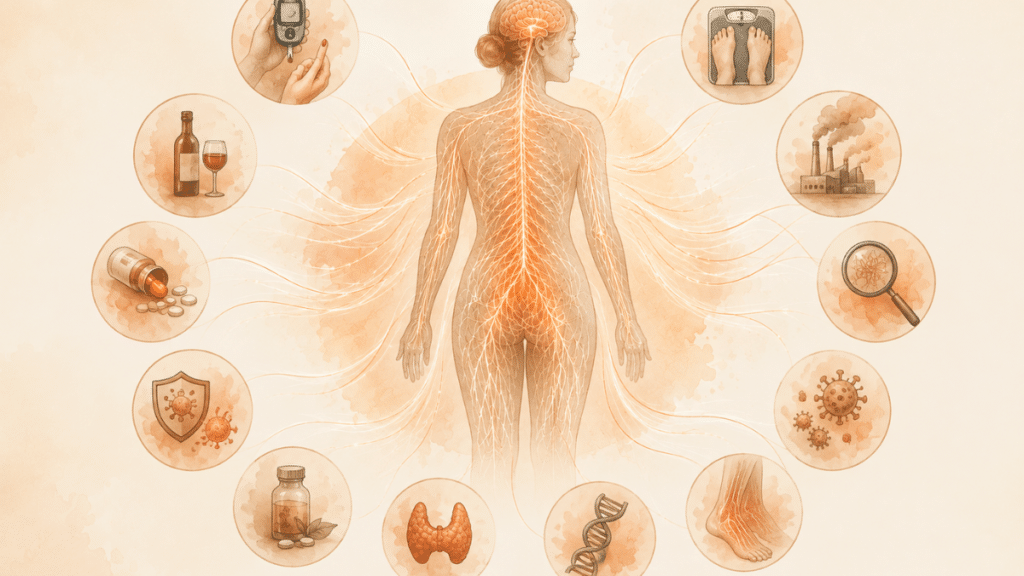
More than 100 different conditions can damage peripheral nerves. Understanding the cause is the single most important step, because treating the cause is the most effective way to stop progression and, in some cases, allow nerves to heal.
Most Common Causes
Diabetes and prediabetes account for roughly 60 to 70 percent of all neuropathy cases, according to the National Institute of Diabetes and Digestive and Kidney Diseases (NIDDK). Chronically elevated blood sugar damages the small blood vessels that supply oxygen and nutrients to nerve fibers. This form, called diabetic neuropathy, usually develops gradually over years and follows the stocking and glove distribution, starting in the toes and feet.
Idiopathic neuropathy (no identifiable cause) is the second most common diagnosis. Estimates suggest 30 to 40 percent of neuropathy cases fall into this category, though some may have undetected causes such as prediabetes or subtle vitamin deficiencies.
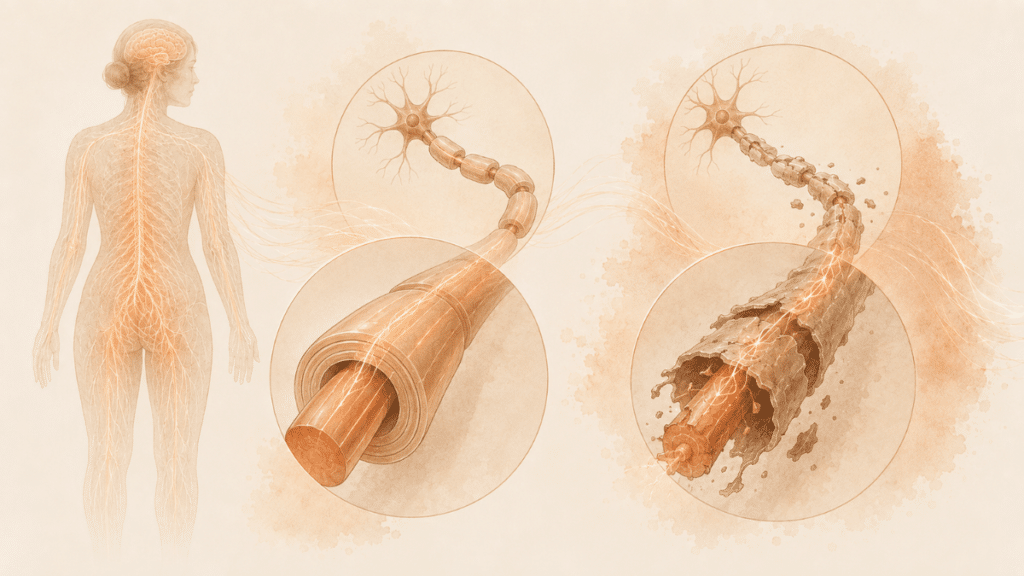
Vitamin deficiencies are a more frequent cause than many people realize. Vitamin B12 is essential for maintaining the myelin sheath, the protective coating around nerve fibers. Low B12 is especially common among older adults, people following strict vegan or vegetarian diets, and those taking the diabetes medication metformin (Glucophage), which can deplete B12 levels. Deficiencies in vitamins B1 (thiamine), B6 (pyridoxine), and E can also cause nerve damage.
Other Important Causes
Autoimmune diseases such as Guillain Barre syndrome, chronic inflammatory demyelinating polyneuropathy (CIDP), lupus, rheumatoid arthritis, and Sjogren syndrome can trigger the immune system to attack nerve tissue.
Medications and toxins are a significant and often reversible cause. Certain chemotherapy drugs, particularly platinum compounds and taxanes, are well known for causing neuropathy that produces burning and tingling. Other culprits include some antibiotics (metronidazole, fluoroquinolones), HIV medications, and the heart drug amiodarone. Chronic alcohol use directly poisons nerves and also contributes to nutritional deficiencies that compound the damage.
Infections including shingles (herpes zoster), HIV, Lyme disease, and hepatitis C can damage nerves directly or through the inflammatory response they provoke. Postherpetic neuralgia, the lasting nerve pain that sometimes follows a shingles outbreak, is one of the most common infectious causes.
Physical injury and compression can damage nerves through trauma, repetitive motion, or prolonged pressure. Herniated discs, bone spurs, and tight casts or braces can all compress peripheral nerves.
Kidney disease, liver disease, and hypothyroidism alter the body’s chemical environment in ways that can gradually injure nerve fibers.
Inherited conditions such as Charcot Marie Tooth disease are genetic neuropathies that affect the structure or function of peripheral nerves from birth or early childhood.
| Cause Category | Examples | Potentially Reversible? |
|---|---|---|
| Metabolic | Diabetes, prediabetes, kidney disease, hypothyroidism | Partially, with tight disease control |
| Nutritional | B12, B1, B6, E, copper deficiency | Often yes, if caught early |
| Medication/Toxic | Chemotherapy, alcohol, certain antibiotics | Often yes, after stopping the agent |
| Autoimmune | Guillain Barre, CIDP, lupus, Sjogren | Varies; some respond well to treatment |
| Infectious | Shingles, HIV, Lyme disease | Varies by infection and timing |
| Hereditary | Charcot Marie Tooth disease | No, but progression can be managed |
| Compression | Carpal tunnel, herniated disc | Usually yes, with decompression |
| Idiopathic | Unknown cause | Symptoms manageable; progression slow |
When Should You See a Doctor? Red Flags That Need Urgent Attention
Most neuropathy develops gradually and is not a medical emergency. However, certain warning signs require prompt medical evaluation:
- Sudden onset of weakness in one or both legs or arms
- Numbness or tingling that spreads rapidly over hours or days (this can signal Guillain Barre syndrome, which needs emergency treatment)
- Loss of bladder or bowel control alongside numbness in the legs or saddle area
- Numbness or weakness on one side of the face, especially with slurred speech or vision changes (possible stroke)
- A rapidly expanding area of numbness after an injury
- Unexplained weight loss combined with new nerve symptoms
If you notice gradual tingling, burning, or numbness in your feet or hands that has lasted more than two weeks, schedule an appointment with your doctor. Early diagnosis matters because some causes of neuropathy are fully reversible when caught before the nerve damage becomes permanent.
How Do Doctors Diagnose Neuropathy?
Diagnosing neuropathy involves two goals: confirming that nerve damage exists and figuring out what is causing it. Your doctor will likely use a combination of approaches.
Clinical Examination
A neurological exam tests your reflexes, muscle strength, ability to feel light touch, vibration, temperature, and pinprick, and your balance and coordination. This exam alone can reveal a great deal about which nerves are affected and how severely.
Electrodiagnostic Testing
A nerve conduction study (NCS) measures how fast and how strongly electrical signals travel through your nerves. Electromyography (EMG) evaluates the electrical activity in your muscles. Together, these tests can pinpoint where nerve damage is occurring and whether it involves the myelin sheath (demyelinating) or the nerve fiber itself (axonal). These tests are most useful for detecting large fiber neuropathy.
Blood Tests
A comprehensive blood panel can identify many treatable causes: blood sugar and hemoglobin A1c for diabetes, complete blood count, thyroid function, vitamin B12 and folate levels, kidney and liver function, inflammatory markers, and tests for specific autoimmune antibodies.
Skin Biopsy
For suspected small fiber neuropathy, a skin biopsy from the lower leg counts the density of small nerve fibers called intraepidermal nerve fibers. This is the gold standard test when symptoms are present but nerve conduction studies are normal.
Additional Tests
Depending on the suspected cause, your doctor may order a lumbar puncture (spinal tap), nerve biopsy, MRI, or genetic testing.
How Is Neuropathy Treated?
Treatment targets two goals at the same time: addressing the underlying cause and managing symptoms. The most effective approach does both.
Treating the Underlying Cause
This is the foundation. If diabetes is causing the damage, tighter blood sugar control slows and sometimes halts progression. If a vitamin deficiency is responsible, supplementation can allow nerves to recover. If a medication is the culprit, switching or stopping that medication, under medical guidance, gives nerves a chance to heal. Autoimmune neuropathies may respond to immunotherapy treatments such as intravenous immunoglobulin (IVIG) or corticosteroids.
Medications for Nerve Pain
Standard over the counter pain relievers usually do not work well for neuropathic pain because the pain originates from nerve misfiring, not tissue inflammation. Doctors typically use one of several classes of medication:
Anticonvulsants such as gabapentin (Neurontin) and pregabalin (Lyrica) work by calming overactive nerve signaling. These are among the most commonly prescribed medications for neuropathic pain. Side effects can include drowsiness, dizziness, and swelling in the feet.
Antidepressants used for nerve pain include duloxetine (Cymbalta), a serotonin norepinephrine reuptake inhibitor (SNRI), and tricyclic antidepressants such as amitriptyline and nortriptyline. These medications dampen pain signals in the spinal cord and brain. They are prescribed for their pain relieving properties, regardless of whether the patient has depression.
Topical treatments such as lidocaine patches and capsaicin cream can help when pain is localized. Capsaicin, derived from chili peppers, temporarily desensitizes pain nerve fibers over time.
There is no single best medication for every person. Finding the right fit often involves trying one medication at a time and adjusting based on the response and side effects.
Physical Therapy and Exercise
Regular, moderate exercise improves blood flow to peripheral nerves and can reduce neuropathic pain. Physical therapy helps maintain strength and balance, which is critical since neuropathy increases fall risk. A physical therapist can design a safe exercise program that accounts for any numbness or weakness you have.
Complementary Approaches
Some people find additional relief through approaches used alongside medical treatment. Alpha lipoic acid, an antioxidant, has shown some benefit for diabetic neuropathy pain in clinical trials, though evidence remains mixed. Acupuncture, transcutaneous electrical nerve stimulation (TENS), and mindfulness based stress reduction have all shown modest benefit in some studies.
Can Neuropathy Be Reversed?
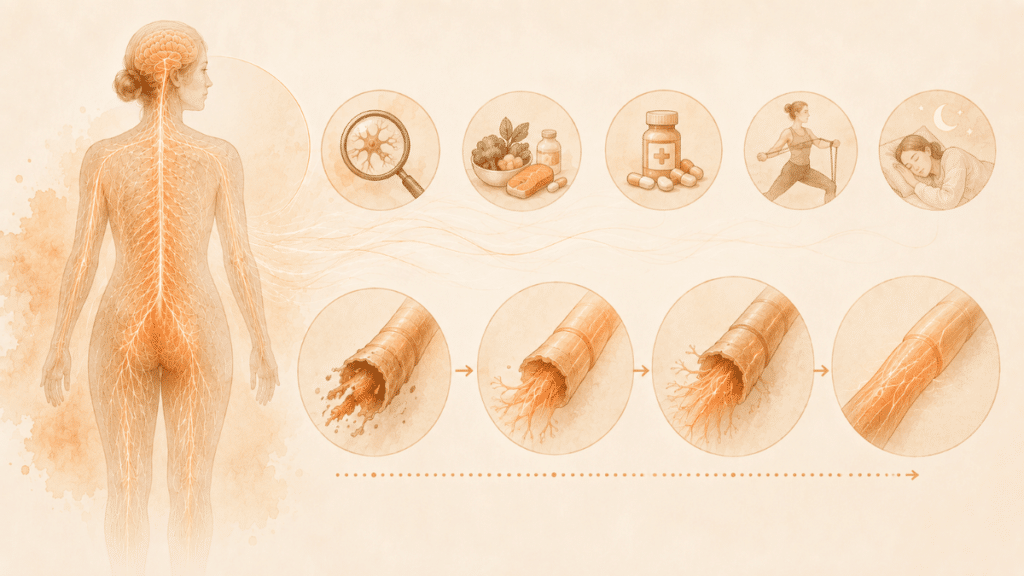
This is one of the most common questions people ask. The honest answer depends on the cause, severity, and how early treatment begins.
Peripheral nerves have some ability to regenerate, but the process is slow, roughly one millimeter per day, or about one inch per month. For nerves that run all the way from your spine to your toes, full recovery can take many months to over a year.
Often reversible when caught early: neuropathy from vitamin B12 deficiency (recovery may begin within weeks of supplementation), medication induced neuropathy (after stopping or changing the drug), compression neuropathies like carpal tunnel (after decompression), and some autoimmune neuropathies (with appropriate immunotherapy).
Partially reversible or stabilizable: diabetic neuropathy (tight blood sugar control can halt progression and allow some recovery, especially in early stages), and alcoholic neuropathy (with sustained abstinence and nutritional support).
Difficult to reverse: neuropathy from long standing, uncontrolled diabetes with significant nerve fiber loss, hereditary neuropathies like Charcot Marie Tooth disease, and neuropathy where the underlying cause cannot be identified or treated.
Even when full reversal is not possible, meaningful improvement in pain, function, and quality of life is achievable for most people. Stopping progression is itself a significant win.
What Can You Do at Home to Help?
While medical treatment forms the backbone of neuropathy management, daily habits play a larger role than many people realize.
Foot care is essential. Neuropathy reduces your ability to feel injuries, blisters, or pressure sores on your feet. Check your feet daily for cuts, redness, swelling, or blisters. Wear well fitting, supportive shoes. Never walk barefoot.
Blood sugar management is the single most impactful action for anyone with diabetic neuropathy. Even modest improvements in blood sugar control can slow progression.
Nutrition matters. A diet rich in B vitamins (found in eggs, meat, fish, leafy greens, and fortified cereals), antioxidants, and omega 3 fatty acids supports nerve health. If you follow a vegan or vegetarian diet, consider B12 supplementation after discussing it with your doctor. Learn more about how you can improve nerve health naturally through diet and lifestyle.
Stay active. Walking, swimming, and cycling improve circulation to damaged nerves and help maintain muscle strength and balance. Even 20 to 30 minutes of moderate activity most days can make a difference.
Limit alcohol. Alcohol is directly toxic to nerve fibers and compounds nutritional deficiencies that worsen neuropathy.
Manage pain at night. Many people find neuropathy pain worsens after dark. Keeping feet cool (not cold), using a bed cradle to keep sheets off sensitive skin, and establishing a consistent sleep routine can help. If you experience burning in the feet at night, specific positioning and cooling strategies may provide relief.
Special Populations: Who Is Most at Risk?
Older Adults
Neuropathy becomes significantly more common with age. A 2025 study published in the Journal of the American Geriatrics Society found that among community dwelling adults aged 78 to 100, the prevalence of detectable peripheral neuropathy was 62.4 percent [SOURCE: Journal of the American Geriatrics Society / ARIC Study]. Even among those without diabetes, the rate was 60.2 percent. Older adults are also more susceptible to B12 deficiency and medication related nerve damage.
People With Diabetes
Approximately 60 to 70 percent of people with diabetes develop some form of neuropathy over the course of their disease, according to the NIDDK. Neuropathy can develop at any stage, and in some cases, nerve symptoms appear before diabetes is officially diagnosed.
Cancer Patients
Chemotherapy induced peripheral neuropathy (CIPN) affects an estimated 30 to 40 percent of cancer patients receiving neurotoxic chemotherapy agents [SOURCE: NINDS]. Symptoms may emerge during treatment or sometimes weeks to months afterward and can be long lasting.
Pregnant Women
Pregnancy increases the risk of compression neuropathies, particularly carpal tunnel syndrome, due to fluid retention and swelling. Most pregnancy related nerve symptoms resolve within weeks to months after delivery.
How to Tell Neuropathy Apart From Similar Conditions
Several conditions can mimic neuropathy symptoms. Knowing the differences helps you communicate more effectively with your doctor.
| Condition | Key Difference From Neuropathy |
|---|---|
| Poor circulation (PAD) | Cramping with walking that improves with rest; skin color changes; weak pulses in feet |
| Restless legs syndrome | Urge to move legs, worse at rest; movement relieves it; no actual numbness |
| Anxiety related tingling | Comes and goes with stress; affects face, hands, and feet simultaneously; normal exams |
| Multiple sclerosis | Central nervous system involvement; MRI shows brain/spinal cord lesions; different exam findings |
| Sciatica | Follows a specific nerve root path (usually down one leg); often triggered by back movement |
Common Myths About Neuropathy
Myth: Neuropathy only affects older people. Fact: While it is more common with age, neuropathy can occur at any age. Young adults with autoimmune conditions, type 1 diabetes, injuries, or hereditary conditions develop neuropathy too.
Myth: If you have neuropathy, nothing can be done. Fact: Many causes are treatable, and even when nerve damage cannot be fully reversed, pain management and functional improvement are achievable goals. Nerves do have some capacity to regenerate when given the right conditions.
Myth: Numbness means the nerves are dead. Fact: Numbness can mean nerves are injured, compressed, or misfiring. Many numb areas still have viable nerve fibers that can recover with appropriate treatment.
Myth: Supplements can cure neuropathy. Fact: Supplements like B12 help only when a deficiency exists. Taking extra vitamins when your levels are already normal does not accelerate nerve repair. Always check with your doctor before starting supplements.
Key Takeaways
- Neuropathy is nerve damage that affects feeling, movement, or automatic body functions, and it is far more common than most people realize.
- Diabetes is the leading cause, but more than 100 conditions, medications, and deficiencies can trigger neuropathy.
- Symptoms usually start in the feet or hands and can include tingling, numbness, burning pain, weakness, or balance problems.
- Early diagnosis is critical because many causes of neuropathy are fully or partially reversible when treated promptly.
- Treatment works best when it targets the underlying cause and manages symptoms at the same time.
- Peripheral nerves can regenerate at about one inch per month, but only when the source of the damage has been addressed.
- Daily habits like blood sugar control, foot care, regular exercise, proper nutrition, and limiting alcohol make a real difference in outcomes.
- Even when neuropathy cannot be fully reversed, effective pain management and improved quality of life are realistic goals.
Frequently Asked Questions
Diabetes is the most common cause of neuropathy in the United States. Roughly 60 to 70 percent of people with diabetes develop some form of nerve damage during their lifetime, according to the National Institute of Diabetes and Digestive and Kidney Diseases. High blood sugar over time injures the small blood vessels that nourish nerve fibers, leading to gradual damage that usually starts in the feet.
It depends on the cause. Neuropathy from temporary nerve compression, such as sitting in an awkward position, resolves on its own once pressure is removed. Neuropathy caused by a vitamin deficiency can improve with supplementation. However, most chronic forms of neuropathy do not go away without treatment, and delaying care risks permanent damage. If symptoms have lasted more than two weeks, it is worth seeing a doctor.
Yes. Many people with neuropathy lead full, active lives. Early treatment, consistent management of the underlying cause, appropriate pain control, regular exercise, and good foot care can minimize the impact of neuropathy on daily activities. Working closely with your healthcare team to adjust treatment as needed is an important part of maintaining quality of life.
People describe neuropathy pain in many ways: burning, stabbing, electric shocks, freezing, aching, or a sensation of walking on pebbles or hot sand. Some feel extreme sensitivity where even light touch from clothing or bedsheets causes pain (a condition called allodynia). Others experience deep, aching pain in the muscles. The pain often worsens at night.
Peripheral neuropathy is the most common type of neuropathy, and the two terms are often used interchangeably by doctors and patients. Technically, “neuropathy” is the broader term that covers nerve damage anywhere in the body, while “peripheral neuropathy” specifically refers to damage in the nerves outside the brain and spinal cord. Most neuropathy discussions focus on the peripheral type because it is by far the most prevalent.
Diagnosis typically involves a clinical neurological exam, blood tests to check for diabetes, vitamin levels, and other treatable causes, and electrodiagnostic testing (nerve conduction study and electromyography) to assess how well your nerves and muscles are functioning. If small fiber neuropathy is suspected, a skin biopsy may be performed. The goal is not just to confirm nerve damage but to identify the cause so it can be treated.
Doctor’s Recommendation
If you have been experiencing tingling, numbness, or burning pain that started in your feet and has gradually spread, learning more about peripheral neuropathy can help you understand what to expect during diagnosis and how treatment options work. Our guide to peripheral neuropathy symptoms, causes, and living with it covers the practical aspects of daily management and when to seek specialized care.

One Response