
Understanding the Causes of Tingling in Face and Jaw
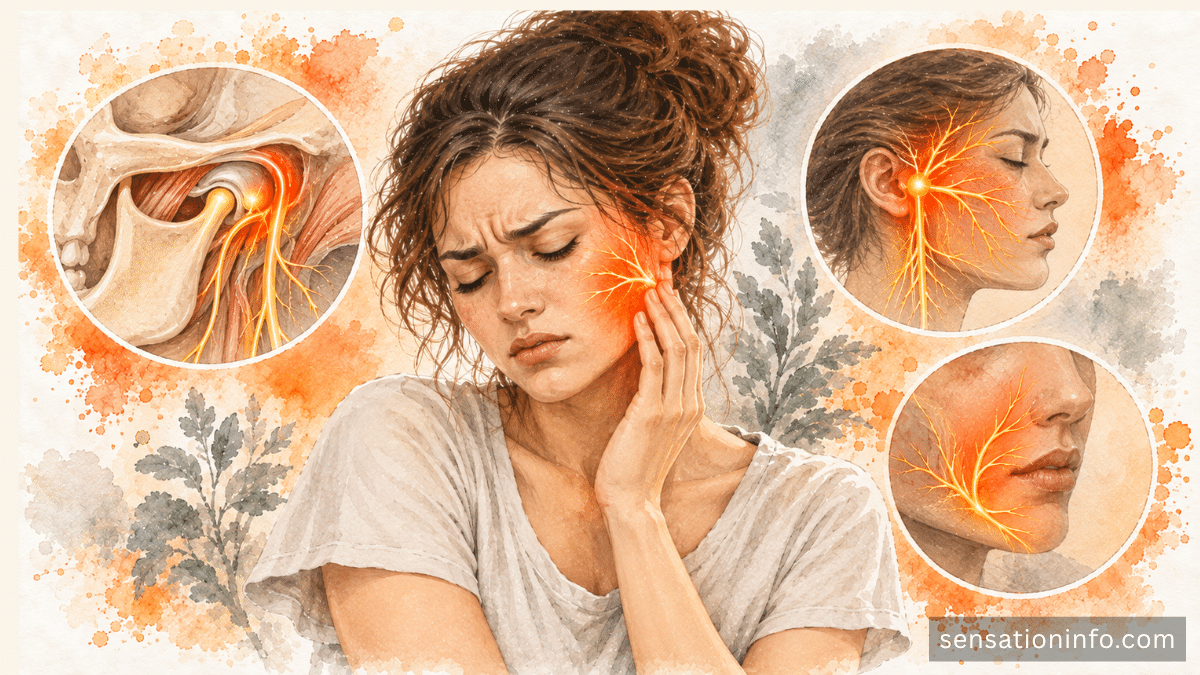
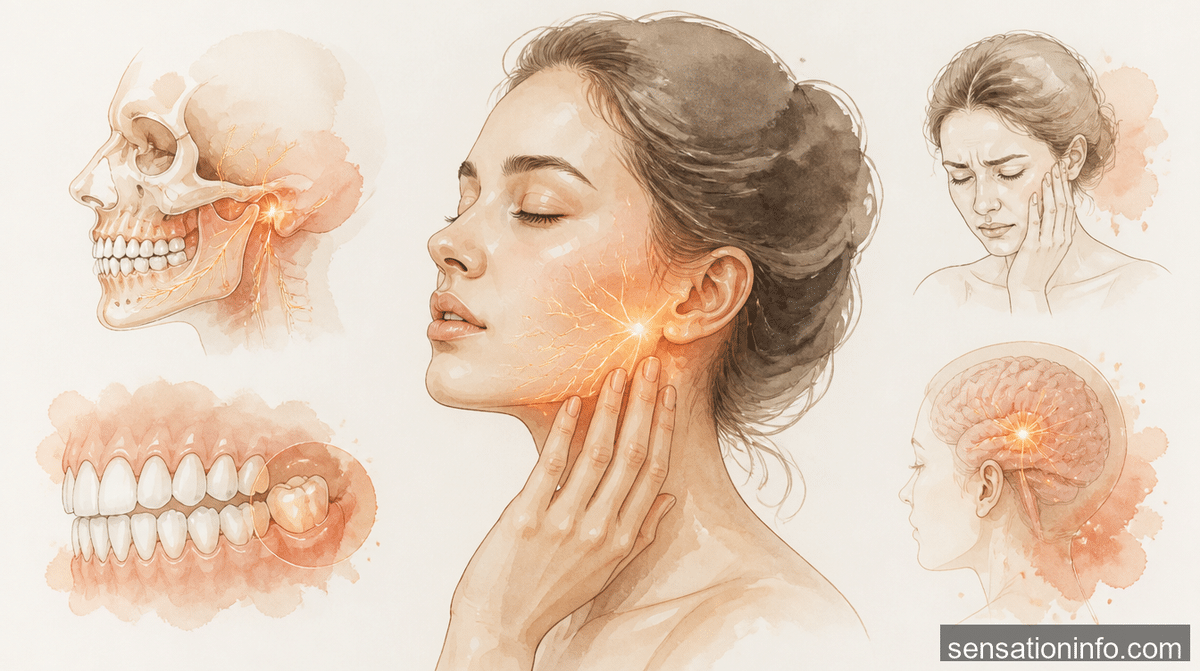
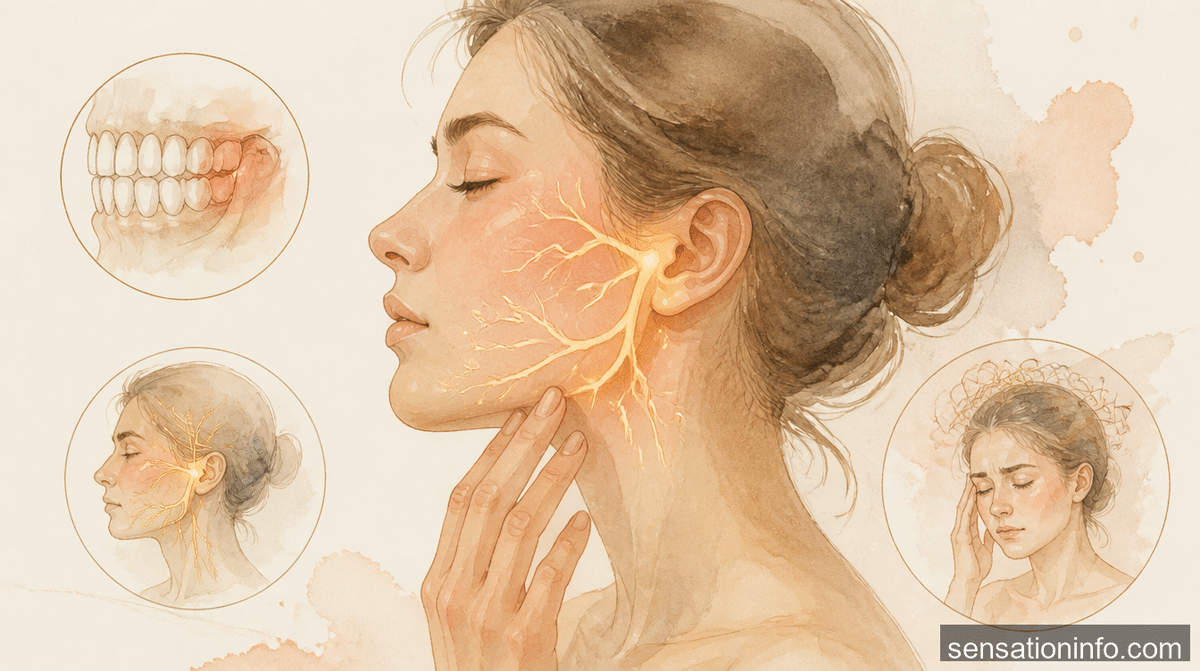
When it comes to tingling sensations in the face and jaw, there are several possible causes to consider. Let’s start with some of the most common ones. Temporomandibular joint (TMJ) disorders, for instance, can cause tingling or numbness in the face and jaw. The TMJ is a complex joint that connects the jawbone to the skull, and problems with this joint can lead to a range of symptoms, including pain, clicking, and tingling.
Trigeminal neuralgia is another condition that can cause tingling or numbness in the face and jaw. This condition affects the trigeminal nerve, which is responsible for sensation in the face, and can cause intense pain or tingling sensations. Dental problems, such as a misaligned tooth or gum disease, can also cause tingling sensations in the face and jaw. And then there’s anxiety and stress, which can cause a range of symptoms, including tingling or numbness in the face and jaw.
But how do you know what’s causing your symptoms? That’s a great question. In my experience, it’s often a process of elimination. We need to consider all the possible causes and rule them out one by one. For example, if you’re experiencing tingling in your face and jaw, and you’ve recently had a dental procedure, it’s possible that the tingling is related to the procedure. On the other hand, if you’re experiencing stress and anxiety, it’s possible that the tingling is related to those factors.
One Side vs Both: What Does it Mean?
When it comes to tingling in the face and jaw, one of the key things to consider is whether the sensation is affecting one side of the face or both. In general, if the tingling is affecting one side of the face, it’s more likely to be related to a dental or nerve issue. For example, if you have a misaligned tooth on one side of your mouth, it could be putting pressure on the nerve and causing tingling sensations on that side of the face.
On the other hand, if the tingling is affecting both sides of the face, it’s more likely to be related to a systemic issue, such as anxiety or stress. This is because systemic issues tend to affect the body as a whole, rather than just one side. However, it’s worth noting that there are exceptions to this rule, and it’s always best to consult with a medical professional to determine the underlying cause of your symptoms.
Dental vs Nerve: How to Tell the Difference
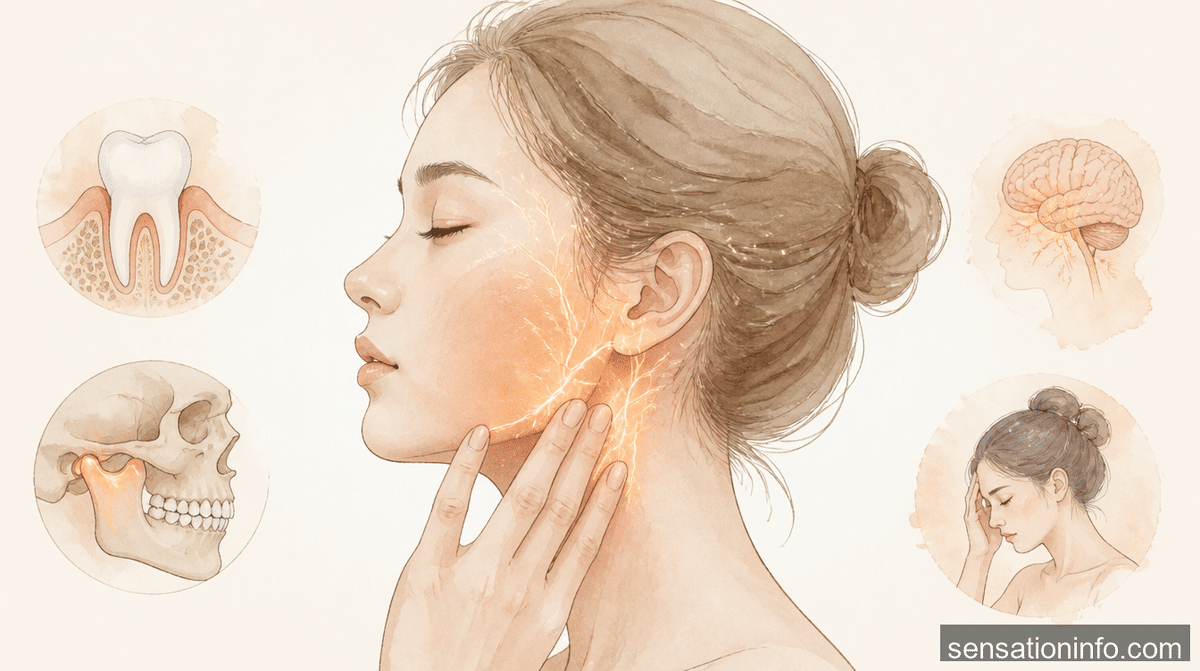
So, how do you know whether your tingling face and jaw are related to a dental issue or a nerve problem? In my experience, it’s often a matter of looking at the specific symptoms and considering the underlying causes. For example, if you’re experiencing tingling sensations in your face and jaw, and you also have tooth pain or sensitivity, it’s possible that the tingling is related to a dental issue.
On the other hand, if you’re experiencing tingling sensations in your face and jaw, and you also have other symptoms such as numbness or weakness in the face, it’s possible that the tingling is related to a nerve problem. In some cases, it may be a combination of both dental and nerve issues. For example, a misaligned tooth could be putting pressure on the nerve, causing tingling sensations in the face and jaw.
Bell Palsy and Other Conditions
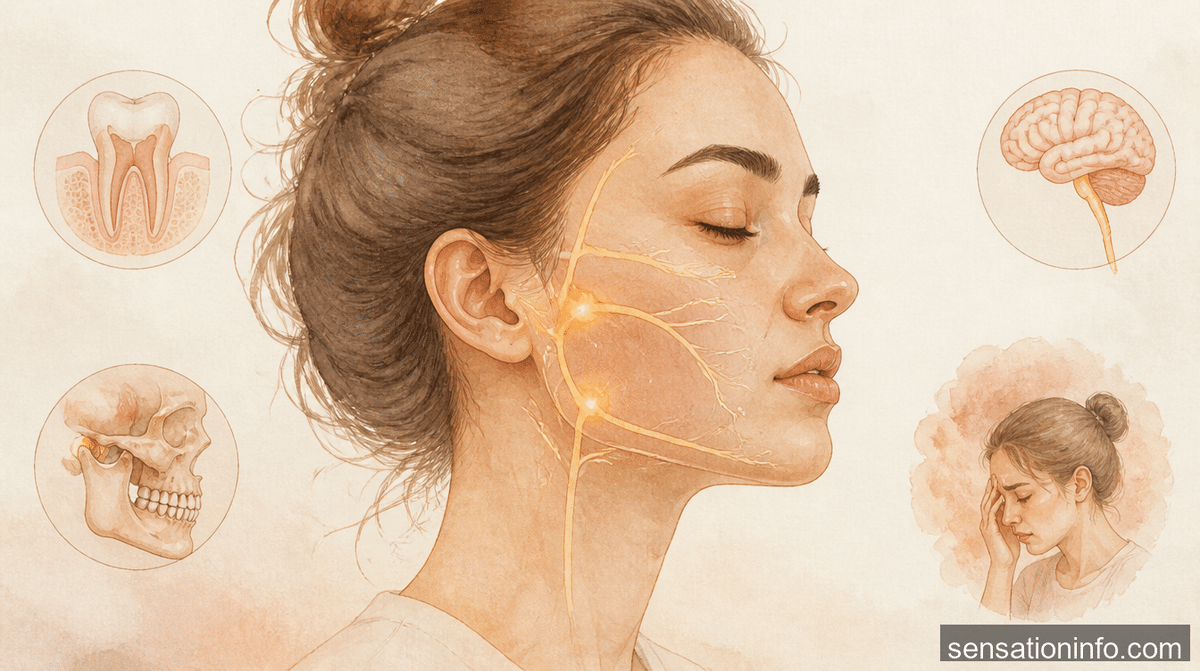
In some cases, tingling in the face and jaw can be a symptom of a more serious condition, such as Bell palsy. Bell palsy is a condition that causes weakness or paralysis of the facial muscles, and it can also cause tingling or numbness in the face and jaw. Other conditions, such as multiple sclerosis or Lyme disease, can also cause tingling sensations in the face and jaw.
If you’re experiencing tingling sensations in your face and jaw, and you’re not sure what’s causing it, it’s always best to consult with a medical professional. They can help you determine the underlying cause of your symptoms and develop a treatment plan to alleviate your discomfort.
Frequently Asked Questions
The most common causes of tingling in the face and jaw include TMJ disorders, trigeminal neuralgia, dental problems, anxiety and stress, and Bell palsy. In some cases, the tingling may be related to a more serious condition, such as multiple sclerosis or Lyme disease.
To determine whether your tingling face and jaw are related to a dental issue or a nerve problem, consider the specific symptoms you’re experiencing. If you have tooth pain or sensitivity, it’s possible that the tingling is related to a dental issue. On the other hand, if you have other symptoms such as numbness or weakness in the face, it’s possible that the tingling is related to a nerve problem.
Yes, anxiety and stress can cause tingling sensations in the face and jaw. This is because anxiety and stress can cause a range of physical symptoms, including muscle tension and nerve stimulation. In some cases, the tingling may be a symptom of a larger issue, such as a anxiety disorder or stress-related condition.
The treatment options for tingling in the face and jaw depend on the underlying cause of the symptoms. For example, if the tingling is related to a dental issue, treatment may involve a dental procedure or medication to alleviate the discomfort. If the tingling is related to a nerve problem, treatment may involve medication or physical therapy to alleviate the symptoms. In some cases, the tingling may be a symptom of a more serious condition, and treatment may involve addressing the underlying condition.
To prevent tingling in your face and jaw, it’s a good idea to practice good oral hygiene and take care of your teeth and gums. This can help prevent dental problems that can cause tingling sensations in the face and jaw. It’s also a good idea to manage stress and anxiety, as these can contribute to tingling sensations in the face and jaw. Finally, if you’re experiencing tingling sensations in your face and jaw, it’s a good idea to consult with a medical professional to determine the underlying cause and develop a treatment plan.
Final Thoughts
If you’re experiencing tingling sensations in your face and jaw, don’t worry – there are many possible causes, and most of them are treatable. By understanding the underlying causes of your symptoms and developing a treatment plan, you can alleviate your discomfort and get back to living your life. Remember, it’s always best to consult with a medical professional if you’re experiencing any unusual symptoms, as they can help you determine the underlying cause and develop a treatment plan.
In my experience, the key to managing tingling sensations in the face and jaw is to stay informed and take an active role in your care. By learning more about the possible causes and treatment options, you can take charge of your health and well-being. And if you’re experiencing any unusual symptoms, don’t hesitate to reach out to a medical professional for guidance and support. With the right care and attention, you can alleviate your tingling face and jaw and get back to living your life to the fullest.
So, what can you do now? If you’re experiencing tingling sensations in your face and jaw, I recommend starting by speaking with a medical professional. They can help you determine the underlying cause of your symptoms and develop a treatment plan to alleviate your discomfort. In the meantime, consider practicing good oral hygiene and taking care of your teeth and gums. And if you’re experiencing stress and anxiety, consider reaching out to a mental health professional for support and guidance. With the right care and attention, you can manage your tingling face and jaw and get back to living your life.
Article written by Dr Peeyush Kumawat at Sensationinfo.com