
I’ve been writing about neurological symptoms for years, and there’s something about tingling in the lips and tongue that makes people sit up and pay attention. Maybe it’s because it affects how you eat, speak, and interact with the world. That weird “pins and needles” feeling on your lips or that numb, prickly sensation on your tongue can range from completely harmless to something that needs immediate care. Let me walk you through what might be happening and what you can actually do about it.
What’s Actually Happening When Your Lips and Tongue Tingle
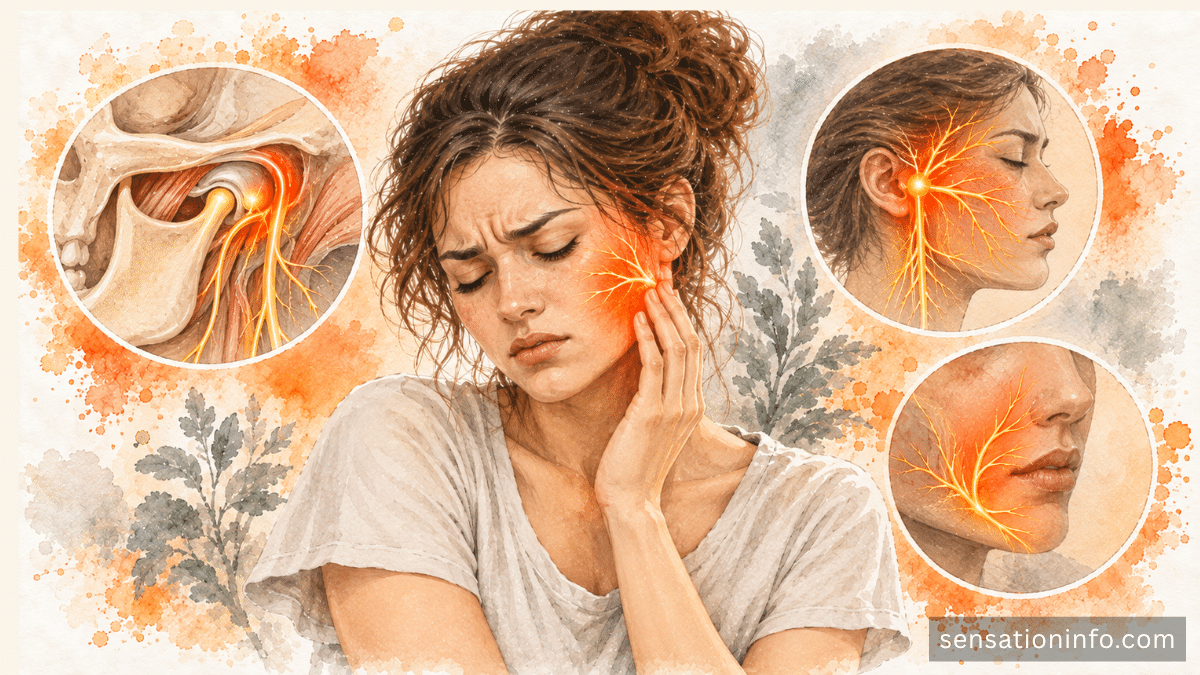
When you feel tingling in your lips or tongue, you’re experiencing something called paresthesia—that’s just the medical term for that “pins and needles” sensation. Your body is sending you signals through the nervous system, and specifically, the trigeminal nerve (which supplies sensation to your face) and the lingual nerve (which handles your tongue) are involved.
The sensation happens when nerves get irritated, compressed, or don’t get enough blood supply. Sometimes it’s as simple as pressing on a nerve temporarily—like when you bite your cheek and it goes numb for a bit. Other times, it’s your body waving a red flag about something more serious.

Common Causes of Lip and Tongue Tingling
After years of researching this topic, I’ve found that lip and tongue tingling usually comes from a handful of recognizable causes. Let me break them down so you know what to look for.
Vitamin Deficiencies
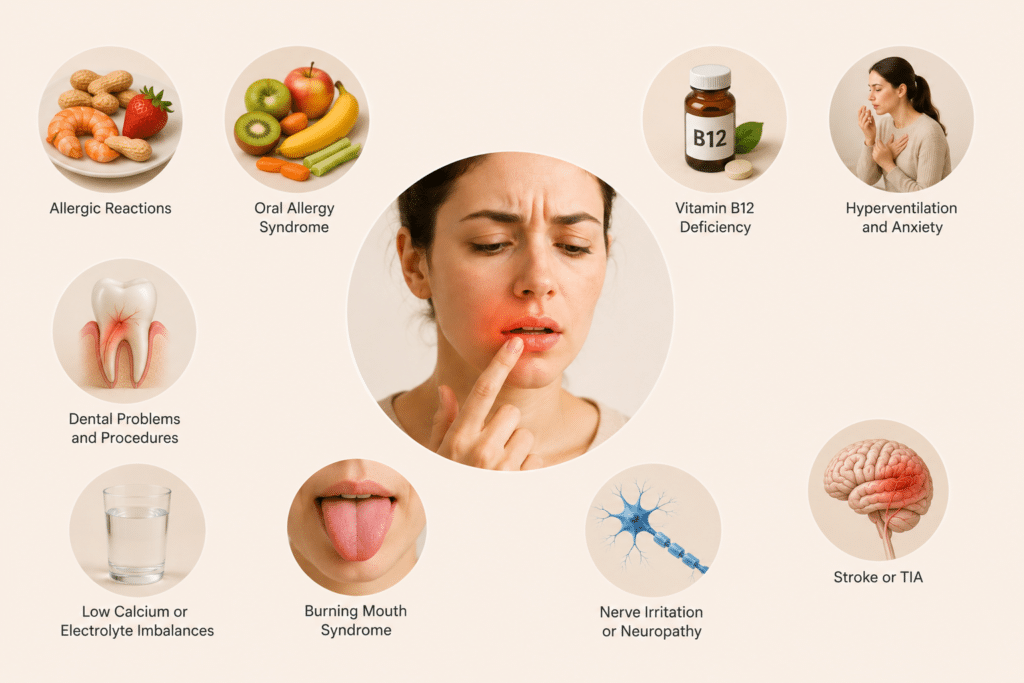
This is one of the most common causes I see, and honestly, it’s one of the easiest to fix. B vitamins—particularly B12, B6, and folate—are essential for healthy nerve function. When you’re low on these, your nerves can misfire and give you that tingling sensation. B12 deficiency is especially common in vegetarians and vegans, older adults, and people with certain digestive conditions that affect absorption.
Iron deficiency can also contribute, since iron helps your blood carry oxygen to your nerves. If you’re noticing tingling along with fatigue, brittle nails, or unusual cravings, getting your vitamin levels checked might reveal the culprit.
Allergic Reactions
Allergies can cause swelling and tingling in the lips and tongue, sometimes quickly and dramatically. Food allergies are common triggers—nuts, shellfish, certain fruits, and even some spices can cause reactions ranging from mild tingling to serious swelling. Oral allergy syndrome, where raw fruits and vegetables trigger allergic responses in your mouth, often causes lip and tongue tingling.
Some people also react to dental products, medications, or environmental allergens. Watch for patterns—if tingling shows up after eating certain foods or using new products, that’s useful information to share with your doctor.
Nerve Compression and Dental Issues
Your facial nerves can get compressed from various sources. Problems with your temporomandibular joint (TMJ), teeth grinding, or even sinus infections can put pressure on nerves and cause tingling. dental procedures sometimes temporarily affect the lingual nerve—I warn patients about this before wisdom tooth removal because it happens occasionally, though it usually resolves.
Sinus infections and seasonal allergies can also create pressure that affects the nerves running through your face and mouth. That congestion has to go somewhere, and sometimes it presses on structures in ways that cause tingling.
Migraines
Some people get tingling as part of their migraine aura—the warning symptoms that come before or during a migraine. This can involve the face, lips, and tongue, and often precedes the headache phase. If you notice tingling that comes with visual changes, sensitivity to light, or a progressing headache, you’re probably dealing with a migraine pattern.
More Serious Causes
I want to be upfront with you—some causes need prompt attention. Multiple sclerosis often includes sensory changes in the face and tongue as early symptoms. Bell’s palsy affects the facial nerve and can cause tingling along with weakness on one side of your face. Stroke and transient ischemic attacks (TIAs) can cause sudden facial tingling, usually on one side, along with other symptoms like slurred speech or confusion.
Low blood sugar (hypoglycemia) frequently causes lip tingling, especially in people with diabetes. This usually comes with shakiness, sweating, and confusion, and needs quick attention if severe.
Anxiety and panic attacks can trigger hyperventilation, which changes your blood chemistry and causes that tingling around your mouth and in your extremities. It’s not dangerous, but it can feel scary if you don’t know what’s happening.
When This Is an Emergency
This is important enough that I’m putting it in its own section. Seek immediate medical help if your lip or tongue tingling comes with any of these: sudden onset and feels different from anything you’ve experienced before, weakness or paralysis on one side of your face, difficulty speaking or forming words, vision changes, confusion, or severe headache. These could indicate a stroke or other serious neurological event.
Also get help quickly if your tongue swells dramatically—this could signal an anaphylactic reaction, especially if you also have trouble breathing.
Diagnosis: What to Expect
When you see a doctor about tingling lips and tongue, they’ll likely start by asking about your symptoms, when they started, what makes them better or worse, and your overall health history. Blood tests commonly check for vitamin B12, folate, iron, and sometimes thyroid function. If nerve issues are suspected, they might recommend nerve conduction studies or refer you to a neurologist.
If allergies are suspected, patch testing or other allergy assessments can identify triggers. Dental evaluation might be needed if TMJ or dental problems seem likely.
Treatment Options
Treatment depends entirely on the cause, but here’s what I typically see work well.
For vitamin deficiencies, supplementation usually resolves symptoms within weeks to months. B12 supplements help most people, though those with absorption issues might need injections. Folate and iron supplements address those respective deficiencies. The good news is that nerve symptoms from nutritional causes often reverse completely once levels normalize.
For allergies, avoiding triggers is key. Over-the-counter antihistamines help with mild reactions. If you have severe allergies, carrying an epinephrine auto-injector (like an EpiPen) is crucial. Working with an allergist to identify and manage triggers makes a huge difference.
Dental and TMJ issues often respond to night guards, physical therapy, stress reduction, and sometimes dental corrections. A dentist or TMJ specialist can guide you here.
Migraine-related tingling usually improves with migraine management—preventive medications, trigger avoidance, and acute treatment when attacks occur. Working with a neurologist helps fine-tune this.
For more serious conditions like MS or after stroke, treatment focuses on the underlying condition. The tingling itself might be managed with certain medications, but addressing the root cause is the priority.
What You Can Do Right Now
Before you get to the doctor, there are things that can help. Check your diet are you getting enough B vitamins? If you’re vegetarian or vegan, consider a B12 supplement. Eat a varied diet with plenty of leafy greens, whole grains, and lean proteins.
Stay hydrated; dehydration affects everything including nerve function. Reduce caffeine and alcohol, as both can affect nerve sensitivity. If you’re prone to anxiety and notice tingling with panic symptoms, breathing exercises and relaxation techniques can help by normalizing your CO2 levels.
Check your posture neck tension can affect facial nerves. If you spend hours at a desk looking at a screen, that’s worth addressing. Some people find relief with gentle stretches and ergonomic adjustments.

Tingling in your lips and tongue is common and often has a straightforward explanation—vitamin deficiency, allergies, or minor nerve irritation are frequent culprits. But it’s also a symptom that deserves attention, especially if it’s new, severe, or comes with other unusual symptoms.
I’ve seen plenty of people ignore this kind of thing, and I’ve seen others panic over something that turned out to be simple. The middle ground is best: pay attention to your body, note patterns, and get evaluated if it’s persistent or concerning. Most causes are treatable once you know what you’re dealing with, and that’s the real takeaway here.
Frequently Asked Questions
Yes. Anxiety and hyperventilation commonly trigger tingling around the mouth and face.
This may happen due to oral allergy syndrome, especially in people with pollen allergies.
Sometimes. Sudden one-sided mouth numbness with weakness or speech changes can signal stroke and requires emergency care.
Yes. Vitamin B12 deficiency commonly affects nerve function and may cause tingling or burning sensations.
Seek medical attention if symptoms become persistent, severe, one-sided, or appear with swelling, weakness, or breathing problems.
Final Thoughts
Tingling in the lips and tongue can feel surprisingly alarming because the mouth is such a sensitive and nerve-dense area.
Sometimes the cause is harmless, like spicy food or anxiety. Other times, it’s your body flagging allergies, deficiencies, or nerve-related issues that deserve attention.
The key is paying attention to patterns instead of immediately assuming the worst-case scenario.
And honestly, if your tongue suddenly feels like it licked a low-voltage battery for no clear reason, your body is probably asking you to investigate a little further.