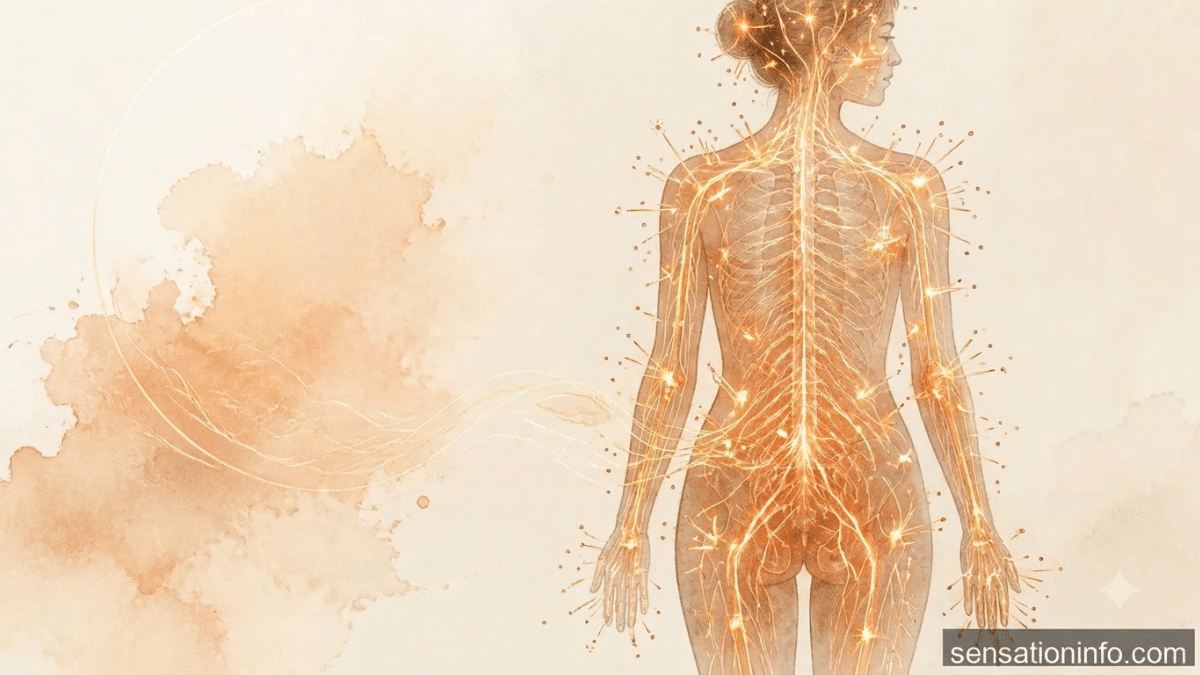

If you are feeling pins and needles all over your body, the sensation is most likely caused by temporary nerve compression, anxiety related hyperventilation, a vitamin deficiency, or an underlying condition affecting your nerves. Whole body tingling, known medically as paresthesia, can feel alarming, but most causes are treatable once identified. The key is knowing which causes are harmless and which ones need a doctor’s attention right away.
When Should You Call 911 for Pins and Needles?
Some patterns of whole body tingling signal a medical emergency. Go to the emergency room or call 911 if your pins and needles come with any of these warning signs:
- Sudden numbness or weakness on one side of your face, arm, or leg (possible stroke)
- Difficulty breathing, speaking, or swallowing
- Tingling that starts in your feet and rapidly climbs upward over hours or days (possible Guillain Barre syndrome)
- Loss of bladder or bowel control alongside back pain and leg tingling
- Sudden onset after a head or neck injury
- Chest pain or pressure alongside the tingling
These combinations can indicate stroke, spinal cord compression, or Guillain Barre syndrome, all of which require immediate treatment to prevent permanent damage.
What Does “Pins and Needles All Over Your Body” Actually Mean?
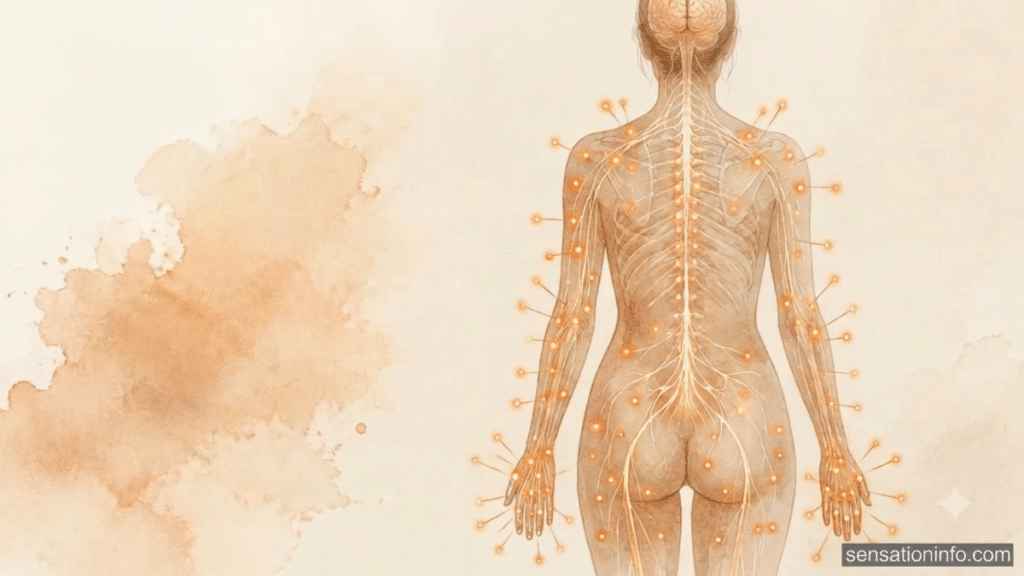
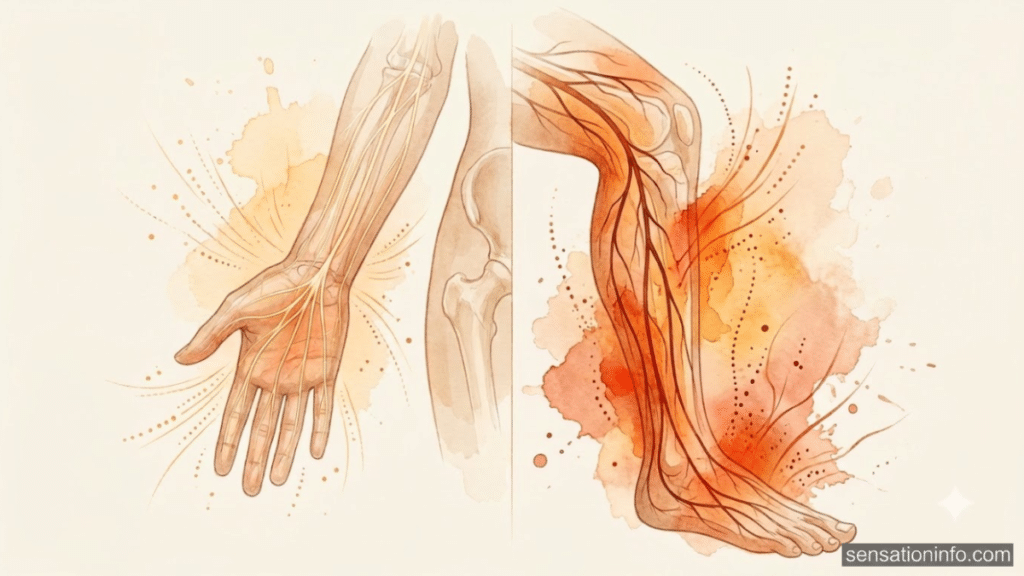
That prickling, tingling, or “static” feeling across your skin is called paresthesia. You have probably felt it after sitting cross legged too long or sleeping on your arm. That version is harmless and fades within minutes once you change position.
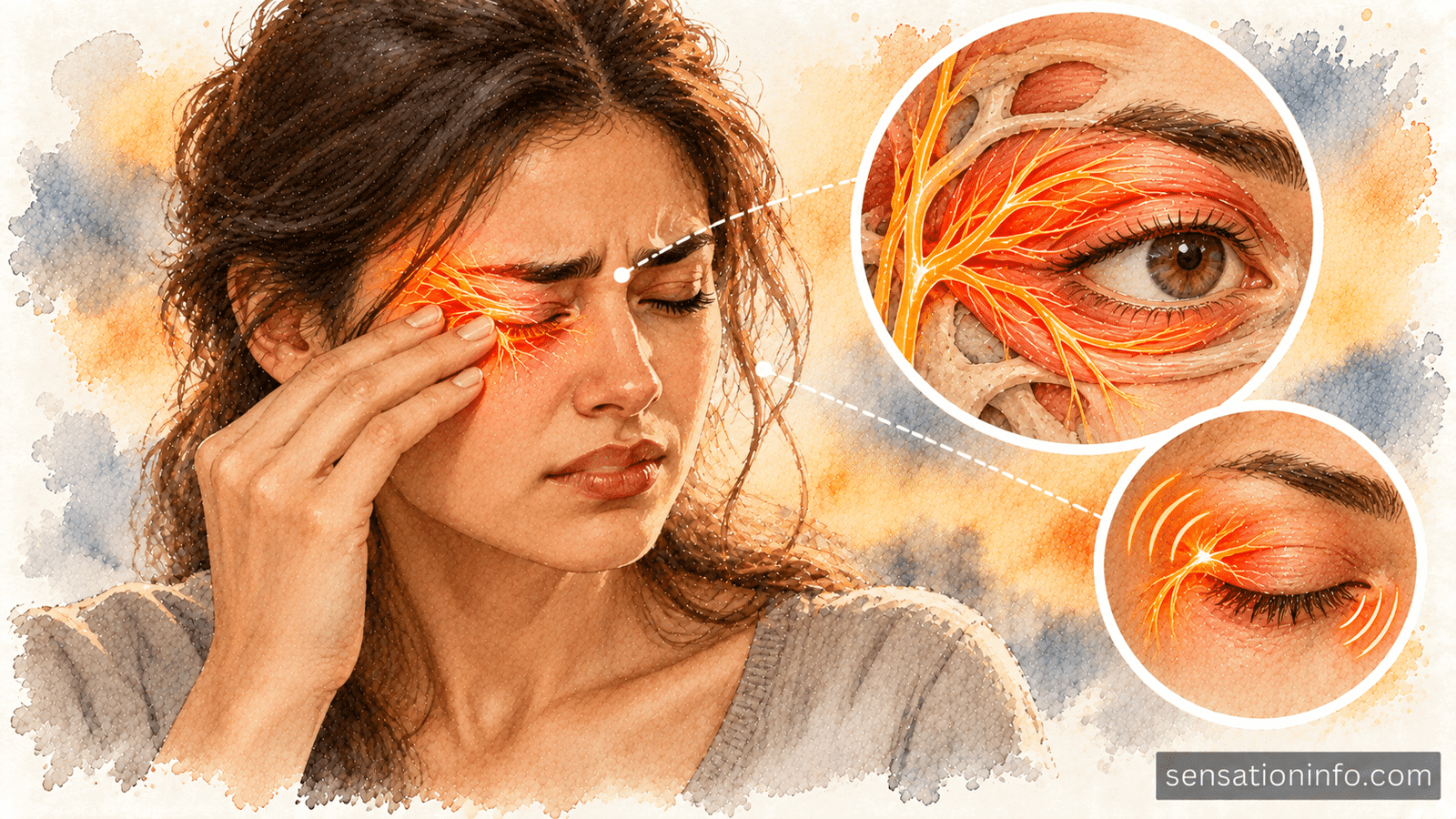
But when pins and needles appear all over your body, or keep coming back without an obvious trigger, your nervous system is sending a signal worth investigating. According to the Cleveland Clinic, paresthesia can be transient (temporary and harmless) or chronic (persistent and usually linked to an underlying condition).
Your nerves are like electrical wires running from your brain and spinal cord to every part of your body. When something compresses, damages, or irritates those wires anywhere along the path, the result is tingling, numbness, burning, or that familiar prickling sensation.
Common Causes of Pins and Needles All Over the Body
Could Anxiety Be Causing Your Whole Body Tingling?
Anxiety is one of the most common reasons people experience pins and needles across multiple body areas at once. During a panic attack or period of intense stress, you tend to breathe faster and more shallowly than normal. This is called hyperventilation.
When you hyperventilate, you exhale too much carbon dioxide. That shifts your blood chemistry toward what doctors call respiratory alkalosis, which reduces the amount of available calcium ions in your bloodstream. Calcium plays a critical role in nerve signaling, and when the level drops, your nerves become overexcitable. They start firing on their own, creating tingling in your hands, feet, face, and sometimes your entire body.
The tingling from anxiety related hyperventilation usually affects both sides equally and often comes with lightheadedness, a racing heart, chest tightness, and a feeling of unreality. According to the National Institutes of Health, paresthesia is listed as a recognized physical symptom of panic attacks in the DSM diagnostic criteria.
The reassuring part: once your breathing slows down and your carbon dioxide levels normalize, the tingling resolves completely. Slow, controlled breathing through your nose, exhaling longer than you inhale, can stop the sensation within minutes.
Vitamin B12 and Other Nutrient Deficiencies
Your nerves depend on specific nutrients to maintain the protective myelin sheath that surrounds them. When those nutrients run low, the sheath breaks down and nerves misfire, producing pins and needles.
Vitamin B12 deficiency is the most well known nutritional cause of widespread tingling. B12 is essential for producing myelin, and without enough of it, nerve damage can become permanent if left untreated. According to NIH StatPearls, B12 deficiency is more common in older adults, strict vegans, people who have had gastric bypass surgery, and those taking long term acid reducing medications like omeprazole (Prilosec) or metformin (Glucophage).
Other nutrient deficiencies that cause similar symptoms include:
- Vitamin B1 (thiamine), often linked to alcohol use disorder
- Vitamin B6 (pyridoxine), which can cause tingling both from too little and too much
- Vitamin E, which protects nerve cell membranes
- Copper deficiency, sometimes seen after gastric surgery
A simple blood test can check your levels, and in many cases, supplementation reverses the symptoms.
Peripheral Neuropathy
Peripheral neuropathy means damage to the nerves outside your brain and spinal cord. It is one of the most common neurological conditions in the United States, affecting an estimated 20 million Americans according to the National Institute of Neurological Disorders and Stroke (NINDS).
The hallmark pattern is a “stocking and glove” distribution, meaning tingling and numbness start in the feet and hands and gradually spread inward toward the trunk. Over time, this can feel like pins and needles across large areas of your body.
The single most common cause of peripheral neuropathy is diabetes. According to NIH StatPearls, 50% to 66% of people with diabetes will eventually develop diabetic peripheral neuropathy. High blood sugar damages the small blood vessels that supply oxygen and nutrients to your nerves, and the damage accumulates over time.
Other causes of peripheral neuropathy include alcohol use disorder, kidney disease, hypothyroidism, certain chemotherapy drugs, and autoimmune conditions.
Nerve Compression and Pinched Nerves
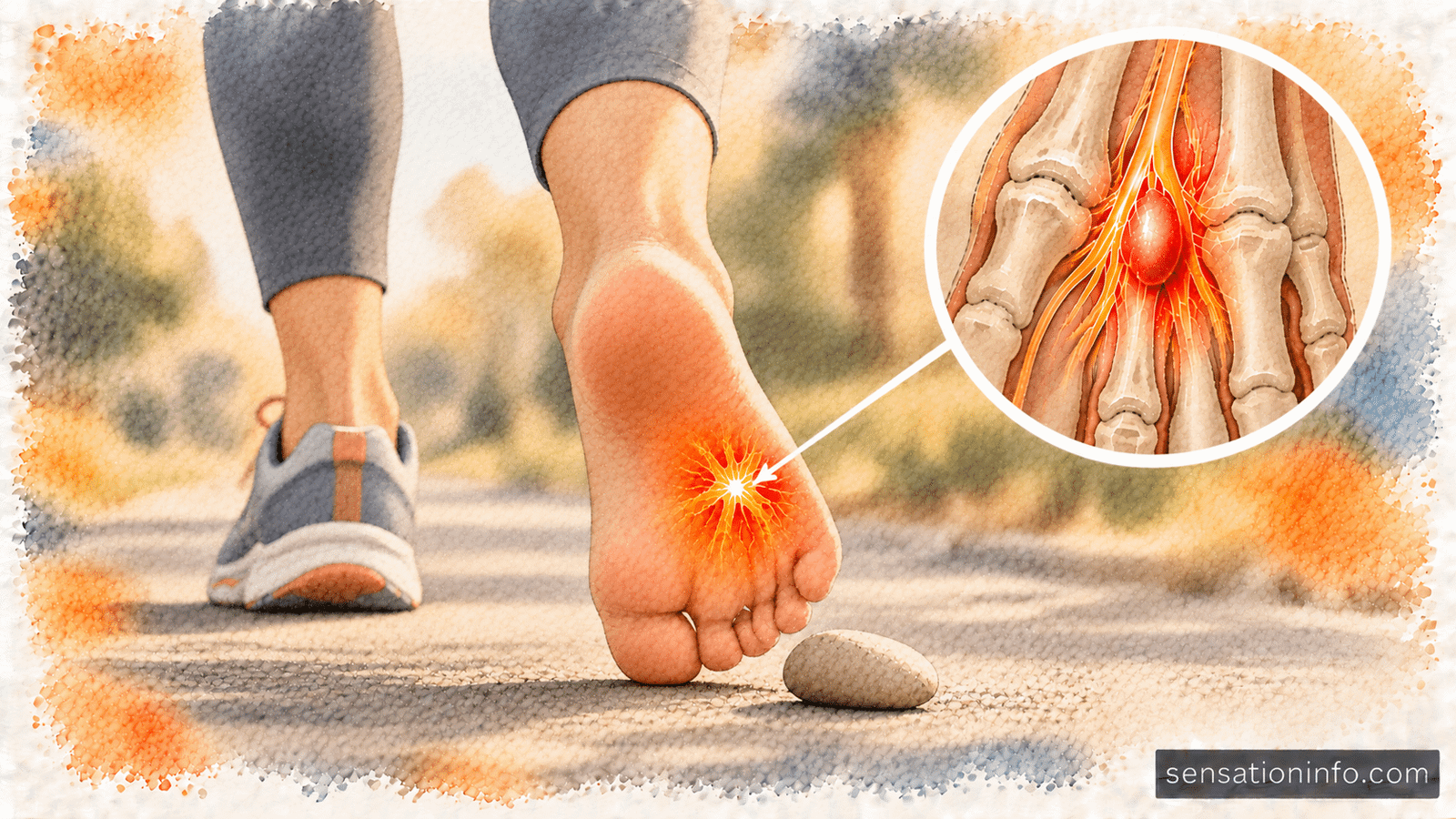
When a nerve gets squeezed or compressed, it cannot transmit signals properly. The result is tingling, numbness, or pain in the area that nerve supplies. While a single pinched nerve usually causes symptoms in one specific area, multiple compression points can create the impression of whole body tingling.
Common nerve compression conditions include:
- Carpal tunnel syndrome (compressed median nerve in the wrist, causing tingling in the hands)
- Cervical radiculopathy (pinched nerve in the neck, sending tingling down the arms)
- Sciatica (compressed nerve roots in the lower spine, causing tingling radiating down one or both legs)
- Spinal stenosis (narrowing of the spinal canal, which can compress multiple nerve roots and cause widespread symptoms)
Herniated discs are a frequent culprit. When the soft cushion between your vertebrae pushes out of place, it can press on nearby nerves. Depending on the location, this can cause tingling in arms, legs, or both.
Less Common but Serious Causes
Multiple Sclerosis
Multiple sclerosis (MS) is an autoimmune disease in which the body’s immune system attacks the myelin sheath protecting nerves in the brain and spinal cord. Numbness and tingling are among the earliest and most common symptoms of MS. According to NINDS, early MS symptoms often include tingling, numbness, or pain in the arms, legs, trunk, or face.
What makes MS related tingling distinctive is that it tends to appear in episodes (called relapses) and may affect unusual areas like a band around the torso, one side of the face, or a single limb. It often comes with other neurological symptoms such as vision changes, balance problems, fatigue, or muscle weakness.
MS is most commonly diagnosed in adults between 20 and 50 years old. If you notice recurring episodes of unexplained tingling along with any of these accompanying symptoms, a neurologist can use an MRI and other tests to evaluate whether MS may be the cause.
Guillain Barre Syndrome
Guillain Barre syndrome (GBS) is a rare but serious autoimmune condition in which the immune system attacks the peripheral nerves. It typically starts days or weeks after a respiratory or gastrointestinal infection.
The classic pattern is tingling that begins in the feet and legs and then rapidly ascends upward through the body over hours to days. According to NINDS, 90% of people with GBS reach their maximum weakness within three weeks of symptom onset. In severe cases, GBS can cause near total paralysis and interfere with breathing, making it a medical emergency.
The good news is that most people recover from even severe cases of GBS with proper hospital treatment, though some experience lingering weakness.
Autoimmune Conditions
Several autoimmune diseases can cause widespread pins and needles by attacking nerves or the tissues surrounding them:
- Lupus can inflame nerves throughout the body, causing tingling alongside joint pain, rashes, and fatigue
- Sjogren syndrome often causes small fiber neuropathy, leading to widespread burning and tingling
- Rheumatoid arthritis can compress nerves at joints, particularly in the wrists and hands
Diabetes and Pre Diabetes
Even before a formal diabetes diagnosis, elevated blood sugar can damage nerves. This is called pre diabetic neuropathy. According to NIH data, 10% to 20% of people are already experiencing diabetic peripheral neuropathy at the time of their initial diabetes diagnosis, meaning nerve damage was developing silently for months or years before the condition was identified.
If you have risk factors for diabetes, including being overweight, having a family history, or being over 45 years old, unexplained whole body tingling is a reason to get your fasting blood sugar and hemoglobin A1c tested.
Infections
Certain infections can directly damage nerves or trigger immune responses that affect them:
- Shingles (herpes zoster) can cause intense tingling, burning, and pain, typically along one nerve path, but post herpetic neuralgia can cause widespread nerve sensitivity
- Lyme disease transmitted by tick bites can cause tingling and numbness in multiple areas
- HIV can cause peripheral neuropathy, especially in later stages
- Syphilis in its later stages can damage nerves throughout the body
Medications and Toxins
Some medications list paresthesia as a side effect. If your tingling started around the same time as a new prescription, that connection is worth discussing with your doctor. Common culprits include:
- Chemotherapy drugs (especially platinum based agents and taxanes)
- Certain antibiotics (metronidazole, fluoroquinolones)
- Anti seizure medications
- Some blood pressure medications
- Excessive vitamin B6 supplementation (more than 200 mg daily)
Environmental toxins including lead, mercury, and arsenic can also cause nerve damage that produces whole body tingling. Long term, heavy alcohol use is another well recognized cause.
How to Tell the Difference: Normal vs. Concerning Pins and Needles
| Feature | Likely Harmless | Worth Investigating |
|---|---|---|
| Duration | Goes away in a few minutes | Lasts hours, days, or keeps returning |
| Trigger | Obvious cause (sat too long, slept on arm) | No clear cause |
| Location | One specific area | Multiple areas or both sides |
| Pattern | Random, infrequent | Progressive, getting worse over time |
| Other symptoms | None | Weakness, vision changes, balance issues, weight loss |
| Timing | Comes and goes briefly | Constant or worsening |
How Do Doctors Diagnose the Cause?
When you visit your doctor for persistent pins and needles, they will typically start with a detailed history. They will want to know when the tingling started, where you feel it, what makes it better or worse, and whether you have other symptoms.
Common diagnostic tests include:
- Blood tests to check for diabetes, vitamin deficiencies, thyroid function, autoimmune markers, and signs of infection
- Nerve conduction studies that measure how fast electrical signals travel through your nerves and can identify where damage is occurring
- Electromyography (EMG) to evaluate muscle and nerve function
- MRI of the brain or spine if your doctor suspects MS, spinal stenosis, or disc herniation
- Lumbar puncture in certain cases to look for signs of GBS or MS
According to Cleveland Clinic, bilateral tingling (affecting the same body part on both sides), frequent or constant paresthesia, and tingling without an obvious positional cause all warrant medical evaluation.
What Can You Do at Home?
While you should always see a doctor if your tingling is persistent, widespread, or worsening, some practical steps can help manage common causes:
For anxiety related tingling: Practice slow breathing. Inhale for 4 counts through your nose, hold for 4 counts, and exhale for 6 counts through your mouth. This restores your carbon dioxide levels and calms overexcited nerves.
For positional tingling: Change positions frequently. If you work at a desk, take movement breaks every 30 to 45 minutes. Avoid crossing your legs for extended periods.
For nutritional deficiency: If you are vegan, over 50, take acid reducing medications, or have had weight loss surgery, ask your doctor about testing your B12 levels. Foods rich in B12 include meat, fish, eggs, and fortified cereals.
For overall nerve health: Regular exercise improves circulation to your nerves. Managing blood sugar, even if you are not diabetic, protects nerve function. Limiting alcohol intake reduces a common source of nerve damage.
When Should You See a Doctor for Pins and Needles?
Make an appointment with your doctor if your tingling:
- Has lasted more than a few days without improvement
- Keeps coming back without an obvious cause like sleeping on your arm
- Affects both sides of your body at the same time
- Is gradually spreading or getting worse
- Comes with muscle weakness, difficulty walking, or clumsiness
- Is accompanied by unexplained weight loss, fatigue, or fever
- Started after beginning a new medication
Early diagnosis makes a significant difference for many of these conditions. Nerve damage from B12 deficiency can become permanent if untreated for too long. Diabetes related neuropathy progresses more slowly when blood sugar is well controlled. And conditions like GBS and MS respond best to treatment when caught early. Once your doctor identifies the cause, there are many effective ways to stop the tingling sensation and prevent further nerve damage.
Key Takeaways
- Pins and needles all over your body, called paresthesia, has many possible causes ranging from harmless to serious.
- Anxiety and hyperventilation are among the most common triggers for sudden, whole body tingling in otherwise healthy adults.
- Vitamin B12 deficiency, diabetes, and peripheral neuropathy are leading medical causes that simple blood tests can identify.
- Tingling that affects both sides equally, worsens over time, or comes with weakness, vision changes, or difficulty breathing needs prompt medical evaluation.
- Most causes of widespread pins and needles are treatable, especially when identified early.
- Never ignore tingling that starts in the feet and rapidly climbs upward, as this pattern can indicate Guillain Barre syndrome, which requires emergency care.
Frequently Asked Questions
Yes. Anxiety triggers hyperventilation, which lowers carbon dioxide in your blood and reduces available calcium ions. This makes your nerves overexcitable, causing tingling in your hands, feet, face, and sometimes your entire body. The sensation resolves once your breathing returns to normal. Slow, controlled breathing is the fastest way to stop it.
Nighttime tingling can be normal if it is caused by sleeping in a position that compresses a nerve, and it resolves within a few minutes of changing position. However, persistent nighttime tingling, especially in the hands and feet, may indicate peripheral neuropathy or carpal tunnel syndrome. Diabetic neuropathy in particular tends to worsen at night. If it happens regularly, see your doctor for evaluation.
Vitamin B12 deficiency is the most common nutritional cause of widespread tingling. B12 is essential for maintaining the protective myelin sheath around your nerves. Without enough B12, nerves misfire and produce tingling, numbness, and even balance problems. Other deficiencies that cause similar symptoms include vitamins B1, B6, vitamin E, and copper. A blood test can identify which nutrients you may be lacking.
Yes. High blood sugar damages the small blood vessels that supply oxygen to your nerves, leading to a condition called diabetic peripheral neuropathy. According to NIH data, 50% to 66% of people with diabetes will develop this complication. The tingling typically starts in the feet and hands and can gradually spread. Getting your fasting blood sugar and hemoglobin A1c tested is the first step if you suspect diabetes related tingling.
Doctor’s Recommendation
If you are trying to understand what is happening with your nerves and want a deeper look at how peripheral nerve damage works, what testing involves, and how different types of neuropathy are treated, our complete guide to neuropathy walks through the clinical details that can help you have a more informed conversation with your doctor.
References
- Cleveland Clinic. Paresthesia: What It Is, Causes, Symptoms & Treatment. Cleveland Clinic. 2024.
- National Institute of Neurological Disorders and Stroke. Peripheral Neuropathy Fact Sheet. NINDS. 2025.
- National Institute of Neurological Disorders and Stroke. Guillain Barre Syndrome. NINDS. 2025.
- National Institutes of Health. Vitamin B12 Deficiency. StatPearls. 2024.