
Introduction to Nerve Health
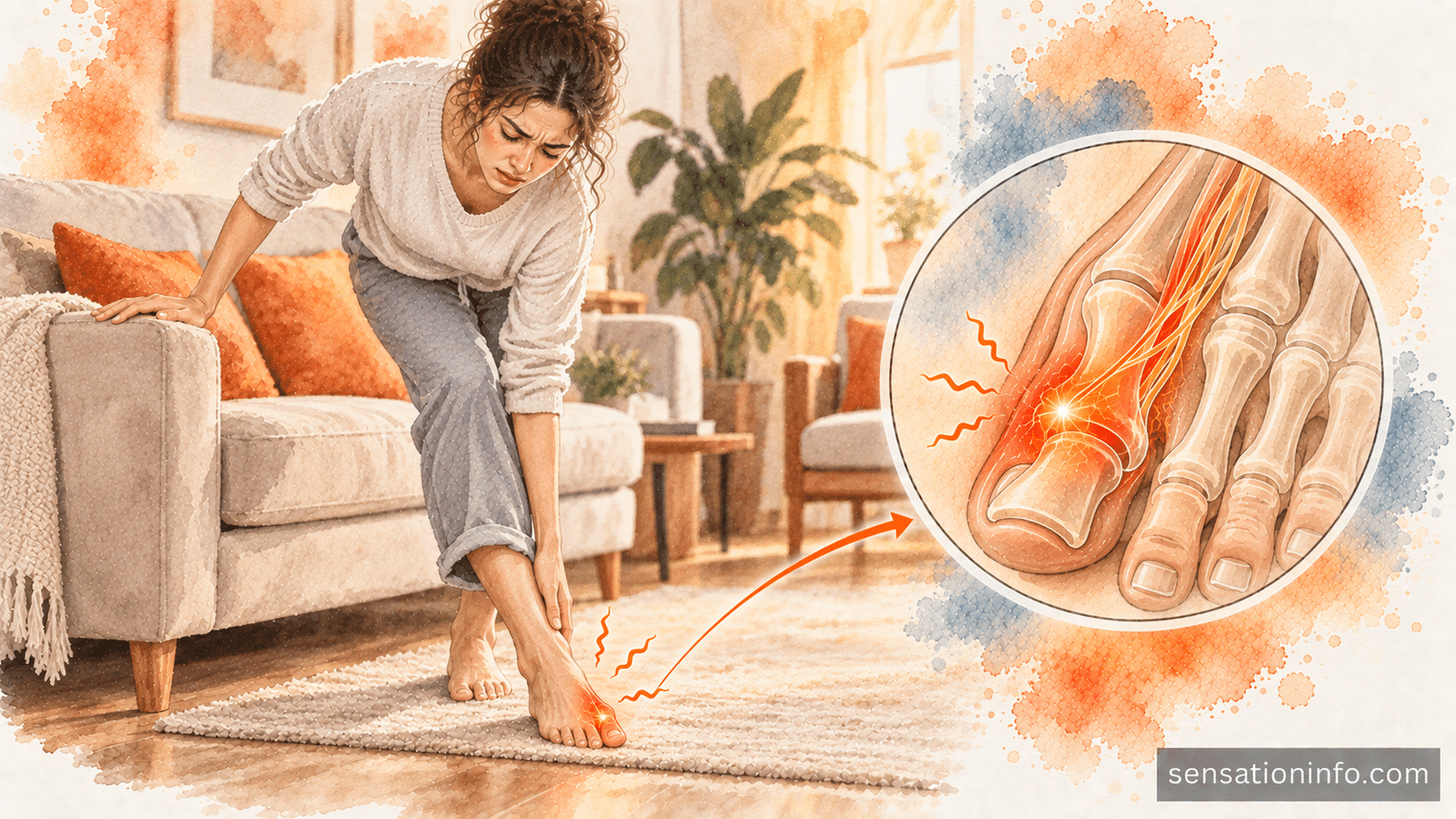
As a medical professional, I’ve seen many patients struggle with nerve health issues, from numbness and tingling to chronic pain and neuropathy. It’s heartbreaking to witness the impact these conditions can have on daily life. But I’m here to tell you that there is hope. By making informed choices about your diet, exercise routine, and lifestyle, you can take significant steps towards improving your nerve health naturally.
I remember a patient who came to me with severe neuropathy in her feet. She had tried various medications, but nothing seemed to work. Together, we worked on a comprehensive plan that included dietary changes, exercises, and supplements. Within a few months, she started to notice significant improvement in her symptoms. This experience reinforced my belief in the power of natural interventions for nerve health.
In this article, I’ll share my expertise on how to improve nerve health naturally. We’ll explore the importance of nutrition, exercise, supplements, lifestyle, sleep, and stress management in maintaining healthy nerves. My goal is to provide you with actionable tips and insights that you can start applying today.
Nutrition for Nerves
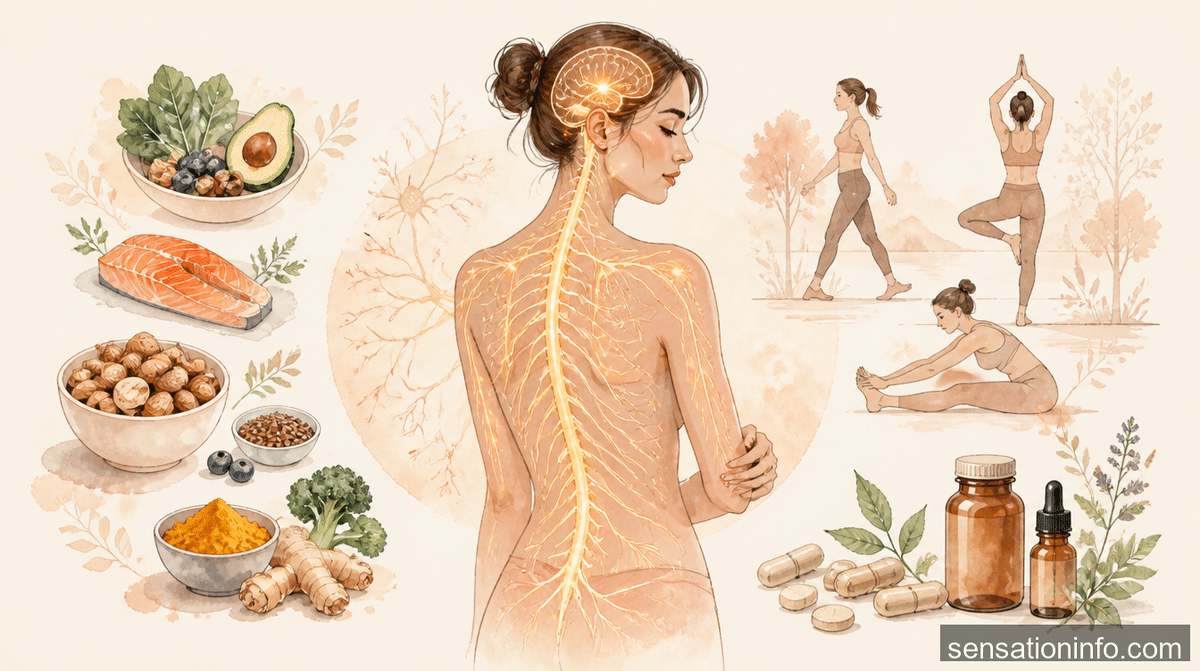
When it comes to nerve health, nutrition plays a critical role. Certain vitamins and nutrients are essential for maintaining healthy nerves and preventing damage. I always recommend that my patients focus on incorporating the following nutrients into their diet: B vitamins, omega-3 fatty acids, and alpha-lipoic acid.
B vitamins, particularly B6, B9, and B12, are crucial for nerve function and health. They help synthesize neurotransmitters and maintain the myelin sheath, the protective covering around nerve fibers. Foods rich in B vitamins include lean meats, fish, eggs, dairy products, and leafy green vegetables. I advise my patients to consume these foods regularly to support their nerve health.
Omega-3 fatty acids, found in fatty fish, flaxseeds, and walnuts, also play a vital role in nerve health. They help reduce inflammation and promote the growth of new nerve cells. Alpha-lipoic acid, an antioxidant found in broccoli, spinach, and yeast, has been shown to improve nerve function and reduce symptoms of neuropathy.

Exercises for Nerve Health
Exercise is another essential component of maintaining healthy nerves. Regular physical activity improves blood flow, reduces inflammation, and stimulates the growth of new nerve cells. I recommend a combination of aerobic exercise, strength training, and flexibility exercises to my patients.
Aerobic exercises, such as walking, cycling, or swimming, improve blood flow to the nerves and reduce inflammation. Strength training exercises, like weightlifting or bodyweight exercises, help build muscle mass and improve nerve function. Flexibility exercises, such as yoga or Pilates, enhance range of motion and reduce muscle tension.

Supplements for Nerve Health
While a balanced diet and regular exercise are essential for nerve health, supplements can also play a supportive role. Certain supplements, such as B vitamins, omega-3 fatty acids, and alpha-lipoic acid, can help fill nutritional gaps and promote nerve health.
I often recommend vitamin B12 supplements to my patients, especially those with neuropathy or nerve damage. Vitamin B12 deficiency is common, especially in older adults, and can exacerbate nerve health issues. Omega-3 supplements can also be beneficial, particularly for patients with inflammation or nerve pain.

Lifestyle Changes for Nerve Health
Lifestyle changes can have a significant impact on nerve health. I advise my patients to quit smoking, limit alcohol consumption, and manage stress levels. Smoking and excessive alcohol consumption can damage nerves and worsen nerve health issues. Chronic stress can also exacerbate nerve damage and impair nerve function.
Getting enough sleep is also crucial for nerve health. During sleep, our bodies repair and regenerate damaged nerves. I recommend aiming for 7-9 hours of sleep per night to support nerve health.
Sleep and Nerve Health
Sleep is essential for overall health, and nerve health is no exception. During sleep, our bodies repair and regenerate damaged nerves, and our brains process and consolidate memories. Chronic sleep deprivation can impair nerve function, exacerbate nerve damage, and increase the risk of neuropathy.
I advise my patients to establish a consistent sleep schedule, create a relaxing bedtime routine, and avoid stimulants before bedtime. A dark, quiet sleep environment can also help improve sleep quality and support nerve health.
Stress Management for Nerve Health
Chronic stress can have a devastating impact on nerve health. When we’re stressed, our bodies release stress hormones like cortisol and adrenaline, which can damage nerves and impair nerve function. I recommend stress-management techniques like meditation, yoga, or deep breathing exercises to my patients.
These techniques can help reduce stress levels, promote relaxation, and support nerve health. Regular exercise, social connections, and hobbies can also help manage stress and improve overall well-being.
Frequently Asked Questions
Poor nerve health can cause a range of symptoms, including numbness, tingling, pain, and weakness in the hands and feet. Some people may experience balance problems, dizziness, or difficulty walking. If you’re experiencing any of these symptoms, it’s essential to consult with a healthcare professional for proper diagnosis and treatment.
In some cases, nerve damage can be reversed or improved with proper treatment and lifestyle changes. However, the extent of recovery depends on the underlying cause and severity of the damage. I’ve seen patients with neuropathy or nerve damage make significant improvements with a comprehensive treatment plan that includes diet, exercise, supplements, and lifestyle changes.
The best exercises for nerve health are those that improve blood flow, reduce inflammation, and promote nerve function. Aerobic exercises, strength training, and flexibility exercises are all beneficial for nerve health. I recommend consulting with a healthcare professional or fitness expert to develop a personalized exercise plan that suits your needs and abilities.
While supplements can be beneficial for nerve health, they should not replace a balanced diet and healthy lifestyle. Certain supplements, such as B vitamins, omega-3 fatty acids, and alpha-lipoic acid, can help fill nutritional gaps and promote nerve health. However, it’s essential to consult with a healthcare professional before adding any supplements to your regimen.
The time it takes to see improvements in nerve health varies depending on the underlying cause and severity of the damage. With a comprehensive treatment plan that includes diet, exercise, supplements, and lifestyle changes, some people may start to notice improvements within a few weeks or months. However, it’s essential to be patient and consistent with your treatment plan, as nerve health can take time to improve.
Final Thoughts
Improving nerve health naturally requires a comprehensive approach that includes diet, exercise, supplements, lifestyle changes, sleep, and stress management. By making informed choices and incorporating these strategies into your daily life, you can take significant steps towards maintaining healthy nerves and preventing nerve damage.
As a medical professional, I’ve seen the positive impact that natural interventions can have on nerve health. I encourage you to take control of your nerve health by making lifestyle changes, seeking professional guidance, and being patient and consistent with your treatment plan. Remember, every small step counts, and with the right approach, you can improve your nerve health and enhance your overall well-being.
In conclusion, improving nerve health naturally is a journey that requires dedication, patience, and the right guidance. I hope this article has provided you with valuable insights and actionable tips to support your nerve health. By working together and making informed choices, we can promote healthy nerves and improve overall well-being.
Article written by Dr. Peeyush Kumawat at Sensationinfo.com