
Understanding the Difference
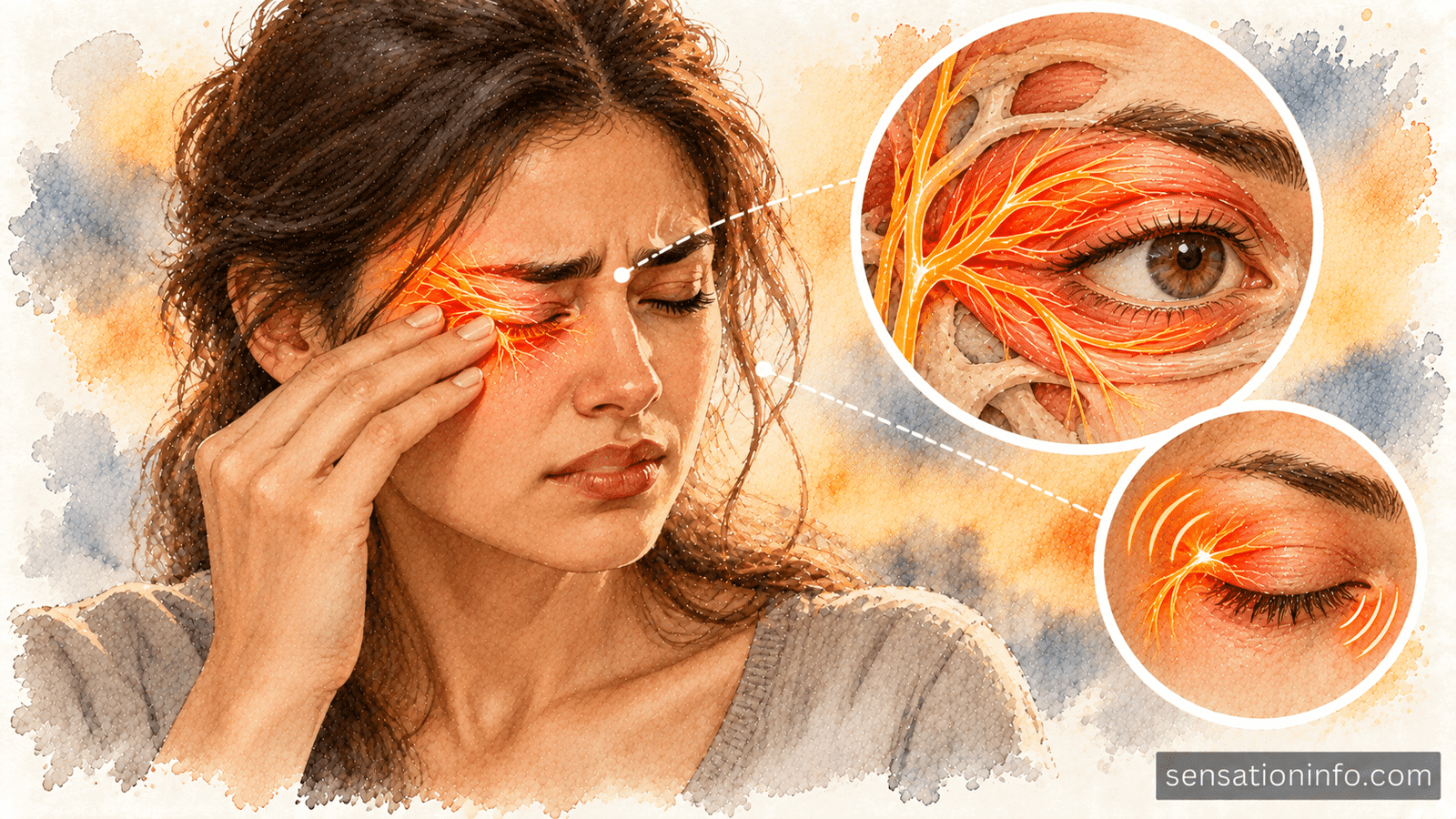
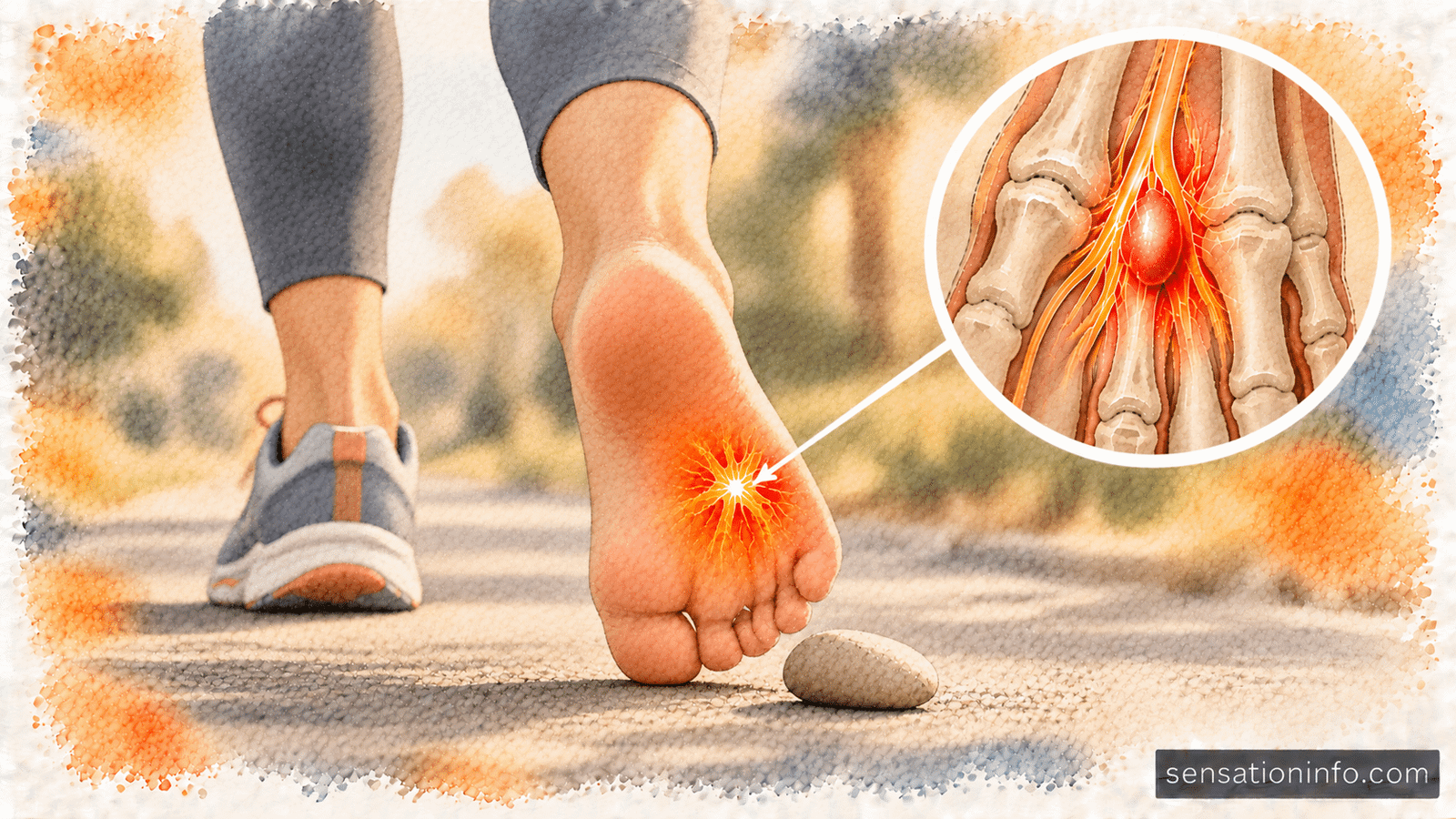
As a medical professional, I’ve seen many patients struggling to determine whether their tingling sensations are related to anxiety or nerve damage. This confusion is understandable, given that both conditions can manifest with similar symptoms. In this article, I’ll guide you through a decision checklist, symptoms checklist, and provide a comprehensive overview of the causes, treatment options, and prevention tips for both anxiety and nerve damage-related tingling.
I recall a patient who recently came to my office, panicked about the persistent tingling sensation in her hands and feet. After a thorough examination, we discovered that her symptoms were primarily linked to anxiety. However, it’s crucial to approach such cases with caution, as tingling can also be a sign of underlying nerve damage. My goal is to empower you with the knowledge to distinguish between these two conditions and seek appropriate medical attention when necessary.
To begin, let’s consider a quick-answer summary: if you’re experiencing tingling sensations accompanied by feelings of anxiety, panic, or stress, it’s possible that your symptoms are anxiety-related. On the other hand, if your tingling is persistent, worsens over time, or is accompanied by numbness, weakness, or pain, nerve damage might be the underlying cause. However, it’s essential to consult a medical professional for an accurate diagnosis, as the symptoms can overlap.
Decision Checklist
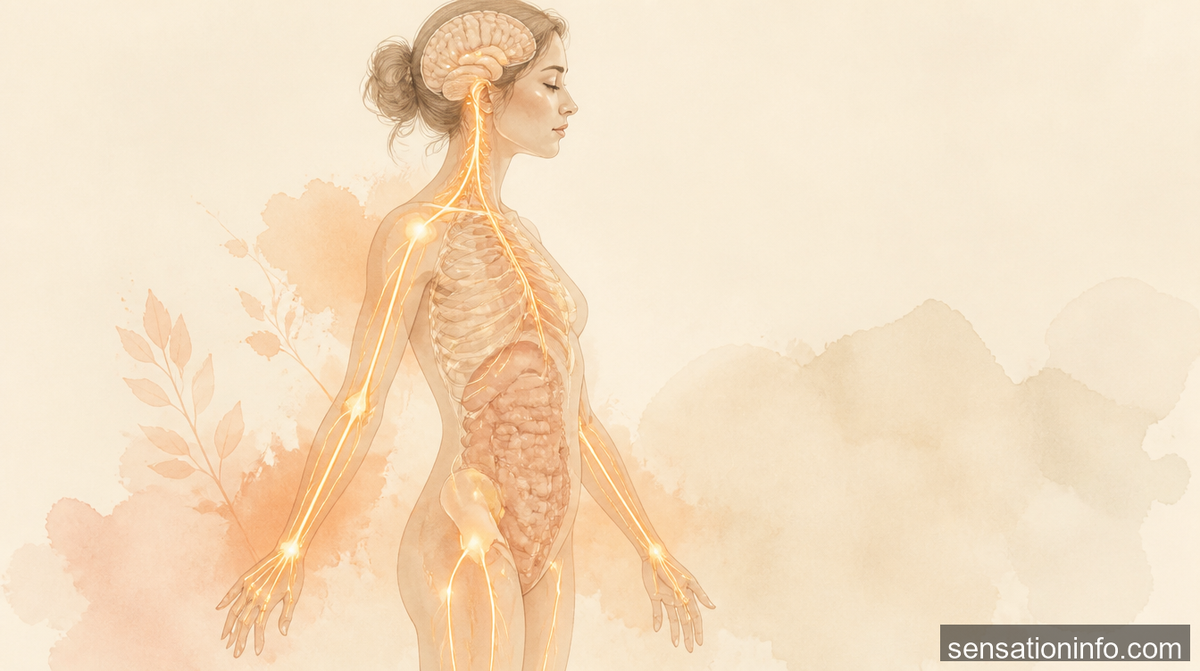
To help you determine whether your tingling is related to anxiety or nerve damage, I’ve compiled a decision checklist:
- Duration and Frequency: How long have you been experiencing tingling sensations, and how often do they occur?
- sub-point a: Are the sensations constant or intermittent?
- sub-point b: Do they worsen over time or remain stable?
- Triggering Factors: Are there specific situations, emotions, or activities that trigger or exacerbate your tingling sensations?
- sub-point a: Do you experience tingling during periods of high stress or anxiety?
- sub-point b: Are there any physical activities that trigger your symptoms?
- Associated Symptoms: Do you experience any other symptoms alongside tingling, such as numbness, weakness, pain, or mood changes?
- sub-point a: Have you noticed any changes in your mood, such as anxiety, depression, or irritability?
- sub-point b: Are there any physical symptoms, like pain or weakness, that accompany your tingling?
Symptoms Checklist
Now, let’s delve into the specific symptoms associated with anxiety and nerve damage-related tingling:
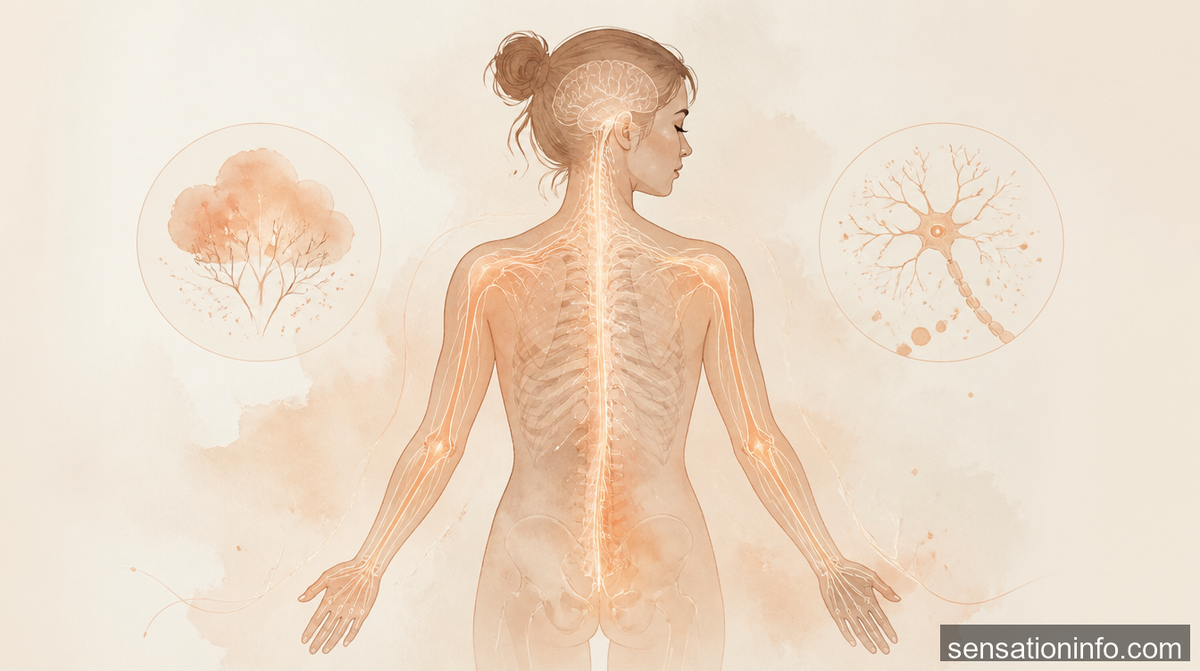
- Anxiety-related tingling: typically characterized by transient, episodic tingling sensations that may be accompanied by feelings of anxiety, panic, or stress. Other symptoms might include rapid heartbeat, sweating, and shortness of breath.
- Nerve damage-related tingling: often marked by persistent, worsening tingling sensations that can be accompanied by numbness, weakness, pain, or muscle atrophy. Other symptoms might include tremors, muscle spasms, or difficulty with coordination and balance.
Causes
To better understand the underlying causes of tingling, let’s explore the potential triggers for both anxiety and nerve damage-related symptoms:
- Anxiety: can be caused by a variety of factors, including genetics, environmental influences, and brain chemistry imbalances. Anxiety disorders, such as generalized anxiety disorder or panic disorder, can manifest with physical symptoms like tingling.
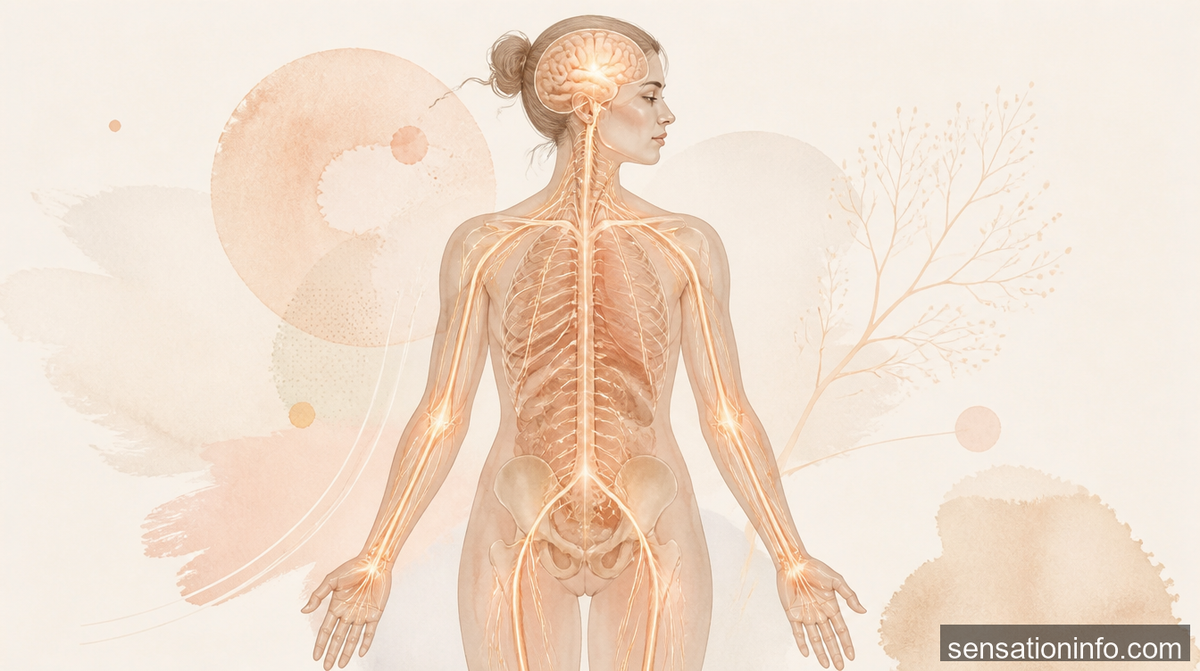
- Nerve damage: can result from various factors, including trauma, infection, metabolic disorders, or exposure to toxins. Conditions like peripheral neuropathy, multiple sclerosis, or radiculopathy can cause nerve damage, leading to tingling sensations.
Step-by-Step Treatment
If you’re experiencing tingling sensations, it’s essential to seek medical attention to determine the underlying cause. Here’s a step-by-step approach to treatment:
- Medical evaluation: consult a healthcare professional for a thorough examination and diagnosis.
- Anxiety management: if your tingling is related to anxiety, your doctor may recommend therapies like cognitive-behavioral therapy (CBT), medication, or relaxation techniques.
- Nerve damage treatment: if your tingling is caused by nerve damage, your doctor may prescribe medication to manage symptoms, recommend physical therapy, or suggest lifestyle changes to slow disease progression.
Home Remedies
In addition to medical treatment, there are several home remedies that can help alleviate tingling sensations:
- Stress reduction techniques: practice relaxation techniques like deep breathing, meditation, or yoga to reduce anxiety and stress.
- Exercise and physical activity: engage in regular exercise to improve circulation, reduce stress, and promote overall well-being.
- Nutritional changes: maintain a balanced diet rich in essential nutrients, including vitamins B12 and D, to support nerve health.
Prevention Tips
To prevent or reduce the risk of tingling sensations, consider the following tips:
- Maintain a healthy lifestyle: engage in regular exercise, eat a balanced diet, and manage stress through relaxation techniques.
- Avoid harmful substances: limit or avoid exposure to toxins, such as heavy metals or certain chemicals, which can damage nerves.
- Manage underlying conditions: if you have a pre-existing medical condition, such as diabetes or multiple sclerosis, work with your healthcare provider to manage your condition and prevent nerve damage.
Frequently Asked Questions
Tingling sensations can be caused by a variety of factors, including anxiety, nerve damage, vitamin deficiencies, or certain medical conditions. It’s essential to consult a healthcare professional to determine the underlying cause of your symptoms.
While anxiety can cause tingling sensations, it is unlikely to lead to permanent nerve damage. However, chronic anxiety can exacerbate underlying conditions, such as nerve damage, and worsen symptoms over time.
To differentiate between the two, consider the duration and frequency of your symptoms, as well as any associated symptoms like numbness, weakness, or pain. If you’re unsure, consult a healthcare professional for a thorough evaluation and diagnosis.
Effective treatments for anxiety-related tingling may include cognitive-behavioral therapy (CBT), medication, or relaxation techniques like deep breathing or meditation. Consult a healthcare professional to determine the best course of treatment for your specific needs.
In some cases, nerve damage can be reversed or improved with proper treatment and management. However, the extent of recovery depends on the underlying cause and severity of the damage. Consult a healthcare professional to discuss your specific situation and treatment options.
When to See a Doctor
If you’re experiencing persistent, worsening, or severe tingling sensations, it’s essential to seek medical attention. Additionally, if you’re unsure about the cause of your symptoms or have concerns about your overall health, consult a healthcare professional for guidance.
Sources
For more information on anxiety and nerve damage-related tingling, consult reputable sources like the National Institute of Mental Health (NIMH) or the American Academy of Neurology (AAN).
Self-Test Steps
To better understand your symptoms and determine whether you should seek medical attention, follow these self-test steps:
- Track your symptoms: keep a journal or log to track the frequency, duration, and intensity of your tingling sensations.
- Identify triggers: pay attention to any factors that trigger or exacerbate your symptoms.
- Assess associated symptoms: note any other symptoms that accompany your tingling sensations, such as numbness, weakness, or pain.
- Consult a healthcare professional: if you’re unsure about the cause of your symptoms or have concerns about your overall health, seek medical attention for a thorough evaluation and diagnosis.
Final Thoughts
In conclusion, determining whether your tingling sensations are related to anxiety or nerve damage requires a thorough understanding of the underlying causes and symptoms. By following the decision checklist, symptoms checklist, and step-by-step treatment approach outlined in this article, you can better understand your condition and seek appropriate medical attention. Remember, it’s essential to consult a healthcare professional for an accurate diagnosis and personalized treatment plan.
As a medical professional, I want to emphasize the importance of seeking medical attention if you’re experiencing persistent, worsening, or severe tingling sensations. With proper diagnosis and treatment, you can manage your symptoms and improve your overall quality of life. Don’t hesitate to reach out to a healthcare professional if you have any concerns or questions about your tingling sensations.
Article written by Dr Peeyush Kumawat at Sensationinfo.com