
Introduction to Tingling Sensations
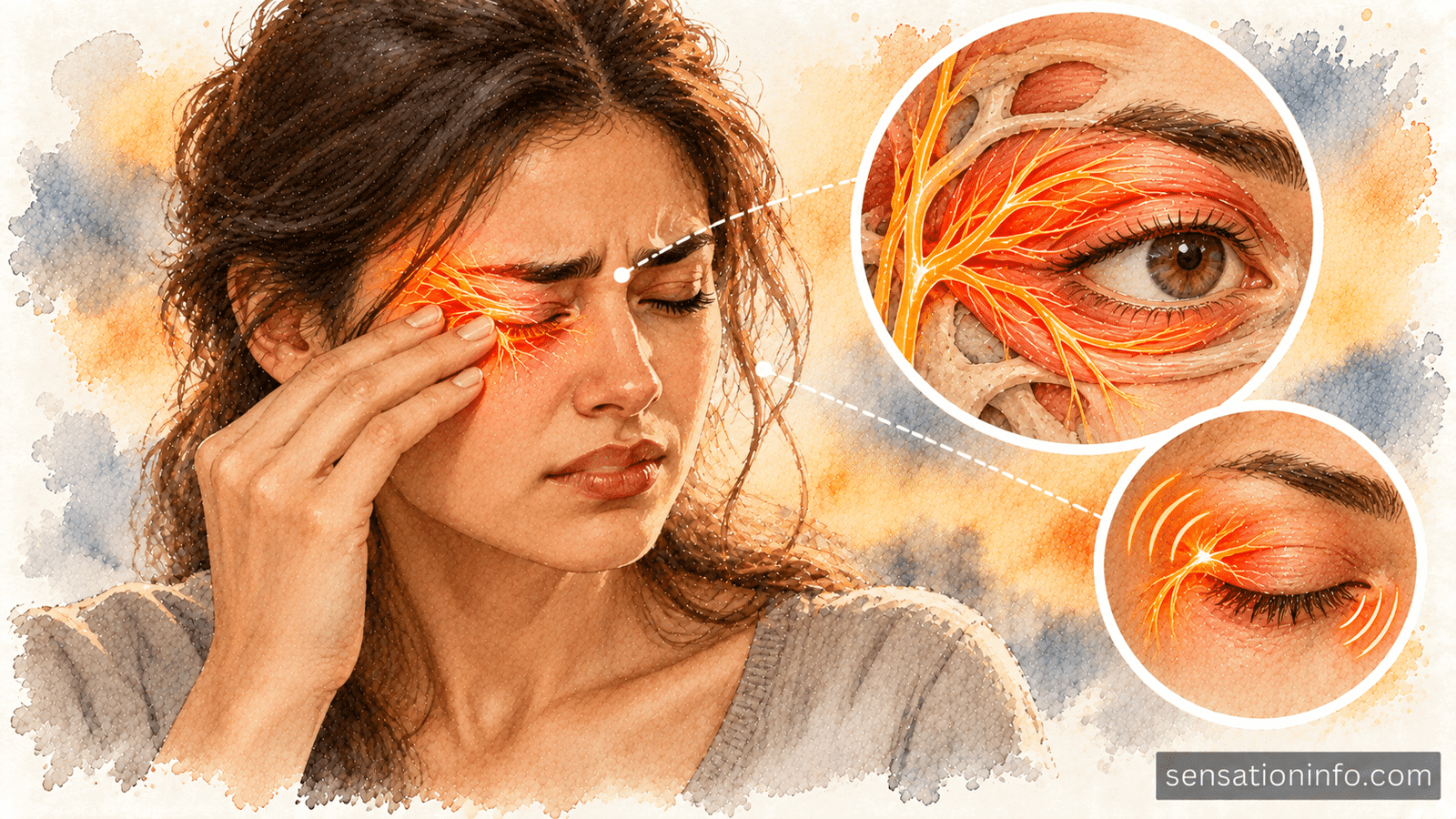
As a medical professional, I’ve encountered numerous patients complaining of a tingling sensation in their body. This condition can be quite discomforting and may interfere with daily activities. I recall a patient who experienced persistent tingling in her hands, making it difficult for her to perform simple tasks like cooking or even holding a pen. Her story is not unique, and I’m sure many of you can relate to the frustration and helplessness that comes with this condition. In this article, I’ll share my expertise on how to stop tingling sensation in the body, exploring the possible causes, symptoms, and most importantly, the effective solutions.
Understanding Tingling Sensations
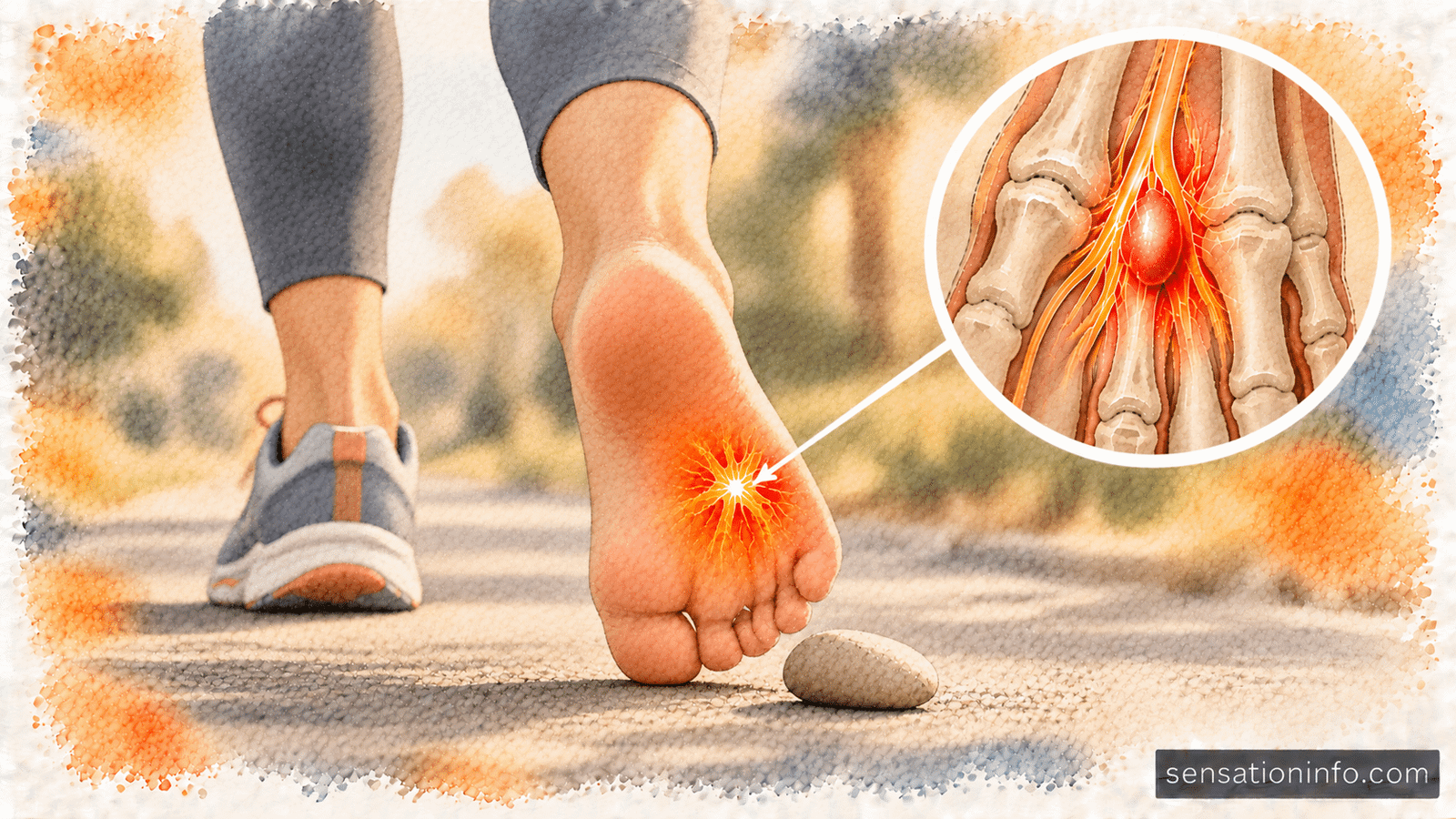
The tingling sensation, also known as paresthesia, is a common condition characterized by a feeling of numbness, prickling, or burning in different parts of the body. It can occur in the hands, feet, arms, or legs, and in some cases, it may affect the face or torso. I’ve seen patients experience tingling sensations that are mild and temporary, while others have reported severe and persistent symptoms. As a doctor, it’s essential to understand that tingling sensations can be a symptom of an underlying medical condition, and therefore, it’s crucial to identify the root cause to develop an effective treatment plan.
Possible Causes of Tingling Sensations
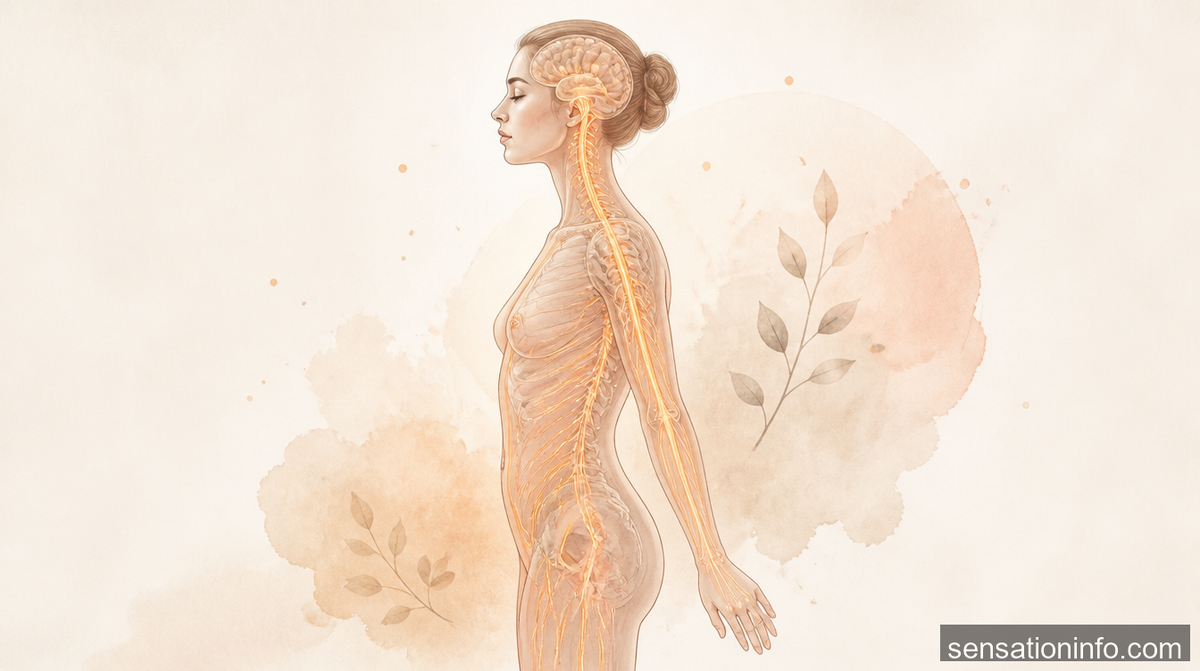
There are numerous possible causes of tingling sensations, and I’ll outline some of the most common ones. These include:
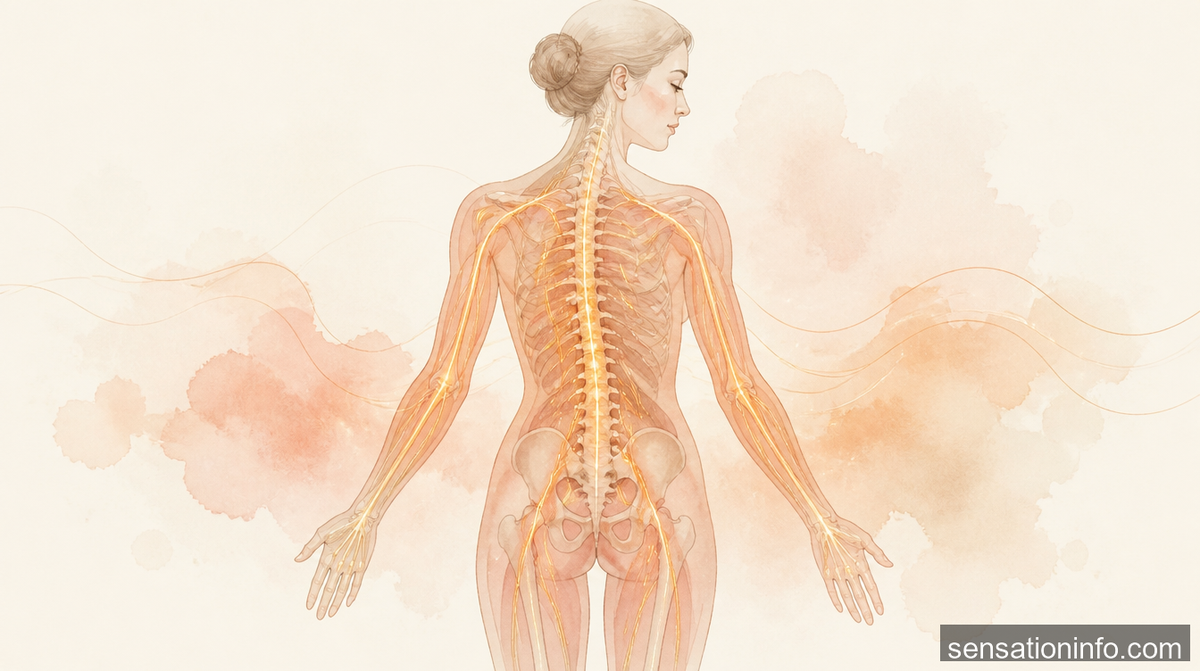
- Nerve damage or compression: When the nerves are damaged or compressed, it can disrupt the communication between the nerves and the brain, leading to tingling sensations.
- Vitamin deficiencies: Deficiencies in vitamins like B12, B6, or B1 can cause tingling sensations, especially in the hands and feet.
- Diabetes: High blood sugar levels can damage the nerves, leading to tingling sensations.
- Multiple sclerosis: This condition can cause damage to the nerves, resulting in tingling sensations.
- Hypothyroidism: An underactive thyroid gland can cause tingling sensations, among other symptoms.
Symptoms of Tingling Sensations
The symptoms of tingling sensations can vary from person to person, but common symptoms include:
- Numbness or tingling in different parts of the body
- Burning or prickling sensations
- Weakness or fatigue in the affected area
- Pain or discomfort in the affected area
- Difficulty moving the affected area
How to Stop Tingling Sensation in Body
Now that we’ve explored the possible causes and symptoms of tingling sensations, let’s discuss the effective solutions. As a doctor, I recommend the following steps to stop tingling sensation in the body:
- Maintain a healthy diet: Eating a balanced diet rich in essential nutrients, especially vitamins B12, B6, and B1, can help alleviate tingling sensations.
- Exercise regularly: Regular exercise can help improve blood flow and reduce pressure on the nerves.
- Manage stress: Stress can exacerbate tingling sensations, so it’s essential to engage in stress-reducing activities like meditation or yoga.
- Get enough sleep: Adequate sleep is crucial for nerve health, and I recommend aiming for 7-8 hours of sleep per night.
- Avoid smoking and excessive alcohol consumption: Both smoking and excessive alcohol consumption can damage the nerves and worsen tingling sensations.
Medical Treatment for Tingling Sensations
In some cases, medical treatment may be necessary to manage tingling sensations. As a doctor, I may prescribe medications to alleviate symptoms, such as:
- Pain relievers: To manage pain and discomfort associated with tingling sensations.
- Antidepressants: To help manage nerve pain and discomfort.
- Muscle relaxants: To relieve muscle tension and spasms.
Alternative Therapies for Tingling Sensations
In addition to medical treatment, alternative therapies can also be effective in managing tingling sensations. These include:
- Acupuncture: A traditional Chinese medicine technique that involves inserting thin needles into specific points on the body to stimulate healing and relieve pain.
- Massage therapy: Gentle massage can help improve blood flow and reduce pressure on the nerves.
- Physical therapy: A therapist can help you develop exercises to improve mobility and reduce pain.
Frequently Asked Questions
Tingling sensations can be caused by a variety of factors, including nerve damage or compression, vitamin deficiencies, diabetes, multiple sclerosis, and hypothyroidism. It’s essential to consult with a doctor to determine the underlying cause of your tingling sensations.
To stop tingling sensations in your hands and feet, I recommend maintaining a healthy diet, exercising regularly, managing stress, and getting enough sleep. Additionally, avoiding smoking and excessive alcohol consumption can help alleviate symptoms.
In some cases, tingling sensations can be a symptom of a serious medical condition, such as multiple sclerosis or diabetes. However, in many cases, tingling sensations are mild and temporary, and can be managed with lifestyle changes and medical treatment.
Yes, alternative therapies like acupuncture, massage therapy, and physical therapy can be effective in managing tingling sensations. These therapies can help improve blood flow, reduce pressure on the nerves, and alleviate pain and discomfort.
The duration of tingling sensations can vary depending on the underlying cause and the effectiveness of treatment. In some cases, symptoms can resolve quickly, while in other cases, it may take several months or even years to manage symptoms.
Final Thoughts
As a doctor, I understand that tingling sensations can be a frustrating and discomforting condition. However, with the right treatment and lifestyle changes, it’s possible to manage symptoms and improve quality of life. I recommend consulting with a doctor to determine the underlying cause of your tingling sensations and develop an effective treatment plan. Additionally, maintaining a healthy diet, exercising regularly, managing stress, and getting enough sleep can help alleviate symptoms. Remember, it’s essential to prioritize your health and seek medical attention if you experience persistent or severe tingling sensations.
In conclusion, tingling sensations are a common condition that can be managed with the right approach. By understanding the possible causes and symptoms, and by following the effective solutions outlined in this article, you can take the first step towards alleviating tingling sensations and improving your overall health. As a medical professional, I’m committed to providing you with the most accurate and up-to-date information to help you make informed decisions about your health. I hope this article has been helpful, and I encourage you to consult with a doctor if you have any further questions or concerns.
Article written by Dr Peeyush Kumawat at Sensationinfo.com