
Introduction to Sensation and Perception
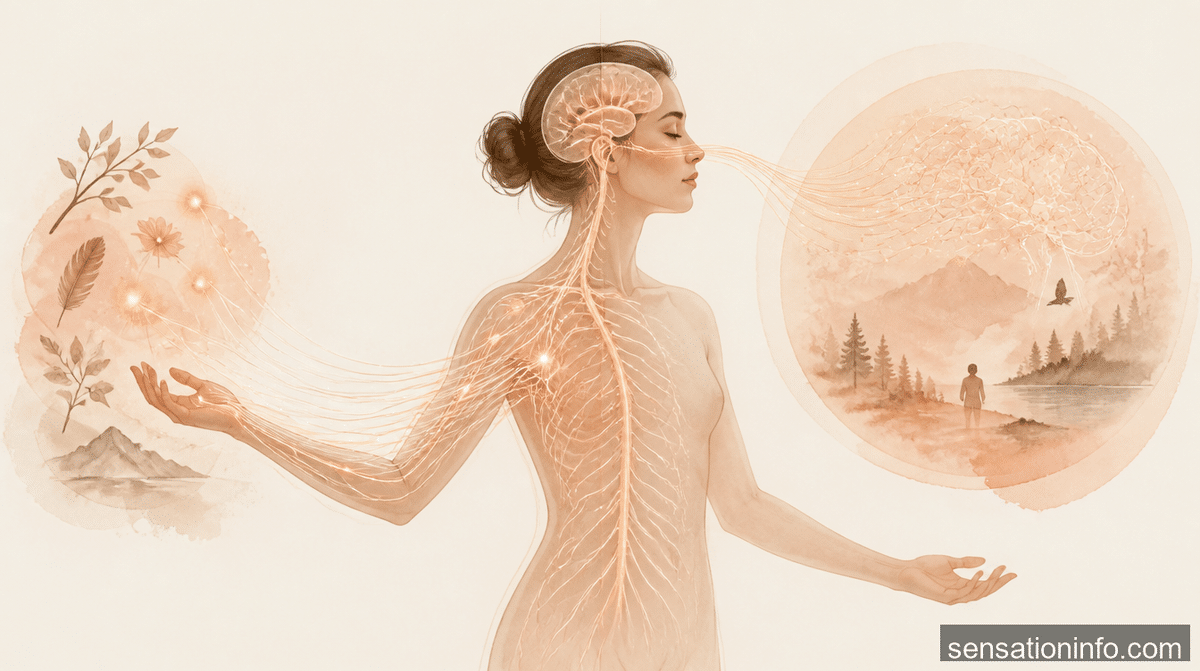
As a medical professional, I’ve often found myself explaining the difference between sensation and perception to my patients. It’s a fundamental concept in understanding how our brains process information from the world around us. In this article, I’ll delve into the nuances of sensation and perception, exploring what they are, how they differ, and why it matters.
I recall a patient who was experiencing persistent pain in her arm, but when we ran the tests, there was no apparent physical damage. This scenario highlights the complex relationship between sensation and perception. Sensation refers to the raw data our senses collect from the environment, whereas perception is the interpretation of that data. In my patient’s case, her brain was perceiving pain, even though the sensory input didn’t necessarily warrant it.
To understand the distinction, let’s consider a simple example. When you touch a hot stove, the sensory receptors in your skin detect the heat and send signals to your brain. This is an example of sensation. However, it’s your perception that interprets those signals as pain, prompting you to withdraw your hand. This interplay between sensation and perception is crucial in how we navigate and interact with the world.
What is Sensation?
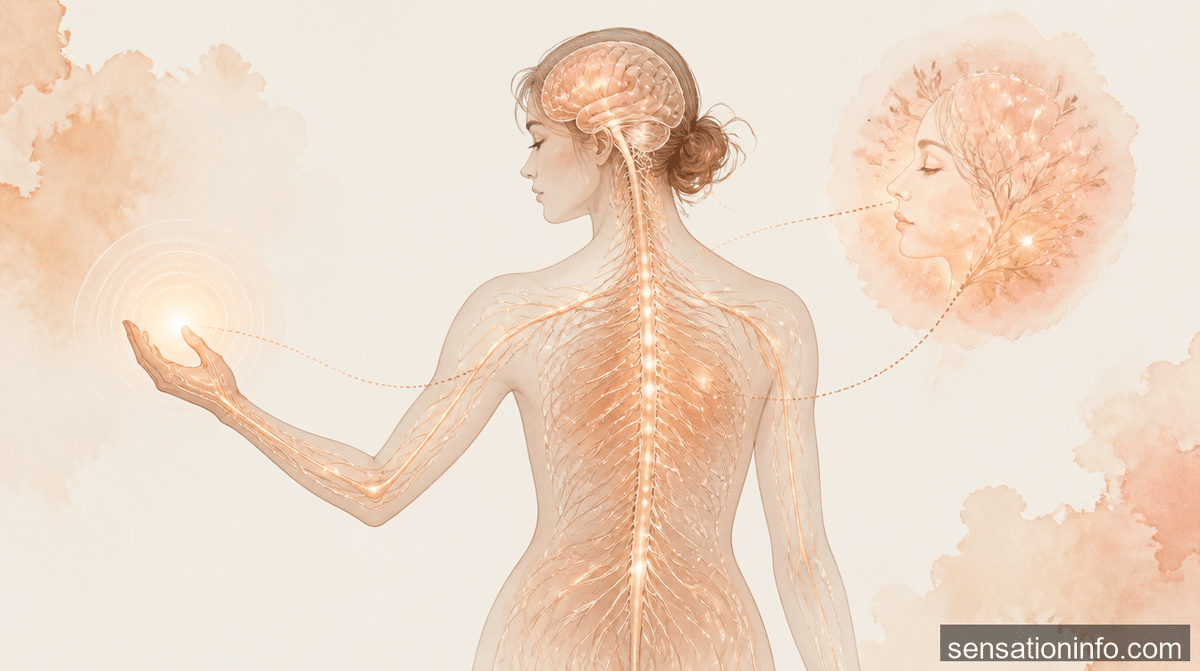
Sensation is the process by which our senses gather information from the environment. It’s the raw, uninterpreted data that our brains receive from sensory receptors. These receptors are specialized cells that can detect various stimuli, such as light, sound, touch, taste, and smell. When these receptors are activated, they send signals to the brain, which then interprets those signals.
There are several types of sensory receptors, each sensitive to different types of stimuli. For example, mechanoreceptors respond to mechanical pressure or vibration, while chemoreceptors respond to chemical stimuli, such as odors or tastes. The variety of these receptors allows us to experience a wide range of sensations, from the feeling of sand between our toes to the taste of our favorite dessert.
What is Perception?
Perception, on the other hand, is the process by which the brain interprets sensory information. It’s how we make sense of the world around us, giving meaning to the raw data provided by our senses. Perception is a complex process that involves not just the sensory input but also our past experiences, expectations, and emotions.
Perception can be influenced by various factors, including attention, motivation, and past experiences. For instance, if you’re walking through a forest and you’re afraid of snakes, you’re more likely to perceive a stick as a snake. This shows how our perceptions can be shaped by our internal state and expectations, rather than just the external reality.
The Difference Between Sensation and Perception
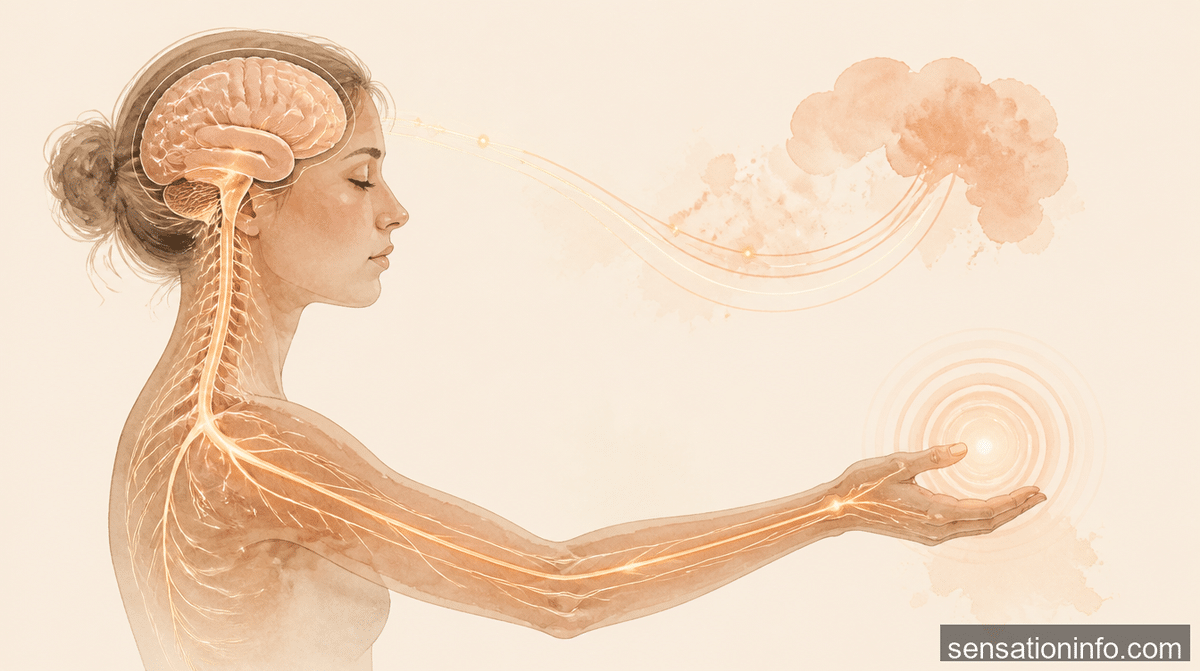
The key difference between sensation and perception is the level of interpretation involved. Sensation is the direct result of sensory stimulation, whereas perception is the brain’s interpretation of that stimulation. While sensation is a more objective process, perception is subjective and can vary greatly from person to person.
To illustrate this difference, consider the example of a person who is colorblind. They may have a different perception of the color red compared to someone with typical color vision, even though the sensation (the physical stimulation of light) is the same. This highlights how perception can differ significantly, even when the sensation is identical.
Factors Influencing Perception
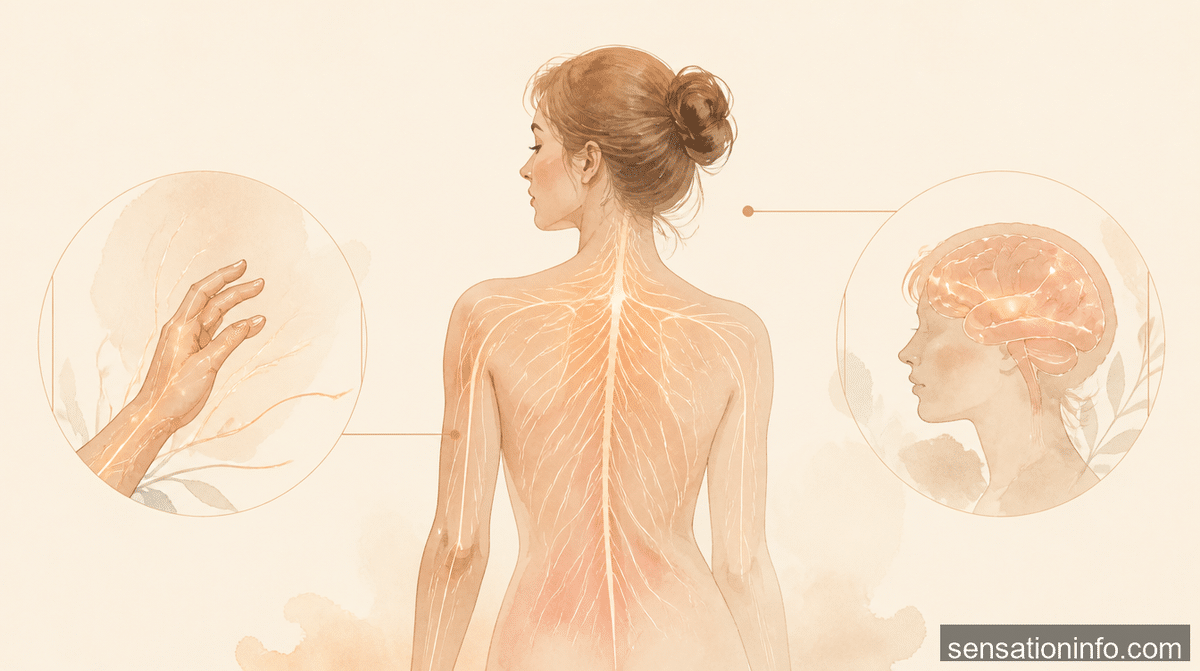
Several factors can influence our perception, including attention, expectations, past experiences, and emotions. Attention plays a significant role in perception, as it determines what sensory information we focus on and what we ignore. Our expectations can also shape our perceptions, as we tend to see what we expect to see.
Past experiences are another crucial factor, as they can influence how we interpret sensory information. For example, if you’ve had a negative experience with a particular food, you may perceive its taste as unpleasant, even if others find it enjoyable. Emotions can also significantly impact perception, with stress, anxiety, or fear altering how we interpret sensory information.
The Role of the Brain in Sensation and Perception
The brain plays a central role in both sensation and perception. It’s the brain that interprets the signals from sensory receptors, creating our experience of the world. The brain’s ability to reorganize itself in response to new experiences or learning is known as neuroplasticity, and it’s essential for adapting to changes in our environment.
The brain’s processing of sensory information is incredibly complex, involving multiple pathways and areas. The primary sensory cortices are responsible for processing basic sensory information, while higher-level areas are involved in more complex processing and interpretation. The integration of sensory information from multiple sources allows us to perceive the world in a unified and coherent way.
Implications for Health and Wellness
Understanding the difference between sensation and perception has significant implications for health and wellness. In the context of pain management, for example, it’s essential to address both the sensory and perceptual components of pain. While medication can help reduce the sensory input, cognitive-behavioral therapy can help alter the perception of pain, making it more manageable.
In mental health, the distinction between sensation and perception can inform treatment approaches. For individuals with anxiety disorders, for example, therapy may focus on changing their perception of threatening stimuli, rather than trying to eliminate the sensory input altogether.
Conclusion
In conclusion, the difference between sensation and perception is fundamental to understanding how we experience the world. Sensation provides the raw data, while perception interprets that data, giving it meaning and context. By recognizing the distinction between these two processes, we can better appreciate the complex and dynamic nature of human experience.
As a medical professional, I’ve seen firsthand how this understanding can inform treatment approaches and improve patient outcomes. By addressing both the sensory and perceptual components of a condition, we can provide more comprehensive and effective care. I hope this article has provided a deeper understanding of the fascinating world of sensation and perception, and how it impacts our daily lives.
Frequently Asked Questions
The relationship between sensation and perception is that sensation provides the raw sensory data, while perception interprets that data, giving it meaning and context. This interplay is essential for us to navigate and interact with the world.
Yes, sensation can occur without perception. For example, if you’re asleep, you may still be receiving sensory input from your environment, but your brain isn’t interpreting it. This highlights the distinction between the raw sensory data and the interpretation of that data.
Attention plays a significant role in perception, as it determines what sensory information we focus on and what we ignore. By selectively attending to certain stimuli, we can influence how we perceive the world.
Yes, perception can be changed or influenced by various factors, including past experiences, expectations, and emotions. This is evident in phenomena such as placebo effects, where our perception of a treatment’s effectiveness can influence its actual effectiveness.
The brain plays a central role in both sensation and perception, interpreting the signals from sensory receptors and creating our experience of the world. The brain’s ability to reorganize itself in response to new experiences or learning is essential for adapting to changes in our environment.
Final Thoughts
As we conclude our exploration of the difference between sensation and perception, I want to emphasize the significance of this distinction in our daily lives. By recognizing the complex interplay between sensation and perception, we can gain a deeper understanding of ourselves and the world around us. Whether it’s managing pain, addressing mental health, or simply navigating our environment, this understanding can inform our approaches and improve our outcomes.
In the end, the difference between sensation and perception is a reminder of the dynamic and multifaceted nature of human experience. As we continue to explore and learn more about the intricate processes that underlie our experiences, we can refine our approaches to health and wellness, ultimately leading to better lives for ourselves and those around us.
Article written by Dr Peeyush Kumawat at Sensationinfo.com