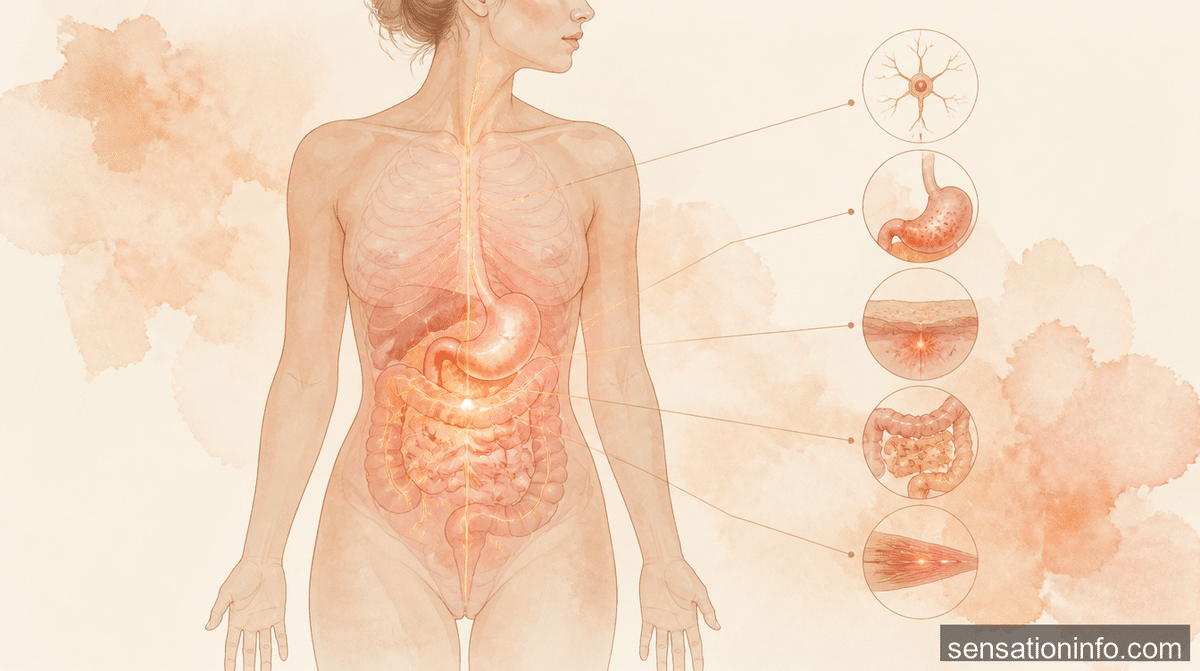

What Causes Burning Sensation in Abdomen
Understanding the Mystery of Abdominal Discomfort
As a medical professional, I’ve encountered numerous patients who’ve complained about a burning sensation in their abdomen. This symptom can be quite distressing, and it’s essential to understand its underlying causes. In this article, I’ll delve into the possible reasons behind this burning sensation, and I’ll provide you with insight into how to manage and prevent it.
When patients come to me with abdominal discomfort, I always ask them to describe their symptoms in detail. The burning sensation can be constant or intermittent, and it may be accompanied by other symptoms like bloating, gas, or changes in bowel movements. I’ve seen how this symptom can affect a person’s quality of life, making it challenging to enjoy daily activities or even get a good night’s sleep.
As I explore the possible causes of this burning sensation, I’ll share some real-life examples from my medical practice. I’ve found that understanding the root cause of the symptom is crucial in developing an effective treatment plan. So, let’s dive into the world of abdominal discomfort and uncover the mysteries behind this burning sensation.
Possible Causes of Burning Sensation in Abdomen
Exploring the Underlying Factors
There are several possible causes of a burning sensation in the abdomen. One of the most common causes is gastroesophageal reflux disease (GERD). GERD occurs when stomach acid flows back into the esophagus, causing a burning sensation in the chest and abdomen. I’ve seen many patients who’ve been diagnosed with GERD, and I’ve worked with them to develop a treatment plan that includes lifestyle modifications and medication.
Another possible cause of a burning sensation in the abdomen is irritable bowel syndrome (IBS). IBS is a chronic condition that affects the large intestine, causing symptoms like abdominal pain, bloating, and changes in bowel movements. I’ve worked with patients who’ve been diagnosed with IBS, and I’ve helped them develop a personalized treatment plan that includes dietary changes, stress management, and medication.
Other possible causes of a burning sensation in the abdomen include:
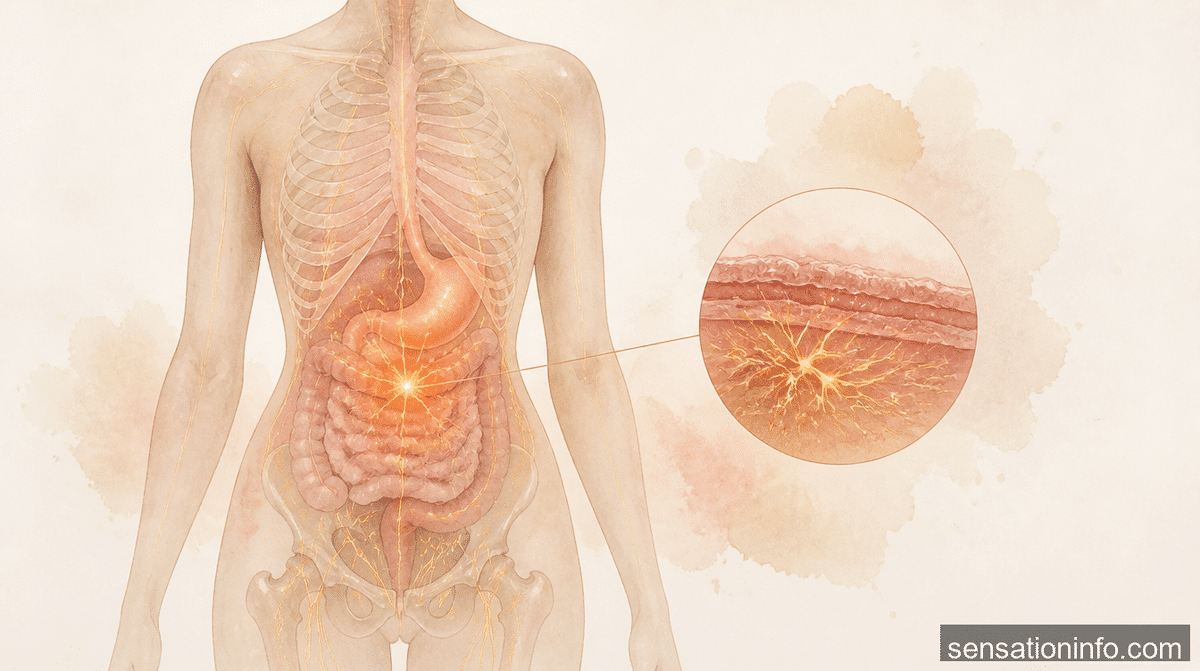
- Inflammatory bowel disease (IBD): This includes conditions like Crohn’s disease and ulcerative colitis, which cause inflammation in the digestive tract.
- Food intolerance: Some people may experience a burning sensation in the abdomen due to food intolerance, such as lactose intolerance or gluten intolerance.
- Stomach ulcers: Stomach ulcers can cause a burning sensation in the abdomen, especially if they’re bleeding or perforated.
- Pancreatitis: Inflammation of the pancreas can cause a burning sensation in the abdomen, especially in the upper abdomen.
- Hernia: A hernia can cause a burning sensation in the abdomen, especially if it’s strangulated or incarcerated.
Diagnosing the Burning Sensation
A Comprehensive Approach
Diagnosing the cause of a burning sensation in the abdomen requires a comprehensive approach. I always start by taking a thorough medical history, asking questions about the patient’s symptoms, lifestyle, and dietary habits. I also perform a physical examination, checking for signs of abdominal tenderness or guarding.
If necessary, I may order diagnostic tests like:
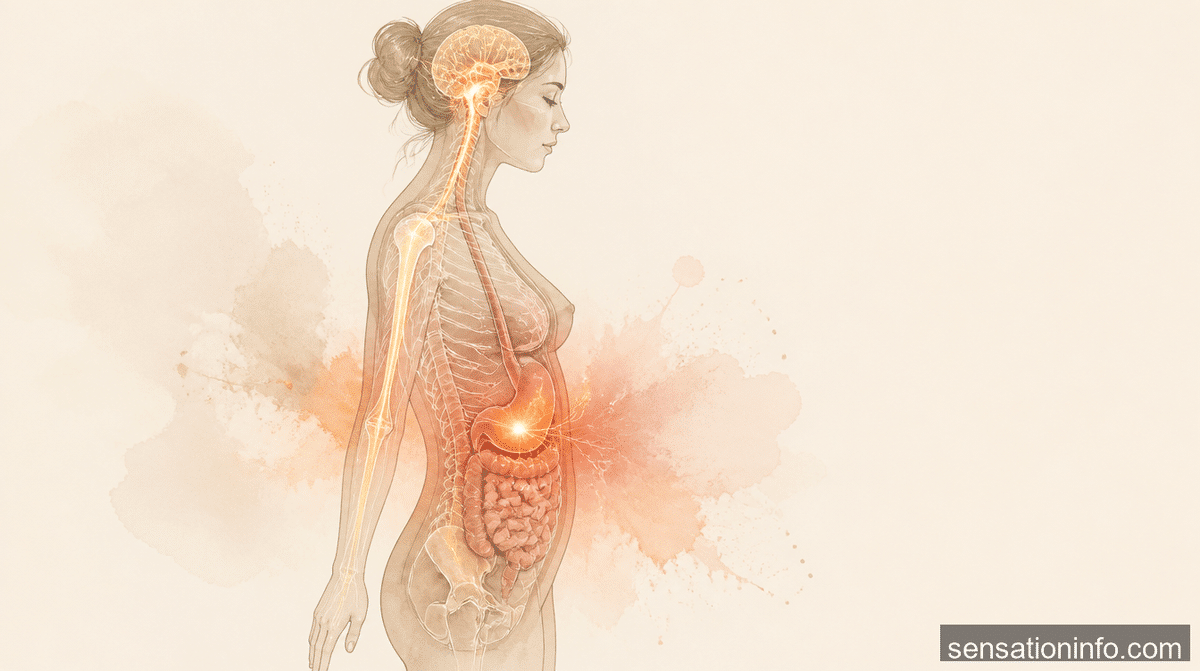
- Endoscopy: This involves inserting a flexible tube with a camera into the mouth to visualize the upper digestive tract.
- Colonoscopy: This involves inserting a flexible tube with a camera into the rectum to visualize the lower digestive tract.
- Imaging tests: This includes tests like X-rays, CT scans, or MRI scans to visualize the abdominal organs.
Managing the Burning Sensation
Effective Treatment Options
Once we’ve identified the underlying cause of the burning sensation, we can develop an effective treatment plan. For example, if the cause is GERD, we may recommend lifestyle modifications like:
- Eating smaller, more frequent meals
- Avoiding trigger foods like citrus fruits or tomatoes
- Raising the head of the bed by 6-8 inches
- Avoiding tight clothing that can put pressure on the stomach
We may also prescribe medication like antacids or proton pump inhibitors to reduce stomach acid production. If the cause is IBS, we may recommend dietary changes like increasing fiber intake or avoiding trigger foods. We may also prescribe medication like antispasmodics or laxatives to manage symptoms.
Prevention is Key
Taking Control of Your Health
Preventing a burning sensation in the abdomen requires a proactive approach. I always advise my patients to:
- Eat a balanced diet that’s rich in fruits, vegetables, and whole grains
- Stay hydrated by drinking plenty of water
- Avoid trigger foods that can irritate the digestive tract
- Manage stress through relaxation techniques like meditation or deep breathing
- Get regular exercise to improve digestion and overall health
Frequently Asked Questions
The most common causes of a burning sensation in the abdomen include GERD, IBS, inflammatory bowel disease, food intolerance, stomach ulcers, pancreatitis, and hernia. It’s essential to consult with a healthcare professional to determine the underlying cause of the symptom.
To manage a burning sensation in the abdomen at home, you can try lifestyle modifications like eating smaller, more frequent meals, avoiding trigger foods, and staying hydrated. You can also try over-the-counter antacids or acid reducers to reduce stomach acid production.
You should seek medical attention if the burning sensation in the abdomen is severe, persistent, or accompanied by other symptoms like vomiting, diarrhea, or abdominal tenderness. You should also seek medical attention if you experience difficulty swallowing, chest pain, or shortness of breath.
Yes, a burning sensation in the abdomen can be a sign of a serious underlying condition like stomach cancer or pancreatic cancer. It’s essential to consult with a healthcare professional to determine the underlying cause of the symptom and develop an effective treatment plan.
To prevent a burning sensation in the abdomen in the future, you can try lifestyle modifications like eating a balanced diet, staying hydrated, avoiding trigger foods, and managing stress. You can also try to get regular exercise and maintain a healthy weight to reduce the risk of digestive disorders.
Final Thoughts
Taking Control of Your Abdominal Health
As a medical professional, I’ve seen how a burning sensation in the abdomen can affect a person’s quality of life. By understanding the underlying causes of this symptom, we can develop an effective treatment plan that includes lifestyle modifications, medication, and lifestyle changes. I always advise my patients to take a proactive approach to their health, making informed decisions about their diet, lifestyle, and stress management.
If you’re experiencing a burning sensation in the abdomen, I encourage you to consult with a healthcare professional to determine the underlying cause of the symptom. By working together, we can develop a personalized treatment plan that addresses your unique needs and helps you achieve optimal abdominal health. Remember, your health is in your hands, and by taking control of your abdominal health, you can enjoy a happier, healthier life.