
What Causes a Pulsating Sensation in the Abdomen?
As a medical professional, I’ve encountered numerous patients who’ve reported experiencing a pulsating sensation in their abdomen. This symptom can be quite unsettling, especially when it’s persistent or accompanied by other discomforting signs. In this article, I’ll delve into the possible causes of this sensation, exploring both benign and more serious conditions that may be responsible. My goal is to provide you with a comprehensive understanding of this issue, helping you better navigate your symptoms and seek appropriate medical care when needed.
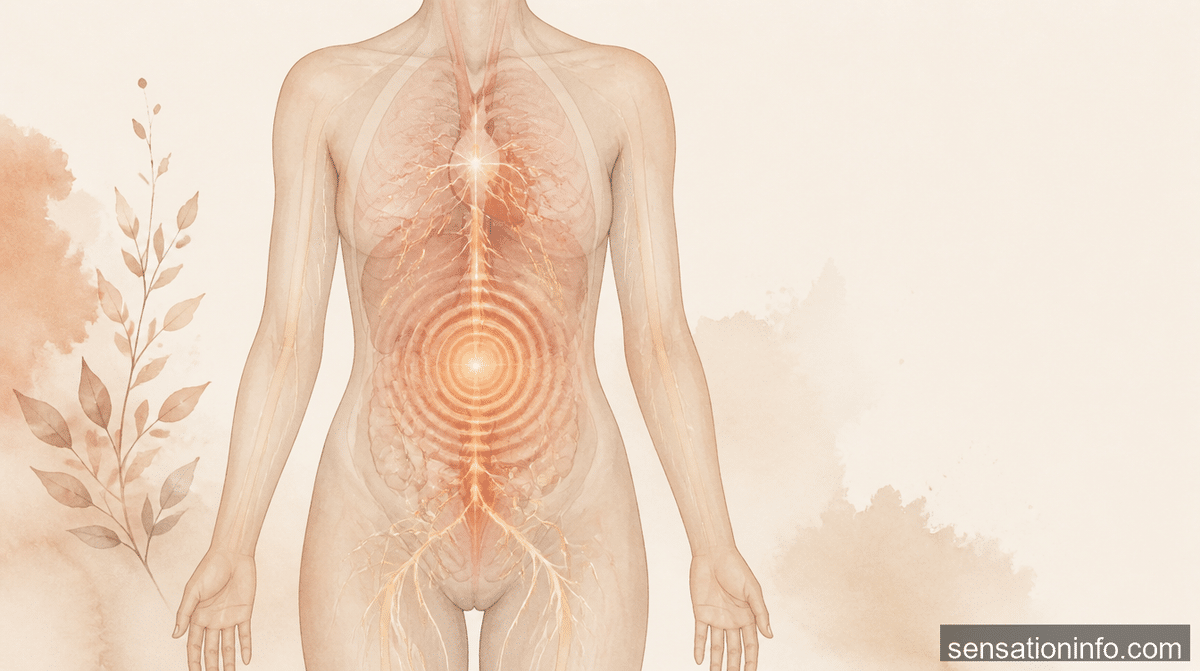
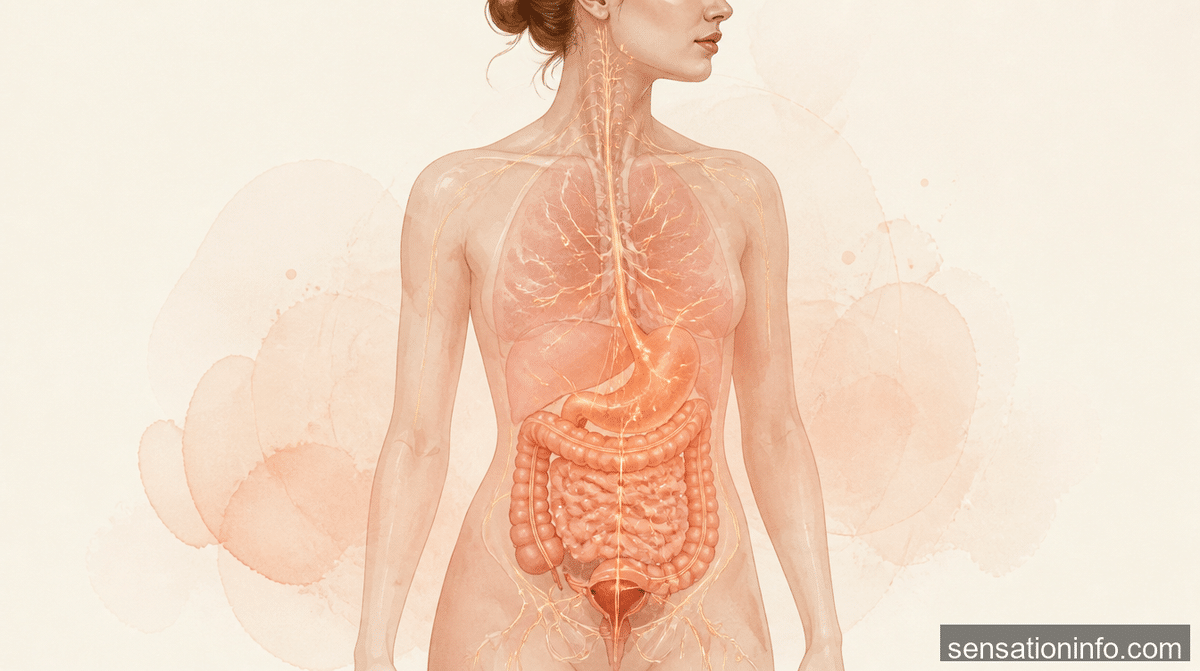
The abdomen is a complex region, housing various vital organs, including the stomach, intestines, liver, and kidneys, among others. Given its intricacy, pinpointing the exact cause of a pulsating sensation can be challenging. However, by considering the anatomy and functions of the abdominal organs, as well as common medical conditions, we can narrow down the potential causes. I’ve seen patients whose pulsating sensations were linked to harmless factors, while others required immediate medical attention due to underlying severe conditions. It’s crucial to approach this symptom with a balanced perspective, avoiding unnecessary alarm while not dismissing the possibility of a significant health issue.
My approach to addressing health concerns is always grounded in empathy and a commitment to clarity. I believe that understanding your body and its signals is empowering, allowing you to take proactive steps in maintaining your health. The pulsating sensation in the abdomen is a symptom that warrants attention, and by exploring its possible causes together, we can work towards finding a resolution or, at the very least, a clearer understanding of what you might be experiencing. Whether you’re someone who’s recently started noticing this sensation or have been dealing with it for a while, I’m here to guide you through the process of identifying potential causes and considering the next steps in your healthcare journey.
Understanding the Abdomen and Its Functions
The abdomen is divided into four quadrants: the right upper quadrant, left upper quadrant, right lower quadrant, and left lower quadrant. Each quadrant contains different organs, and the location of the pulsating sensation can sometimes provide clues about its cause. For instance, a sensation in the right upper quadrant might be related to the liver or gallbladder, while a sensation in the left lower quadrant could be associated with the intestines or the left ovary in females. Understanding the layout of the abdominal organs is essential for both patients and healthcare providers, as it facilitates a more focused approach to diagnosing and treating abdominal symptoms.
In my practice, I’ve found that patients often benefit from a basic understanding of their anatomy. This knowledge not only helps them describe their symptoms more accurately but also empowers them to take a more active role in their healthcare. The pulsating sensation, in particular, can be influenced by various factors, including digestion, blood flow, and the functioning of the abdominal organs. By considering these elements, we can begin to unravel the mystery behind this symptom and explore potential treatments or management strategies.
Possible Causes of a Pulsating Sensation in the Abdomen
There are several possible causes of a pulsating sensation in the abdomen, ranging from benign to more serious conditions. One common cause is the normal pulsation of the abdominal aorta, which can be felt in the abdominal region, especially after eating or during periods of high blood pressure. This sensation is usually harmless and can be more pronounced in individuals with a lower body mass index (BMI) or those who are particularly sensitive to internal sensations.
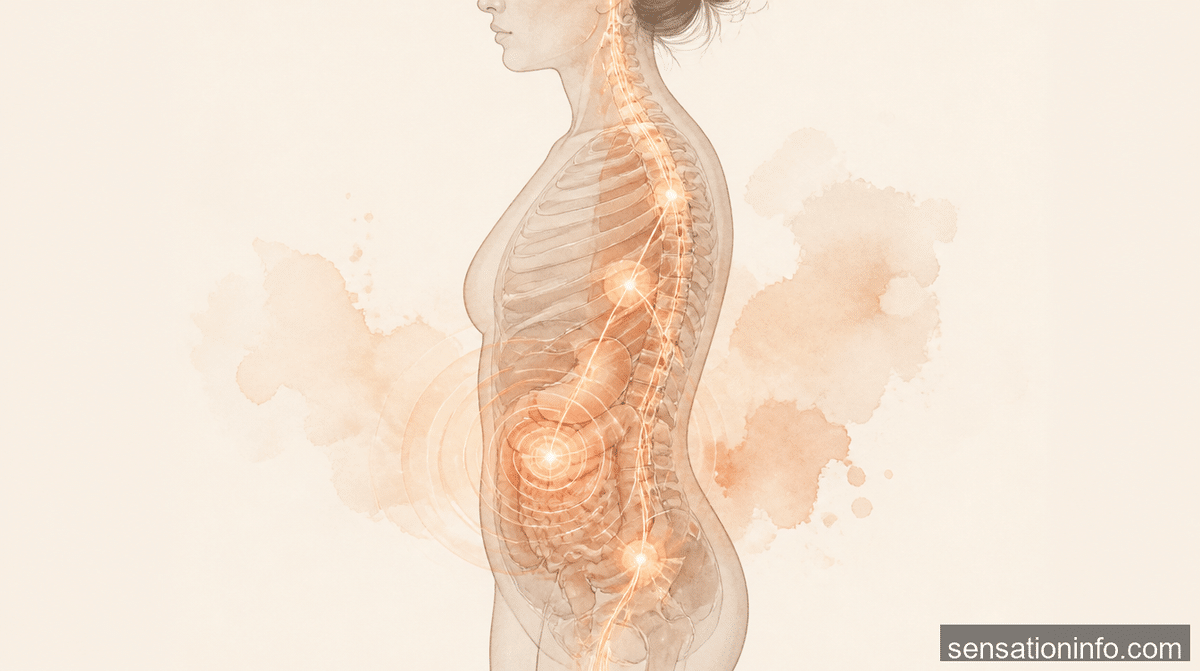
- Abdominal Aortic Aneurysm: An abdominal aortic aneurysm is a more serious condition where the aorta enlarges, leading to a pulsating sensation. This condition requires immediate medical attention, as it can lead to a rupture of the aorta, a life-threatening emergency.
- Food Intolerance: Some individuals may experience a pulsating sensation due to food intolerance, such as lactose intolerance or gluten sensitivity. This occurs when the body has difficulty digesting certain foods, leading to bloating, gas, and abdominal discomfort.
- Irritable Bowel Syndrome (IBS): IBS is a gastrointestinal disorder characterized by recurring abdominal pain, bloating, and changes in bowel movements. While not typically associated with a pulsating sensation, some individuals with IBS may experience this symptom due to increased sensitivity of the bowel.
- Inflammatory Bowel Disease (IBD): IBD, which includes conditions like Crohn’s disease and ulcerative colitis, can cause inflammation and irritation in the digestive tract, potentially leading to a pulsating sensation in the abdomen.
Diagnostic Approaches
Diagnosing the cause of a pulsating sensation in the abdomen involves a combination of medical history, physical examination, and diagnostic tests. As a healthcare provider, my first step is always to listen carefully to the patient’s description of their symptoms, including the location, duration, and any factors that exacerbate or relieve the sensation. This information is invaluable in guiding the diagnostic process and narrowing down potential causes.
During the physical examination, I assess the abdomen for tenderness, guarding (muscle tension), and masses. The presence of these signs can indicate the severity of the condition and help in determining the next steps. Diagnostic tests may include blood work to evaluate liver and kidney function, complete blood counts to check for signs of infection or inflammation, and imaging studies such as ultrasound, CT scans, or MRI to visualize the abdominal organs and structures.

- Ultrasound: An ultrasound is often one of the first imaging tests used to evaluate the abdominal organs, particularly for suspected issues related to the gallbladder, liver, or kidneys.
- CT Scan: A CT scan provides detailed images of the abdomen and can help identify conditions such as an abdominal aortic aneurysm, tumors, or inflammatory diseases.
- MRI: An MRI offers high-resolution images and is especially useful for evaluating the structure of the abdominal organs and detecting any abnormalities.
Management and Treatment
The management and treatment of a pulsating sensation in the abdomen depend entirely on the underlying cause. For benign conditions such as food intolerance, making dietary adjustments can significantly alleviate symptoms. In cases of IBS or IBD, management may involve a combination of dietary changes, stress management techniques, and medication to control symptoms and reduce inflammation.
For more serious conditions, such as an abdominal aortic aneurysm, immediate medical intervention is necessary. This may involve surgical repair of the aneurysm to prevent rupture. The approach to treatment is always tailored to the individual’s specific condition, overall health, and personal preferences, ensuring that care is both effective and respectful of the patient’s needs and values.
Lifestyle Modifications
While certain conditions require medical treatment, incorporating healthy lifestyle modifications can help alleviate symptoms and improve overall well-being. Eating a balanced diet, staying hydrated, exercising regularly, and managing stress are all beneficial for gastrointestinal health and can help reduce the severity of a pulsating sensation in the abdomen.
- Dietary Changes: For individuals with food intolerance or sensitivity, avoiding trigger foods can help minimize symptoms. A food diary can be a useful tool in identifying which foods may be causing the issue.
- Stress Reduction: Techniques such as meditation, yoga, or deep breathing exercises can help manage stress, which is beneficial for both overall health and specific conditions like IBS.
- Regular Physical Activity: Exercise can help improve digestion, reduce symptoms of IBS, and contribute to a sense of well-being.
Frequently Asked Questions
If you’re experiencing a pulsating sensation in your abdomen, it’s essential to consult with a healthcare provider to determine the cause. They will assess your symptoms, perform a physical examination, and may order diagnostic tests to identify the underlying condition.
Not always. While it can be a symptom of serious conditions like an abdominal aortic aneurysm, it can also be caused by benign factors such as the normal pulsation of the abdominal aorta or food intolerance. A thorough medical evaluation is necessary to determine the cause.
Differentiation often requires a medical professional’s assessment. However, if the sensation is severe, persistent, or accompanied by other concerning symptoms like severe abdominal pain, vomiting, or fever, it’s crucial to seek immediate medical attention.
Yes, lifestyle modifications such as dietary adjustments, stress management, and regular exercise can help alleviate symptoms, especially for conditions like IBS or food intolerance.
You should seek emergency medical care if you experience severe abdominal pain, a pulsating sensation that is rapidly increasing in intensity, vomiting blood, or signs of shock, such as a rapid heart rate, low blood pressure, and confusion.
Final Thoughts
A pulsating sensation in the abdomen can be a symptom of various conditions, ranging from benign to serious. It’s essential to approach this symptom with a blend of caution and a critical, informed mindset. By understanding the possible causes and seeking medical evaluation when necessary, individuals can ensure their health and well-being. As a healthcare provider, my role is not only to diagnose and treat conditions but also to empower patients with the knowledge they need to navigate their health journey effectively.
In conclusion, while a pulsating sensation in the abdomen can be unsettling, it is a symptom that can often be managed or treated effectively once the underlying cause is identified. Whether through lifestyle modifications, medical treatment, or a combination of both, there are pathways to relief and improved health. As you consider your next steps, remember that your health is a journey, and seeking care is a sign of strength, not weakness. By prioritizing your well-being and working collaboratively with healthcare professionals, you can find the care and support you need to overcome challenges and thrive.
—
Article written by Dr Peeyush Kumawat at Sensationinfo.com