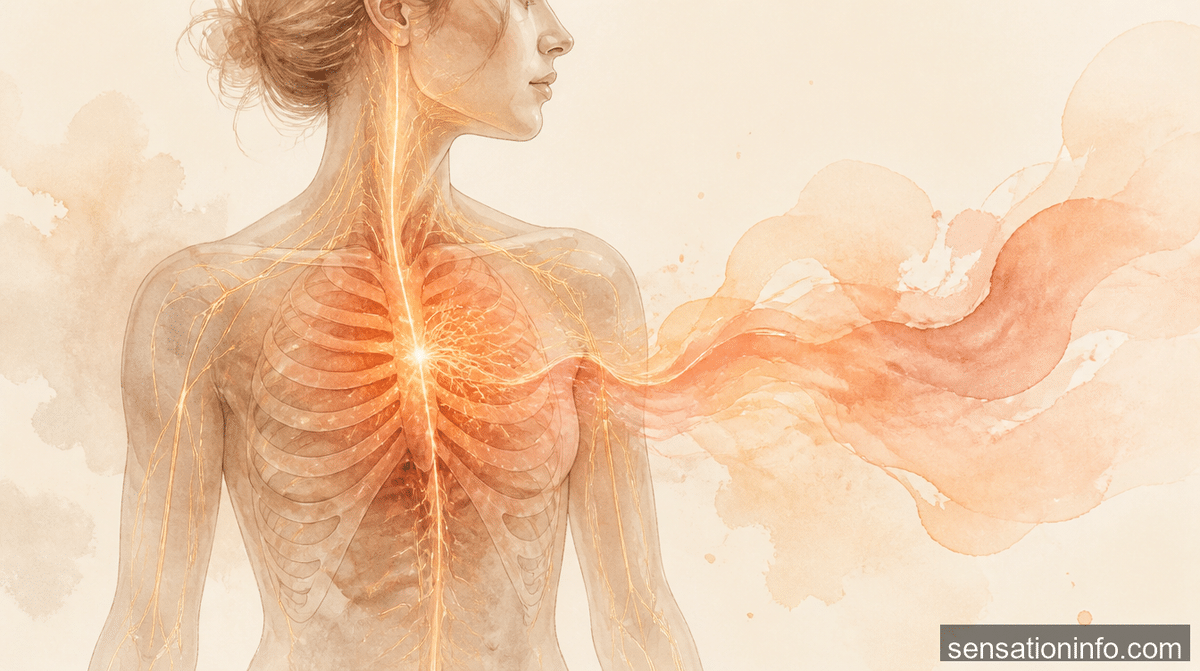

Why Do I Feel a Burning Sensation in My Chest
As a medical professional, I’ve encountered numerous patients who’ve expressed concern over a burning sensation in their chest. This symptom can be quite alarming, especially when it strikes out of the blue. I recall one patient who described the feeling as a persistent, nagging heat that seemed to emanate from the center of their chest. If you’re experiencing something similar, you’re likely wondering what could be causing this discomfort. In this article, I’ll delve into the possible reasons behind a burning sensation in the chest, and what you can do to address it.
The first thing to note is that a burning sensation in the chest can be caused by a variety of factors, ranging from mild to severe. In some cases, it might be a sign of an underlying condition that requires medical attention. As someone who’s worked with patients experiencing this symptom, I can assure you that it’s essential to approach this issue with a clear understanding of the potential causes. So, let’s start by exploring some of the most common reasons why you might be feeling a burning sensation in your chest.
One of the most common causes of a burning sensation in the chest is heartburn or acid reflux. This occurs when stomach acid flows back up into the esophagus, causing a burning feeling in the chest and throat. I’ve seen many patients who’ve experienced this symptom, and it’s often triggered by certain foods or drinks, such as citrus fruits, tomatoes, or caffeine. If you suspect that heartburn or acid reflux might be the culprit, there are some simple steps you can take to alleviate the discomfort. For instance, you can try avoiding trigger foods, eating smaller meals, or taking over-the-counter antacids.
Another possible cause of a burning sensation in the chest is a condition known as gastroesophageal reflux disease (GERD). This is a more severe form of acid reflux, which can cause chronic inflammation and scarring in the esophagus. As someone who’s treated patients with GERD, I can attest to the fact that it’s essential to seek medical attention if you’re experiencing persistent or severe symptoms. Your doctor may prescribe medication to reduce acid production or recommend lifestyle changes to help manage the condition.
In addition to heartburn and GERD, there are other potential causes of a burning sensation in the chest. For example, it could be a sign of a respiratory issue, such as pneumonia or bronchitis. In these cases, the burning sensation might be accompanied by other symptoms like coughing, fever, or difficulty breathing. As a medical professional, I always advise patients to seek immediate attention if they’re experiencing any of these symptoms, as they can be indicative of a more serious underlying condition.
Understanding the Anatomy of the Chest
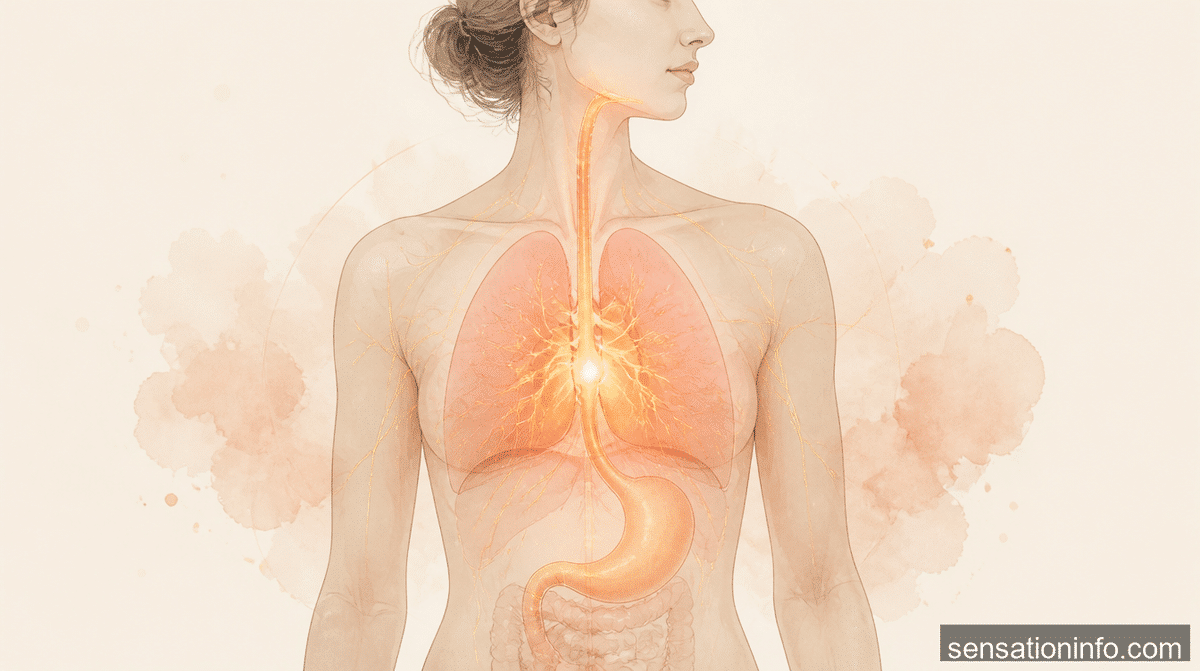
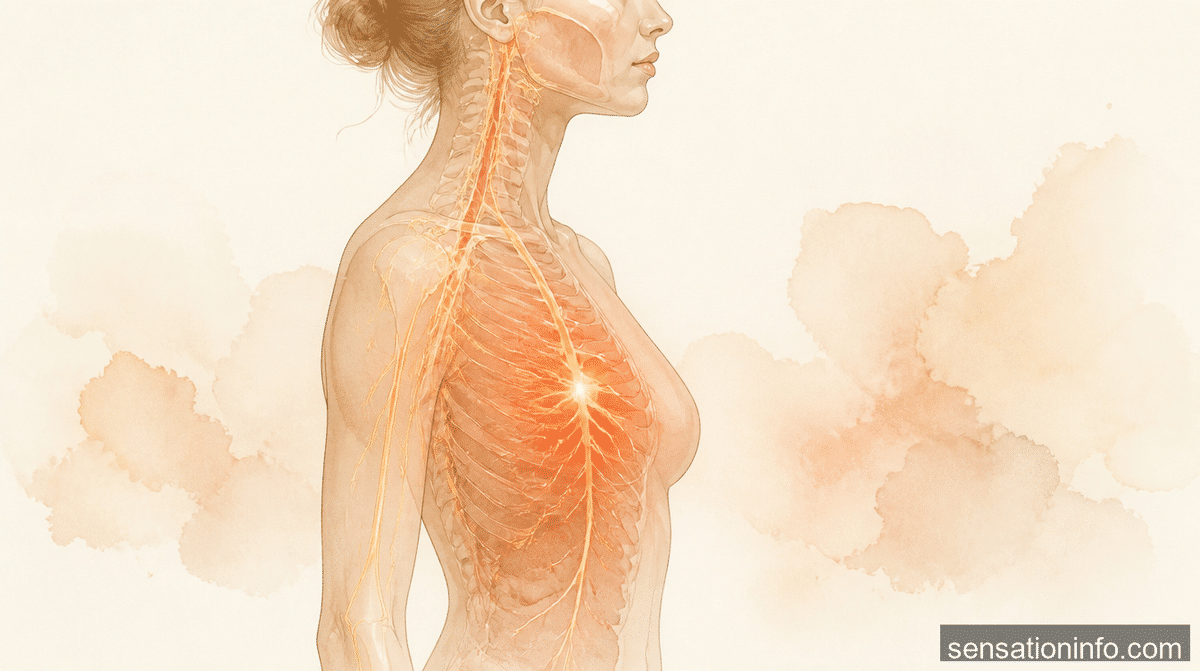
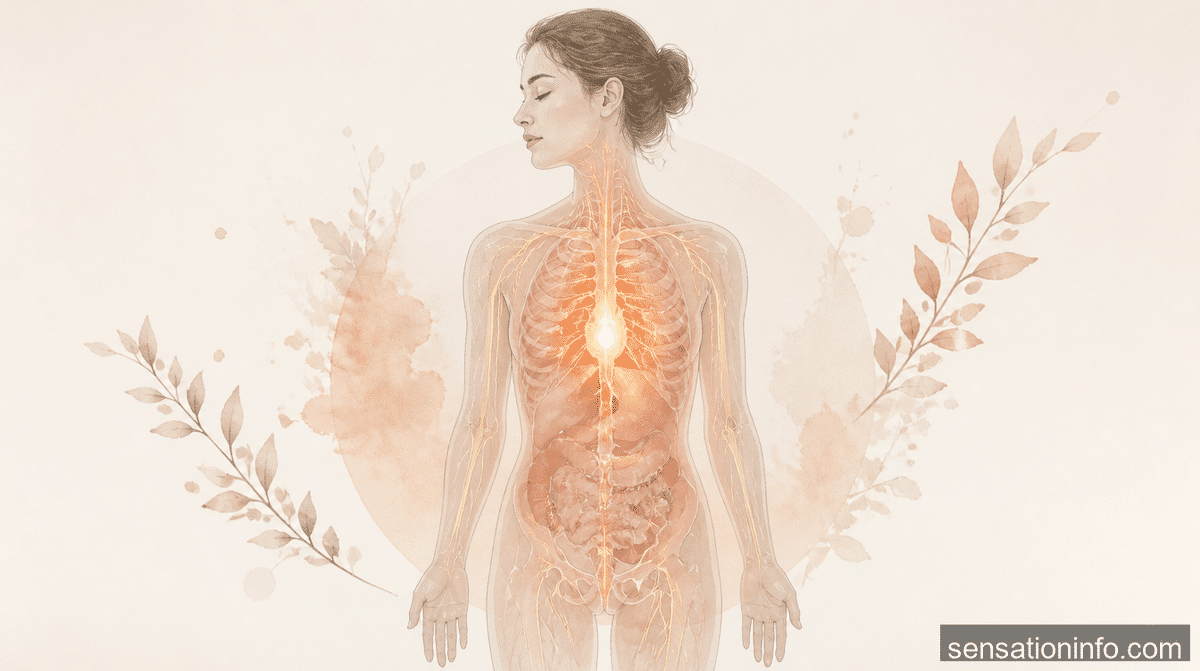
To better understand the potential causes of a burning sensation in the chest, it’s helpful to have a basic understanding of the anatomy involved. The chest cavity contains several vital organs, including the heart, lungs, esophagus, and stomach. Each of these organs plays a critical role in our overall health, and any issues affecting them can lead to a range of symptoms, including a burning sensation in the chest. For instance, the esophagus is a muscular tube that carries food from the mouth to the stomach. If the esophagus becomes inflamed or irritated, it can cause a burning feeling in the chest.
The stomach is another key player in the digestive system, and it’s responsible for breaking down food into nutrients that can be absorbed by the body. However, if the stomach produces too much acid or if the muscle that separates the esophagus and stomach doesn’t function properly, it can lead to acid reflux and heartburn. As someone who’s worked with patients experiencing these symptoms, I can attest to the fact that it’s essential to address any underlying issues affecting the stomach or esophagus.
Lifestyle Changes to Alleviate a Burning Sensation in the Chest
If you’re experiencing a burning sensation in your chest, there are several lifestyle changes you can make to help alleviate the discomfort. One of the most effective ways to reduce symptoms is to modify your diet. For instance, you can try avoiding trigger foods like citrus fruits, tomatoes, or chocolate, which can exacerbate heartburn and acid reflux. You can also try eating smaller, more frequent meals to reduce pressure on the stomach and esophagus.
In addition to dietary changes, there are other lifestyle modifications you can make to help manage a burning sensation in the chest. For example, you can try losing weight if you’re overweight or obese, as excess weight can put pressure on the stomach and esophagus. You can also try avoiding tight clothing, which can constrict the stomach and worsen symptoms. Furthermore, quitting smoking and reducing stress through techniques like meditation or deep breathing can also help alleviate a burning sensation in the chest.
Medical Treatments for a Burning Sensation in the Chest
If lifestyle changes aren’t enough to alleviate a burning sensation in your chest, your doctor may recommend medical treatment. For instance, if you’re experiencing heartburn or acid reflux, your doctor may prescribe medication to reduce acid production in the stomach. This can include over-the-counter antacids or prescription medications like proton pump inhibitors (PPIs). In more severe cases, your doctor may recommend surgery to repair any damage to the esophagus or stomach.
As a medical professional, I always advise patients to work closely with their doctor to develop a treatment plan that’s tailored to their specific needs. This may involve a combination of lifestyle changes and medical treatments, as well as regular monitoring to ensure that symptoms are under control. By taking a comprehensive approach to managing a burning sensation in the chest, you can reduce the risk of complications and improve your overall quality of life.
Frequently Asked Questions
The most common causes of a burning sensation in the chest include heartburn or acid reflux, gastroesophageal reflux disease (GERD), and respiratory issues like pneumonia or bronchitis. In some cases, it can also be a sign of a more serious underlying condition, such as a heart attack or pulmonary embolism.
To alleviate a burning sensation in your chest, you can try modifying your diet to avoid trigger foods, eating smaller meals, and losing weight if you’re overweight or obese. You can also try avoiding tight clothing, quitting smoking, and reducing stress through techniques like meditation or deep breathing.
The symptoms of GERD can include a burning sensation in the chest, regurgitation of food, difficulty swallowing, and chest pain. In some cases, it can also cause respiratory symptoms like coughing or wheezing.
In some cases, a burning sensation in the chest can be a sign of a heart attack, especially if it’s accompanied by other symptoms like chest pain, shortness of breath, or dizziness. If you’re experiencing any of these symptoms, it’s essential to seek immediate medical attention.
To prevent a burning sensation in your chest, you can try maintaining a healthy weight, avoiding trigger foods, and managing stress through techniques like meditation or deep breathing. You can also try avoiding tight clothing, quitting smoking, and getting regular exercise to reduce the risk of respiratory issues.
Final Thoughts
If you’re experiencing a burning sensation in your chest, it’s essential to take it seriously and seek medical attention if necessary. By understanding the potential causes of this symptom and making lifestyle changes to alleviate discomfort, you can reduce the risk of complications and improve your overall quality of life. As a medical professional, I always advise patients to prioritize their health and seek help if they’re experiencing any symptoms that concern them. By working together, we can develop a comprehensive plan to manage a burning sensation in the chest and promote overall wellness.
In conclusion, a burning sensation in the chest can be a troubling symptom, but it’s not always a cause for alarm. By understanding the potential causes, making lifestyle changes, and seeking medical attention when necessary, you can take control of your health and alleviate discomfort. Remember, it’s always better to err on the side of caution when it comes to your health, and seeking medical attention can provide peace of mind and ensure that you receive the treatment you need to manage your symptoms effectively.
Article written by Dr Peeyush Kumawat at Sensationinfo.com