


You took an over the counter antacid thirty minutes ago, but the fire in your gut has still not stopped. When standard heartburn treatments fail to work, the problem is rarely just a temporary excess of stomach acid. This stubborn pain is usually a clear signal of structural inflammation, a hidden bacterial infection, or a severe reaction to your daily medications.
If you are constantly wondering why you continuously feel a burning sensation in your stomach despite taking reflux medication, you must start investigating the physical integrity of your stomach lining.
Why Antacids Fail to Stop the Fire
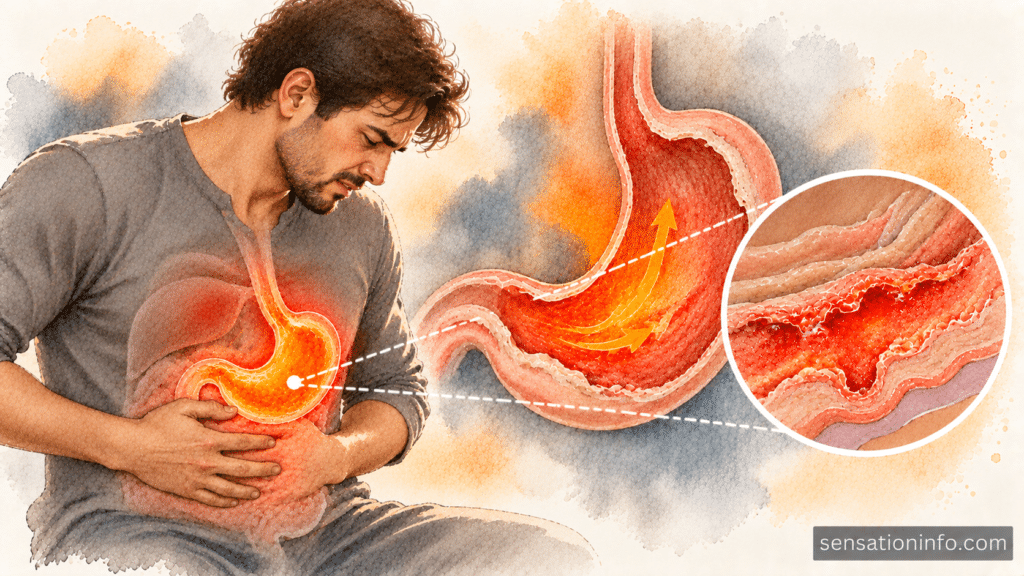
Antacids only neutralize loose acid inside the stomach cavity. If your pain originates from a damaged mucosal lining inside the stomach wall itself, neutralizing the acid will not heal the raw tissue.
The human stomach is designed to hold incredibly strong hydrochloric acid. To prevent this acid from digesting the stomach itself, your body produces a thick protective layer of mucus. When this mucosal barrier is thinned out or damaged, the acid comes into direct contact with the sensitive stomach wall. This creates a painful chemical burn.
In these cases, the root cause is tissue damage rather than just acid volume. You cannot put out a chemical fire simply by lowering the acid concentration slightly. You must rebuild the physical barrier.
Hidden Causes of a Burning Stomach
When you eliminate basic acid reflux from the equation, gastroenterologists look for three primary culprits that destroy the stomach lining.
Gastritis and Stomach Inflammation
Gastritis is the medical term for inflammation of the stomach lining. This condition occurs when the protective mucous layer thins out, leaving the stomach wall exposed to its own digestive juices. Acute gastritis comes on suddenly, often after a night of heavy alcohol consumption or a severe bout of food poisoning.
Chronic gastritis develops slowly over months or years. Patients with chronic gastritis often experience a dull and constant burning sensation in stomach accompanied by severe bloating immediately after eating even a small meal.
Peptic Ulcer Disease
A peptic ulcer is an actual open sore that develops on the inside lining of your stomach or the upper portion of your small intestine. The timing of your pain is the biggest diagnostic clue that you have an ulcer.
Ulcer pain often peaks when the stomach is completely empty. Patients frequently report a severe burning sensation in stomach that wakes them up in the middle of the night or hits them exactly two hours after a meal. Eating food temporarily buffers the acid, which is why having a snack might briefly help an ulcer but will typically worsen acid reflux.
Helicobacter Pylori Infection
Helicobacter pylori is a unique type of bacteria that thrives in harsh acidic environments. It physically burrows into the stomach lining and neutralizes the acid strictly around itself to survive.
As the bacteria colonize your stomach, they create toxic inflammatory byproducts that destroy the mucosal barrier. This infection is incredibly common and is the leading cause of both chronic gastritis and peptic ulcers. Until a doctor prescribes a specific course of targeted antibiotics to eradicate the bacteria, the intense stomach burning will never fully go away.
Everyday Medications That Destroy Stomach Mucus
If you want to understand the exact mechanisms of your upper abdominal pain, you must look very closely at your daily medication habits. The most common household painkillers are notoriously harsh on the digestive system.
Nonsteroidal anti-inflammatory drugs, commonly known as NSAIDs, include everyday medications like ibuprofen, naproxen, and aspirin. These drugs are highly effective at reducing joint pain and fevers because they block specific enzymes in the body. Unfortunately, they block the specific enzyme responsible for producing the protective mucus in your stomach.
Taking these medications daily drastically increases your risk of developing a constant burning sensation in stomach. The medication literally stops your body from protecting itself against its own digestive acid. If you need help understanding what causes a burning sensation in the lower abdomen compared to the upper stomach, medication side effects are often the primary difference.
Functional Dyspepsia and the Gut Brain Connection
Sometimes a patient will undergo an endoscopy and the doctor will find a perfectly healthy stomach. There are no ulcers, no inflammation, and no bacterial infections. Yet the patient is in agonizing pain.
This condition is called functional dyspepsia. It is a disorder of the gut brain interaction. The nerves surrounding the stomach become hypersensitive to normal digestion. When the stomach stretches to accommodate a normal meal, the hypersensitive nerves send severe pain signals to the brain.
This results in a heavy burning sensation in stomach combined with early fullness and nausea. Because the stomach tissue is structurally healthy, traditional acid reducers do absolutely nothing. Treatment for functional dyspepsia often involves low dose neuromodulators that calm the hyperactive nerve signals.
Symptom Comparison: Diagnosing the Source
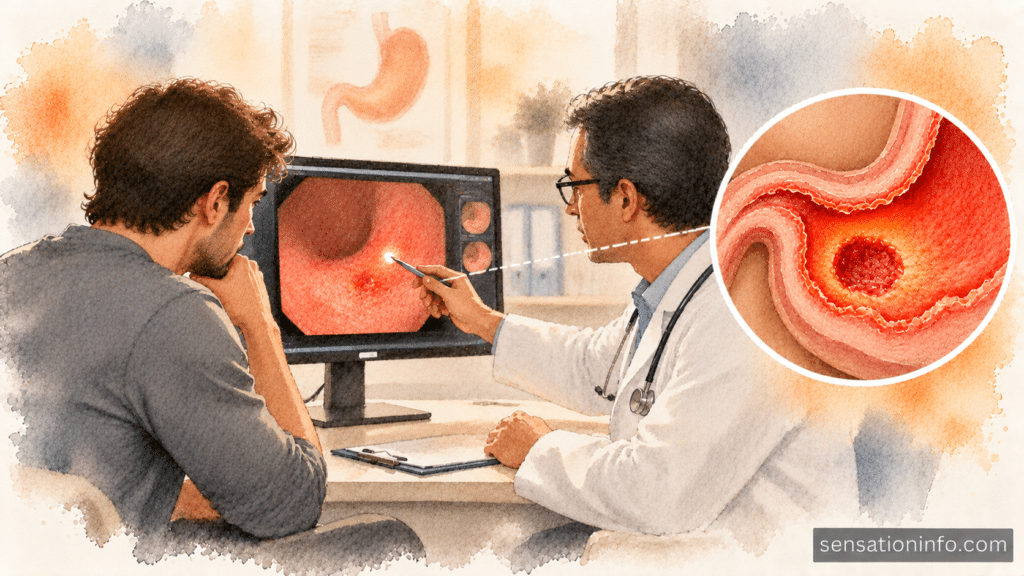
To help determine what type of medical care you need, you must track exactly when and how the pain occurs. Use this breakdown to compare your specific symptoms. Knowing the difference between stomach issues and a burning sensation in your chest that is not caused by heartburn will help your doctor make a faster diagnosis.
| Medical Condition | Primary Location of Pain | Timing of the Pain | Response to Eating Food | Response to Antacids |
| Acid Reflux (GERD) | Behind the breastbone, moving upward. | Immediately after eating or lying down. | Makes the pain significantly worse. | Usually provides rapid temporary relief. |
| Gastritis | Upper central abdomen. | Constant dull ache, worsens during digestion. | Causes immediate bloating and early fullness. | Provides minimal to no relief. |
| Peptic Ulcer | Localized spot in the upper abdomen. | Wakes you up at night, peaks when empty. | Temporarily relieves pain by buffering acid. | May provide brief relief before pain returns. |
| Functional Dyspepsia | Diffuse pain across the entire upper stomach. | Random, triggered by stomach stretching. | Triggers nausea and excessive fullness. | Provides zero relief. |
Emergency Warning Signs
A persistent burning sensation in stomach becomes a medical emergency if it is accompanied by signs of internal bleeding, severe structural obstruction, or a sudden inability to keep fluids down.
Do not attempt to treat stomach pain at home if you experience any of the following critical warning signs:
- Passing stools that are completely black, sticky, or look like dark tar.
- Vomiting blood or material that looks exactly like dark coffee grounds.
- Experiencing a sudden, sharp, and severe abdominal pain that makes it difficult to stand up straight.
- Unexplained and rapid weight loss over a period of a few weeks.
- Difficulty swallowing solid food or a feeling that food is getting stuck.
- Yellowing of your skin or the whites of your eyes.
These symptoms require immediate evaluation in an emergency room to rule out a bleeding ulcer, a perforated stomach lining, or severe gallbladder disease.
Practical Action Steps to Heal Your Stomach
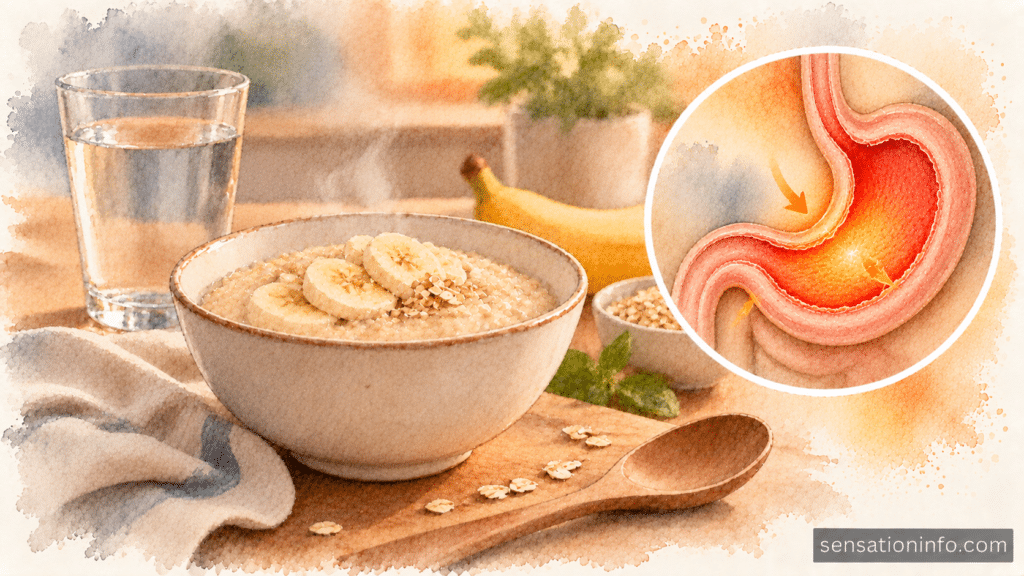
When looking for fast ways to relieve a burning sensation in your stomach at home, you must focus on rebuilding the mucosal barrier rather than just temporarily neutralizing your acid.
Follow this structured protocol to identify the trigger and allow the tissue to heal.
- Audit Your Pain Relievers: Stop taking all NSAIDs immediately. Check your medicine cabinet for ibuprofen, naproxen, and aspirin. Consult your physician about switching to acetaminophen, which is processed through the liver and does not thin out the stomach mucus.
- If you take low-dose aspirin for your heart, do not stop it on your own. Ask your doctor first.
- Implement a Bland Diet: Remove all chemical irritants from your diet to give the inflammation a chance to subside. This means zero coffee, zero alcohol, zero tomatoes, and zero spicy foods. Stick to plain oatmeal, boiled potatoes, baked chicken, and bananas for at least three days.
- Change Your Hydration Timing: Stop drinking large glasses of water immediately before or during your meals. Large volumes of liquid distend the stomach, which can trigger hypersensitive nerves. Drink your water at least thirty minutes before eating or one hour after your meal.
- Get Tested for H Pylori: If you have experienced daily stomach burning for more than two weeks, request a breath test or a stool test from your primary care doctor. If you test positive, you will need a specific antibiotic regimen.
- Manage Mechanical Stress: Eat five small meals throughout the day instead of three large ones. Smaller volumes of food require less stomach expansion and generate less digestive friction against the inflamed stomach walls.
Key Takeaways
- A burning sensation in stomach that does not respond to antacids usually indicates tissue damage rather than simple acid reflux.
- Gastritis and peptic ulcers are caused by a breakdown of the protective mucous layer in your stomach.
- The Helicobacter pylori bacteria is the leading cause of chronic stomach inflammation and requires targeted antibiotics to cure.
- Daily use of common pain relievers like ibuprofen actively destroys your stomach lining and should be stopped immediately if you experience burning.
- You must seek emergency medical care if your stomach burning is accompanied by black stool, severe sharp pain, or vomiting blood.
A persistent burning sensation in stomach is a clear biological signal of tissue damage. Stop relying on over the counter antacids to fix a structural problem. By understanding the true mechanical causes of stomach inflammation, removing the chemical triggers from your diet, and getting properly tested for bacterial infections, you can permanently repair your digestive tract and finally eat without fear.
Frequently Asked Questions
A burning pain on an empty stomach is a classic symptom of a peptic ulcer. Without food present to buffer your digestive juices, the raw stomach acid washes directly over the open sore.
Yes. Severe stress can make your stomach more sensitive to normal digestion. It can trigger a condition called functional dyspepsia, which causes burning stomach pain and early fullness.
Drinking cold milk may provide a few minutes of temporary relief by coating the stomach lining. However, the fat and protein in milk actually stimulate your stomach to produce even more acid, which will make the burning much worse shortly after.
Doctor’s Recommendation
If you have tried dietary changes and stopped taking pain relievers but still experience daily discomfort, you need a precise medical diagnosis. I recommend reading our clinical guide on what causes a burning sensation in the abdomen to help you prepare for a conversation with a gastroenterologist. Understanding the exact diagnostic tests your doctor will order can significantly reduce your anxiety about the process.
References
- National Institute of Diabetes and Digestive and Kidney Diseases. Gastritis and Gastropathy.
- National Institute of Diabetes and Digestive and Kidney Diseases. Peptic Ulcers (Stomach or Duodenal Ulcers).
- Mayo Clinic. Peptic ulcer – Symptoms and causes. 2023.
- Cleveland Clinic. Functional Dyspepsia: Symptoms, Causes & Treatment. 2022.


One Response