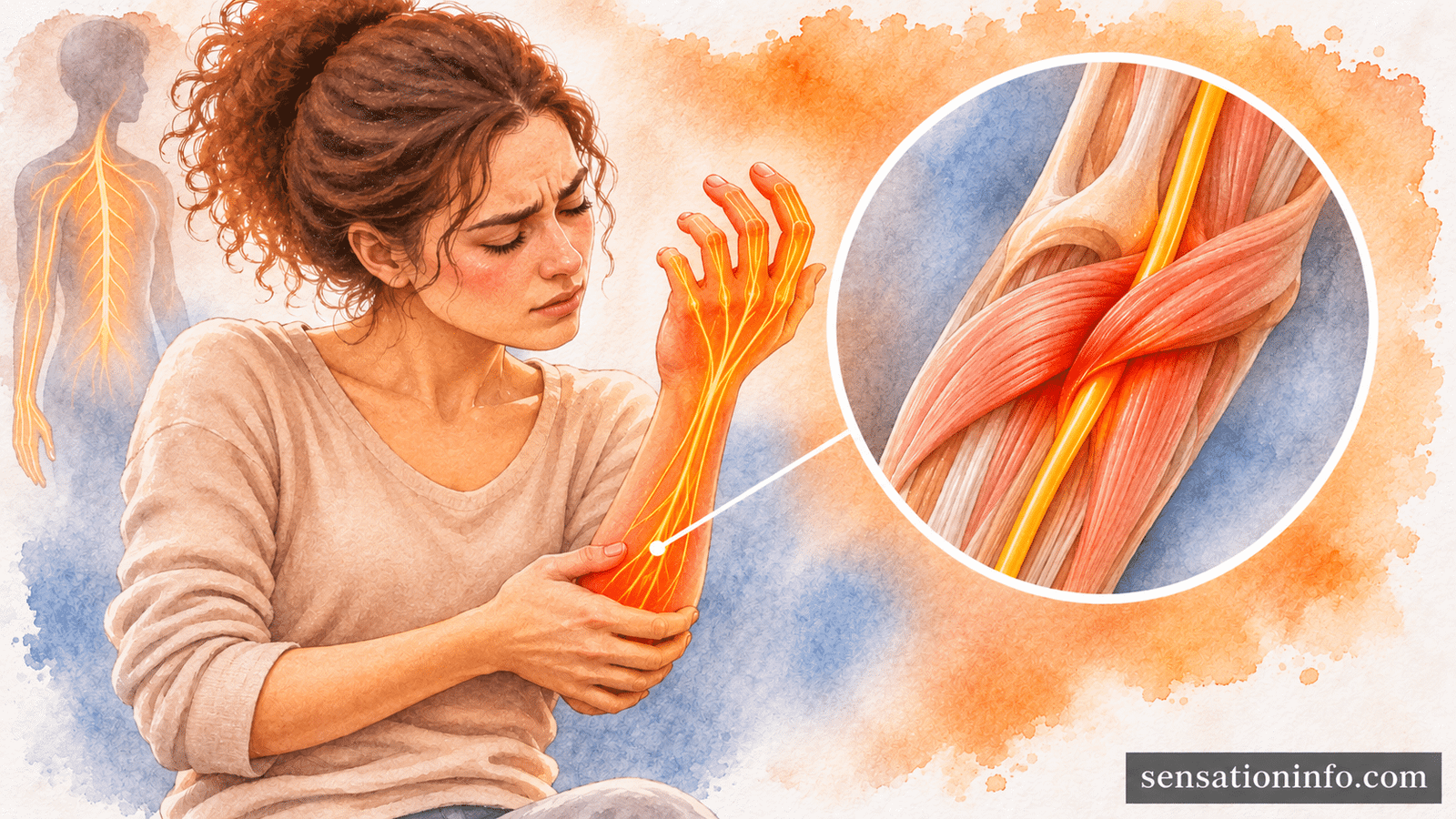

Sudden numbness on one side of the body is a frightening symptom that needs immediate medical evaluation. Medically referred to as hemianesthesia, this symptom occurs when a disruption blocks the neural pathways communicating between one hemisphere of your brain or spinal cord and your limbs. Because this symptom is frequently accompanied by numbness and weakness together, it serves as a primary warning sign of a stroke or transient ischemic attack (TIA) and must never be ignored. While not every instance is a life threatening medical emergency, recognizing the difference and acting quickly is critical for your survival and recovery.
Is Numbness on One Side of the Body Always a Stroke?
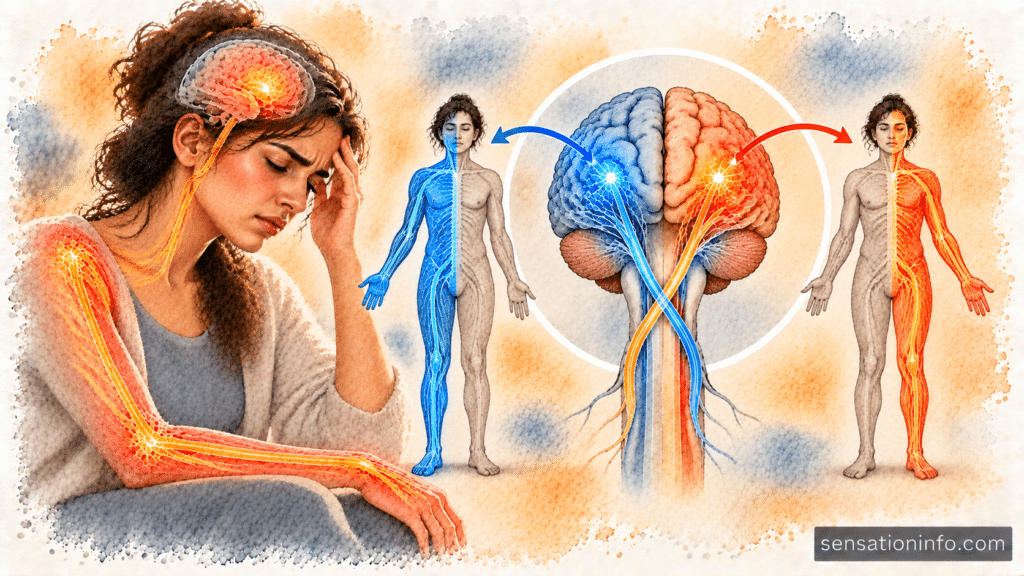
The sudden loss of feeling on one side of your face, arm, or leg is the hallmark sign of a cerebrovascular event. A stroke occurs when blood flow to a portion of your brain is interrupted. This deprives brain tissue of oxygen and causes rapid nerve cell damage.
However, numbness does not guarantee a stroke. The timing, onset, and accompanying symptoms are crucial for diagnosis. A stroke typically presents abruptly and peaks within seconds to minutes.
Transient Ischemic Attacks (TIAs) vs. Ischemic Strokes
A transient ischemic attack (often called a mini stroke) creates a temporary blockage of blood flow. The numbness and weakness usually resolve within minutes to hours. An ischemic stroke involves a permanent blockage that causes lasting damage if not treated immediately.
Both conditions demand urgent emergency care because a TIA is a massive warning sign of an impending major stroke. If you also experience numbness in your face, slurred speech, or vision changes, call 911 immediately.
Neurological Conditions That Mimic Stroke Symptoms
Several non vascular neurological conditions can cause one sided sensory loss. These often require a neurologist for accurate diagnosis and management.
Multiple Sclerosis (MS) and Demyelination
Multiple sclerosis is an autoimmune disease where the immune system attacks myelin. Myelin is the protective coating around nerve fibers. When this damage occurs in specific areas of the brain or spinal cord, it can cause unilateral numbness.
These sensory changes are common early signs of multiple sclerosis that patients notice before mobility issues begin. MS numbness usually develops gradually over days or weeks, rather than instantly like a stroke.
Hemiplegic Migraines
A hemiplegic migraine is a rare type of migraine headache that mimics a stroke. It causes temporary weakness, numbness, and tingling on one side of the body.
These sensory changes usually start before the headache and slowly fade away as the migraine subsides. Unlike a stroke, this numbness often spreads gradually from the hand up the arm and into the face over a period of 15 to 30 minutes.
What Spinal and Nerve Issues Cause Numbness on One Side?
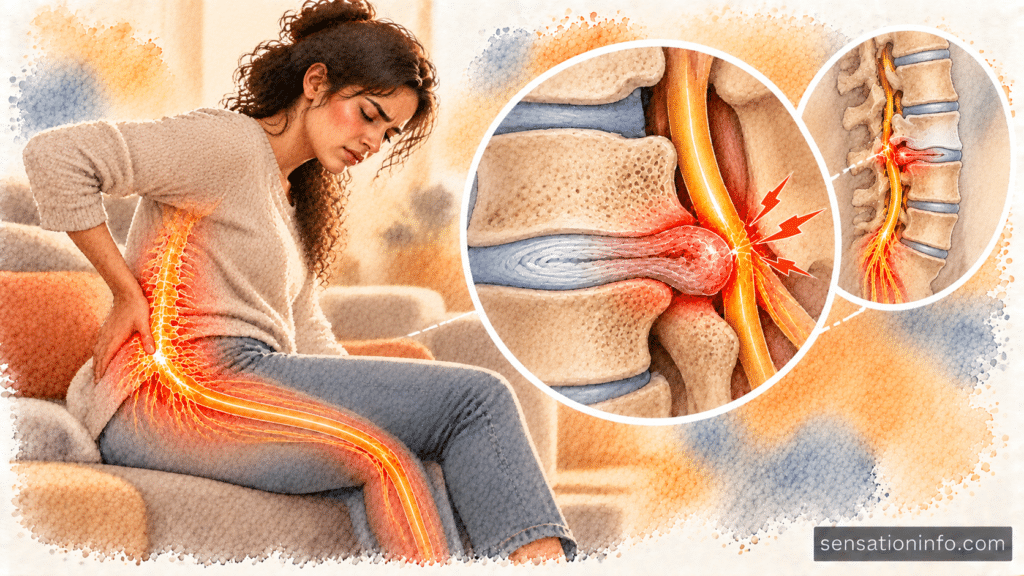
Not all one sided numbness originates in the brain. Issues within the spinal column can compress major nerve roots and cause symptoms down a single limb or side of the torso.
Severe Spinal Nerve Compression (Radiculopathy)
A herniated disc or spinal stenosis can pinch a nerve exiting the spinal cord. Cervical radiculopathy causes numbness down one arm. Lumbar radiculopathy (often called sciatica) causes numbness down one leg.
While these conditions cause one sided symptoms, they rarely affect the face, arm, and leg simultaneously like a stroke would. Radiculopathy pain is typically sharp and follows a specific nerve pathway.
Does It Matter If the Numbness is on the Left or Right Side?
The specific side of your body that goes numb indicates which side of your brain is experiencing a disruption. Because the brain’s motor and sensory pathways cross over in the brainstem, a stroke in the right hemisphere of your brain causes numbness on the left side of your body.
Conversely, a left hemisphere stroke causes right sided numbness. A left hemisphere stroke is also more likely to cause severe speech and language difficulties (aphasia). Regardless of the side, unilateral numbness is always a medical emergency.
Emergency Warning Signs and When to Seek Immediate Care
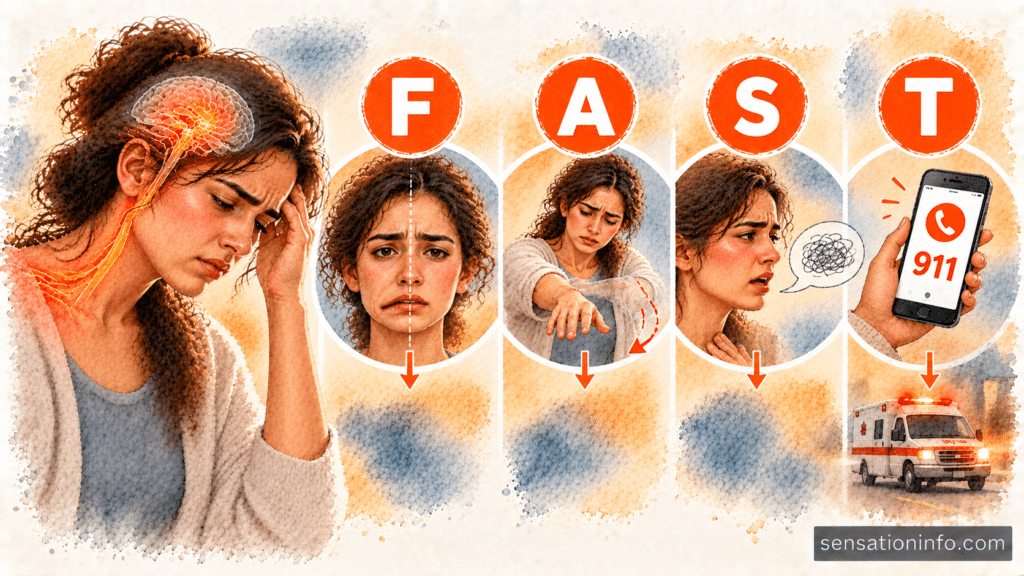
Time is brain when it comes to sudden sensory loss. You must seek emergency medical care if your numbness is accompanied by specific red flag symptoms.
Key Warning Signs:
- Sudden confusion or trouble speaking and understanding speech.
- Sudden trouble seeing in one or both eyes.
- Sudden difficulty walking, dizziness, or loss of balance.
- A sudden, severe headache with no known cause.
Key Takeaways
- It might be a stroke: Sudden one-sided numbness is a massive red flag for a stroke or TIA and requires immediate emergency medical attention.
- Time is brain: Never wait to see if the numbness improves. Recognizing the F.A.S.T. warning signs and getting to an ER quickly can prevent permanent brain damage.
- Other conditions mimic strokes: Multiple Sclerosis (MS) and hemiplegic migraines can also cause unilateral numbness, but they typically develop gradually rather than instantly.
- Spinal nerves matter: A severely pinched nerve in your neck or lower back can cause numbness down one arm or one leg, but rarely affects the entire side of your body at once.
Frequently Asked Questions
The symptoms of a TIA typically last only a few minutes and resolve completely within 24 hours. However, a TIA is a severe warning sign of a future stroke and requires immediate emergency care.
Sleeping in a poor position can compress a superficial nerve and cause a temporary “pins and needles” feeling in one arm or leg. This benign numbness resolves quickly once you change positions and relieve the pressure.
You should call 911 or go to the nearest emergency room immediately. Do not wait to see if the symptoms improve, as prompt treatment is required to prevent permanent brain damage if a stroke is occurring.
Doctor’s Recommendation
If you are experiencing any unexplained loss of feeling, it is crucial to seek a proper neurological evaluation. For a deeper look at how nerve damage manifests, I recommend reading our guide on understanding the different types of sensation loss to help you discuss your symptoms clearly with your physician.