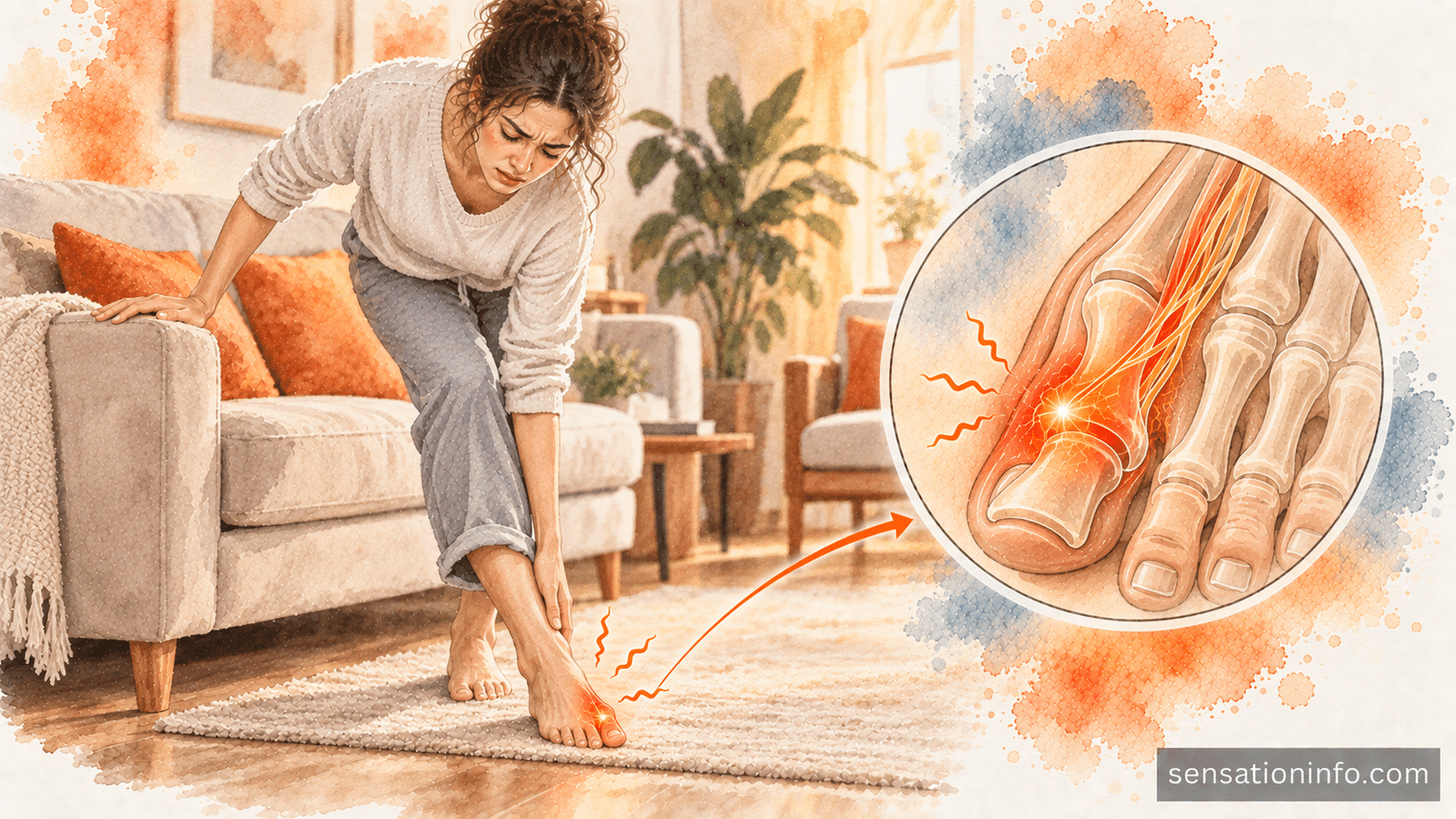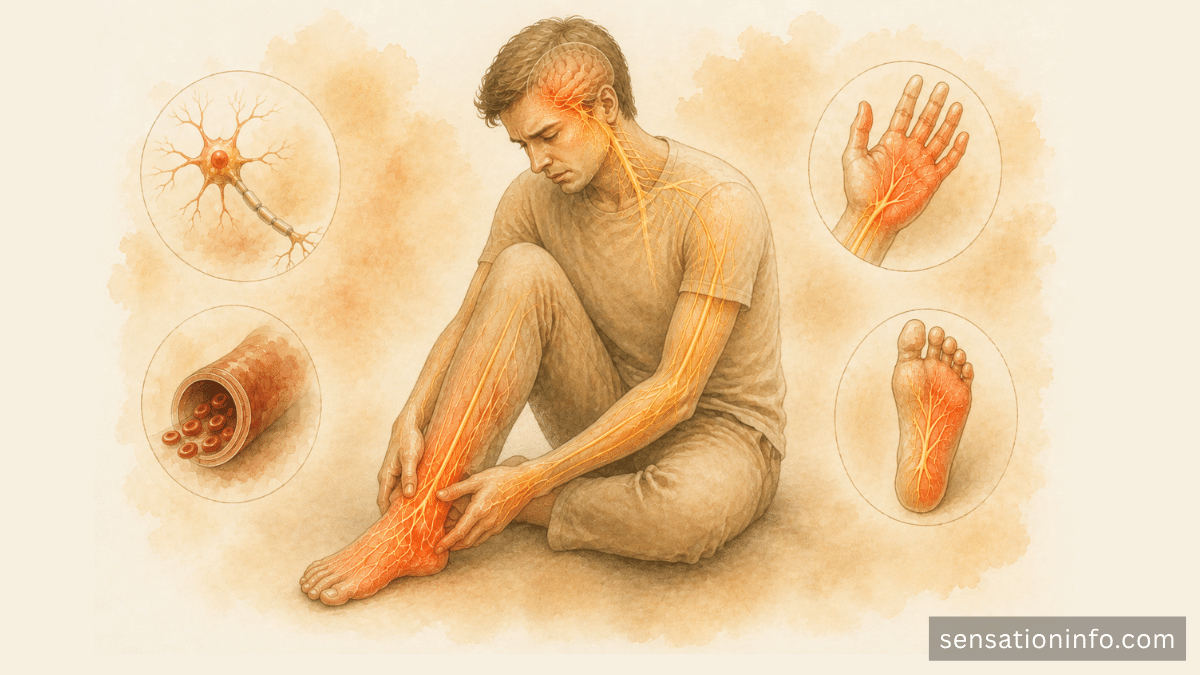

Small fiber neuropathy is a disorder that damages tiny sensory and autonomic nerves. It often causes burning, prickling, or painful sensitivity in the feet and hands, but it can also affect temperature sensation, sweating, digestion, blood pressure, heart rate, and other body functions. Finding the underlying cause is important because treatment may slow nerve damage and reduce symptoms.
What do small nerve fibers control?
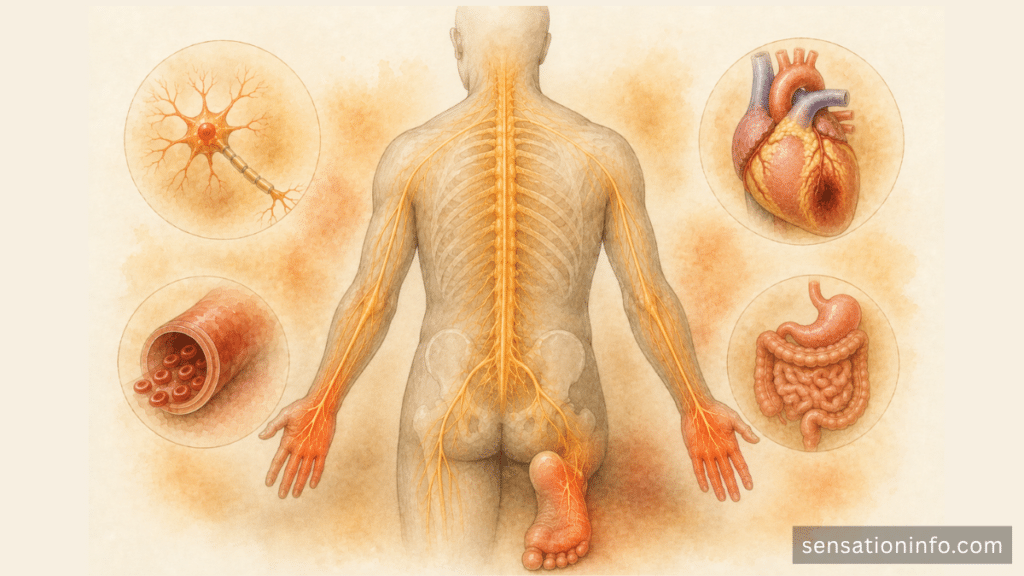
Small nerve fibers carry signals about pain and temperature from the skin. Some also help control automatic body functions, including sweating, blood vessel tone, heart rate, digestion, and bladder activity.
When these fibers become damaged, you may feel burning, pins and needles, electric pain, numbness, or pain from light touch. Autonomic involvement may cause dizziness when standing, fainting, palpitations, sweating changes, stomach symptoms, or heat intolerance.
What do small nerve fibers control?
Small nerve fibers carry signals about pain and temperature from the skin. Some also help control automatic body functions, including sweating, blood vessel tone, heart rate, digestion, and bladder activity.
When these fibers become damaged, you may feel burning, pins and needles, electric pain, numbness, or pain from light touch. Autonomic involvement may cause dizziness when standing, fainting, palpitations, sweating changes, stomach symptoms, or heat intolerance.
Small fiber neuropathy is a clinical condition, not simply a description of burning feet. A clinician must consider the pattern, examine you, and investigate possible causes.
Which symptoms are linked to small fiber neuropathy?
Symptoms can begin gradually, appear in episodes, or become constant. They may be mild at first and worsen over time. The most common sensory symptoms include:
- Burning pain in the feet, hands, legs, or other areas. Painful tingling, prickling, or pins and needles.
- Numbness or reduced ability to feel pain and temperature.
- Extreme sensitivity to clothing, bedsheets, wind, or light touch.
- Pain from a stimulus that would not normally hurt, called allodynia.
- A sensation of heat, cold, buzzing, crawling, or electric shocks.
Autonomic nerve involvement may cause the following symptoms:
- Lightheadedness or fainting after standing.
- A racing or irregular heartbeat sensation.
- Unusual sweating or inability to sweat normally.
- Poor tolerance of heat or changes in body temperature.
- Nausea, stomach cramps, constipation, diarrhea, or early fullness.
- Bladder, sexual, or other automatic body function changes.
Symptoms do not appear in the same way for everyone. Some people have pain without numbness. Others have autonomic symptoms along with sensory changes.
Why can small fiber neuropathy be difficult to identify?
Routine nerve conduction studies and electromyography mainly assess larger nerve fibers. Small fiber neuropathy can be present even when those tests are normal.
A normal nerve study does not prove that the small fibers are healthy. Clinicians may combine your history, neurologic examination, blood tests, skin biopsy, autonomic testing, and other findings to decide whether small fiber neuropathy is likely.
Other conditions can also cause burning, tingling, dizziness, sweating changes, or digestive symptoms. The diagnosis should be made by a qualified clinician rather than by symptoms alone.
What causes small fiber neuropathy?
The most common causes of small fiber neuropathy include diabetes, autoimmune diseases, vitamin deficiencies, specific infections, and toxin exposure, though some cases remain unexplained. The following groups are commonly considered:
Diabetes and impaired glucose regulation
Diabetes is a common cause of small fiber neuropathy. High blood sugar and related metabolic changes can damage nerves over time. Some people develop nerve symptoms with impaired glucose regulation before a formal diabetes diagnosis. Testing may include fasting glucose, hemoglobin A1c, or other tests selected by a clinician. Managing blood sugar and other metabolic risks may help reduce further nerve damage.
Autoimmune and inflammatory disease
Immune system disorders can injure small nerve fibers. Conditions that may be considered include Sjogren syndrome, sarcoidosis, celiac disease, lupus, vasculitis, and other inflammatory disorders. Dry eyes or mouth, joint pain, rashes, digestive symptoms, swelling, breathing problems, or unexplained fatigue may provide additional clues. Testing should be guided by the medical history and examination.
Vitamin and metabolic problems
Low vitamin B12 and other nutritional problems can affect nerve function. Thyroid disease, kidney disease, liver disease, metabolic syndrome, and other systemic conditions may also contribute. Do not assume that a vitamin deficiency is responsible for burning or tingling. Excess supplements can be harmful, and testing is safer than treating based on symptoms alone.
Infections
Some infections can injure peripheral nerves or trigger immune changes that affect them. Examples may include shingles, hepatitis C, HIV, Lyme disease, and other infections. Tell a clinician about fever, rash, tick exposure, travel, new sexual exposure, immune problems, or a recent infection. The appropriate testing depends on the history and risk factors.
Medicines, chemotherapy, and toxins
Some medicines and chemotherapy drugs can injure small nerve fibers. Alcohol use and exposure to heavy metals or industrial chemicals may also contribute. Bring a complete list of prescriptions, over the counter medicines, supplements, workplace exposures, and recreational substances to your appointment. Do not stop a prescribed medicine without guidance from the prescriber.
Inherited disorders
Rare inherited disorders can affect nerve fibers and cause pain, altered temperature sensation, autonomic symptoms, or other neurologic changes. A family history of unexplained neuropathy, early falls, unusual pain, or similar symptoms may be relevant. Genetic testing is not needed for everyone. A neurologist or another qualified clinician can decide whether the pattern suggests an inherited condition.
Idiopathic small fiber neuropathy
Sometimes testing does not identify a cause. This is called idiopathic small fiber neuropathy. An unexplained diagnosis does not mean that the symptoms are imaginary or untreatable. Clinicians can still work on symptom control, safety, rehabilitation, and periodic review for conditions that may become clearer over time.
How is small fiber neuropathy different from large fiber neuropathy?
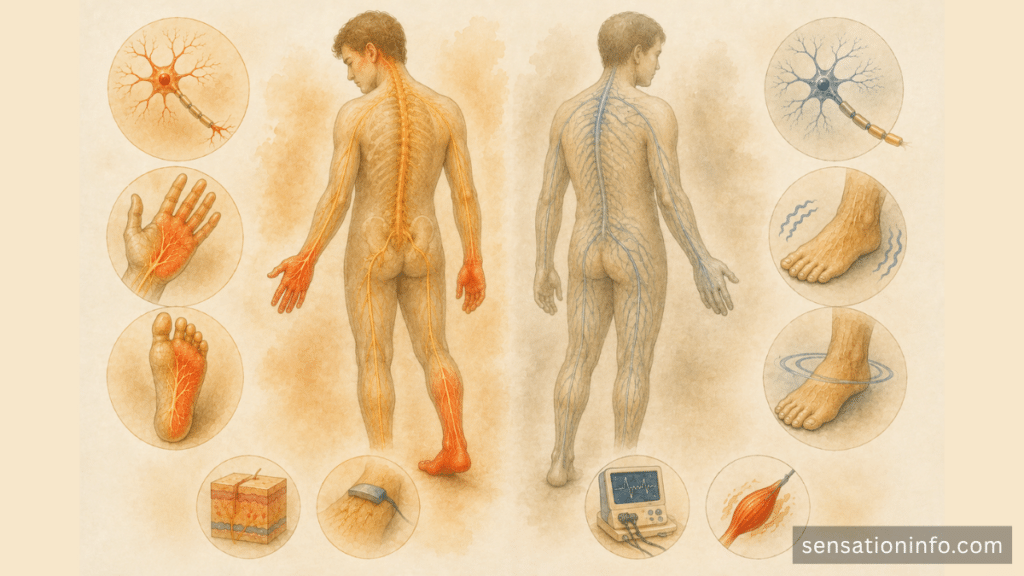
Small and large nerve fibers perform different jobs, so the symptoms can differ.
| Feature | Small fiber involvement | Large fiber involvement |
| Main sensations | Burning, prickling, painful sensitivity, altered temperature sensation | Reduced vibration, position sense, or touch |
| Common complications | Pain, allodynia, sweating changes, dizziness, blood pressure changes | Loss of balance, clumsiness, falls, weakness, reduced reflexes |
| Routine nerve studies | May be normal | More likely to show abnormalities |
| Useful specialized testing | Skin biopsy or autonomic testing may help | Nerve conduction studies and electromyography may help |
| Common distribution | Feet and hands, though other areas may be involved | Feet and hands or specific nerve territories |
Some people have both small and large fiber involvement. A normal result on one test does not exclude every type of neuropathy.
Which autonomic symptoms need attention?
Autonomic symptoms can affect blood pressure, heart rate, sweating, digestion, and bladder function. Lightheadedness after standing may occur when blood pressure does not adjust normally.
Tell a clinician if you faint, nearly faint, have repeated palpitations, cannot tolerate heat, sweat much more or less than usual, or have persistent digestive or bladder changes. These symptoms have many causes, so they should not automatically be attributed to neuropathy.
Call 112 in India or 911 internationally for fainting with chest pain, severe shortness of breath, a sustained irregular heartbeat, new confusion, severe weakness, or a serious injury.
What tests are used to diagnose small fiber neuropathy?
Clinicians diagnose small fiber neuropathy using a combination of the clinical history, neurologic examination, and specialized testing. The most common diagnostic tests include:
- Blood tests for glucose, vitamin levels, thyroid function, kidney function, blood counts, inflammation, immune conditions, or infections.
- Nerve conduction studies and electromyography to look for large fiber or muscle involvement.
- A skin biopsy to measure small nerve fiber density.
- Autonomic testing, such as a test that measures sweat gland function.
- Blood pressure and heart rate measurements while changing position.
- Genetic testing when the history suggests an inherited disorder.
- Imaging when a spine, brain, or another structural problem is suspected.
A skin biopsy is a medical procedure and should be interpreted with the symptom history and examination. A test result alone does not determine the cause or the best treatment.
What should you tell your clinician?
Describe where symptoms began, whether they are equal on both sides, how quickly they developed, and whether they are spreading. Explain whether light touch, clothing, bedsheets, temperature, walking, or exercise triggers pain.
Mention dizziness, fainting, palpitations, sweating changes, digestive symptoms, bladder changes, sexual symptoms, weakness, balance problems, falls, rashes, and sleep disruption.
Bring information about diabetes, blood sugar results, alcohol use, diet, autoimmune disease, infections, cancer treatment, medicines, toxins, family history, and recent illness.
How is small fiber neuropathy treated?
Treatment has two main goals: address the underlying cause when one is found and reduce the effect of nerve symptoms on daily life.
If diabetes or impaired glucose regulation contributes, the care plan may focus on blood sugar and cardiovascular risks. Vitamin deficiency, thyroid disease, immune disease, infection, medicine exposure, and toxin exposure each require cause-specific management.
Pain treatment may include clinician-selected nerve pain medications (such as neuromodulating drugs or topical anesthetics), physical therapy, counseling, sleep support, desensitization, or other approaches. Do not start or stop prescription pain medicine without medical advice.
Autonomic symptoms may require fluid, posture, activity, meal, or medication adjustments directed by a clinician. Fainting, repeated falls, severe dizziness, or heart rhythm symptoms need focused assessment.
How can you protect yourself from complications?
Reduced pain and temperature sensation can make it easier to miss a burn, cut, pressure injury, or infection. Check your feet and other numb areas regularly. Test bath water with an area of normal sensation or a thermometer rather than relying on numb skin.
Wear supportive shoes, keep walkways clear, use adequate lighting, and ask about balance therapy if you are unsteady. Avoid heating pads, hot water bottles, and extreme temperatures on areas with reduced sensation.
Follow the plan for diabetes or another condition that affects your nerves. Limit alcohol, avoid tobacco, use protective equipment around chemicals, and ask a clinician before taking supplements.
Can small fiber neuropathy improve?
The outlook depends on the cause, the amount of nerve damage, and how early the contributing problem is addressed. Symptoms may improve when an underlying cause is treated, but some people need long-term symptom management.
Small fiber neuropathy is not usually an immediate life-threatening condition by itself, but it can signal another illness and can increase the risk of burns, sleep disruption, falls, dehydration, or fainting. Regular follow-up helps track changes and adjust care.
When should you seek medical care?
Arrange a medical visit for persistent burning, painful tingling, numbness, altered temperature sensation, repeated dizziness, sweating changes, palpitations, digestive changes, or symptoms that affect sleep or daily activities.
Seek prompt care for worsening weakness, repeated falls, new bladder or bowel problems, rapidly spreading symptoms, severe pain, or a new rash. Call 112 in India or 911 internationally for sudden weakness, facial drooping, speech trouble, severe breathing difficulty, chest pain, fainting with concerning symptoms, or new loss of coordination.
Key Takeaways
1.Small fiber neuropathy affects tiny sensory and autonomic nerves and commonly causes burning, painful tingling, or altered temperature sensation.
2.Autonomic symptoms may include dizziness after standing, fainting, palpitations, sweating changes, heat intolerance, and digestive or bladder symptoms.
3.Diabetes, impaired glucose regulation, autoimmune disease, infection, vitamin deficiency, medicines, toxins, inherited disorders, and unknown causes can contribute.
4.Routine nerve conduction studies can be normal in small fiber neuropathy, so diagnosis may require skin biopsy, autonomic testing, laboratory evaluation, and clinical examination.
5.Treatment focuses on the underlying cause, symptom management, safety, rehabilitation, and prevention of burns and falls.
Frequently Asked Questions
Small fiber neuropathy is a disorder that damages tiny sensory and autonomic nerves. It commonly causes burning, painful tingling, numbness, or altered temperature sensation in the hands and feet and may also affect sweating, blood pressure, heart rate, digestion, or bladder function.
It may feel like burning, pins and needles, prickling, buzzing, electric shocks, crawling, unusual heat or cold, or pain from light touch. Symptoms may be constant, intermittent, or gradually worsening.
Diabetes and impaired glucose regulation are common causes, but autoimmune disease, infection, vitamin deficiency, thyroid or kidney disease, medicines, toxins, inherited disorders, and unknown causes can also contribute.
Treatment focuses on the underlying cause and may include clinician selected pain treatment, physical therapy, desensitization, sleep support, counseling, fall prevention, and care for autonomic symptoms. Treatment should be individualized by a qualified clinician.
Doctor’s Recommendation
Small fiber neuropathy is a named condition that deserves a cause focused evaluation rather than a general explanation of tingling. A general neuropathy resource may help readers understand the wider condition family, while this article addresses the small fiber pattern and its specialized testing.
Conclusion
Small fiber neuropathy can cause burning pain, painful tingling, numbness, temperature changes, and sensitivity to light touch. When autonomic fibers are involved, dizziness, fainting, sweating changes, palpitations, and digestive symptoms may also occur. A clinician can investigate diabetes, immune conditions, infections, nutritional problems, medicines, toxins, inherited disorders, and other causes. Early evaluation supports safer symptom management and may help protect nerve function.
References
- Cleveland Clinic. Small Fiber Neuropathy: What It Is, Symptoms and Treatment.
- National Institute of Neurological Disorders and Stroke. Peripheral Neuropathy. NINDS.
- Mayo Clinic. Peripheral Neuropathy: Symptoms and Causes. Mayo Clinic.
- National Library of Medicine. Numbness and Tingling. MedlinePlus Medical Encyclopedia.