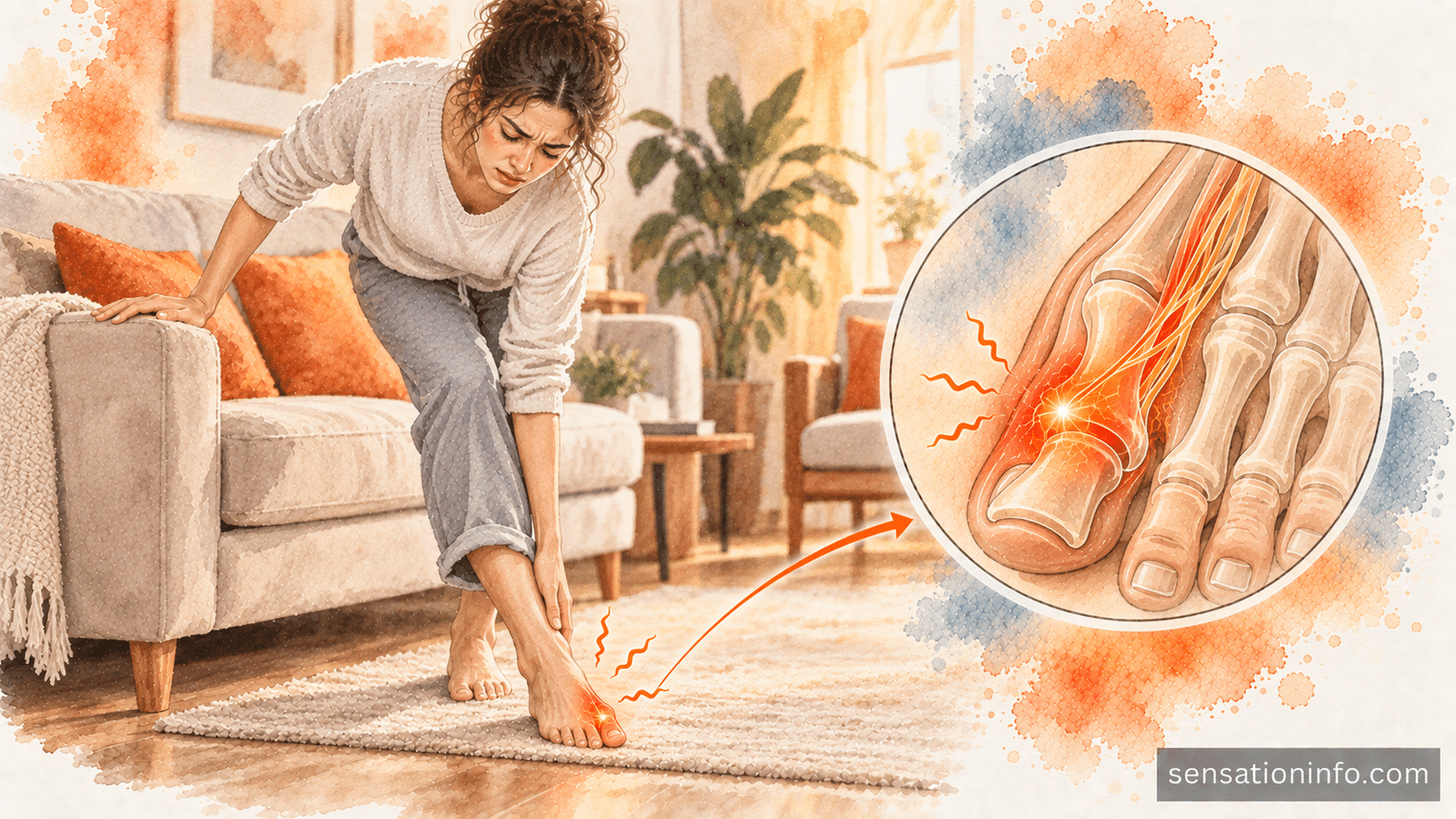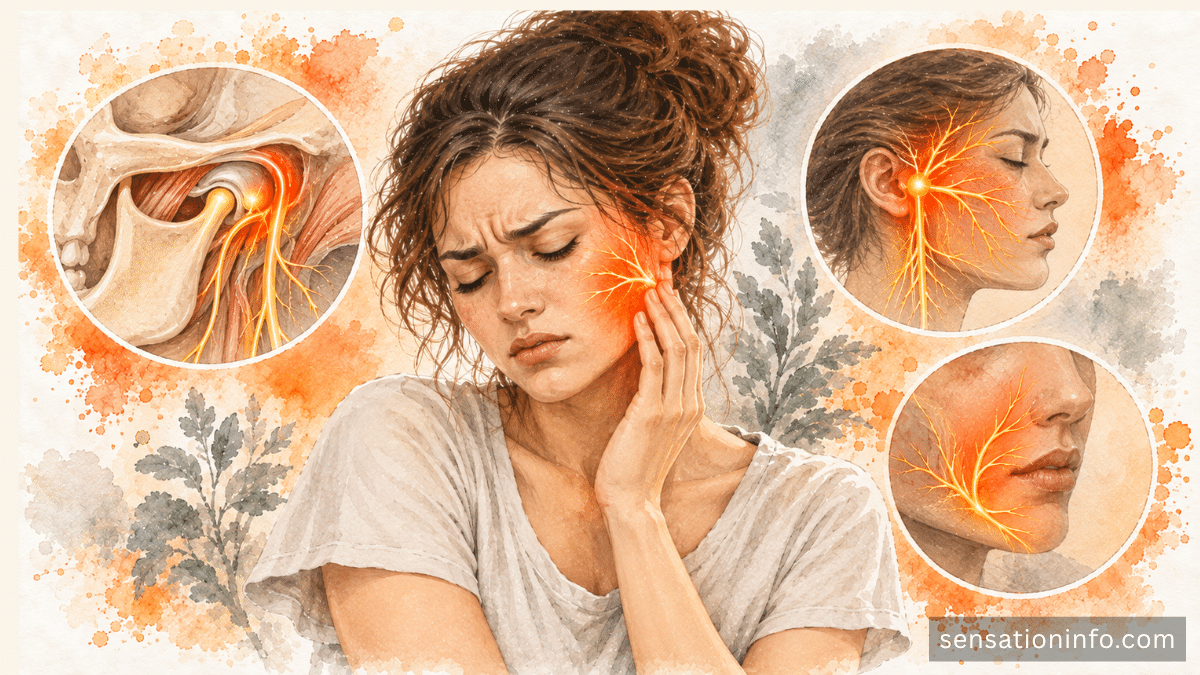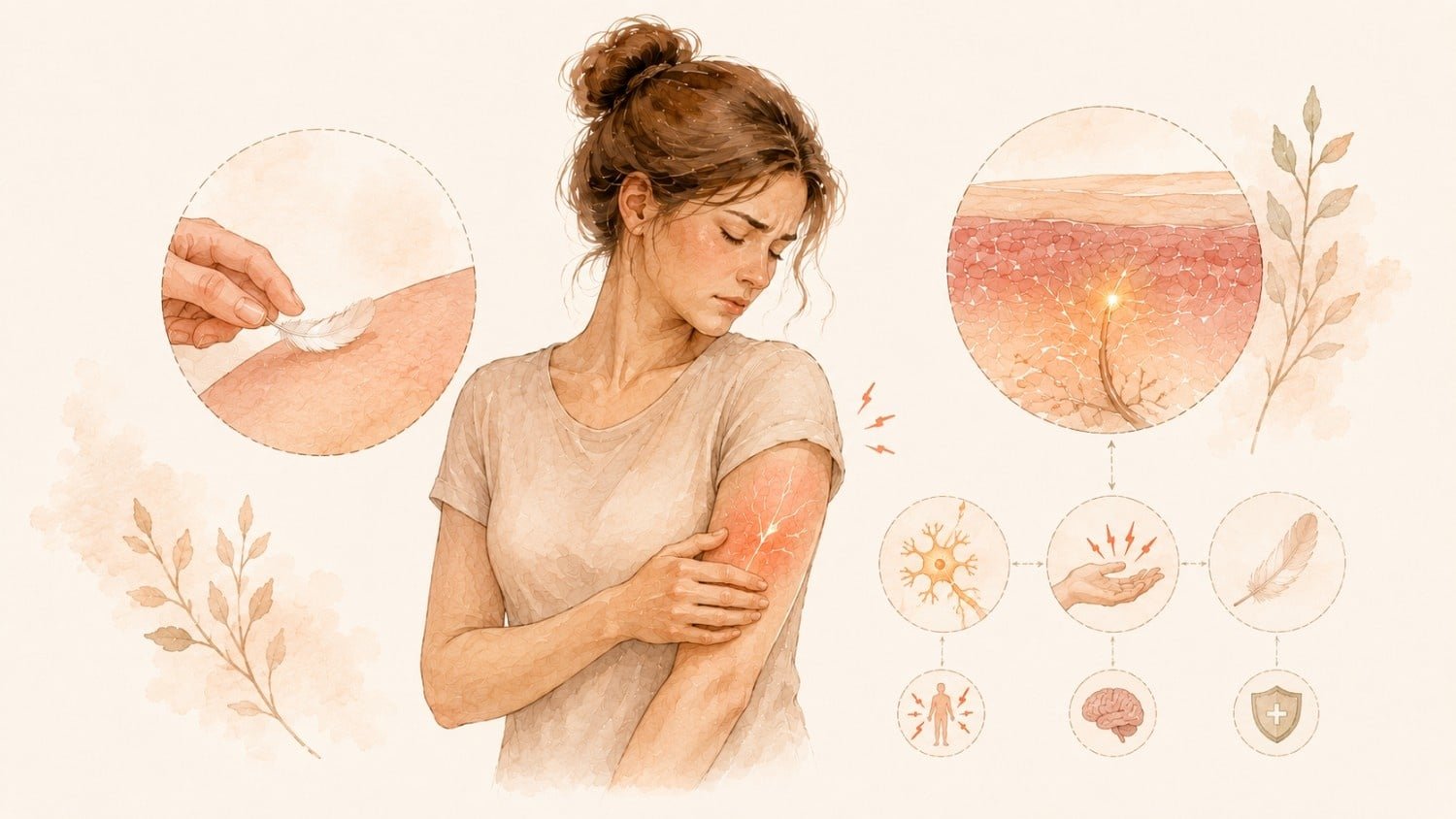

The first time I heard the word “allodynia” was during a conversation with a friend who genuinely couldn’t wear her own bedsheet without flinching. She wasn’t exaggerating. Something as gentle as fabric brushing her skin sent sharp pain through her arms. Her doctor explained that her nerves were misreading harmless signals as danger, and that’s exactly what allodynia is.
If you’ve ever felt pain from something that shouldn’t hurt, like a hairbrush, a soft hug, or even cool air on your skin, you’re not imagining it. Allodynia is a real, medically recognised condition, and understanding it can completely change how you manage it. Let me walk you through everything I’ve learned about it.
What Is Allodynia?
Allodynia is a type of nerve pain where your body reacts to non-painful stimuli as if they were painful. According to the International Association for the Study of Pain (IASP), it’s classified as a neuropathic condition, meaning the issue lies in how your nervous system processes sensation.
In simpler terms, your nerves are sending false alarms. A breeze, a soft touch, or even your own clothing can trigger pain because the brain misinterprets the input. It’s not a sign of weakness or sensitivity. It’s a genuine neurological glitch.
What makes allodynia particularly tricky is that it often shows up alongside other conditions like migraines, fibromyalgia, and diabetic neuropathy. That overlap is why it took the medical community a long time to fully understand it.
The Different Types of Allodynia
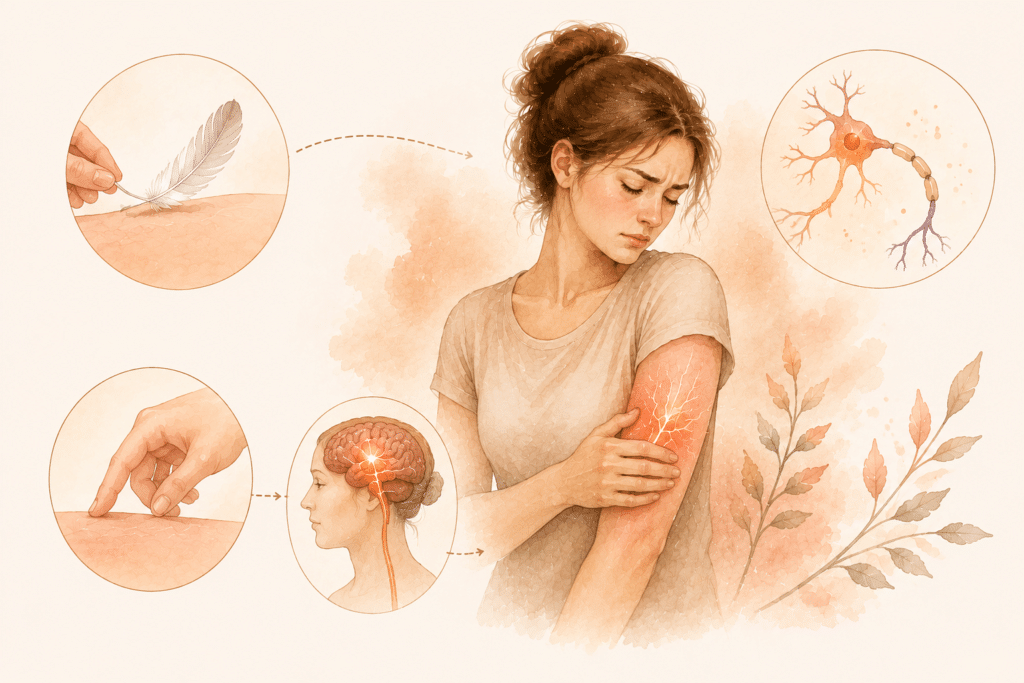
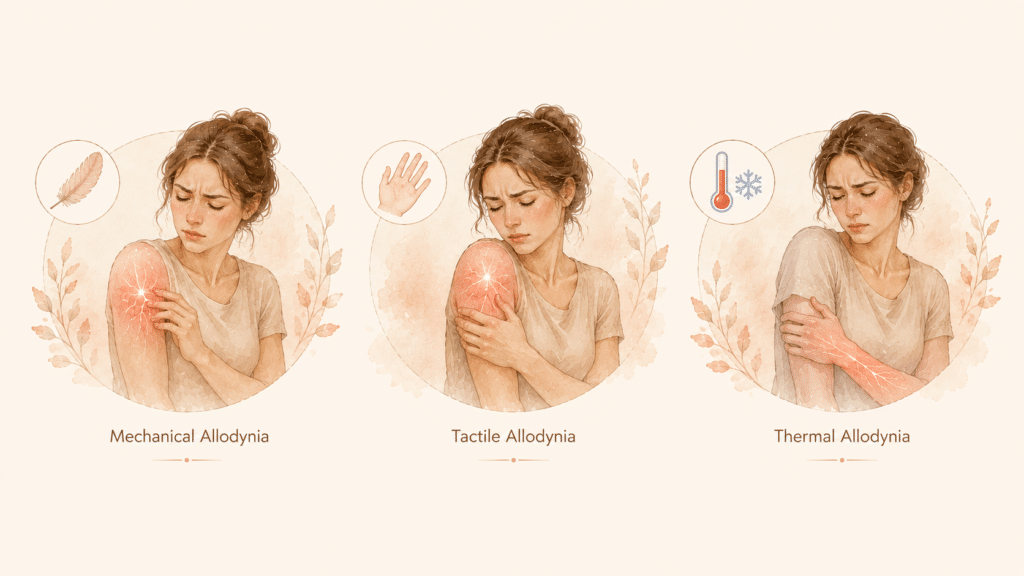
Not all allodynia feels the same, and that’s something most people don’t realise until they experience it. Doctors typically classify it into three main types based on what triggers the pain.
Mechanical Allodynia
This is probably the most common form I’ve come across when reading patient accounts and clinical literature. It’s triggered by physical touch or movement. Think of someone gently stroking your arm or even the friction of your shirt collar on your neck.
Mechanical allodynia is further split into static (caused by light pressure, like a fingertip) and dynamic (caused by movement, like a brush stroke). Both can be intensely uncomfortable depending on the severity.
Thermal Allodynia
This is when mild temperature changes feel painful. A glass of room-temperature water on the lips, cool air from an AC vent, or warm shower water can suddenly feel sharp or burning. People with thermal allodynia often struggle in seasonal transitions because their bodies overreact to small temperature shifts.
Tactile Allodynia
Tactile allodynia overlaps closely with mechanical allodynia, but it’s specifically about light, surface-level touch. The classic example is bedsheets feeling unbearable at night, or a partner’s gentle hug causing genuine pain.
What Causes Allodynia?
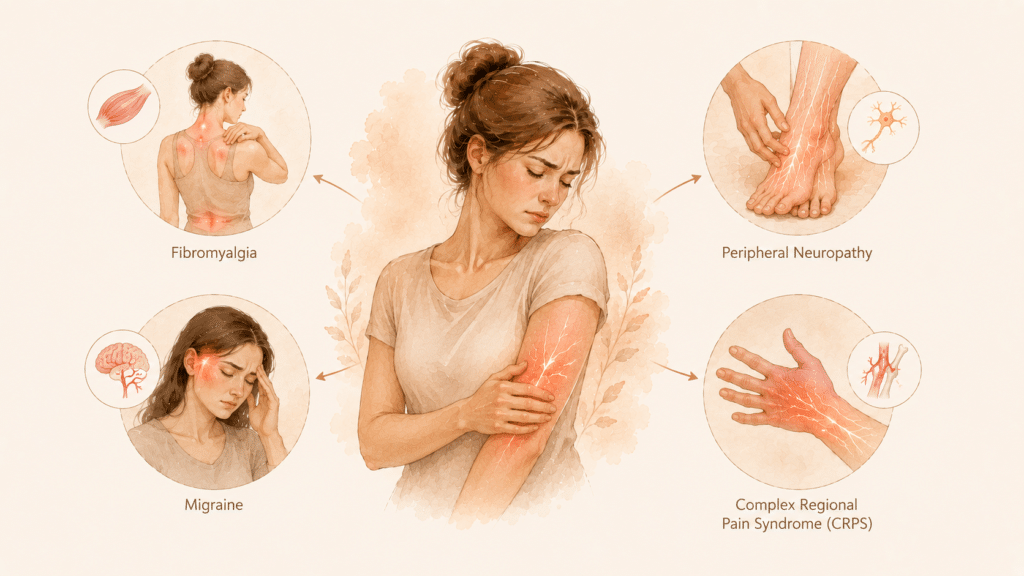
This is where things get interesting, because allodynia rarely shows up alone. It’s almost always linked to an underlying condition affecting the nervous system. Here are the most documented causes.
Fibromyalgia
Fibromyalgia is one of the leading causes of allodynia. The condition is associated with widespread pain and heightened nerve sensitivity. Research published by the Mayo Clinic and the National Institute of Arthritis confirms that people with fibromyalgia often experience central sensitisation, where the nervous system amplifies pain signals.
I’ve spoken with several people managing fibromyalgia, and almost all of them describe some form of allodynia, especially during flare-ups. For them, even a hug from a loved one can feel like a physical jolt.
Migraine
Migraines and allodynia have a strong, well-documented link. The American Migraine Foundation states that nearly two-thirds of chronic migraine sufferers experience allodynia during attacks. Pulling your hair into a ponytail, wearing glasses, or having your scalp touched can become unbearable.
This happens because migraines trigger central sensitisation in the brain, making nerves hypersensitive to even routine sensations.
Peripheral Neuropathy
Conditions like diabetic neuropathy, post-shingles nerve damage, or chemotherapy-induced nerve damage often lead to allodynia. When peripheral nerves get damaged, they start misfiring, sending pain signals at the slightest provocation.
This is why diabetic patients sometimes describe burning or stinging pain in their feet from something as simple as putting on socks.
Complex Regional Pain Syndrome (CRPS)
CRPS is a chronic pain condition that often develops after an injury or surgery. Allodynia is one of its hallmark symptoms. Even years after the original injury heals, patients can still feel pain from light touch on the affected limb.
Other Triggers
Postherpetic neuralgia (after shingles), multiple sclerosis, and certain vitamin deficiencies can also cause allodynia. In some cases, prolonged stress and poor sleep make nerve sensitivity worse, which is why doctors often look at lifestyle factors during diagnosis.
How Allodynia Gets Diagnosed
Diagnosing allodynia isn’t always straightforward because it’s a symptom rather than a standalone disease. Doctors usually start by ruling out other causes of pain and identifying the underlying condition.
A neurologist or pain specialist will typically take a detailed medical history, perform a physical exam, and use specific tools like a soft brush, cotton swab, or temperature probes to test how your skin responds to various stimuli. If those harmless stimuli cause pain, allodynia is confirmed.
Sometimes, doctors order nerve conduction studies or blood tests to identify whether neuropathy, autoimmune issues, or deficiencies are contributing. The diagnostic process can feel slow, but it’s worth being thorough because the right treatment depends on identifying the root cause.
Treatment Options That Actually Help
There’s no one-size-fits-all cure for allodynia, but several treatments have strong clinical backing. The best approach usually combines medication, therapy, and lifestyle changes.
Medications
Doctors often prescribe medications that target nerve pain rather than typical painkillers. Drugs like gabapentin, pregabalin (Lyrica), and certain antidepressants such as duloxetine are commonly used because they help calm overactive nerves.
Topical treatments like lidocaine patches or capsaicin cream can also provide localised relief, especially for people with shingles-related or post-injury allodynia.
Physical Therapy
Gentle physical therapy plays a huge role in managing allodynia. Techniques like graded motor imagery and desensitisation therapy help retrain the nervous system to respond normally to touch. It sounds counterintuitive, but slowly exposing the skin to mild stimuli often reduces sensitivity over time.
Cognitive Behavioural Therapy (CBT)
Chronic pain affects mental health, and mental health affects pain perception. CBT helps patients reframe how they respond to pain signals, which can genuinely reduce the intensity of allodynia episodes. Many pain clinics now include CBT as part of standard care.
Lifestyle Adjustments
Sleep, hydration, and stress management matter more than people realise. Poor sleep alone can worsen nerve sensitivity. Regular movement, balanced nutrition, and mindfulness practices like meditation or yoga have been shown to reduce flare-ups in fibromyalgia and migraine-related allodynia.
For those with diabetic neuropathy, controlling blood sugar levels is the single most important step.
Emerging Treatments
Treatments like transcranial magnetic stimulation (TMS), nerve blocks, and Botox injections are being explored for severe cases, especially in chronic migraine patients. While these are still evolving, they offer hope for people who haven’t found relief through traditional methods.
Frequently Asked Questions
Not always. If the underlying cause is treatable, like a vitamin deficiency or a migraine episode, allodynia can fade. Chronic causes like fibromyalgia may require long-term management.
Yes. Stress doesn’t directly cause allodynia, but it can worsen nerve sensitivity, especially in people already prone to chronic pain conditions.
Absolutely. Many migraine sufferers report scalp tenderness, sensitivity to glasses, or pain from brushing their hair during attacks.
Hyperalgesia means feeling exaggerated pain from something that’s already painful. Allodynia means feeling pain from something that shouldn’t hurt at all.
Gentle desensitisation, warm baths (if temperature isn’t a trigger), good sleep hygiene, and stress reduction can help. But always consult a doctor before starting any routine.
Final Thoughts
Allodynia is one of those conditions that sounds confusing until you see it in real life. Watching someone wince at a soft touch or pull away from a hug makes you realise how unpredictable the nervous system can be. It’s not dramatic, and it’s definitely not in their head.
The encouraging part is that allodynia is treatable, and awareness has grown significantly in the last decade. If you or someone close to you experiences pain from harmless stimuli, please don’t dismiss it. Talk to a neurologist or pain specialist, identify the root cause, and explore the right treatment plan.
Pain that doesn’t make sense often has a real explanation. And once you find it, life genuinely starts feeling lighter again.