

As I sit down to write about how to stop tingling in hands at night, I’m reminded of a patient who came to me with this very issue. She was desperate for a solution, as the tingling was disrupting her sleep and affecting her daily life. I understood her frustration, and I’m happy to share my knowledge with you, so you can find relief from this annoying symptom.
Tingling in hands at night is a common problem that many people experience. It can be caused by a variety of factors, including poor circulation, nerve compression, or underlying medical conditions. Whatever the reason, it’s essential to address the issue to get a good night’s sleep and prevent long-term damage to your hands.
In this article, I’ll cover everything you need to know about how to stop tingling in hands at night. From understanding the causes to trying home remedies and medical treatments, I’ll guide you through the process of finding relief from this frustrating symptom. So, let’s dive into the world of tingling hands and explore the solutions together.
Why Does Tingling in Hands Happen at Night?
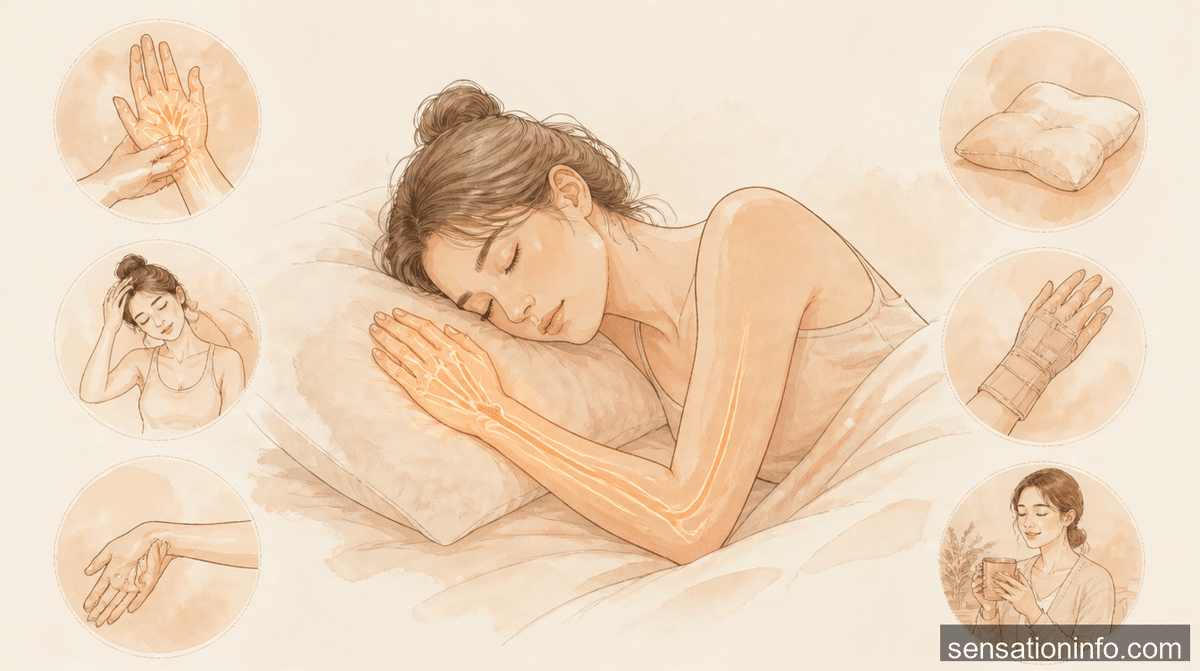
I often get asked why tingling in hands happens at night. The answer lies in our daily activities and how they affect our bodies. During the day, we’re usually active, and our hands are in constant motion. However, when we sleep, our hands are often in a fixed position, which can lead to nerve compression and poor circulation. This compression and reduced blood flow can cause the tingling sensation, especially if you sleep with your hands in a bent or twisted position.
As a medical professional, I’ve seen many patients who experience tingling in their hands at night due to underlying medical conditions. Diabetes, peripheral neuropathy, and carpal tunnel syndrome are just a few examples of conditions that can cause tingling in hands. If you’re experiencing persistent or severe tingling, it’s essential to consult with your doctor to rule out any underlying conditions.
Medical Review Note
Before we proceed, I want to emphasize the importance of consulting with a medical professional if you’re experiencing persistent or severe tingling in your hands. While I’ll provide you with valuable information and tips, it’s crucial to get a proper diagnosis and treatment plan from a qualified doctor. In some cases, tingling in hands can be a symptom of an underlying condition that requires medical attention.

Quick-Answer Box
If you’re looking for a quick solution to stop tingling in your hands at night, here’s a summary of the steps you can take:
- Stretch your hands and wrists before bed
- Use a wrist brace to keep your hands in a neutral position
- Apply heat or cold compresses to reduce discomfort
- Try relaxation techniques, such as deep breathing or meditation, to reduce stress
Symptoms Checklist
To better understand your condition, let’s go through a symptoms checklist:
- Do you experience tingling in your hands at night?
- Do you have numbness or weakness in your hands or fingers?
- Do you have pain or discomfort in your hands or wrists?
- Do you have difficulty moving your hands or fingers?
- Have you noticed any changes in your hand sensation or strength?

Causes of Tingling in Hands
Now, let’s explore the possible causes of tingling in hands. As I mentioned earlier, poor circulation, nerve compression, and underlying medical conditions are common culprits. Other factors, such as:
- Vitamin deficiencies (e.g., vitamin B12 deficiency)
- Medications (e.g., beta-blockers, certain antidepressants)
- Trauma or injury to the hands or wrists
- Repetitive strain injuries (e.g., from typing or using a computer mouse)
can also contribute to tingling in hands.
Step-by-Step Treatment
To stop tingling in hands at night, follow these step-by-step treatment plans:
To stop tingling in hands at night, follow these step-by-step treatment plans:
1. Stretching exercises: Stretch your hands and wrists before bed to improve circulation and reduce nerve compression.
2. Wrist brace: Use a wrist brace to keep your hands in a neutral position and reduce pressure on your wrists.
3. Heat or cold therapy: Apply heat or cold compresses to your hands to reduce discomfort and improve circulation.
4. Relaxation techniques: Practice relaxation techniques, such as deep breathing or meditation, to reduce stress and promote relaxation.
5. Medical treatment: If you have an underlying medical condition, follow your doctor’s treatment plan to manage your condition and alleviate symptoms.
Frequently Asked Questions
A: The most common causes of tingling in hands at night include poor circulation, nerve compression, and underlying medical conditions such as diabetes, peripheral neuropathy, and carpal tunnel syndrome.
A: To stop tingling in your hands at night, try stretching your hands and wrists before bed, using a wrist brace, applying heat or cold compresses, and practicing relaxation techniques such as deep breathing or meditation.
A: Yes, vitamin deficiencies, such as vitamin B12 deficiency, can cause tingling in hands. If you’re experiencing persistent or severe tingling, consult with your doctor to rule out any underlying vitamin deficiencies.
A: To prevent tingling in your hands at night, maintain good posture, take regular breaks to stretch and move your hands and wrists, exercise regularly, and avoid smoking.
A: If you’re experiencing persistent or severe tingling in your hands, numbness or weakness in your hands or fingers, or difficulty moving your hands or fingers, consult with your doctor to rule out any underlying medical conditions.
When to See a Doctor
If you’re experiencing any of the following symptoms, consult with your doctor:
- Persistent or severe tingling in your hands
- Numbness or weakness in your hands or fingers
- Pain or discomfort in your hands or wrists
- Difficulty moving your hands or fingers
- Changes in your hand sensation or strength
Sleep-Position Fixes
To reduce tingling in your hands at night, try the following sleep-position fixes:
- Sleep on your back with your hands by your sides
- Use a pillow to support your hands and wrists
- Avoid sleeping on your stomach with your hands under your body
Wrist-Brace How-To
To use a wrist brace to reduce tingling in your hands, follow these steps:
To use a wrist brace to reduce tingling in your hands, follow these steps:
1. Choose a wrist brace that fits comfortably
2. Wear the wrist brace during the day and at night
3. Adjust the wrist brace to keep your hands in a neutral position
Stretch Sequence
To reduce tingling in your hands, try the following stretch sequence:
1. Wrist extension stretch: Hold your arm straight out in front of you and lift your hand up, using your other hand to gently pull your hand back.
2. Wrist flexion stretch: Hold your arm straight out in front of you and bend your hand down, using your other hand to gently pull your hand down.
3. Finger stretch: Hold your arm straight out in front of you and spread your fingers apart, using your other hand to gently pull your fingers apart.
In conclusion, tingling in hands at night can be a frustrating and debilitating symptom. However, by understanding the causes and trying the step-by-step treatment plans, home remedies, and prevention tips outlined in this article, you can find relief from this annoying symptom. Remember to consult with your doctor if you’re experiencing persistent or severe tingling, and don’t hesitate to reach out if you have any further questions or concerns.
As a medical professional, I’m committed to providing you with accurate and reliable information to help you manage your health. I hope this article has been helpful in addressing your concerns about tingling in hands at night. If you have any further questions or topics you’d like me to cover, please don’t hesitate to ask.
*Article written by Dr Peeyush Kumawat at Sensationinfo.com*