
Introduction to Pins and Needles
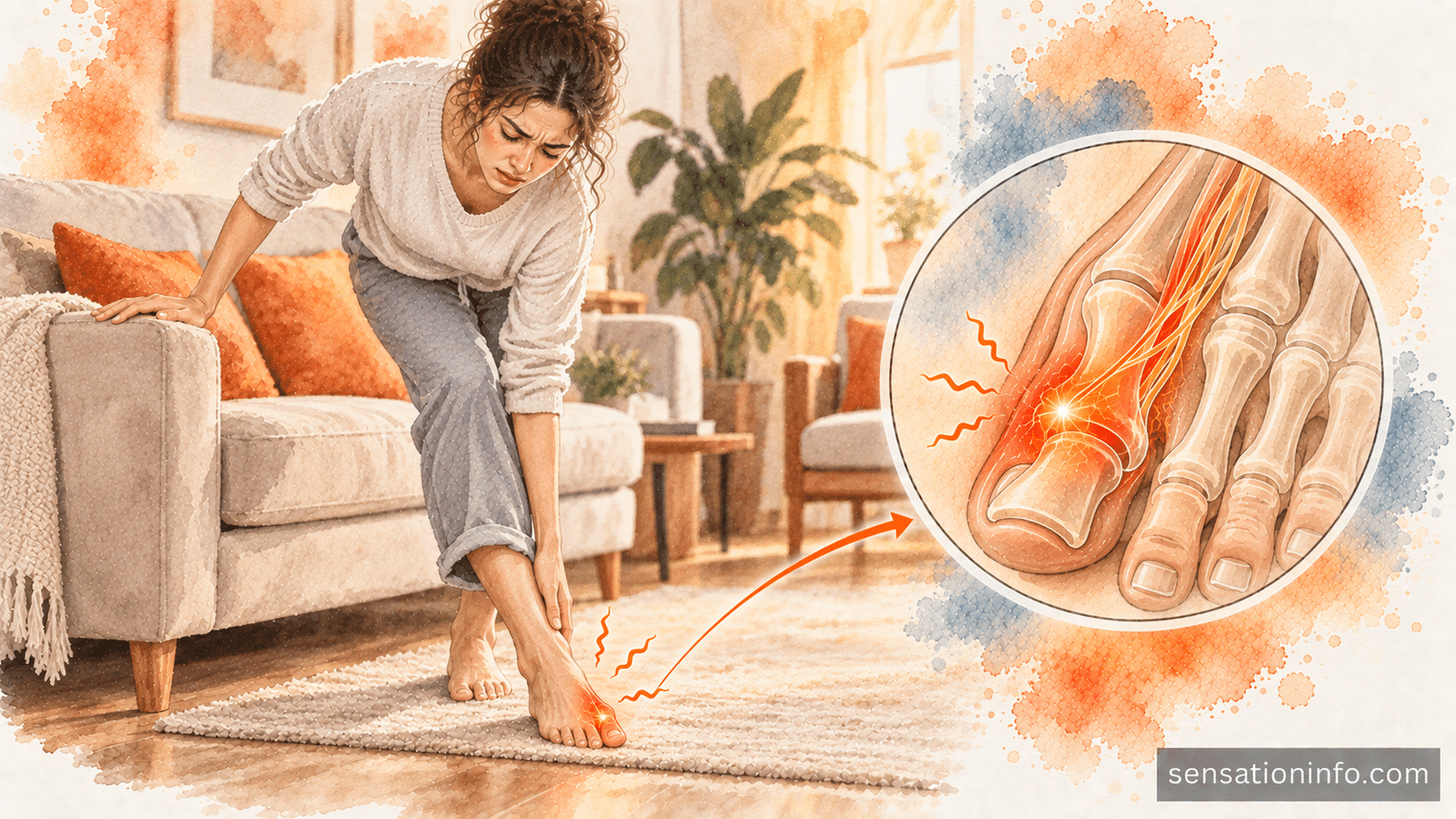
As a medical professional, I’ve seen many patients dealing with the frustrating and sometimes painful sensation of pins and needles in their feet. This feeling, also known as paresthesia, can be temporary or persistent, depending on the underlying cause. I recall a patient who came to me with complaints of constant numbness and tingling in her feet, which turned out to be a symptom of a vitamin deficiency. Her story is a great example of how important it is to address this issue promptly. In this article, I’ll guide you through the process of getting rid of pins and needles in your feet, starting with some immediate movement steps you can try.
Understanding the Condition
Pins and needles can be a symptom of various conditions, ranging from mild to severe. Before we dive into the treatment, it’s essential to understand that if you’re experiencing persistent or severe numbness, tingling, or pain in your feet, you should consult a medical professional for a thorough evaluation. As a doctor, I always advise my patients to seek medical attention if their symptoms worsen or interfere with their daily activities. In some cases, pins and needles can be a sign of an underlying condition that needs medical attention.
Quick-Answer Box
If you’re looking for a quick solution to get rid of pins and needles in your feet, here’s a snippet of what you can try:
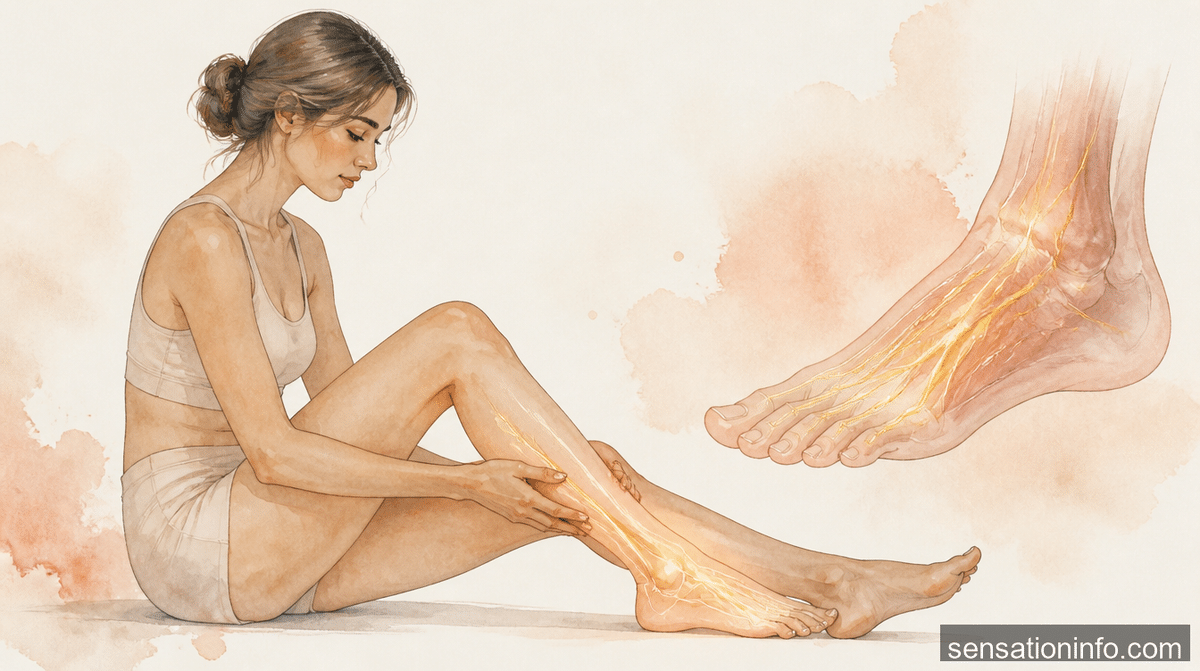
- Take a warm bath to relax your muscles and improve blood circulation.
- Engage in gentle foot exercises, such as toe wiggling and ankle rotations.
- Avoid crossing your legs or ankles, which can restrict blood flow.
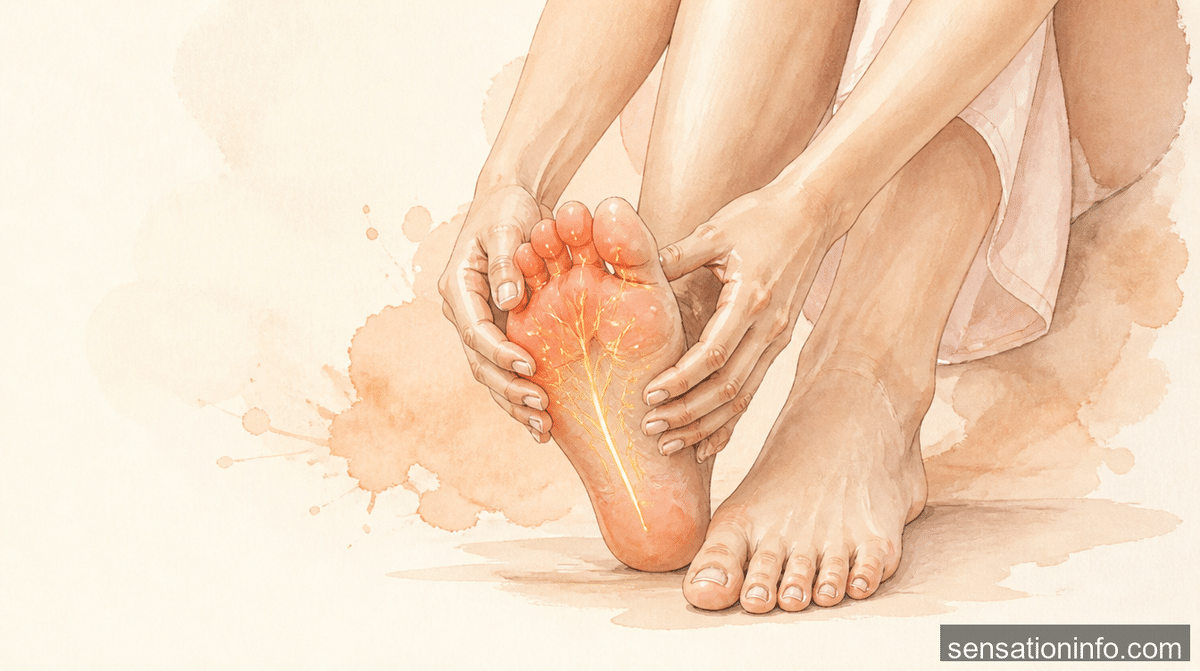
- Try massage therapy or self-massage to stimulate blood flow and relaxation.
Symptoms Checklist
To better understand your condition, let’s go through a checklist of common symptoms associated with pins and needles in the feet:
- Numbness or tingling sensations
- Burning or itching feelings
- Pain or cramping
- Weakness or fatigue in the feet or legs
- Difficulty walking or balance issues
If you’re experiencing any of these symptoms, it’s crucial to identify the underlying cause and seek proper treatment.
Causes of Pins and Needles
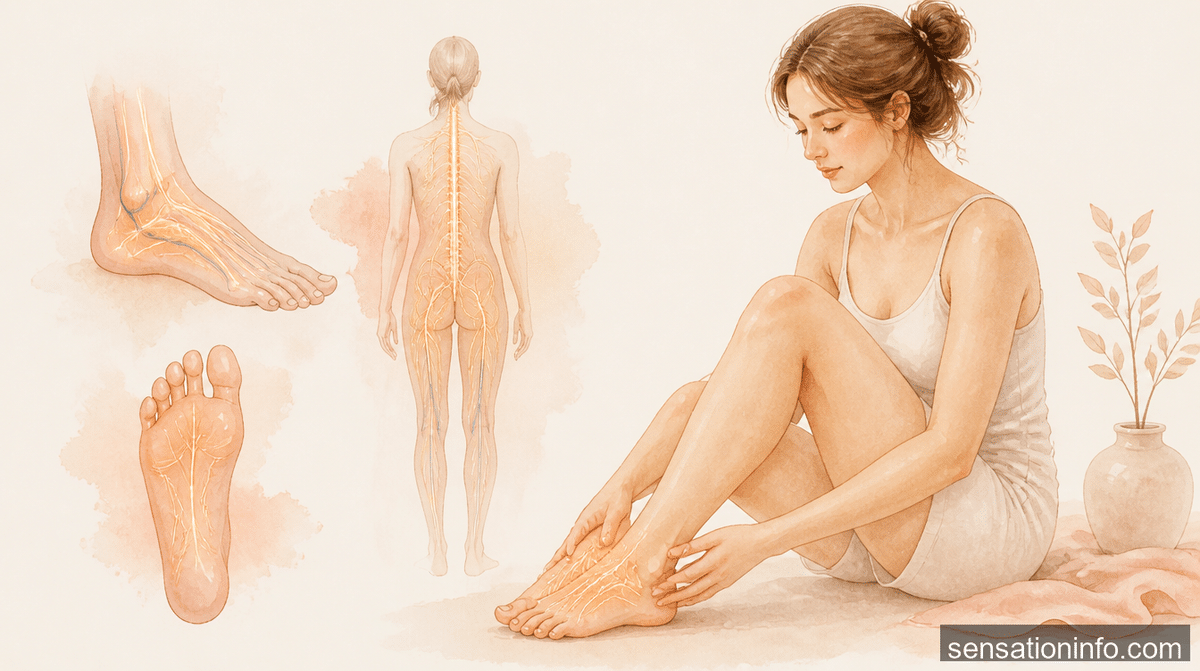
Pins and needles can be caused by various factors, including:
- Poor circulation: Reduced blood flow to the feet can lead to numbness and tingling sensations.
- Nerve damage: Injury or compression of the nerves in the feet or legs can cause pins and needles.
- Vitamin deficiencies: Lack of essential vitamins, such as vitamin B12, can contribute to nerve damage and paresthesia.
- Medical conditions: Certain conditions, like diabetes, multiple sclerosis, or peripheral neuropathy, can cause pins and needles in the feet.
- Lifestyle factors: Prolonged standing, sitting, or crossing your legs can restrict blood flow and lead to temporary numbness and tingling.
Step-by-Step Treatment
To get rid of pins and needles in your feet, follow these steps:
- Improve circulation: Engage in regular exercise, such as walking or swimming, to enhance blood flow to your feet.
- Manage medical conditions: If you have an underlying medical condition, work with your doctor to manage it effectively.
- Take supplements: Consider taking vitamin B12 supplements or other essential nutrients to support nerve health.
- Practice good foot care: Wash your feet daily, dry them thoroughly, and trim your toenails to prevent infections.
- Avoid restrictive clothing: Wear comfortable, loose-fitting clothing and shoes that don’t constrict your feet or legs.
Home Remedies
In addition to the step-by-step treatment, try these home remedies to alleviate pins and needles in your feet:
- Epsom salt baths: Soak your feet in warm water with Epsom salt to relax your muscles and improve circulation.
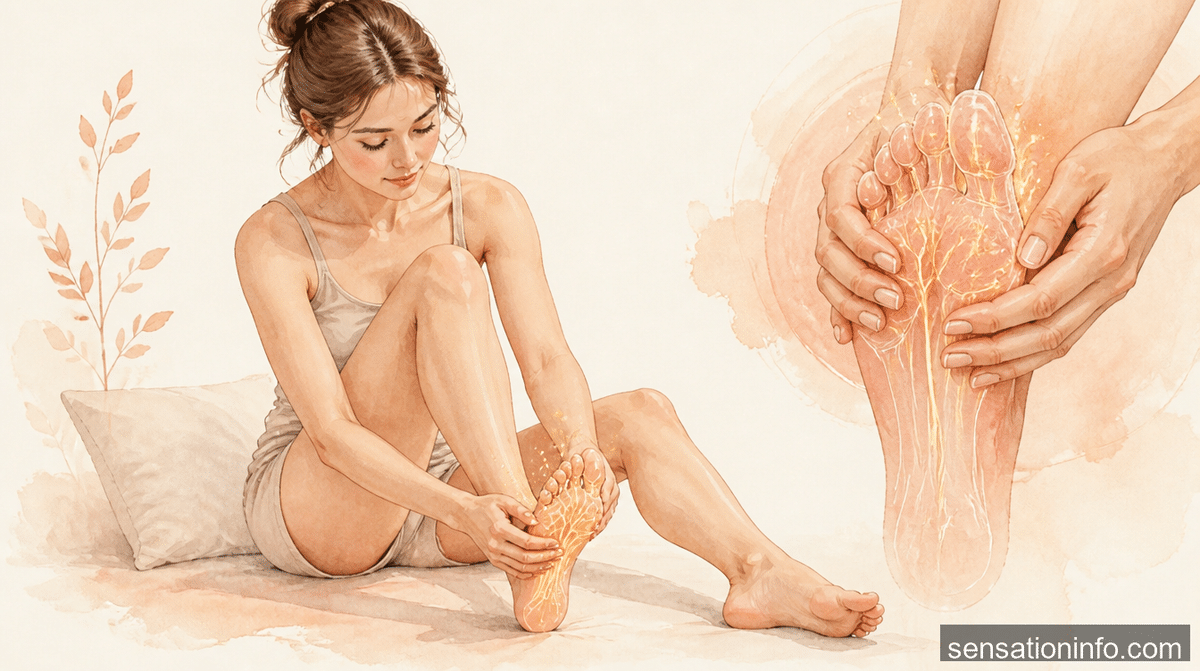
- Foot massages: Massage your feet gently to stimulate blood flow and reduce tension.
- Elevate your feet: Raise your feet above the level of your heart to reduce swelling and improve circulation.
Prevention Tips
To prevent pins and needles in your feet, follow these tips:
- Stay active: Regular exercise can help improve circulation and reduce the risk of nerve damage.
- Maintain a healthy diet: Eat a balanced diet rich in essential nutrients, including vitamin B12, to support nerve health.
- Avoid smoking: Smoking can damage blood vessels and reduce blood flow to your feet.
- Manage stress: Engage in stress-reducing activities, such as meditation or yoga, to reduce tension and promote relaxation.
Frequently Asked Questions
Pins and needles in the feet can be caused by poor circulation, nerve damage, vitamin deficiencies, medical conditions, or lifestyle factors. It’s essential to identify the underlying cause to develop an effective treatment plan.
To improve circulation in your feet, engage in regular exercise, such as walking or swimming, and practice good foot care, such as washing and drying your feet daily. You can also try elevation techniques, such as raising your feet above the level of your heart, to reduce swelling and improve circulation.
Yes, pins and needles in the feet can be a symptom of an underlying medical condition, such as diabetes, multiple sclerosis, or peripheral neuropathy. If you’re experiencing persistent or severe symptoms, consult a medical professional for a thorough evaluation.
To prevent pins and needles in your feet, stay active, maintain a healthy diet, avoid smoking, and manage stress. You can also try home remedies, such as Epsom salt baths and foot massages, to promote relaxation and improve circulation.
If you’re experiencing persistent or severe numbness, tingling, or pain in your feet, consult a medical professional for a thorough evaluation. Additionally, if you notice any changes in your symptoms or if they worsen over time, seek medical attention promptly.
When to See a Doctor
If you’re experiencing any of the following, it’s essential to consult a medical professional:
- Persistent or severe numbness, tingling, or pain in your feet
- Difficulty walking or balance issues
- Weakness or fatigue in your feet or legs
- Changes in your symptoms or if they worsen over time
As a doctor, I always advise my patients to seek medical attention if they’re unsure about their symptoms or if they’re concerned about their overall health.
Sources
For more information on pins and needles in the feet, consult reputable sources, such as the American Diabetes Association or the National Institute of Neurological Disorders and Stroke. These organizations provide valuable resources and guidance on managing and preventing paresthesia.
When it Won’t Go Away
If your pins and needles persist or worsen despite trying the above remedies, it’s essential to consult a medical professional for further evaluation and treatment. In some cases, underlying medical conditions may require more extensive treatment, such as medication or physical therapy.
Circulation Drills
To improve circulation in your feet, try these simple drills:
- Toe wiggling: Wiggle your toes back and forth to stimulate blood flow.
- Ankle rotations: Rotate your ankles in both clockwise and counterclockwise directions to improve circulation.
- Foot lifts: Lift your feet off the ground and hold for a few seconds to improve blood flow.
Remember to consult a medical professional before starting any new exercise routine, especially if you have any underlying medical conditions.
Final Thoughts
Getting rid of pins and needles in your feet requires a comprehensive approach that includes improving circulation, managing medical conditions, and practicing good foot care. By following the steps outlined in this article, you can alleviate your symptoms and promote overall foot health. Remember to consult a medical professional if your symptoms persist or worsen, as prompt treatment can help prevent long-term damage. As a medical expert, I’m committed to providing you with accurate and trustworthy information to help you take control of your health.
Article written by Dr Peeyush Kumawat at Sensationinfo.com