
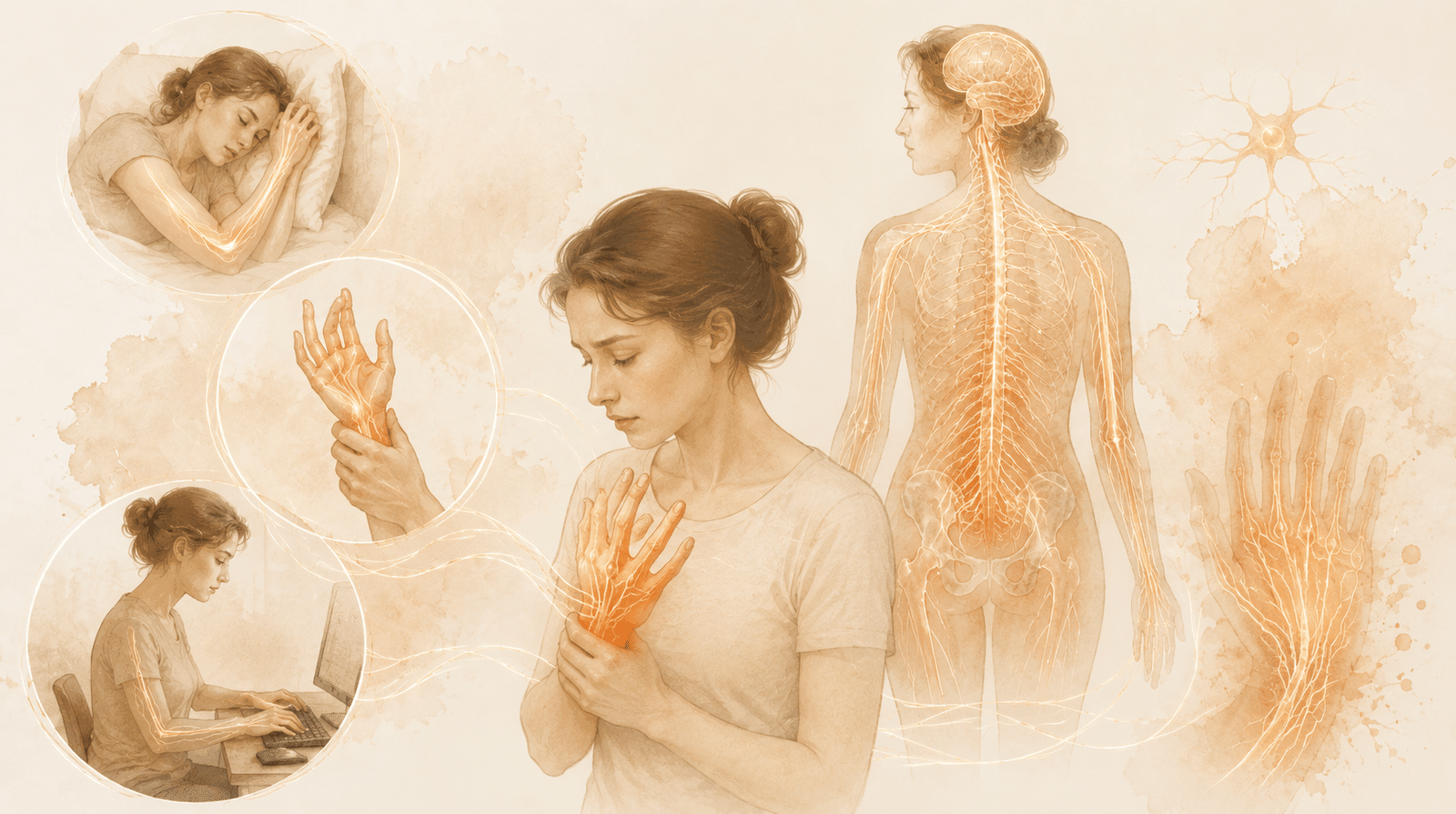

Numbness in your hands can strike while you sleep, while you type, or for no obvious reason at all, and the first question that crosses your mind is almost always the same: is this something serious? The answer depends entirely on whether the numbness is brief and positional or persistent and progressive. Knowing the difference, and understanding the nine most common medical causes behind hand numbness, puts you in a position to take the right next step with your doctor.
Temporary Numbness versus Persistent Numbness: Why This Distinction Matters
Hand numbness that resolves within seconds to minutes after changing position is almost always caused by brief mechanical compression of a nerve, not by disease. Sleeping with your wrist bent under a pillow or leaning on your elbow for an extended period temporarily restricts nerve signaling, and the sensation returns fully once pressure is removed. This is the same mechanism behind the familiar “hand falling asleep” experience that most adults recognize.
Persistent numbness is clinically different. When numbness in one or both hands lasts longer than an hour, recurs multiple times per week, or progressively worsens over days to weeks, the cause is no longer positional compression alone. Persistent patterns point toward ongoing nerve damage, systemic disease, or vascular compromise that requires medical evaluation. The National Institute of Neurological Disorders and Stroke classifies numbness that lasts beyond a brief positional episode as a symptom warranting clinical assessment, particularly when it affects specific fingers in a consistent pattern.
Approximately 2.4% of the global population is affected by peripheral neuropathy, according to the NIH, with prevalence rising to 8% in adults over age 55. These numbers make persistent hand numbness far more common than many people realize.
When Numbness in Your Hands Is a Medical Emergency
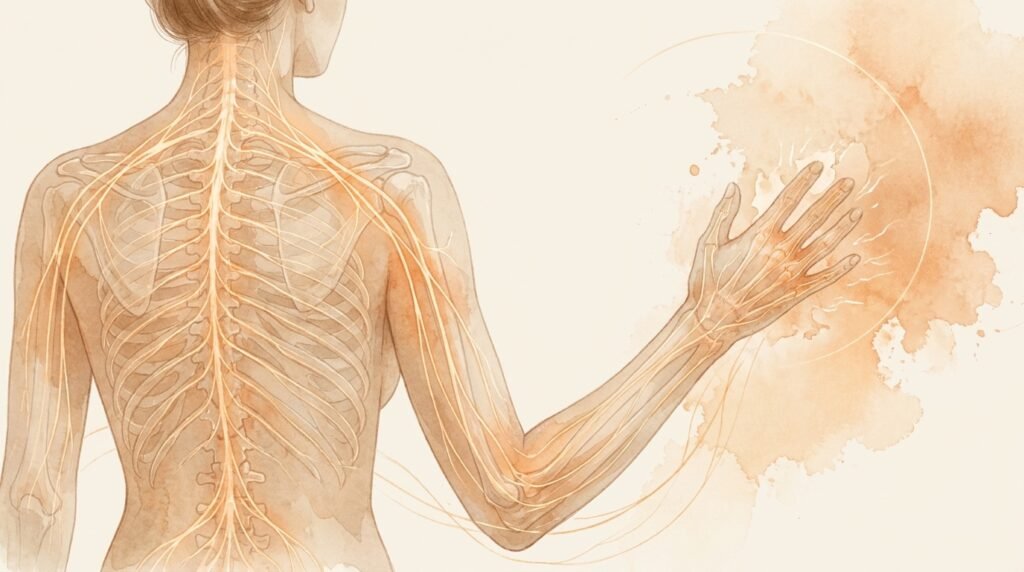
Sudden numbness in one hand, especially when it occurs alongside facial drooping, arm weakness, slurred speech, confusion, or a severe headache, may indicate a stroke requiring immediate emergency treatment by calling 911. The Centers for Disease Control and Prevention identifies sudden unilateral numbness as one of the primary warning signs of stroke, and treatment within the first three hours significantly improves outcomes.
Seek immediate emergency care if hand numbness appears with any of these symptoms:
Sudden numbness or weakness on one side of the body, including one hand or arm. Sudden difficulty speaking or understanding speech. Sudden vision changes in one or both eyes. Sudden severe headache with no known cause. Sudden dizziness or loss of coordination.
Numbness in both hands that develops rapidly after a neck injury or trauma also requires emergency evaluation, as this pattern may indicate spinal cord compression at the cervical level. Rapid bilateral hand numbness following a fall, car accident, or sports injury should be treated as a potential spinal emergency.
What Causes Numbness in Hands
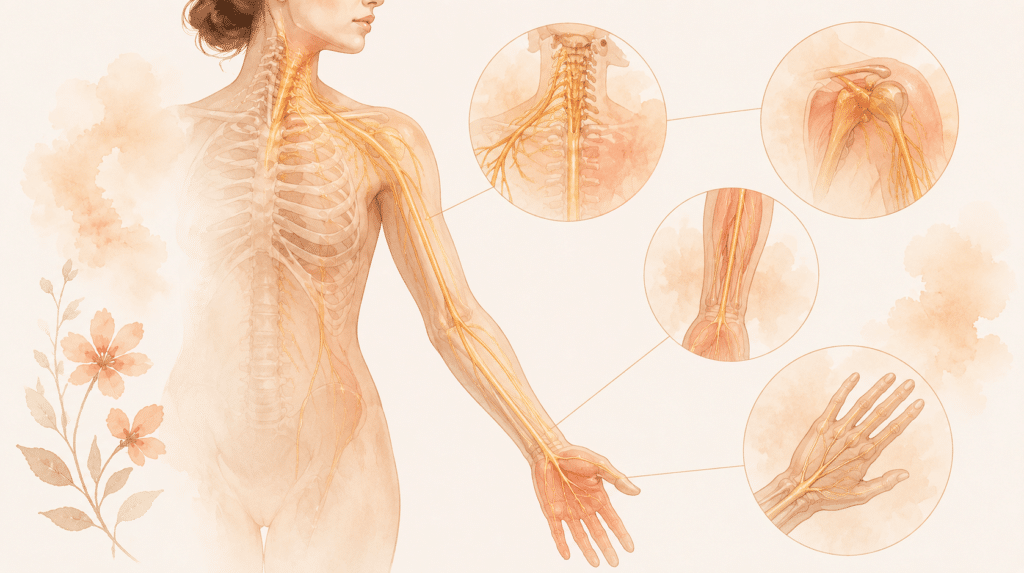
Hand numbness results from disruption of nerve signaling at any point along the pathway from the cervical spine through the shoulder, arm, and wrist to the fingertips. The three major sensory nerves serving the hand are the median nerve, the ulnar nerve, and the radial nerve. Compression, inflammation, or damage to any of these nerves at any location along their course produces numbness in a specific distribution pattern that helps identify the cause.
1. Carpal Tunnel Syndrome
Carpal tunnel syndrome is the most common cause of chronic hand numbness in adults. It occurs when the median nerve becomes compressed as it passes through the carpal tunnel, a narrow passageway at the base of the wrist formed by wrist bones and a band of connective tissue called the transverse carpal ligament. This compression produces numbness and tingling in the thumb, index finger, middle finger, and the thumb side of the ring finger.
Carpal tunnel syndrome affects approximately 6 million Americans each year, according to the American Academy of Orthopaedic Surgeons. Women develop carpal tunnel syndrome at three times the rate of men, and the condition is most common between the ages of 40 and 60. Repetitive wrist motions, prolonged wrist flexion during sleep, pregnancy, hypothyroidism, and rheumatoid arthritis all increase the risk.
The distinguishing feature of carpal tunnel syndrome is its specific finger distribution: the thumb, index, and middle fingers are affected while the little finger is spared entirely, because the little finger is served by the ulnar nerve rather than the median nerve. Symptoms are typically worse at night and often wake the person from sleep.
2. Cubital Tunnel Syndrome
Cubital tunnel syndrome is the second most common nerve compression condition in the upper extremity, with an estimated prevalence of 2% to 6% in the United States, according to data published in PubMed Central. It occurs when the ulnar nerve becomes compressed or irritated as it passes through the cubital tunnel on the inner side of the elbow.
The ulnar nerve controls sensation in the ring finger and little finger. Cubital tunnel syndrome produces numbness and tingling in these two fingers, often accompanied by a weak grip and difficulty with fine motor tasks such as buttoning a shirt or turning a key. Prolonged elbow bending, habitual leaning on the elbow, and repetitive elbow flexion during work or exercise are the primary mechanical triggers.
The distinguishing clinical feature that separates cubital tunnel syndrome from carpal tunnel syndrome is the finger distribution: cubital tunnel affects the ring and little fingers, while carpal tunnel affects the thumb, index, and middle fingers.
3. Cervical Radiculopathy
Cervical radiculopathy occurs when a nerve root in the neck becomes compressed or irritated, most commonly by a herniated disc or degenerative bone spur. Because the nerves that supply sensation to the hand originate in the cervical spine, compression at the C6, C7, or C8 nerve root levels can produce numbness that radiates from the neck through the shoulder and arm into specific areas of the hand.
A C6 radiculopathy typically causes numbness in the thumb and index finger. A C7 radiculopathy affects the middle finger. A C8 radiculopathy produces numbness in the ring and little fingers. The C7 nerve root is the most frequently affected, accounting for approximately 60% of cervical radiculopathy cases, followed by C6 at approximately 25%, according to research published through the National Library of Medicine.
The distinguishing feature of cervical radiculopathy is that numbness follows a dermatomal pattern from the neck downward and is usually accompanied by neck pain, shoulder pain, or arm weakness that worsens with certain head positions.
4. Diabetic Peripheral Neuropathy
Diabetic peripheral neuropathy develops when chronically elevated blood glucose levels damage the small blood vessels that supply peripheral nerves. The hands are affected in a characteristic pattern: numbness begins in the fingertips of both hands simultaneously and gradually progresses proximally toward the wrists in what clinicians describe as a “glove” distribution.
Diabetic peripheral neuropathy affects up to 50% of adults with diabetes during their lifetime, according to a position statement published by the American Diabetes Association. An estimated 20 million Americans live with some form of peripheral neuropathy, with diabetes being the single most common cause, according to the National Institute of Neurological Disorders and Stroke.
The distinguishing feature of diabetic neuropathy is its bilateral and symmetrical presentation. Both hands and both feet are affected in a length dependent pattern, meaning the longest nerves are damaged first. Accompanying symptoms typically include burning, pins and needles sensations, and reduced ability to feel temperature changes.
5. Vitamin B12 Deficiency
Vitamin B12 is essential for maintaining the myelin sheath that insulates nerve fibers. When B12 levels fall below the threshold needed for nerve maintenance, demyelination occurs, producing numbness and tingling that typically begins in both hands and feet simultaneously.
Vitamin B12 deficiency affects approximately 2% to 3% of adults in the United States, according to the American Academy of Family Physicians. Risk factors include strict vegetarian or vegan diets, pernicious anemia, long term use of proton pump inhibitors such as omeprazole (Prilosec), long term use of metformin (Glucophage), gastric bypass surgery, and age over 60.
The distinguishing feature of B12 deficiency neuropathy is that sensory loss affects both hands and both feet in a symmetrical pattern and is frequently accompanied by fatigue, cognitive changes described as “brain fog,” balance difficulties, and a smooth or swollen tongue.
6. Raynaud’s Phenomenon
Raynaud’s phenomenon causes episodic narrowing of the small blood vessels in the fingers in response to cold temperatures or emotional stress. During an episode, blood flow to the fingers is sharply reduced, producing numbness, color changes, and a cold sensation. The fingers typically turn white, then blue, then red as blood flow returns.
Raynaud’s phenomenon affects an estimated 3% to 5% of the general population in the United States. A study published in the Journal of Rheumatology found prevalence rates of 11% in women and 8% in men among White adults in the United States. Primary Raynaud’s, which occurs without an underlying autoimmune condition, accounts for more than 80% of cases.
The distinguishing feature of Raynaud’s is the visible color change in the fingers during episodes, combined with a clear trigger pattern linked to cold exposure or stress. Unlike nerve compression causes, the numbness of Raynaud’s follows a vascular distribution affecting all fingers rather than a specific nerve territory.
7. Thoracic Outlet Syndrome
Thoracic outlet syndrome occurs when nerves or blood vessels become compressed in the space between the collarbone and the first rib. The neurogenic form, which accounts for approximately 95% of cases, affects the brachial plexus and produces numbness in the hand, often concentrated in the ring and little fingers. Symptoms worsen with overhead arm positions or carrying heavy objects.
Thoracic outlet syndrome has an estimated incidence of 3 to 80 cases per 1,000 individuals, according to research published in PubMed Central, though many cases are underdiagnosed due to symptom overlap with carpal tunnel syndrome and cervical radiculopathy. The condition is more common in women and typically develops between ages 20 and 50.
The distinguishing feature of thoracic outlet syndrome is that hand numbness worsens specifically with overhead arm activities and is often accompanied by pain in the neck, shoulder, and inner arm. Symptoms may worsen when carrying bags on the affected shoulder or raising the arms above the head.
8. Multiple Sclerosis
Multiple sclerosis is a chronic autoimmune condition in which the immune system attacks the myelin sheath surrounding nerve fibers in the brain and spinal cord. Numbness or tingling in the hands is one of the earliest and most common symptoms reported by people with multiple sclerosis, often appearing as the first noticeable sign of the disease.
Nearly 1 million people in the United States are currently living with multiple sclerosis, according to the National Multiple Sclerosis Society. The condition is 2.8 times more common in women than in men and is most frequently diagnosed between the ages of 20 and 50.
The distinguishing feature of multiple sclerosis related numbness is that it develops over days rather than hours, may affect one hand or both hands, and typically occurs alongside other neurological symptoms such as vision problems, extreme fatigue, balance difficulties, or bladder dysfunction. The numbness often follows a relapsing pattern, appearing for weeks and then partially or fully resolving.
9. Stroke or Transient Ischemic Attack
A stroke occurs when blood flow to a region of the brain is interrupted by a clot or hemorrhage. When the stroke affects the sensory cortex or the thalamus, sudden numbness in one hand or one entire side of the body can be the presenting symptom. A transient ischemic attack produces the same symptoms but resolves within minutes to hours as blood flow is temporarily restored.
The distinguishing feature of stroke related hand numbness is its sudden onset, its strictly one sided distribution, and the presence of additional neurological symptoms including facial asymmetry, arm weakness, speech difficulty, or sudden confusion. Any combination of sudden hand numbness with these symptoms requires calling 911 immediately.
Unilateral versus Bilateral Numbness: What the Pattern Reveals
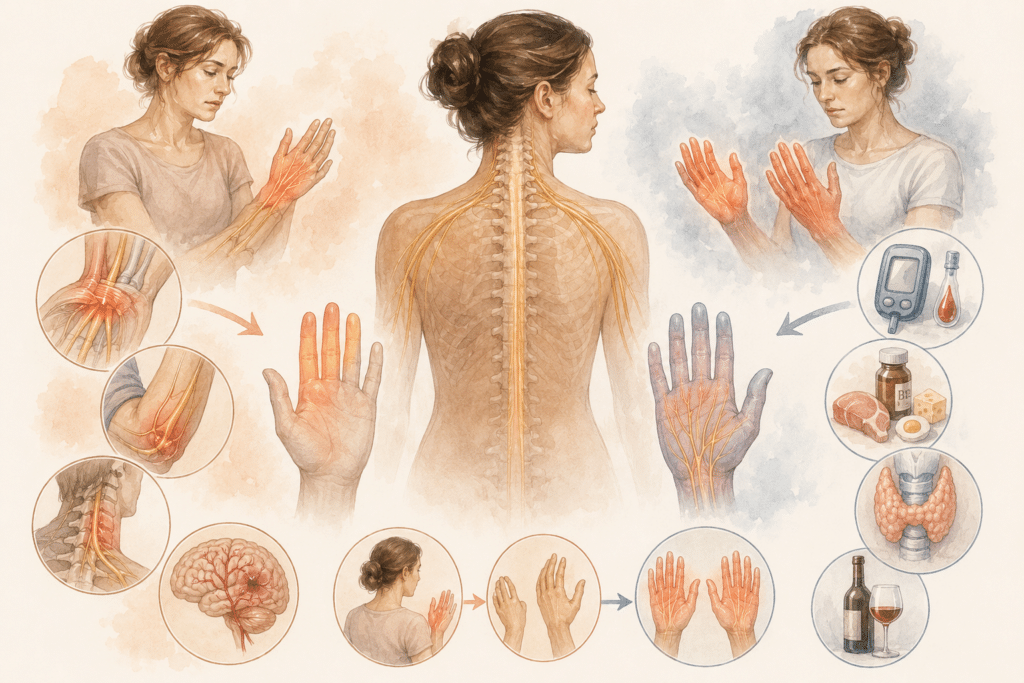
Whether numbness affects one hand or both hands simultaneously is one of the most clinically significant pieces of diagnostic information a physician uses when evaluating hand numbness. Unilateral numbness, affecting only one hand, typically points toward a localized structural cause such as nerve compression at the wrist, elbow, or neck on that side. Carpal tunnel syndrome, cubital tunnel syndrome, cervical radiculopathy, and stroke all characteristically produce one sided symptoms.
Bilateral numbness, affecting both hands in a similar pattern, shifts the diagnostic focus toward systemic or metabolic causes. Diabetic peripheral neuropathy, vitamin B12 deficiency, thyroid dysfunction, and alcohol related neuropathy all produce symmetrical symptoms in both hands. When both hands are affected equally, the problem is far less likely to be a single compressed nerve and far more likely to involve a process affecting the entire peripheral nervous system.
A clinician will ask specifically whether numbness began in one hand and spread to the other over time, or whether both hands became numb simultaneously, because these two patterns carry different diagnostic implications. Sequential spread from one hand to the other suggests a progressive systemic process. Simultaneous bilateral onset can indicate a metabolic cause or, rarely, a spinal cord lesion at the cervical level.
How Numbness in Hands Is Diagnosed
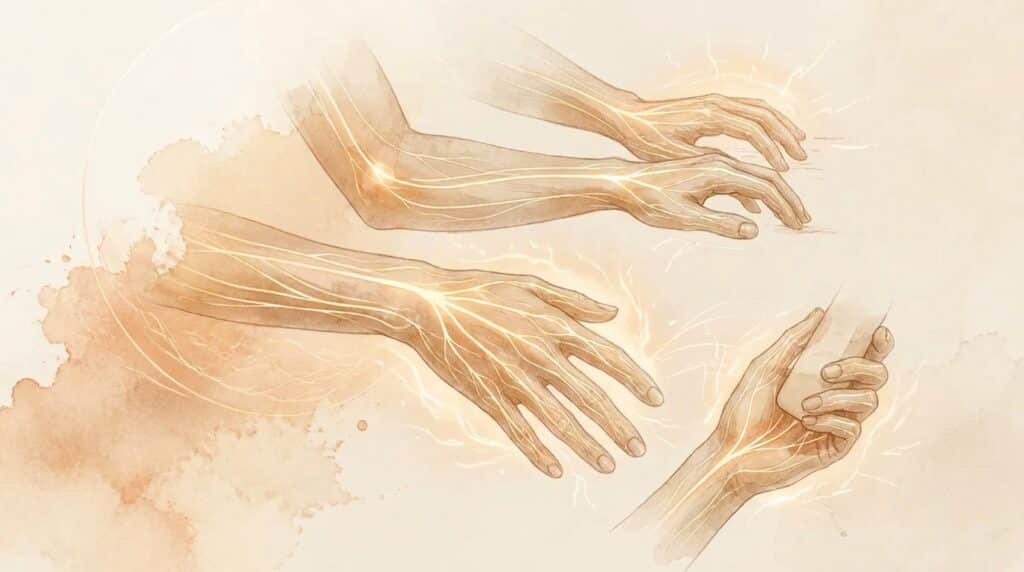
The diagnostic approach to hand numbness begins with a thorough clinical history and physical examination, then proceeds to targeted testing based on the suspected cause. Physicians assess the exact finger distribution of numbness, the timing and duration of symptoms, aggravating and relieving factors, and the presence of associated symptoms in other parts of the body. These details often point toward the correct diagnosis before any testing is performed.
Nerve conduction studies measure the speed and strength of electrical signals traveling through specific nerves. This test identifies precisely where nerve conduction is slowed or blocked, making it the most definitive test for diagnosing carpal tunnel syndrome and cubital tunnel syndrome.
Electromyography evaluates the electrical activity in muscles when they are at rest and during contraction. Abnormal EMG findings in specific muscles can localize a nerve injury to the cervical spine, brachial plexus, or a specific peripheral nerve. EMG has excellent specificity, approaching 100%, for diagnosing cervical radiculopathy, according to research in the Journal of Clinical Neurophysiology.
Blood tests screen for systemic causes including fasting blood glucose and hemoglobin A1c for diabetes, serum vitamin B12 and methylmalonic acid levels for B12 deficiency, thyroid stimulating hormone for hypothyroidism, and inflammatory markers for autoimmune conditions.
Magnetic resonance imaging of the cervical spine visualizes herniated discs, bone spurs, and spinal cord compression that may be causing hand numbness from cervical radiculopathy.
MRI of the brain is ordered when multiple sclerosis or stroke is suspected. Brain MRI can identify the characteristic demyelinating lesions of multiple sclerosis or areas of ischemic damage from stroke.
Vascular ultrasound of the upper extremity assesses blood flow to the hand and can identify arterial or venous compression in thoracic outlet syndrome or vascular insufficiency in Raynaud’s phenomenon.
Treatment for Numbness in Hands
Treatment for hand numbness is directed at the underlying cause rather than at the numbness itself. Effective treatment requires an accurate diagnosis, which is why the diagnostic evaluation described above is the essential first step before any treatment begins.
Carpal tunnel syndrome responds to wrist splinting at night in mild cases, keeping the wrist in a neutral position to reduce pressure on the median nerve. Nonsteroidal anti inflammatory drugs such as ibuprofen (Advil) or naproxen (Aleve) can reduce inflammation. Corticosteroid injections into the carpal tunnel provide temporary relief lasting weeks to months. When conservative treatment fails, carpal tunnel release surgery, a procedure that cuts the transverse carpal ligament to create more space for the median nerve, has a success rate exceeding 90%.
Cubital tunnel syndrome is treated initially with night splinting that keeps the elbow extended at 45 degrees and padding the elbow during the day. Activity modification to avoid prolonged elbow bending is essential. Surgical decompression or ulnar nerve transposition is performed when symptoms persist despite conservative management.
Cervical radiculopathy is managed first with physical therapy focused on cervical traction, strengthening exercises, and posture correction. Oral corticosteroids such as prednisone may be prescribed for a short course to reduce nerve root inflammation. Cervical epidural steroid injections deliver anti inflammatory medication directly to the compressed nerve root. Anterior cervical discectomy and fusion is the surgical option when conservative treatment fails after 6 to 12 weeks.
Diabetic peripheral neuropathy requires optimization of blood glucose control as the primary intervention. The American Diabetes Association recommends a target hemoglobin A1c below 7% to slow neuropathy progression. For neuropathic pain, first line medications include duloxetine (Cymbalta), pregabalin (Lyrica), or gabapentin (Neurontin). Topical capsaicin cream (Zostrix) applied to the hands may provide localized relief.
Vitamin B12 deficiency is corrected through supplementation. Oral cyanocobalamin at 1,000 to 2,000 micrograms daily is effective for most dietary deficiencies. Intramuscular B12 injections are used when absorption is impaired due to pernicious anemia or gastrointestinal conditions. Nerve function typically improves within 3 to 6 months of adequate supplementation, though recovery may be incomplete if deficiency was prolonged.
Raynaud’s phenomenon management begins with cold avoidance strategies: wearing insulated gloves, using hand warmers, and avoiding rapid temperature changes. Calcium channel blockers such as nifedipine (Procardia) are the first line prescription medication, relaxing blood vessel walls to improve finger circulation. In severe cases, topical nitroglycerin ointment applied to the fingers or phosphodiesterase inhibitors such as sildenafil (Viagra) may be prescribed.
Multiple sclerosis is treated with disease modifying therapies to reduce the frequency and severity of relapses. Currently approved options include interferon beta (Avonex, Rebif), glatiramer acetate (Copaxone), dimethyl fumarate (Tecfidera), and several newer monoclonal antibody therapies. Acute numbness episodes may be treated with a short course of intravenous corticosteroids.
When to See a Doctor About Numbness in Hands
The urgency of medical evaluation for hand numbness depends on the speed of onset, the pattern of involvement, and the presence of accompanying neurological symptoms. Three distinct levels of urgency apply.
Emergency (call 911 or go to the emergency room immediately): Sudden numbness in one hand with facial drooping, arm weakness, speech difficulty, or confusion. Sudden numbness in both hands after neck or head trauma. Sudden numbness accompanied by chest pain, shortness of breath, or severe headache.
Urgent (see a doctor the same day or within 24 hours): Hand numbness that developed suddenly without an obvious positional cause and does not resolve within one hour. Rapidly spreading numbness that began in the hand and is moving up the arm. Hand numbness accompanied by new weakness, difficulty gripping objects, or loss of coordination.
Scheduled appointment (within one to two weeks): Hand numbness that occurs primarily at night or upon waking and resolves during the day. Intermittent numbness in specific fingers that has been present for more than two weeks. Burning or tingling sensations in the hands that are bothersome but not worsening rapidly.
Numbness in Hands in Women and During Pregnancy
Women develop several of the most common causes of hand numbness at significantly higher rates than men. Carpal tunnel syndrome is three times more common in women, Raynaud’s phenomenon is approximately twice as common in women, and multiple sclerosis is 2.8 times more common in women. Hormonal fluctuations, anatomical differences in wrist size, and autoimmune susceptibility all contribute to this disparity.
Pregnancy is a particularly common trigger for hand numbness. Fluid retention during the second and third trimesters increases pressure within the carpal tunnel, compressing the median nerve. Studies published in the Journal of Hand Surgery estimate that 31% to 62% of pregnant women experience carpal tunnel symptoms, with the majority resolving within weeks to months after delivery. Wrist splinting at night is the preferred treatment during pregnancy, as most medications are avoided unless symptoms are severe.
Women experiencing hand numbness during pregnancy should inform their obstetrician, particularly if numbness is accompanied by significant hand weakness, because untreated severe carpal tunnel compression can lead to permanent median nerve damage in rare cases.
Numbness in Hands in People With Diabetes
People with diabetes face a substantially elevated risk of hand numbness from peripheral neuropathy. Diabetic peripheral neuropathy affects an estimated 6% to 51% of adults with diabetes depending on age, disease duration, and glycemic control, according to a review published through the NIH. In type 2 diabetes specifically, up to 50% of patients develop peripheral neuropathy during their lifetime, and approximately 7.5% already show signs of neuropathy at the time of initial diabetes diagnosis.
Hand numbness from diabetic neuropathy typically appears after foot numbness has been present for some time, because the longest nerves in the body are damaged first. Once hand symptoms develop, they signal that neuropathy has progressed to a more advanced stage. Strict blood glucose control remains the most important intervention for slowing further nerve damage, but it does not reliably reverse numbness that has already developed.
Annual screening for peripheral neuropathy using monofilament testing and vibration sense assessment is recommended by the American Diabetes Association for all adults with type 2 diabetes beginning at diagnosis and for all adults with type 1 diabetes beginning five years after diagnosis.
How to Prevent Numbness in Hands
Preventive measures are effective primarily for the mechanical causes of hand numbness, specifically nerve compression from posture, repetitive motion, and positioning during sleep.
Maintain a neutral wrist position during repetitive hand activities. Avoid sleeping with wrists bent underneath pillows or under your body. Use an ergonomic keyboard and mouse with wrist support if you type for more than four hours per day. Take breaks every 30 to 45 minutes during repetitive hand and wrist tasks to stretch and reposition. Avoid prolonged leaning on the elbows, which compresses the ulnar nerve at the cubital tunnel.
For systemic causes, prevention focuses on managing the underlying condition. Maintaining hemoglobin A1c below 7% reduces the risk of diabetic neuropathy. Ensuring adequate dietary intake of vitamin B12 through animal products, fortified foods, or supplementation prevents B12 deficiency neuropathy. Limiting alcohol consumption to no more than one drink per day for women or two for men reduces the risk of alcoholic neuropathy. Wearing insulated gloves and avoiding rapid temperature changes reduces the frequency of Raynaud’s episodes.
Frequently Asked Questions
Can numbness in hands be a sign of a heart attack?
Hand numbness alone is not a typical heart attack symptom, but numbness or tingling radiating down the left arm alongside chest pressure, shortness of breath, nausea, or jaw pain can indicate cardiac involvement. Heart attack symptoms more commonly involve pain or a squeezing sensation rather than isolated numbness. Anyone experiencing arm numbness combined with chest discomfort should call 911 immediately because cardiac symptoms require emergency evaluation regardless of the specific sensory quality of the arm symptom.
Why do my hands go numb when I sleep?
Hands become numb during sleep most commonly because of sustained wrist flexion or elbow bending that compresses the median or ulnar nerve for extended periods. Sleeping with the wrist bent under a pillow compresses the median nerve in the carpal tunnel, while sleeping with a bent elbow compresses the ulnar nerve in the cubital tunnel. Wearing a wrist splint that holds the wrist in a neutral position during sleep eliminates the compression and resolves the numbness in most cases. If nighttime numbness persists despite splinting, medical evaluation for carpal tunnel syndrome is recommended.
Is numbness in both hands serious?
Bilateral hand numbness, affecting both hands in a similar pattern, warrants medical evaluation because it suggests a systemic or metabolic cause rather than simple positional nerve compression. Common systemic causes include diabetic peripheral neuropathy, vitamin B12 deficiency, hypothyroidism, and alcohol related neuropathy. A physician can identify the underlying cause through blood tests measuring glucose levels, B12 levels, and thyroid function. Early diagnosis and treatment of the underlying condition can prevent progression of nerve damage and may improve symptoms over time.
How long does numbness in hands last with carpal tunnel syndrome?
Carpal tunnel related hand numbness typically resolves within seconds to minutes after shaking the hand or repositioning the wrist in early stages of the condition. As carpal tunnel syndrome progresses, numbness may persist throughout the day and eventually become constant. Without treatment, the American Academy of Orthopaedic Surgeons notes that 10% to 15% of untreated carpal tunnel cases result in permanent nerve damage with chronic numbness and loss of thumb strength. Early intervention with wrist splinting, activity modification, or corticosteroid injection can halt this progression.
Doctor’s Recommendation
When hand numbness follows a persistent or recurring pattern involving the ring and little fingers, or when tingling in one hand does not clearly match carpal tunnel or cervical radiculopathy distributions, evaluation of the ulnar nerve pathway and broader neurological assessment becomes relevant. Tingling in Left Hand: 9 Causes and What to Do covers the specific nerve pathways that produce unilateral hand tingling, the diagnostic tests used to distinguish between median, ulnar, and radial nerve involvement, and the full range of treatment approaches from conservative splinting to surgical decompression.
References
- National Institute of Neurological Disorders and Stroke. Peripheral Neuropathy. NIH. 2024.
- American Diabetes Association. Diabetic Neuropathy: A Position Statement by the American Diabetes Association. Diabetes Care. 2017.
- Dale AM, Harris-Adamson C, Rempel D, et al. Prevalence and Incidence of Carpal Tunnel Syndrome in US Working Populations. Scandinavian Journal of Work, Environment and Health. 2013.
- National Multiple Sclerosis Society. MS Prevalence. NMSS. 2019.
- Centers for Disease Control and Prevention. Stroke Signs and Symptoms. CDC. 2024.
- American Academy of Family Physicians. Vitamin B12 Deficiency: Common Questions and Answers. AFP. 2025.



One Response