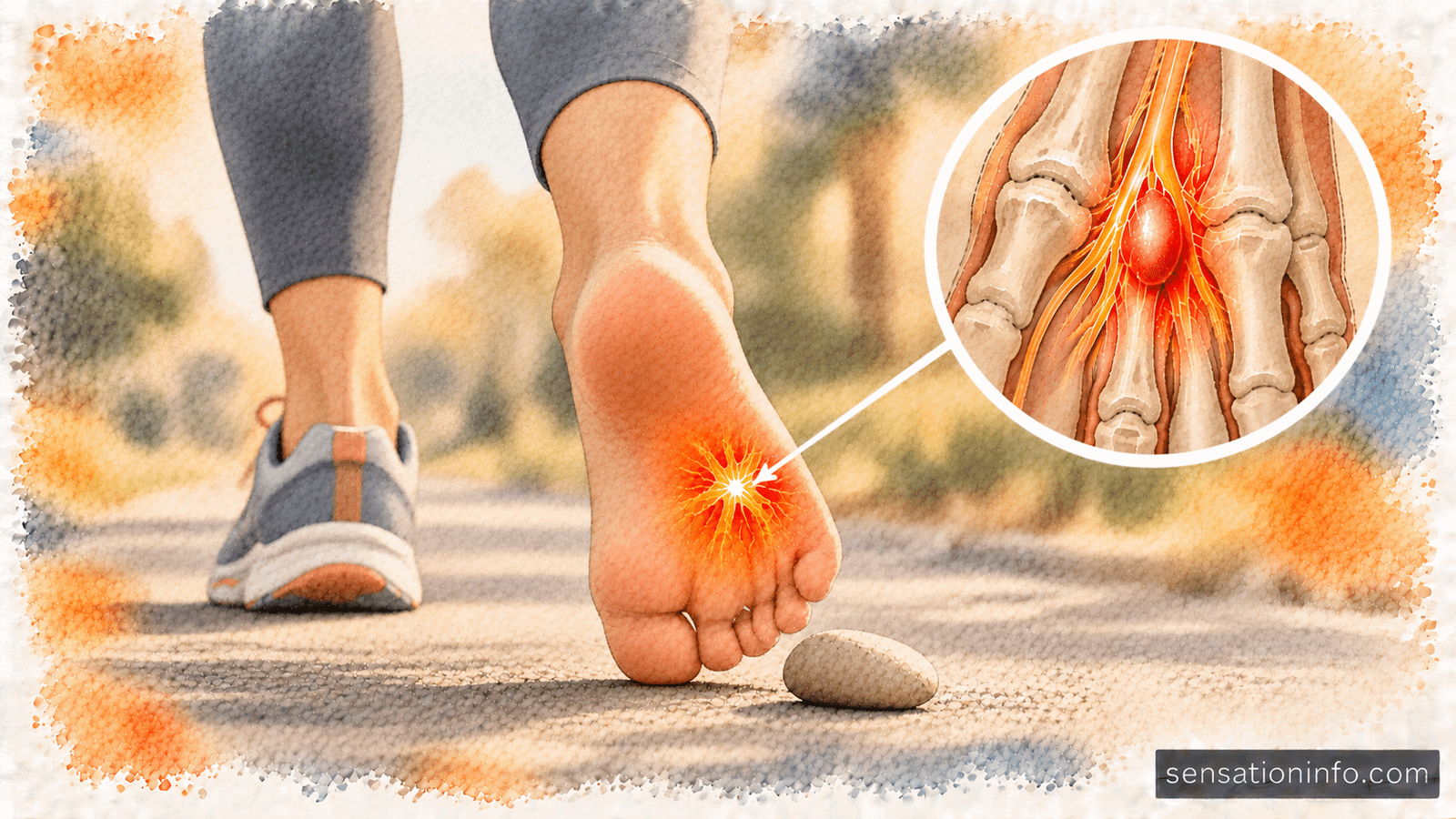

Parsonage-Turner syndrome is an often overlooked form of nerve inflammation that targets the brachial plexus, which is the primary nerve network controlling your shoulder and arm. The condition almost always begins with intense, unrelenting pain in one shoulder or neck region that strikes suddenly without any prior physical injury. As this severe pain finally begins to fade within a few days or weeks, individuals are often terrified to discover rapid muscle wasting alongside sudden numbness and weakness occurring together in the affected limb. While this rapid loss of strength and sensation causes understandable panic, most people achieve significant functional recovery over months or years with proper management and dedicated physical therapy.
Red Flag Symptoms That Require Immediate Medical Evaluation
The onset of severe shoulder pain combined with sudden weakness may indicate Parsonage-Turner syndrome, but this combination can also mask more urgent medical emergencies.
Seek immediate emergency medical care if you experience any of the following warning signs:
- Intense chest pressure, shortness of breath, or pain radiating into the jaw or down both arms, which may signal a cardiac event rather than a musculoskeletal or nerve issue.
- A sudden loss of sensation that extends down the entire arm or into the hand combined with uncontrollable muscle twitching or fainting.
- A visibly misshapen joint after a fall or heavy lifting incident, which could indicate a severe dislocation or fracture requiring immediate stabilization.
- High fever accompanied by severe neck stiffness and an inability to bend the chin forward toward your chest, which could signal meningitis or deep infection.
- Rapidly progressing numbness or weakness that affects your legs or bladder control, which may suggest spinal cord compression requiring urgent surgical intervention.
If your pain is localized to the shoulder or neck and lacks these systemic indicators, you should still schedule a prompt evaluation with a neurologist or an orthopaedic shoulder specialist to confirm the diagnosis and rule out other structural problems.
Understanding Parsonage-Turner Syndrome
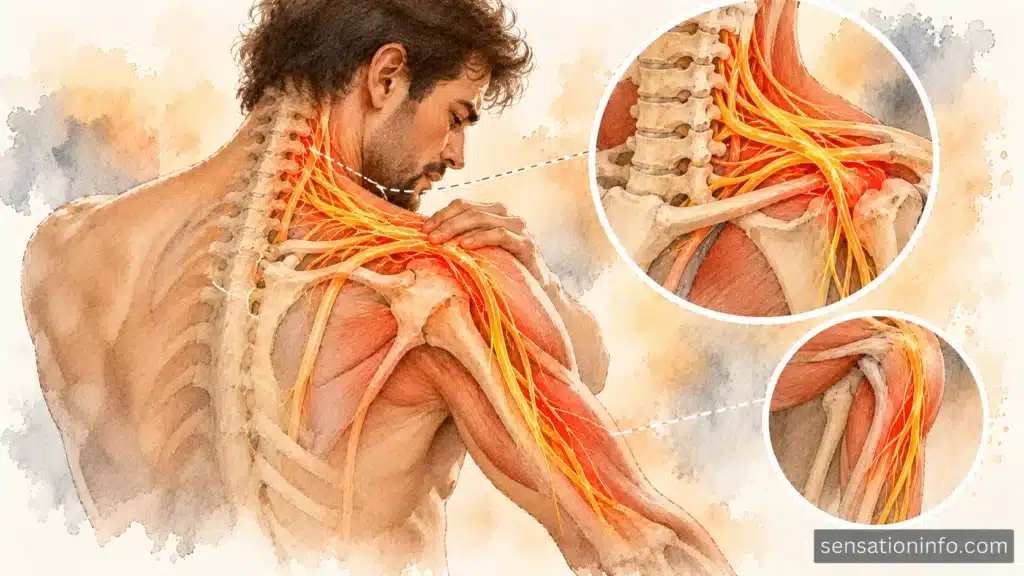
Parsonage-Turner syndrome, medically referred to as neuralgic amyotrophy or brachial plexus neuritis, is a condition where the brachial plexus nerves become inflamed. The brachial plexus comprises a complex network of nerves originating from your spinal cord in the neck and branching out to control all movement and sensation in the shoulder, arm, and hand.
The exact cause remains a subject of research, though most clinical evidence points toward an autoimmune mechanism. In many cases, the onset follows a viral infection, immunization, or a period of intense physical stress or surgery. In this autoimmune response, your immune system mistakenly attacks the nerves of the brachial plexus, leading to significant nerve fiber damage and localized inflammation. The condition disproportionately affects individuals in their third to fifth decades of life, though it can occur at any age.
While doctors do not have a firm count of total cases, data from the Mayo Clinic indicates that Parsonage-Turner syndrome occurs in approximately two to three people per one hundred thousand population each year. Because the condition is rare and clinical patterns shift, initial misdiagnosis proves common. Patients dealing with this unexplained tingling, weakness, and pain in the shoulder and arm are often mistakenly sent to physical therapy for rotator cuff injuries long before the neurological nature of the problem becomes apparent.
The Clinical Sequence of Neuralgic Amyotrophy
Parsonage-Turner syndrome follows a recognizable, multi phase clinical sequence that distinguishes it from chronic joint or bone conditions.
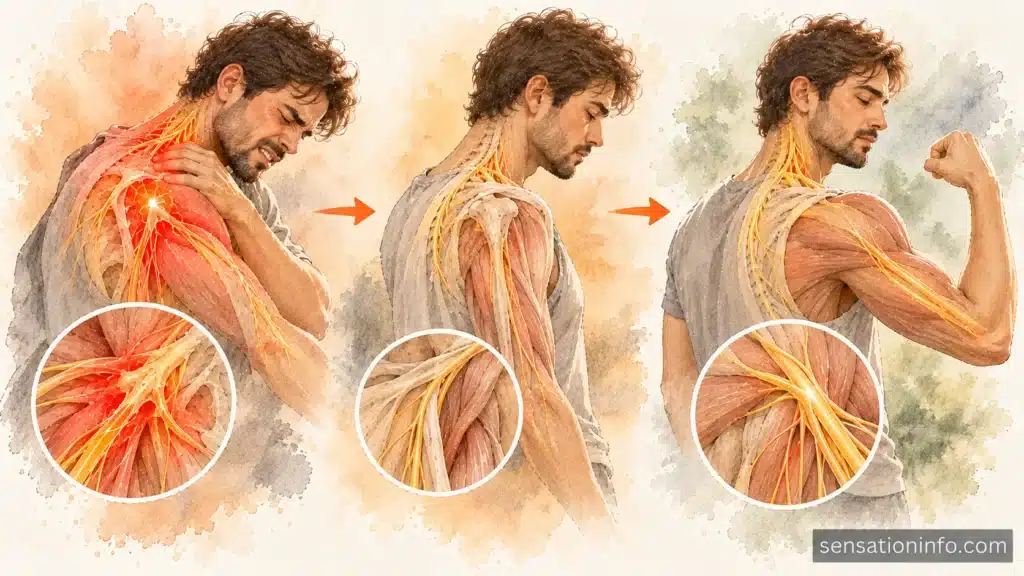
Phase 1: The Painful Onset
The first phase involves severe, deep, and often excruciating pain centered in the shoulder, scapular region, or upper neck. This pain commonly intensifies at night and may prove resistant to traditional over the counter analgesics. Patients often describe the pain as a stabbing, burning, or crushing sensation that makes it difficult to find a comfortable sleeping position. This acute pain phase usually lasts from a few days to several weeks.
Phase 2: The Weakness and Paralysis
As the acute pain begins to fade, the second phase emerges, defined by rapid muscle weakness, atrophy, and sensory changes in the shoulder. You may notice an inability to lift or rotate your arm or experience drooping in the shoulder contour as the muscles lose their structural tone. Your shoulder muscles may appear visibly withered or sunken compared to the unaffected side, a process known as muscle atrophy. Because the nerves controlling movement and sensation are injured, you might also experience numbness and weakness together in the same distribution patterns on your shoulder and bicep area.
Phase 3: The Recovery Period
The third phase involves a long period of muscle recovery and nerve regeneration. Nerves regenerate very slowly, and clinical improvement may take months or even years. During this time, physical therapy becomes critical for preserving joint mobility and strengthening surrounding muscles while you wait for nerve function to slowly return to the affected area.
Comparing Parsonage-Turner Syndrome to Other Shoulder Conditions
Distinguishing neuralgic amyotrophy from structural shoulder conditions is essential, as the treatment paths differ completely.
Parsonage-Turner Syndrome vs Cervical Radiculopathy
Cervical radiculopathy often results from a pinched nerve in the neck caused by herniated discs or bone spurs. While both cause arm pain and weakness, radiculopathy pain commonly follows a dermatomal pattern that changes with neck position or movement, whereas PTS pain usually remains constant and does not depend on neck movement. Additionally, PTS weakness and atrophy patterns generally look more patchy and specific to the nerves affected in the brachial plexus rather than the single nerve root compression pattern seen in radiculopathy.
Parsonage-Turner Syndrome vs Rotator Cuff Injury
Rotator cuff tears or tendinitis involve structural tissue damage often provoked by overhead activity or specific shoulder movements. A rotator cuff patient feels localized pain during shoulder abduction or rotation, but should not have the diffuse neurological numbness or sudden, unexplained muscle wasting that defines Parsonage-Turner syndrome.
| Condition | Primary Pain Pattern | Neurological Symptoms | Typical Trigger |
|---|---|---|---|
| Parsonage-Turner Syndrome | Intense, sudden, constant, deep | Frequent weakness, atrophy, numbness | Idiopathic or autoimmune trigger |
| Cervical Radiculopathy | Shooting arm pain, neck pain | Numbness, tingling, weakness | Disk herniation or arthritic spurs |
| Rotator Cuff Pathology | Localized shoulder pain, nighttime ache | Generally none | Overhead activity, repetitive use |
| Thoracic Outlet Syndrome | Deep ache in neck, shoulder, arm | Numbness in inner arm, hand swelling | Nerve or vessel compression |
Diagnostic Evaluation and Testing
Clinical diagnosis relies heavily on a detailed history and neurological physical examination. Since many structural conditions can mimic PTS, physicians rely on specific tests to visualize and confirm nerve health.
- Neurological Examination: Your doctor will assess your reflexes, sensation, and muscle strength across specific nerve groups in the shoulder, upper arm, and forearm to map the pattern of deficiency.
- Electromyography (EMG) and Nerve Conduction Studies: An EMG or nerve conduction study effectively maps electrical nerve speed, revealing which nerve branches currently suffer from damage or impaired signal transmission.
- Magnetic Resonance Imaging (MRI): Physicians often order MRI scans of the shoulder and sometimes the brachial plexus itself to rule out soft tissue damage, rotator cuff tears, or nerve root compression from discs.
- Blood Panels: While no specific lab marker diagnoses PTS, blood tests are used to rule out active viral infections, thyroid dysfunction, or systemic inflammatory conditions like lupus that could contribute to nerve symptoms.
Management and Recovery Strategies
Because the immune system often drives the nerve injury, medical management focuses on pain relief and inflammation reduction, followed by long term rehabilitation.
Medical Management
In the initial acute pain phase, physicians may prioritize aggressive pain control. Standard protocols often involve nonsteroidal anti inflammatory drugs, often referred to as NSAIDs like ibuprofen (Advil) or naproxen (Aleve) to mitigate nerve inflammation. If pain does not respond to these measures, physicians might consider short courses of oral corticosteroids like prednisone (Deltasone). For managing long term neuropathic pain, doctors may prescribe nerve stabilizing agents such as gabapentin (Neurontin) or pregabalin (Lyrica).
Physical Therapy and Joint Protection
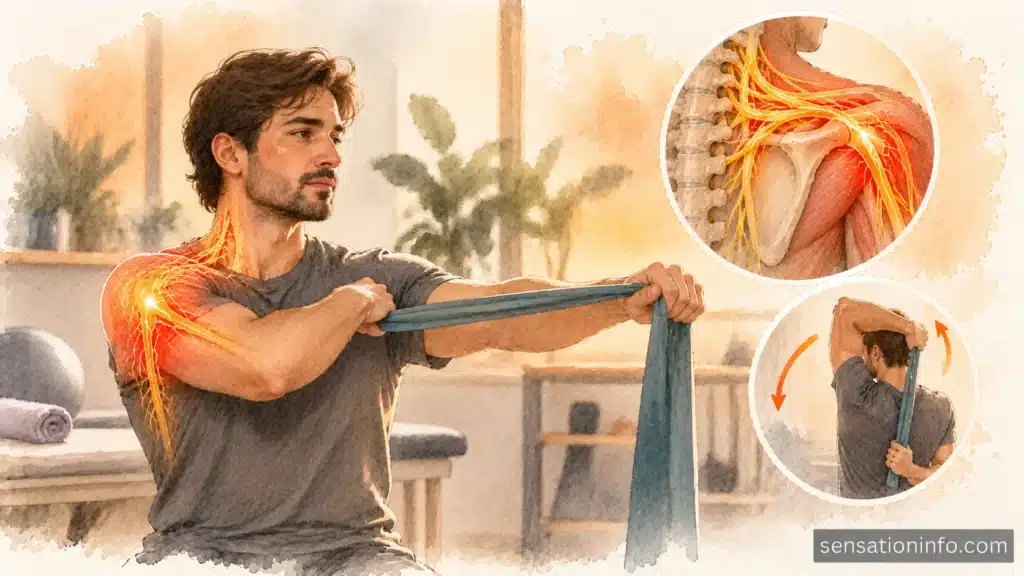
Physical therapy serves as the cornerstone of long term functional restoration. An experienced therapist creates a program focused on two goals: maintaining shoulder joint flexibility through passive range of motion exercises and strengthening the supporting muscles to compensate for the paralyzed or weak areas. These exercises must be tailored to the recovery timeline, ensuring that you do not overstress nerve fibers that are in the delicate early stages of regrowth.
Occupational Therapy
An occupational therapist can offer strategies for completing daily tasks while the shoulder remains weak. This may include using assistive devices for reaching, modifying workspace ergonomics, and performing daily tasks with the unaffected limb to reduce strain on the recovering shoulder.
Recovery Outlook and Prognosis
Parsonage-Turner syndrome generally has a positive prognosis, though the recovery journey challenges many individuals due to its slow pace. Statistics from the Mayo Clinic emphasize that functional recovery, which involves the ability to return to work and daily activities, occurs in the majority of patients over a timeframe of one to three years.
While most individuals regain significant muscle strength and sensation, a subset of patients may experience residual muscle weakness, persistent pain, or difficulty with overhead reaching activities that require full activation of the deltoid or serratus anterior muscles. Following a consistent and personalized physical therapy program remains the single most important factor in optimizing your final functional outcome.
Key Takeaways
- Parsonage-Turner syndrome starts with sudden, severe shoulder pain that persists for days or weeks before transitioning into rapid muscle weakness and atrophy.
- The condition frequently stems from an autoimmune response following viral illness, surgery, or significant physical stress, causing nerve inflammation.
- Diagnostic evaluation focuses on excluding structural shoulder issues, often using nerve conduction studies or EMG to confirm damage to the brachial plexus.
- Treatment prioritizes initial pain management and acute inflammation control, followed by a multi month to multi year rehabilitation process guided by physical therapy.
- While recovery occurs gradually for most patients, consistent engagement in tailored rehabilitation exercises holds the most promise for restoring muscle function and shoulder strength.
Frequently Asked Questions
No, Parsonage-Turner syndrome is not a stroke. While it can cause sudden muscle weakness and sensory changes in the shoulder and arm, it specifically results from inflammation in the nerves of the brachial plexus outside the spinal cord, whereas a stroke involves interrupted blood supply within the brain.
Surgery is rarely indicated for Parsonage-Turner syndrome because the condition stems from nerve inflammation rather than a structural surgical obstruction. Treatment primarily involves medication to manage pain and inflammation followed by extensive physical therapy for rehabilitation.
The intense, acute pain phase of Parsonage-Turner syndrome typically ranges from a few days to several weeks, followed by a transition characterized by relief of the acute pain and the emergence of muscle weakness and atrophy.
Doctor’s Recommendation
When dealing with intense shoulder pain complicated by unexplained changes in muscle strength or sensation, obtaining an accurate neurological diagnosis is the highest priority to avoid misdirected treatment. An orthopaedic shoulder specialist or neurologist skilled in nerve injury patterns can offer the clinical assessment necessary to distinguish neuralgic amyotrophy from other mechanical shoulder conditions.
If you are experiencing these symptoms and need guidance in locating specialized care, you can leverage the neuropathy specialists directory for detailed physician listings to identify experts in neurological pain and limb function management.
References
- Mayo Clinic. Brachial plexus neuritis: Symptoms, Causes, and Clinical Considerations. Mayo Foundation for Medical Education and Research. 2024.
- National Institutes of Health. Neuralgic Amyotrophy: Clinical Review and Diagnostic Update. National Library of Medicine PubMed Central. 2020.
- Cleveland Clinic. Brachial Plexitis: Nerve Inflammation Causes and Management Strategies. Cleveland Clinic Health Library. 2023.
- American Academy of Orthopaedic Surgeons. Assessment and Management of Brachial Plexus Nerve Injury. OrthoInfo Specialty Resource Center. 2022.