
The first time I read about dysesthesia, I genuinely struggled to wrap my head around it. The idea that a bedsheet or a soft cotton shirt could feel like fire against the skin sounded almost unbelievable. But the more I dug into neurology resources and real patient accounts, the more I realised this condition is far more common than people assume, and it deserves a clearer conversation.
If you have ever felt a strange burning, tingling, or shock-like sensation without any obvious injury, this article is for you. I will walk you through what dysesthesia actually is, why it happens, and what genuinely helps based on documented medical understanding.
What Dysesthesia Really Means
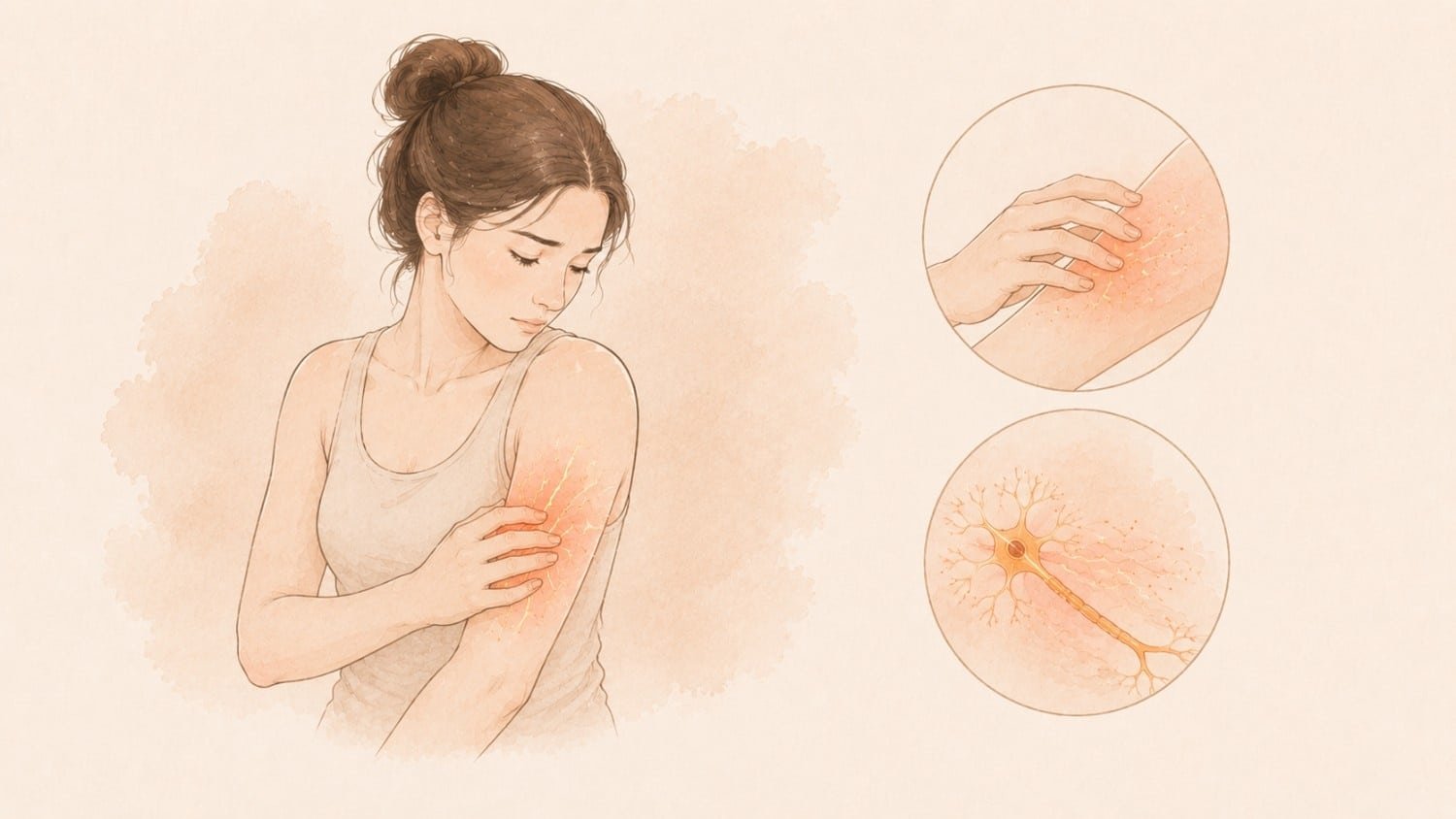
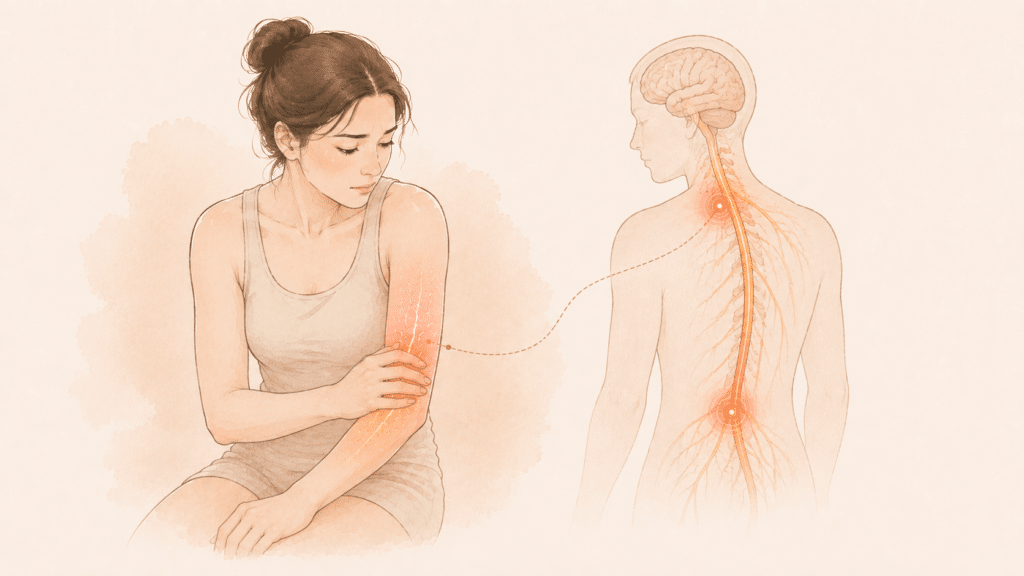
The word itself comes from Greek, roughly translating to “bad sensation”. Honestly, that name fits perfectly. Dysesthesia is an abnormal, unpleasant sensation caused by nerve dysfunction, where ordinary stimuli get misinterpreted by the nervous system.
In simple terms, your nerves send the wrong message to your brain. A light touch becomes pain. A breeze becomes burning hot. Even your own clothing can start feeling like sandpaper.
It is not a disease on its own. It is a symptom, which means something else is happening underneath, and that something usually involves the nerves.
How It Feels From a Patient’s Perspective
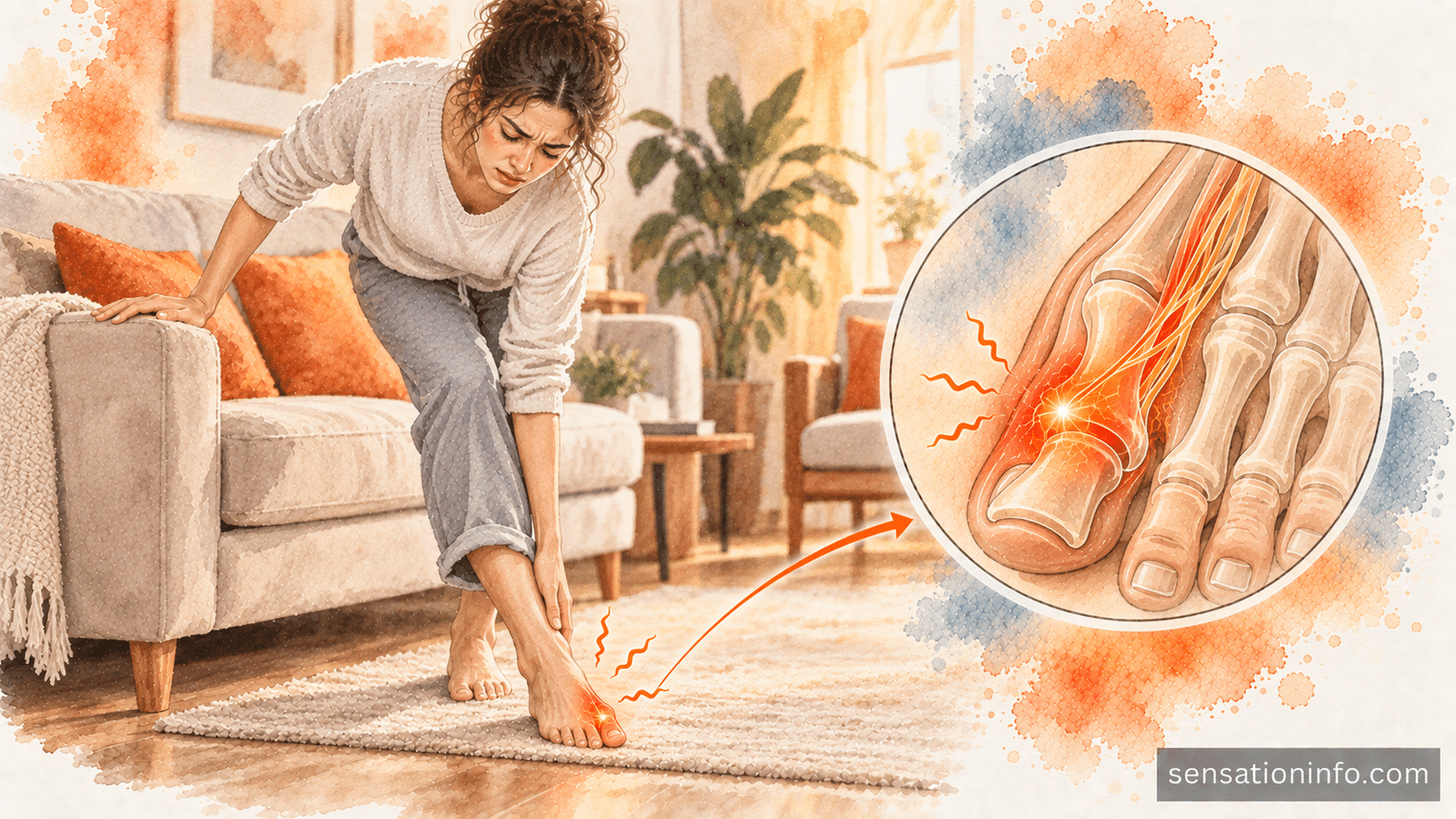
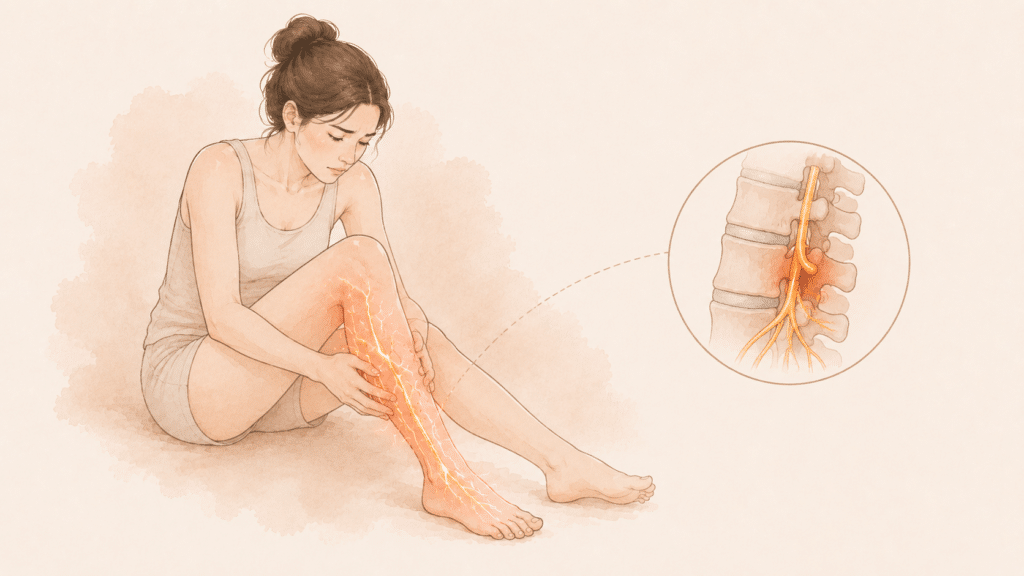
I have read dozens of patient descriptions while researching this topic, and the language people use is striking. Some describe it as electric shocks running through their legs. Others say it feels like water trickling on dry skin, or insects crawling beneath the surface.
A few common descriptions reported across neurology resources include:
Burning that comes without warning. Aching that does not match any physical injury. Sharp, stabbing flashes that last seconds. A tight, squeezing feeling around the torso, often called the “MS hug”.
What makes dysesthesia particularly difficult is its unpredictability. It can show up at rest, during movement, in the middle of the night, or right when you are trying to focus on something important. That randomness is part of what makes it so exhausting.
Dysesthesia vs. Paraesthesia: The Difference Matters
People often confuse dysesthesia with paraesthesia, and I get why. They sound similar and both involve odd sensations. But there is one clear line between them.
Paraesthesia is the painless “pins and needles” feeling, like when your foot falls asleep. Annoying, but not painful. Dysesthesia, on the other hand, is always unpleasant or painful, even when triggered by something completely harmless.
That distinction matters because it changes how doctors approach diagnosis and treatment. If your foot tingles after sitting cross-legged, that is paraesthesia. If your foot burns just from a sock touching it, that is closer to dysesthesia territory.
What Causes This Condition
Dysesthesia is rooted in nerve damage or dysfunction, and several conditions can trigger it. Based on documented medical literature, here are the most established causes.
Multiple Sclerosis (MS). This is one of the most common associations. In MS, the immune system attacks the myelin sheath that protects nerve fibres, causing signal misfires. Research suggests that burning or aching dysesthetic pain affects a significant share of people living with MS, particularly in the legs and feet.
Diabetic Neuropathy. Long-term high blood sugar damages peripheral nerves, especially in the hands and feet. This is one of the leading causes of dysesthesia worldwide, and it often starts subtly before becoming more noticeable.
Shingles and Postherpetic Neuralgia. Even after the shingles rash fades, the nerve inflammation can persist, leaving behind chronic burning or stabbing pain in the affected area.
Chemotherapy-Induced Neuropathy. Certain cancer treatments, particularly platinum-based drugs and taxanes, are known to damage peripheral nerves. Many patients report dysesthesia that lingers long after treatment ends.
Spinal Cord Injuries and Stroke. When the central nervous system gets damaged, sensory signals can become scrambled. This is often referred to as central pain syndrome.
Vitamin B12 Deficiency. This one surprises people. A lack of B12 can lead to nerve dysfunction, and it is particularly worth considering in older adults, strict vegetarians, and people with absorption issues.
The Different Types You Should Know
Dysesthesia is not one-size-fits-all. There are a few recognised types, each affecting different parts of the body.
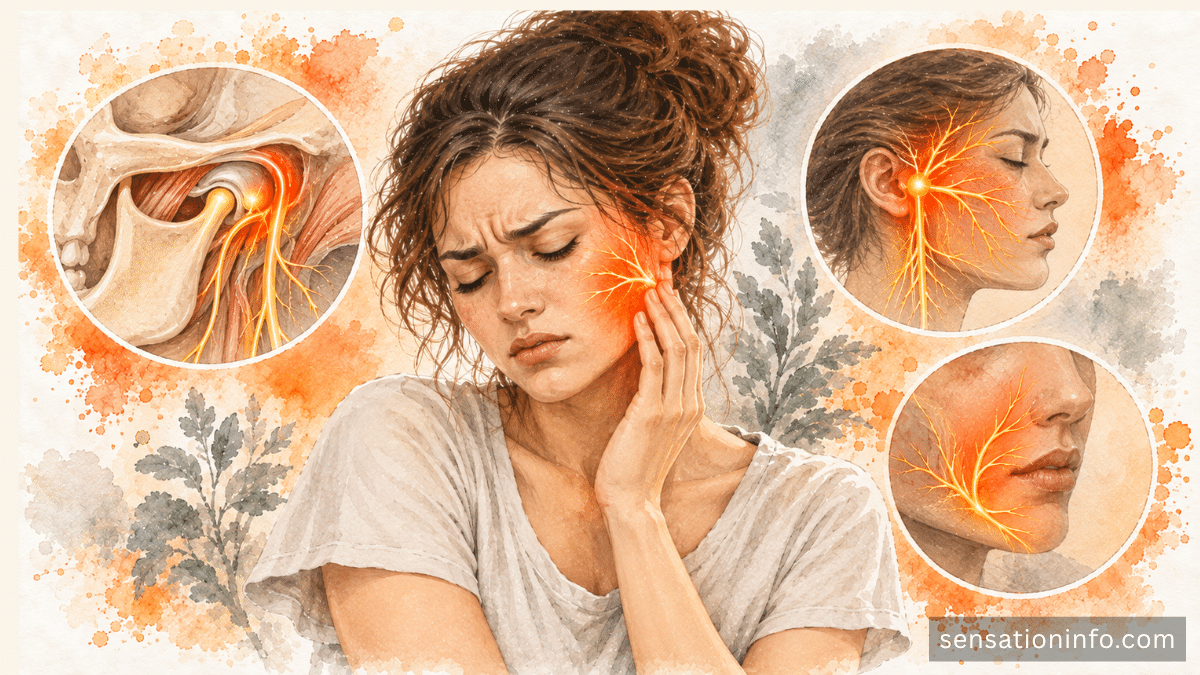
Cutaneous dysesthesia affects the skin. Even loose clothing or a breeze can feel painful. Scalp dysesthesia causes burning, itching, or stinging on the scalp, sometimes leading to compulsive scratching and even hair loss. Occlusal dysesthesia, often called “phantom bite”, makes someone feel their teeth do not align correctly, even when dental exams show nothing wrong.
There is also paroxysmal dysesthesia, which describes short, sudden attacks that often appear in people with multiple sclerosis. These episodes can be triggered by movement and disappear just as quickly.
How Doctors Diagnose It
There is no single test for dysesthesia. Diagnosis is mostly clinical, meaning doctors rely on your description of symptoms, medical history, and a careful neurological exam.
Depending on the suspected cause, they might order MRI scans to look for MS lesions, nerve conduction studies, blood tests for B12 or blood sugar levels, or skin biopsies in some cases. The goal is to find the underlying condition, because treating that is what actually reduces the dysesthesia.
If you ever describe these symptoms to a doctor, be specific. Mention triggers, timing, and how it interferes with sleep or daily tasks. That detail genuinely helps with diagnosis.
Management and Real-World Treatment
Here is where I want to be honest with you. There is no magic cure for dysesthesia, but there are well-documented ways to manage it.
Doctors commonly prescribe medications originally developed for nerve pain. Gabapentin and pregabalin are widely used. Certain antidepressants like amitriptyline and duloxetine also help calm misfiring nerves. Topical options like lidocaine patches or capsaicin cream can be useful for localised symptoms.
Beyond medication, lifestyle adjustments make a real difference. Keeping cool, since heat often worsens MS-related symptoms. Wearing soft, loose clothing. Practising stress management, because emotional stress genuinely amplifies nerve pain. Gentle exercise like yoga or swimming. And in some cases, transcutaneous electrical nerve stimulation (TENS) provides relief.
I always recommend pairing medical treatment with small daily habits. The combination tends to work better than either alone.
When to See a Doctor
If you experience burning, electric, or painful sensations that show up without an obvious cause and last more than a few days, please do not ignore it. Dysesthesia often points to something deeper, and early diagnosis matters.
This is especially important if you also notice weakness, vision problems, balance issues, or changes in coordination. Those are signs that should never be brushed off.
I am not a doctor, and nothing here replaces a proper medical consultation. But I will say this: the people who got the best outcomes in the cases I have read are the ones who spoke up early, kept a symptom diary, and worked closely with a neurologist.
Final Thoughts
Dysaesthesia is one of those conditions that sounds strange until you actually understand the biology behind it. Once you do, it stops feeling mysterious and starts making sense, even though it remains genuinely difficult to live with.
If you or someone close to you is dealing with these sensations, know that it is not imagined, not exaggerated, and not something to feel embarrassed about. It is a real neurological symptom with real treatments and real ways to improve quality of life.
The most important step is the simplest one: take it seriously, get evaluated, and find a care plan that fits your situation. From everything I have learned, that approach changes outcomes more than any single medication ever could.