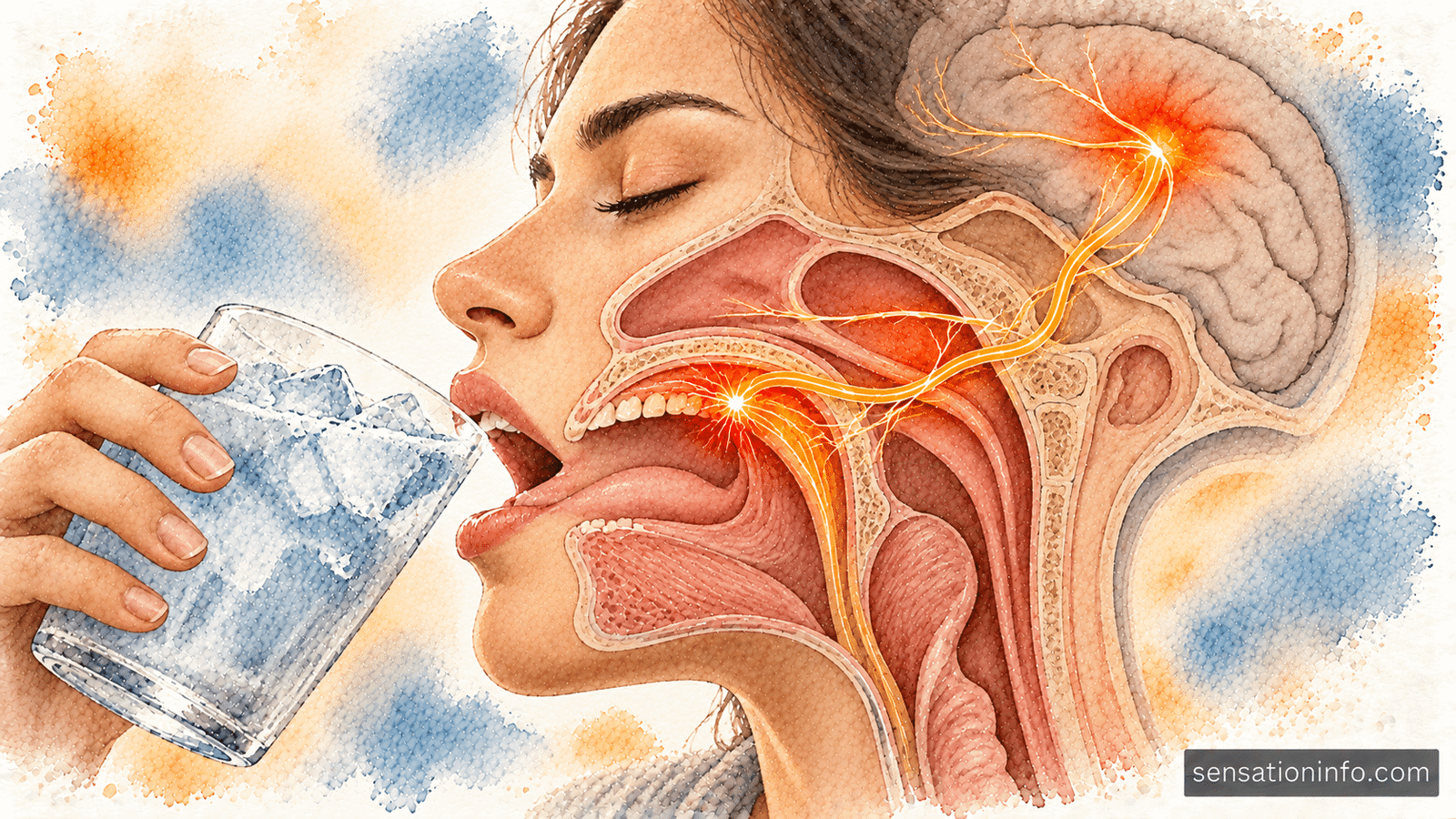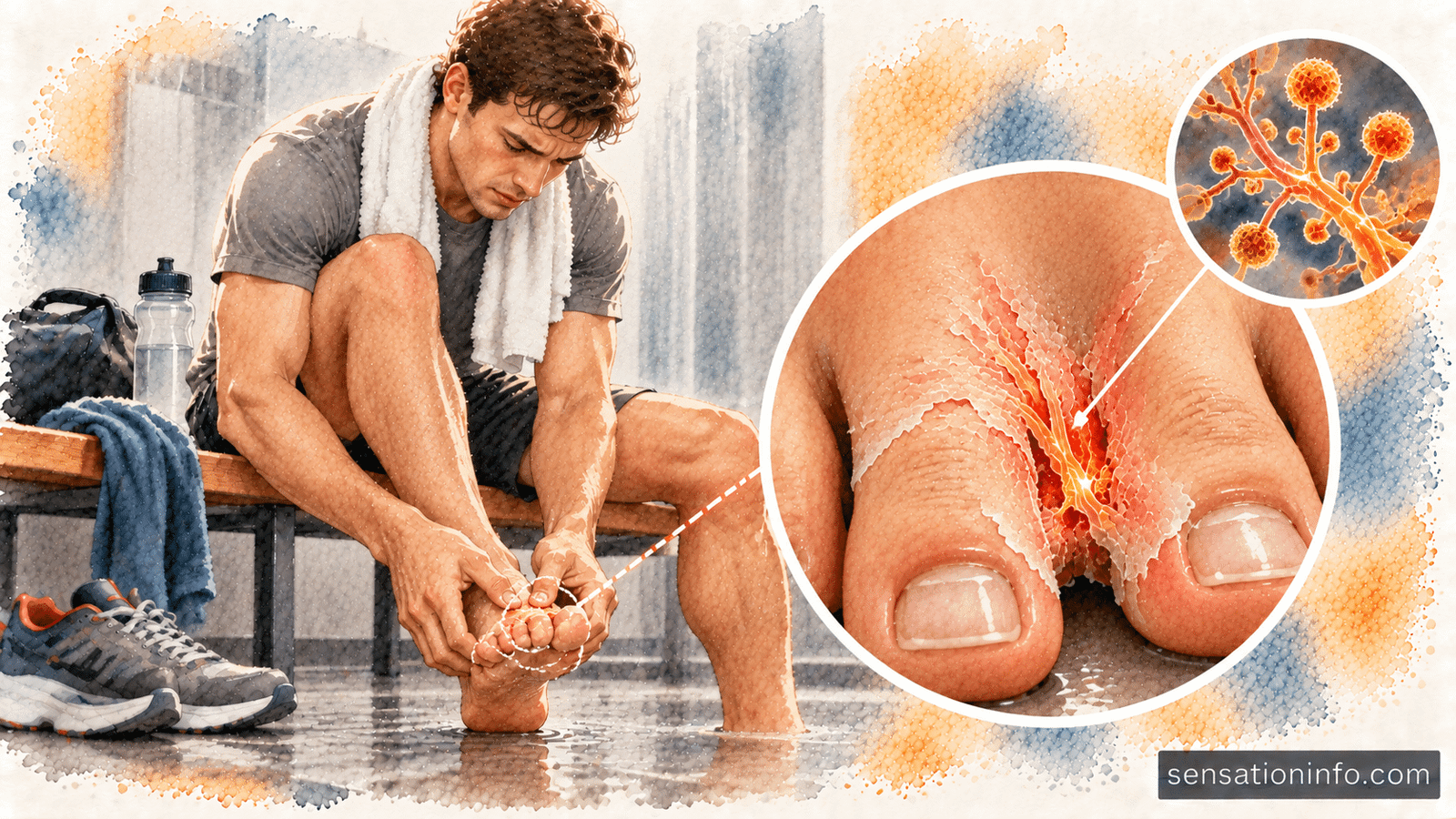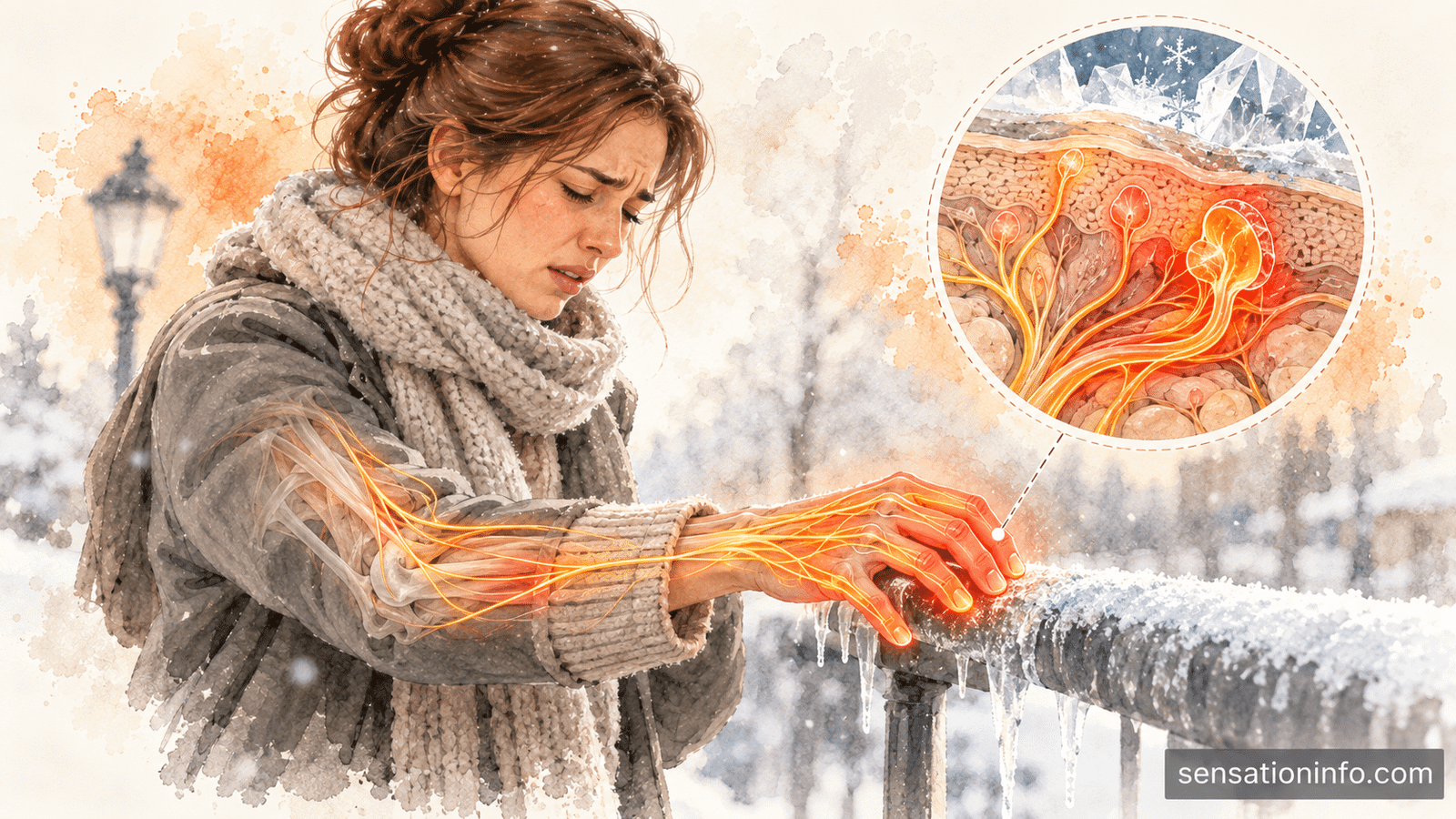

If you feel a searing pain instead of a normal chill when you touch something cold, your body is experiencing a frustrating sensory mix up. This cold induced burning skin happens because the nerve receptors responsible for sensing extreme cold share a biological pathway with the nerve endings that detect dangerous heat.
When your nerves or blood vessels become irritated, they can misfire and tell your brain that freezing temperatures are actually burning your skin. This specific type of neurological confusion, where a normal physical sensation feels painfully hot or burning, can cause a lot of anxiety. However, it is usually a highly manageable condition related to poor circulation or underlying nerve sensitivity, and securing the right diagnosis is the first step toward stopping the pain..
When to Seek Immediate Medical Help
A burning sensation from cold is rarely a life threatening emergency, but it can sometimes signal severe tissue damage or a dangerous systemic reaction. You should go to an emergency room or seek urgent medical care if your skin burning is accompanied by other severe symptoms.
Warning signs that require immediate emergency care include:
- Swelling in your throat or difficulty breathing after cold exposure
- Dizziness, lightheadedness, or feeling like you might pass out
- Skin that turns completely white, hard, or waxy after being in the freezing cold
- Blisters filled with clear fluid or blood forming on the cold exposed skin
- Sudden numbness or loss of muscle control in your hands or feet
- Severe chest pain when you breathe in cold winter air
If you experience throat swelling or difficulty breathing, you might be having a severe allergic reaction to the cold. If your skin turns hard and waxy, you are likely developing frostbite. Both of these situations require immediate professional treatment to prevent permanent damage or life threatening complications.
The Science of Paradoxical Cold
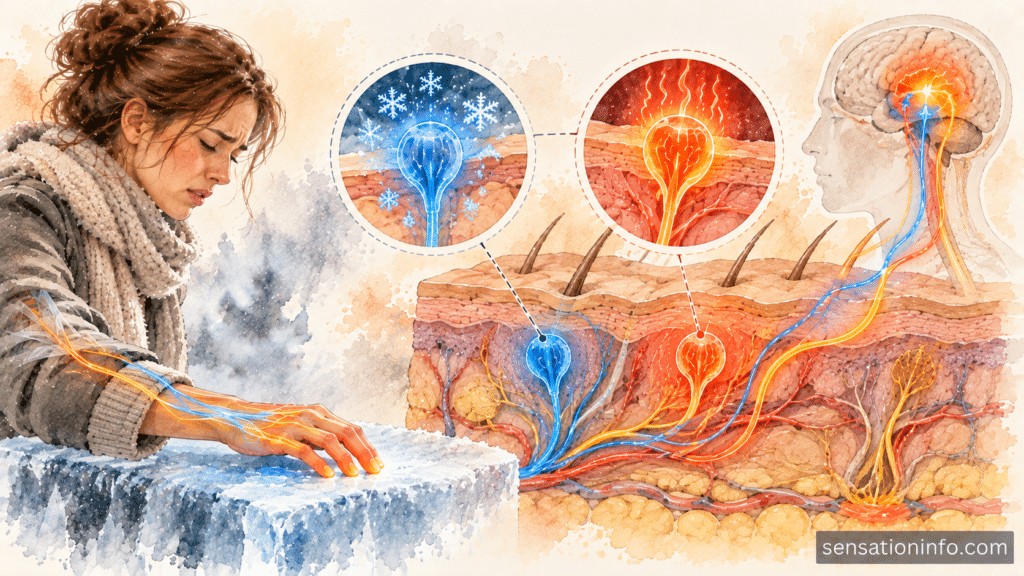
To understand why cold feels hot, you need to understand how your skin communicates with your brain. Your skin contains millions of tiny sensors called thermal receptors. Some receptors detect warmth, while others detect cold.
A specific receptor called TRPM8 is designed to detect cool temperatures. Another receptor called TRPV1 is designed to detect painful, burning heat. When temperature drops rapidly, the extreme cold can accidentally activate the TRPV1 pain receptors alongside the TRPM8 cold receptors. This biological glitch is called paradoxical cold.
Paradoxical cold is a sensory mix up where sudden exposure to extreme cold triggers the pain receptors normally reserved for dangerous heat. Your brain receives signals from both the cold sensors and the burning heat sensors at the exact same time. The brain gets confused by the conflicting information and defaults to registering the sensation as a painful burn. While this happens to everyone occasionally, chronic skin burning sensations from mild cold exposure usually point to an underlying medical condition.
Nerve Damage and Cold Allodynia
When your nerves are damaged, they become hyperactive and send incorrect signals to your brain. This misfiring is a common cause of abnormal temperature sensations.
Cold allodynia is a condition where a normally harmless cold stimulus causes severe pain. If walking across a cold tile floor feels like stepping on hot coals, you are experiencing cold allodynia. This is usually a symptom of peripheral neuropathy, which is a condition where the tiny nerve endings in your hands and feet are damaged.
Neuropathy can be caused by diabetes, vitamin deficiencies, physical trauma, or certain medications. When the protective coating around your nerves wears away, the nerves become hypersensitive. A cool breeze or a cold glass of water can trigger a severe episode of burning pain. This abnormal nerve behavior is also classified as dysesthesia, which refers to any abnormal and unpleasant sensation triggered by normal touch or temperature.
Blood Vessel Spasms and Circulation Issues
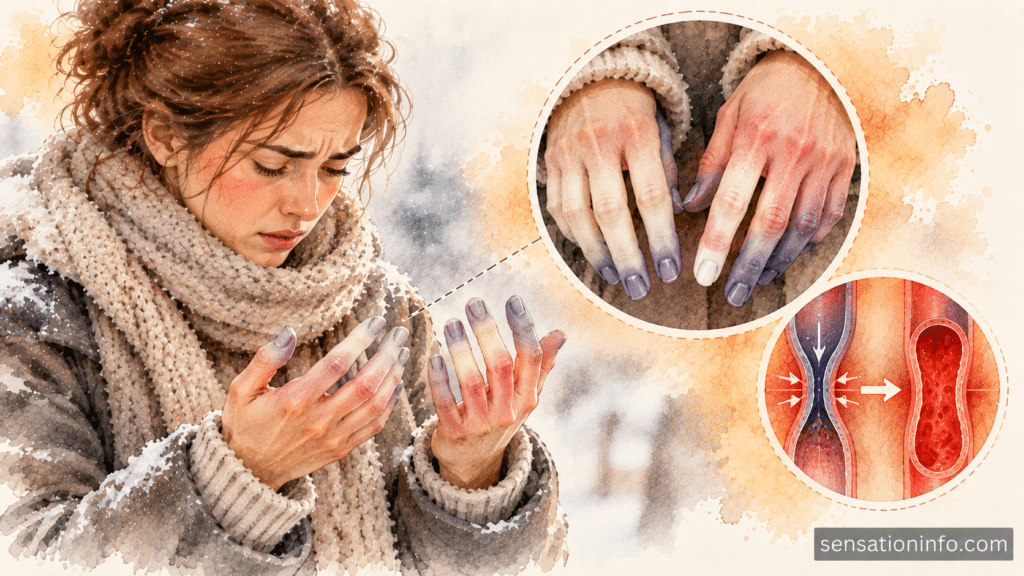
Your circulatory system plays a massive role in how you perceive temperature. When you get cold, the tiny blood vessels in your skin naturally narrow to keep warm blood closer to your vital organs. In some people, this normal process becomes exaggerated and causes severe pain.
Raynaud’s Phenomenon
Raynaud’s syndrome is a condition where the blood vessels in your fingers and toes spasm and close up almost completely when exposed to cold or stress. According to the National Institutes of Health, Raynaud’s phenomenon affects about five percent of the United States population.
During an episode, your fingers might turn completely white as the blood leaves the area. They often turn blue shortly after due to a lack of oxygen. When you finally warm your hands up and the blood rushes back into the empty vessels, it causes a severe throbbing and burning pain. The burning sensation happens during the rewarming phase rather than during the initial cold exposure.
Chilblains
Chilblains, also known medically as pernio, are painful inflammation of small blood vessels in your skin that occur in response to repeated exposure to cold but not freezing air. If you spend a lot of time outside in damp and chilly weather without proper gloves or socks, the tiny blood vessels in your skin can become permanently inflamed.
This inflammation causes itchy, red, and swollen patches to form on your toes, fingers, ears, or nose. When these inflamed patches are exposed to even mild cold, they often sting and burn intensely. Chilblains usually clear up on their own within one to three weeks if the skin is kept consistently warm.
Cold Urticaria and Immune Reactions
Sometimes the burning is not caused by nerves or blood vessels, but by your immune system reacting to the temperature change as if it were an allergy.
Cold urticaria is a rare condition where exposure to cold temperatures causes the skin to break out in hives. When the skin gets cold, the immune system mistakenly triggers mast cells to release histamine and other inflammatory chemicals into the blood. This histamine release causes the skin to swell, turn red, itch, and burn.
The burning sensation happens very quickly, usually within five minutes of the skin dropping in temperature. People with cold urticaria can experience burning hands from holding a cold steering wheel, or a burning mouth from eating ice cream. In severe cases, swimming in cold water can cause a massive systemic release of histamine that leads to dangerous drops in blood pressure and fainting.
Comparing the Common Causes
Understanding your specific symptoms can help narrow down the underlying cause. Here is how the most common triggers compare.
| Condition | Timing of the Burning Pain | Visual Skin Changes | Other Accompanying Symptoms |
| Nerve Damage | Immediate pain upon touching something cold | No visible changes, skin looks perfectly normal | Numbness, tingling, or an underlying feeling of cold in your hands and feet |
| Raynaud’s | Pain peaks during the rewarming phase | Fingers turn white, then blue, then bright red | Throbbing sensation, extreme coldness in the digits |
| Chilblains | Constant burning that worsens with temperature changes | Red or purple swollen patches, small blisters | Severe itching, skin tenderness, usually on toes or ears |
| Cold Urticaria | Within minutes of the cold exposure | Raised, red, welt like hives on the exposed area | Severe itching, swelling, potential dizziness |
How Doctors Diagnose the Problem
Because a burning sensation from cold can stem from three completely different body systems, doctors rely on specific clinical tests to find the root cause.
If your doctor suspects cold urticaria, they will likely perform an ice cube test. They will place a small ice cube in a thin plastic bag and rest it on your forearm for five minutes. If a raised, red, burning welt forms shortly after the ice is removed, the diagnosis of cold urticaria is confirmed.
If vascular issues like Raynaud’s are suspected, the doctor might perform a nailfold capillaroscopy. They will place a drop of oil at the base of your fingernail and look at it under a microscope to examine the tiny blood vessels for damage. They will also run an antinuclear antibody blood test to check for autoimmune diseases like lupus, which often cause secondary Raynaud’s phenomenon.
To check for nerve damage, a neurologist may order a nerve conduction study or an electromyography test. These tests use mild electrical impulses to measure exactly how fast your nerves are sending signals. If the signals are slow or blocked, it confirms peripheral neuropathy.
Effective Home Care and Prevention
Managing cold induced burning skin is heavily focused on preventing the temperature drop before the pain cycle can begin.
- Adopt the layer method. Wear multiple thin layers of loose clothing rather than one thick heavy coat. This traps body heat more effectively and prevents cold air from reaching your skin.
- Warm up your environment proactively. Start your car heater ten minutes before you have to drive. Use a space heater in cold office environments.
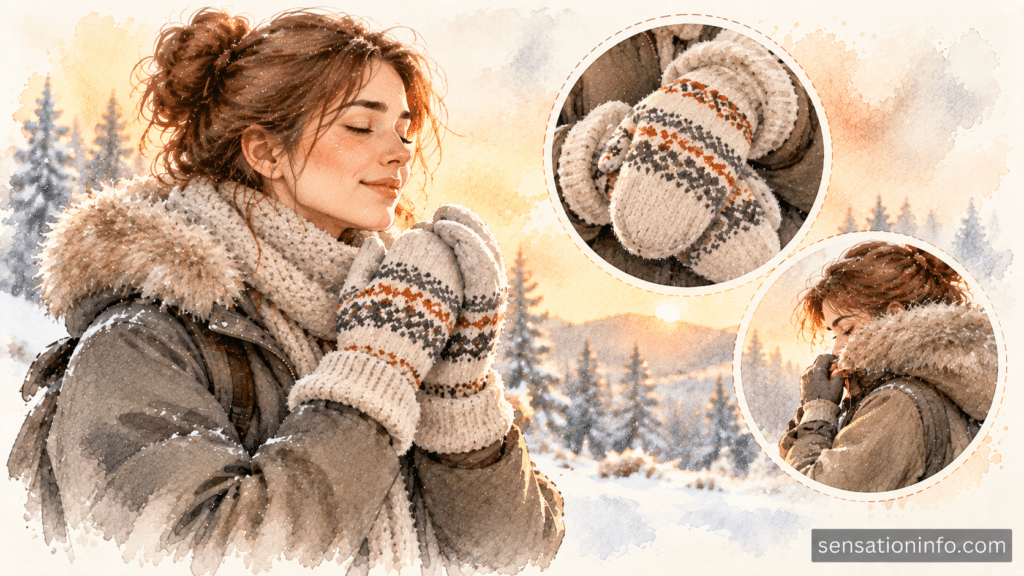
- Protect your extremities. Wear insulated mittens instead of fingered gloves. Mittens keep your fingers pressed together, allowing them to share body heat and preventing the rapid cooling that triggers blood vessel spasms.
- Avoid rapid temperature shifts. Do not jump directly into a hot shower after being out in the freezing cold. The rapid expansion of cold blood vessels causes intense burning pain. Let your body warm up gradually at room temperature first.
- Quit using tobacco products. Nicotine is a powerful vasoconstrictor. It forces your blood vessels to narrow, which drastically increases the severity of Raynaud’s phenomenon and chilblains.
Medical Treatments for Cold Triggers
If lifestyle changes are not enough to stop the pain, your doctor can prescribe specific medications based on your exact diagnosis.
For nerve damage and allodynia, doctors rarely use standard painkillers because they do not work well on nerve pain. Instead, they often prescribe medications originally designed for seizures or depression. Drugs like gabapentin (Neurontin) or pregabalin (Lyrica) calm down hyperactive nerves and stop them from confusing cold signals with pain signals. Topical creams containing capsaicin can also help desensitize the nerve endings in the skin.
For circulation issues like Raynaud’s, the goal is to keep the blood vessels wide open. Doctors often prescribe calcium channel blockers like amlodipine (Norvasc) or nifedipine (Procardia). These blood pressure medications relax the smooth muscles in your blood vessels, preventing the painful spasms that cut off circulation.
If your burning is caused by cold urticaria, the primary treatment is high dose antihistamines. Taking a non drowsy antihistamine like cetirizine (Zyrtec) or loratadine (Claritin) before going out into the cold can prevent the mast cells from releasing the chemicals that cause the burning hives. People with severe cold urticaria are also prescribed an epinephrine auto injector to carry with them in case of an emergency systemic reaction.
Key Takeaways
- Feeling a burning sensation when exposed to cold is a sensory mix up where cold receptors and heat pain receptors fire at the same time.
- Cold allodynia is a nerve condition where normally harmless cool temperatures trigger severe burning pain, often indicating underlying neuropathy.
- Raynaud’s phenomenon causes blood vessels to spasm in the cold, leading to intense burning and throbbing during the rewarming phase.
- Cold urticaria is an immune system reaction that causes burning, itchy hives to form on the skin within minutes of cold exposure.
- Wearing mittens instead of gloves and warming up gradually are the best home methods to prevent cold triggered burning pain.
- Medical treatments target the specific cause, using nerve medications for neuropathy, blood pressure drugs for circulation issues, and antihistamines for allergic reactions.
Frequently Asked Questions
Ice feels like it is burning because sudden extreme cold can accidentally activate the TRPV1 pain receptors in your skin. These are the same receptors that detect dangerous heat, so your brain gets confused and interprets the freezing temperature as a burn.
Yes, severe anxiety can trigger a fight or flight response that restricts blood flow to your skin, making you feel cold. The same anxiety can also make your nervous system hyperactive, which can cause phantom burning or tingling sensations.
A severe deficiency in Vitamin B12 can damage the protective coating around your nerves. This nerve damage, known as peripheral neuropathy, can cause your hands and feet to feel a constant burning pain while simultaneously being highly sensitive to cold temperatures.
You should never use hot or warm water to heat up freezing cold hands. The rapid temperature change forces the blood vessels to expand too quickly, which causes intense burning pain and can damage the tissue. Always warm your hands gradually using room temperature air or body heat.
Doctor’s Recommendation
If you consistently experience burning pain when exposed to cold and home warming methods are not helping, it is important to have your nerve function professionally evaluated. A neurologist can perform a nerve conduction study to determine if the burning is a sign of developing peripheral neuropathy. Diagnosing nerve damage early is critical because it allows you to start treatments that can prevent permanent sensory loss. You can browse our directory of top neuropathy specialists across the USA to find a qualified doctor who can properly assess your symptoms and create a customized pain management plan.
References
- National Institutes of Health. Raynaud’s Phenomenon. National Heart, Lung, and Blood Institute. 2022.
- Mayo Clinic. Cold Urticaria: Symptoms and Causes. 2022.
- Cleveland Clinic. Chilblains (Pernio): Symptoms, Causes and Treatment. 2022.
- Centers for Disease Control and Prevention. Cold Stress: Frostbite and Hypothermia. National Institute for Occupational Safety and Health. 2021.