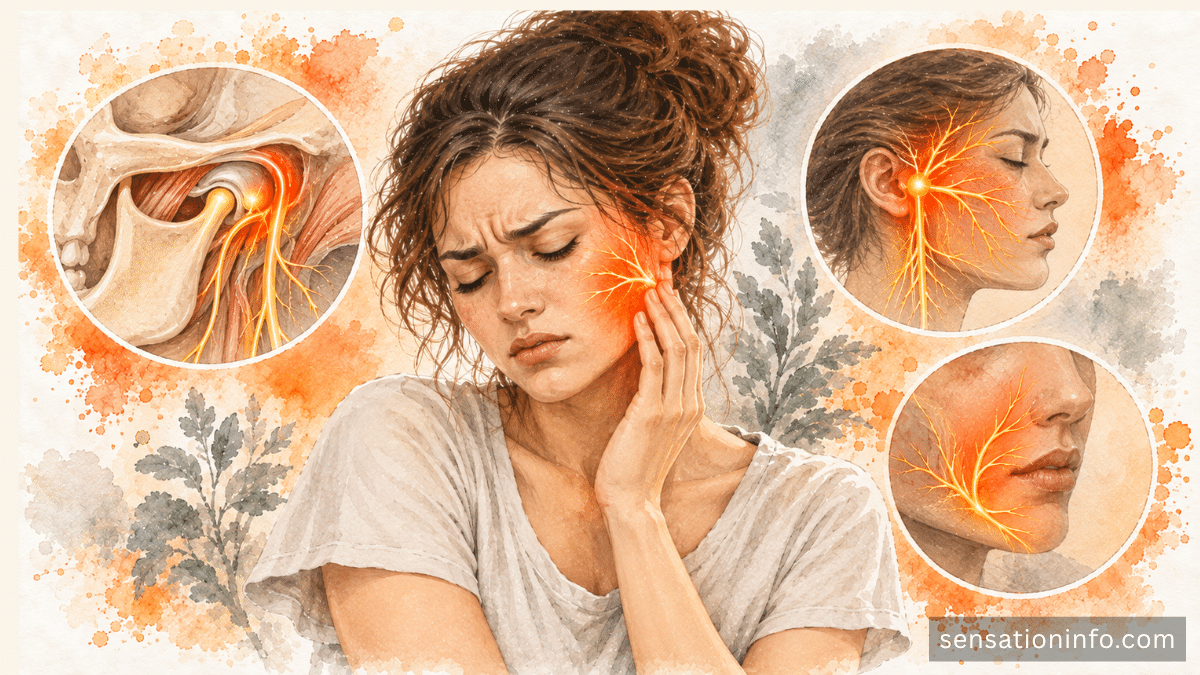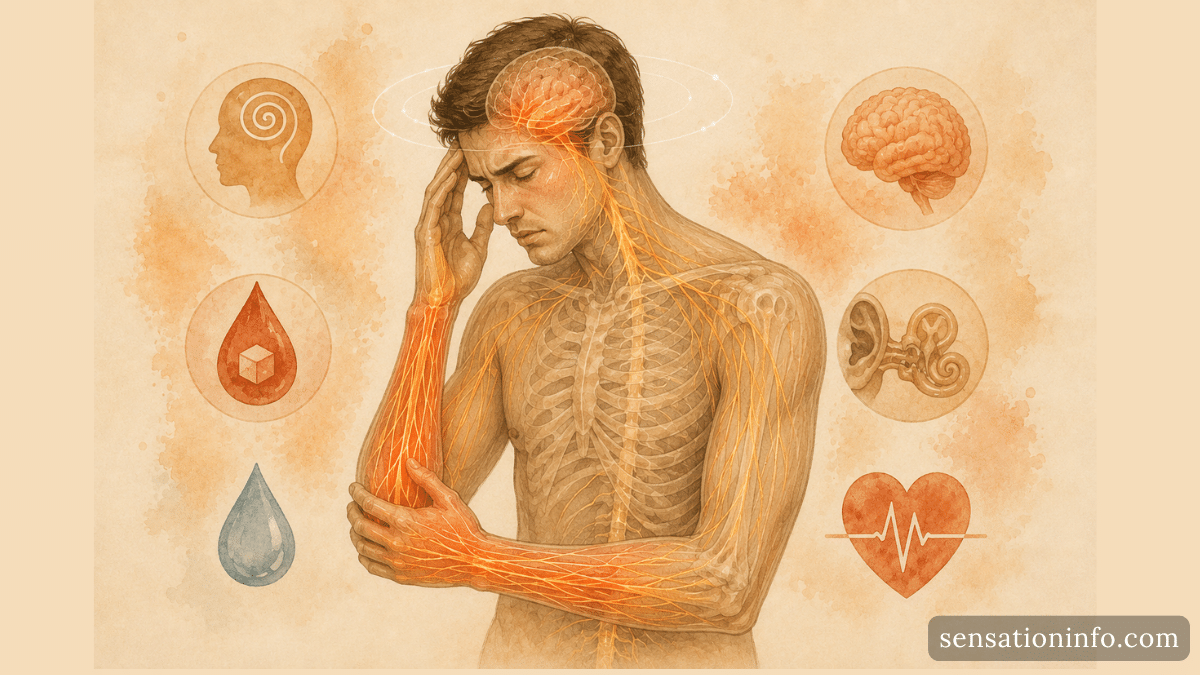

Tingling and dizziness at the same time can happen for several reasons, including rapid breathing, low blood sugar, dehydration, a blood pressure drop, migraine, an inner ear problem, or a medicine effect. However, sudden tingling with dizziness can also be a warning sign of a stroke or transient ischemic attack, especially when there is one sided weakness, trouble speaking, vision changes, or difficulty walking. If these warning signs are present, call 112 in India or 911 in the United States immediately rather than driving yourself.
Recognizing Emergency Warning Signs
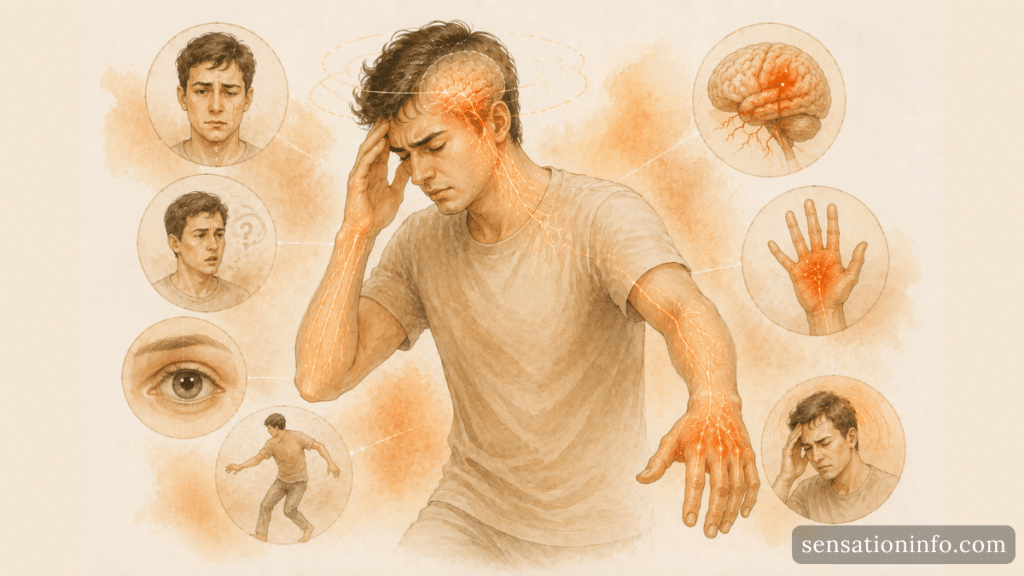
Sudden tingling and dizziness require immediate emergency care when they occur with numbness or weakness in the face, arm, or leg, particularly on one side. Facial drooping, slurred speech, confusion, trouble understanding speech, new double vision, vision loss, severe imbalance, difficulty walking, loss of coordination, or a sudden severe headache are also warning signs.
Sudden dizziness combined with one sided numbness or weakness should be treated as a possible stroke until a clinician rules it out. The CDC and National Institute of Neurological Disorders and Stroke identify sudden numbness or weakness, trouble speaking, vision problems, dizziness, and loss of balance as important stroke warning signs.
Note exactly when the symptoms began, even if they improve. A transient ischemic attack, or TIA, can cause temporary stroke like symptoms and still requires urgent medical assessment.
What do tingling and dizziness feel like?
Tingling is an unusual sensation that may feel like prickling, buzzing, burning, crawling, or pins and needles in hands, feet, and face. The medical term is paresthesia. It can also affect the lips, tongue, arms, or legs.
The pattern matters. Tingling in both hands during rapid breathing points toward a different group of possible causes than sudden tingling on one side combined with difficulty walking.
No symptom pattern can confirm a diagnosis on its own. The timing, location, severity, trigger, and other symptoms help a clinician decide what may be happening and how urgently you need care.
What causes tingling and dizziness at the same time?
Several conditions can cause both symptoms. Some are temporary and treatable, while others require prompt medical assessment.
Can fast breathing cause tingling and dizziness?
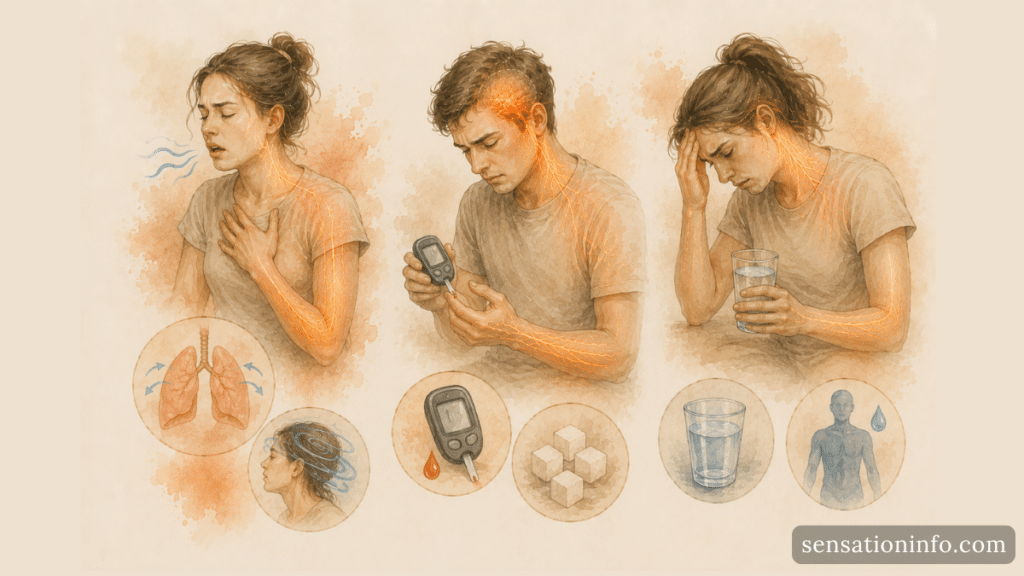
Yes. Breathing faster or deeper than your body needs can lower the amount of carbon dioxide in your blood. This is called hyperventilation and can cause lightheadedness, dizziness, chest tightness, and tingling around the mouth or in the hands and feet.
Hyperventilation can happen during anxiety or a panic attack, but it can also occur with pain, illness, or other medical problems. Anxiety should not automatically be assumed to be the cause when tingling and dizziness are new or severe.
If symptoms occur during a period of fear or stress, affect both sides of the body, and improve as your breathing settles, a breathing related episode may be one possibility.
Can low blood sugar cause tingling and dizziness?
Yes. Low blood sugar, also called hypoglycemia, can cause dizziness, shaking, sweating, weakness, confusion, blurred vision, a fast heartbeat, and tingling or numbness.
Low blood sugar is particularly important to consider in people who use insulin or certain medicines for diabetes.
If you have diabetes, follow the low blood sugar plan provided by your clinician and check your glucose if you have a meter or continuous glucose monitor.
If the person becomes less alert or cannot safely swallow, do not give food or drink by mouth. Seek emergency medical help.
Can dehydration or a blood pressure drop cause these symptoms?
Dehydration can contribute to lightheadedness by reducing the amount of fluid circulating in the body. A sudden drop in blood pressure can also cause dizziness, particularly after standing up quickly. Certain medicines can contribute to these problems as well.
If you feel dizzy, sit or lie down somewhere safe. Avoid driving until you feel steady again. Seek medical care if you faint, remain very dizzy, or develop chest symptoms.
Can an inner ear problem cause tingling and dizziness?
Inner ear disorders can cause vertigo, nausea, unsteadiness, and hearing symptoms. They do not usually cause widespread tingling or pins and needles all over body.
Benign paroxysmal positional vertigo, or BPPV, is one common inner ear cause of vertigo. It can cause brief spinning sensations triggered by certain head movements, such as rolling over in bed or looking upward.
New severe imbalance, weakness, speech problems, vision changes, or other neurologic symptoms should not be assumed to be an inner ear problem because stroke can also affect balance.
Can migraine cause tingling and dizziness?
Yes. Migraine with aura can cause temporary tingling, visual changes, speech symptoms, or other neurologic symptoms. These symptoms can occur before or during a headache, and some people experience aura without significant head pain.
A familiar migraine pattern that has already been evaluated by a clinician may fit migraine.
However, new or unusual neurologic symptoms should not automatically be attributed to migraine. Sudden weakness, speech difficulty, vision loss, or severe loss of balance requires urgent assessment because these symptoms can also occur with stroke.
Can medicines or mineral changes cause tingling and dizziness?
Yes. Some medicines can cause dizziness, lightheadedness, or tingling as side effects.
Abnormal levels of minerals such as calcium, potassium, or sodium can also cause neurologic or muscle symptoms. Other possible causes of persistent tingling include vitamin deficiencies, diabetes, migraine, multiple sclerosis, and reduced blood flow to an affected area.
Do not stop a prescription medicine or take large amounts of vitamins or minerals on your own.
Can nerve problems cause tingling and dizziness?
Nerve problems can cause numbness, burning, pain, or pins and needles in legs, feet, and hands.
Peripheral neuropathy means damage or dysfunction affecting nerves outside the brain and spinal cord. Diabetes, certain medicines, alcohol exposure, infections, vitamin deficiencies, and other conditions can affect peripheral nerves.
Peripheral neuropathy does not usually cause sudden dizziness by itself. Dizziness may occur at the same time because of low blood pressure, low blood sugar, a medicine effect, or another condition.
Could a stroke or TIA cause tingling and dizziness?
Yes. A stroke or TIA can cause sudden numbness or weakness, particularly on one side of the body. Dizziness may occur along with trouble walking, loss of coordination, vision changes, confusion, or speech problems.
Some strokes affecting areas of the brain involved in balance can cause prominent dizziness or difficulty walking.
Sudden neurologic symptoms should be treated as an emergency. Do not wait to see whether they pass, and do not rely on a home test to rule out a stroke.
How can you tell which cause fits your symptoms?
You cannot reliably diagnose the cause from the symptoms alone, but the pattern can help a clinician understand what happened.
| Pattern | What it may suggest |
| Tingling in both hands or around the mouth during rapid breathing | Hyperventilation or anxiety related breathing changes |
| Dizziness with sweating, shaking, hunger, weakness, or confusion | Low blood sugar |
| Spinning triggered by head movement | Inner ear problem such as BPPV |
| Gradually spreading tingling with a familiar migraine pattern | Migraine aura |
| Sudden one sided tingling with weakness, speech, vision, or balance problems | Possible stroke or TIA |
| Tingling that lasts days or weeks or keeps returning | Nerve, metabolic, medication, or other underlying problem |
These patterns are clues, not a self diagnosis. More than one cause can occur at the same time, and some serious conditions can initially resemble anxiety, migraine, or an inner ear problem.
What will a clinician do to find the cause?

A clinician will usually start by asking when the symptoms began, whether they appeared suddenly or gradually, what you mean by dizziness, where the tingling occurred, and what other symptoms appeared at the same time.
The examination may include:
- Blood pressure and heart rate measurements
- A neurologic examination
- Walking and balance assessment
- Eye movement testing
- An ear examination
- Blood glucose testing
- Blood tests when appropriate
Depending on the symptoms, testing may include blood counts, electrolyte testing, thyroid testing, vitamin B12 testing, an electrocardiogram, hearing or balance testing, brain imaging, or nerve testing.
The appropriate tests depend on your history and examination. Tingling alone does not automatically mean that you need every possible test.
What should you do right now?
If you are currently dizzy or unsteady, sit or lie down in a safe place. Avoid driving, climbing, operating machinery, or walking without assistance until the episode has passed or a clinician has told you it is safe.
Use this simple plan:
- Check for the emergency warning signs listed above.
- Call 112 in India or 911 in the United States if sudden neurologic warning signs are present.
- Note the exact time the symptoms began.
- If you have diabetes, check your glucose and follow your personal low blood sugar plan.
- If you were breathing rapidly, focus on calm, gentle breathing rather than breathing into a paper bag.
- Drink fluids if you are awake, can swallow normally, and dehydration may be contributing.
- Review recent medicines, dose changes, supplements, alcohol use, missed meals, illness, or injury.
- Arrange medical evaluation if the symptoms are new, recurrent, persistent, worsening, or unexplained.
Do not take someone else’s medicine, stop a prescribed medicine, or take a large dose of a vitamin to try to treat unexplained tingling.
When should you make a medical appointment?
Make an appointment if tingling and dizziness keep returning, last longer than a brief episode, have no obvious trigger, or interfere with walking, work, sleep, or daily activities.
You should also arrange an evaluation if tingling is gradually spreading, occurs repeatedly in the hands or feet, begins after a new medicine, or occurs with other unexplained symptoms such as fatigue, fever, muscle spasms, weight loss, or a rash.
Seek urgent medical care for a first moderate or severe episode, even if it has improved.
Go to an emergency department or call emergency services for sudden or worsening symptoms, fainting, chest symptoms, severe headache, new vision or speech changes, severe imbalance, or any loss of strength.
Key Takeaways
- Tingling and dizziness together can have several causes, including rapid breathing, low blood sugar, dehydration, blood pressure changes, migraine, inner ear disorders, medicines, and nerve or metabolic problems.
- Sudden tingling with one sided weakness or numbness, speech problems, vision changes, or severe imbalance can be a sign of stroke or TIA and requires emergency care.
- Anxiety and hyperventilation can cause real tingling and dizziness, but anxiety should not be assumed when symptoms are new, sudden, or accompanied by neurologic warning signs.
- Low blood sugar can cause dizziness, weakness, sweating, shaking, confusion, and tingling, particularly in people with diabetes who use glucose lowering treatment.
- New, persistent, recurrent, worsening, or unexplained tingling and dizziness should be evaluated by a clinician.
Frequently Asked Questions
Tingling and dizziness may signal a stroke when they begin suddenly with numbness or weakness on one side, facial drooping, trouble speaking, confusion, vision changes, difficulty walking, loss of coordination, or a severe unexplained headache. Call emergency services immediately and do not drive yourself.
Yes. Migraine aura can cause temporary tingling, visual symptoms, speech changes, or other neurologic symptoms, and a headache does not always follow. New or different symptoms, especially weakness, speech trouble, or vision loss, need immediate medical evaluation to rule out a stroke.1
Yes. Some medicines can cause dizziness, lightheadedness, or tingling as side effects. Do not stop a prescribed medicine or change its dose without medical guidance. Bring a complete list of medicines, supplements, and recent dose changes to your appointment.
Doctor’s Recommendation
If tingling keeps returning or continues beyond a brief episode, the next clinical question is whether a nerve disorder, metabolic problem, medicine effect, or another condition could be contributing. What Is Neuropathy? A Complete Guide to Types, Causes, Symptoms, and Treatment explains how persistent nerve related symptoms are evaluated and treated, but it cannot establish a diagnosis for your symptoms.
Conclusion
Tingling and dizziness at the same time can result from something temporary, such as rapid breathing, dehydration, low blood sugar, or a medicine effect. They can also occur with migraine, inner ear disorders, or nerve problems.
The pattern matters most. Sudden tingling with one sided weakness, speech trouble, vision changes, or severe balance problems needs emergency assessment because stroke or TIA may be involved. Persistent or recurring symptoms without a clear explanation should be evaluated by a clinician.
References
- Centers for Disease Control and Prevention. Signs and Symptoms of Stroke. CDC. 2026.
- National Library of Medicine. Dizziness and Vertigo. MedlinePlus. 2026.
- National Library of Medicine. Low Blood Sugar. MedlinePlus Medical Encyclopedia. 2026.
- Mayo Clinic. Migraine with Aura: Symptoms and Causes. Mayo Clinic. 2025.