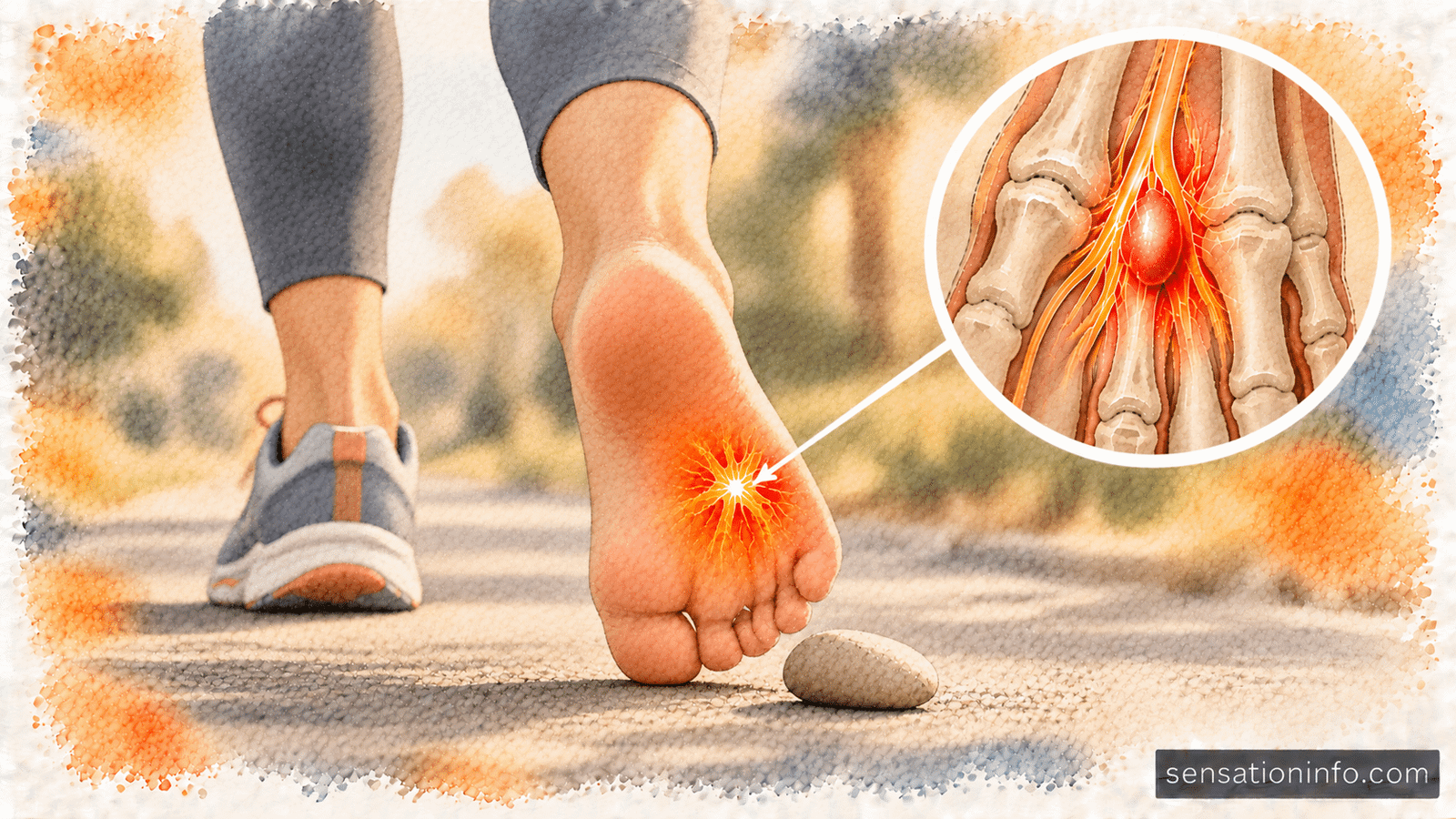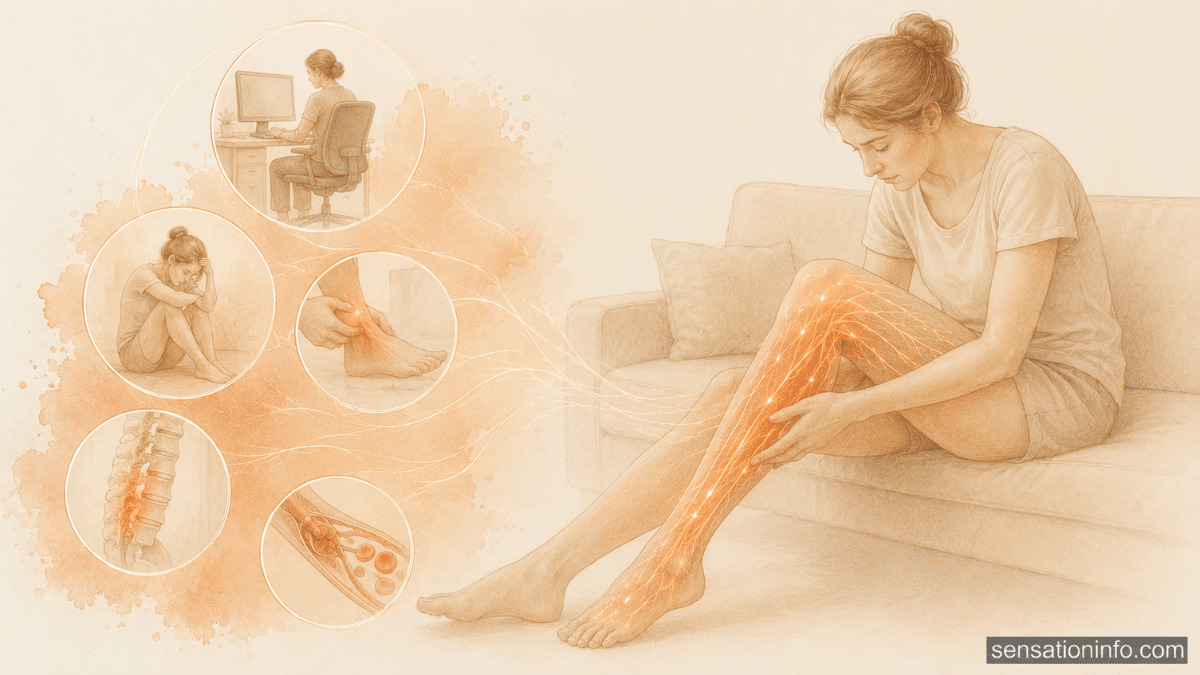

That prickling, tingling feeling in your legs, often described as “pins and needles,” is your body telling you something about your nerves. Most of the time, it happens because you sat in one position too long and temporarily compressed a nerve. But when pins and needles in your legs keep coming back, spread to both legs, or show up without an obvious reason, they may point to an underlying condition that needs medical attention. The medical term for this sensation is paresthesia, and understanding what causes it can help you figure out when to shake it off and when to call your doctor.
What Does Pins and Needles in the Legs Actually Feel Like?
Most people describe it as a prickling or tingling sensation, like tiny needles lightly poking the skin. Some feel buzzing, crawling, or a faint electrical hum under the surface. The sensation can be mild and barely noticeable, or intense enough to make it hard to walk or sleep. It may come in waves or stay constant, and it can affect a small patch of skin or run the full length of your leg from hip to toes.
Pins and needles are a type of paresthesia, which is any abnormal nerve sensation that happens without an outside trigger. According to Cleveland Clinic, paresthesia can also include burning, itching, or a feeling of skin crawling. When the sensation is temporary and linked to an obvious cause like crossing your legs, doctors call it transient paresthesia. When it lingers, recurs without a clear trigger, or gets worse over time, it becomes chronic paresthesia, and that is when the cause matters.
Why Do Your Legs Get Pins and Needles? Common Causes
Sitting or Standing in One Position Too Long
This is by far the most common reason. When you sit with your legs crossed, kneel for an extended period, or fall asleep in an awkward position, you compress the nerves running through your legs. The nerve signals get temporarily scrambled, producing that familiar tingle. Once you shift position and blood flow returns, the sensation fades within seconds to a few minutes. This is sometimes called obdormition, the medical word for a limb “falling asleep.” If this happens regularly when you sit for long stretches, our guide on numbness in the legs from sitting covers practical ways to prevent it.
Peripheral Neuropathy
Peripheral neuropathy means damage to the nerves outside your brain and spinal cord. According to the National Institute of Neurological Disorders and Stroke (NINDS), more than 20 million Americans have some form of peripheral neuropathy, though the actual number may be higher because many cases go undiagnosed. Damaged peripheral nerves misfire, sending tingling, burning, or numbness signals to the brain even when nothing is touching the skin.
The legs and feet are usually the first areas affected because the longest nerves in the body run from the lower spine all the way to the toes. When tingling concentrates in the feet specifically, our article on pins and needles in feet covers targeted relief strategies. Symptoms often start in the feet and gradually move upward, a pattern doctors call a “stocking and glove” distribution.
Diabetes (Diabetic Neuropathy)
Diabetes is the single most common cause of peripheral neuropathy in the United States. According to NINDS, between 60% and 70% of people with diabetes develop some form of nerve damage over their lifetime. High blood sugar levels damage the small blood vessels that supply oxygen and nutrients to nerves, especially the long nerves serving the legs and feet. The tingling often starts in the toes, creeps up to the feet, and can eventually reach the knees. If you are also experiencing numbness in your feet, that often indicates the neuropathy is progressing.
If you have diabetes and notice new or worsening pins and needles in your legs, tell your doctor promptly. Tight blood sugar control is the most effective way to slow or prevent further nerve damage.
Sciatica
Sciatica refers to pain, tingling, or numbness that radiates along the sciatic nerve, which runs from the lower back through each buttock and down the back of each leg. According to Mayo Clinic, the most common causes are a herniated disc or a bone spur pressing on the nerve root in the lower spine.
The tingling from sciatica typically affects only one leg and follows a specific path: lower back to buttock to thigh to calf. Some people feel sharp, shooting pain in one area and tingling or numbness in another part of the same leg. Most cases of sciatica resolve within a few weeks with conservative treatment, though severe cases with significant weakness may need surgery.
Spinal Stenosis
Spinal stenosis is a narrowing of the spaces within the spine, which puts pressure on the nerves traveling through it. It is most common in the lower back (lumbar stenosis) and tends to develop gradually after age 50. The narrowing squeezes the nerve roots that serve the legs, causing tingling, numbness, or weakness that often gets worse with walking or standing and improves when you sit down or lean forward.
Vitamin B12 Deficiency
Vitamin B12 is essential for maintaining the protective coating (myelin sheath) around your nerves. When B12 levels drop too low, this coating breaks down, and nerve signals misfire, producing tingling and numbness that often starts in the feet and legs. People at higher risk for B12 deficiency include older adults, vegans and strict vegetarians, people who have had stomach or intestinal surgery, and those taking certain medications like metformin or long term proton pump inhibitors.
Peripheral Artery Disease (PAD)
Peripheral artery disease happens when fatty deposits build up in the arteries that supply blood to your legs. According to the CDC, approximately 6.5 million Americans age 40 and older have PAD. While the classic symptom is leg pain during walking that eases with rest (claudication), PAD can also cause numbness, tingling, and a feeling of coldness in the lower legs and feet. Reduced blood flow means nerves in the legs do not get enough oxygen, triggering pins and needles or a sensation of heaviness.
Multiple Sclerosis (MS)
Multiple sclerosis is an autoimmune disease in which the immune system attacks the myelin sheath surrounding nerves in the brain and spinal cord. According to the National Institute of Neurological Disorders and Stroke, tingling and numbness in the arms, legs, trunk, or face are among the most common early symptoms of MS. The tingling may come and go in episodes (called relapses) and can affect one or both legs. MS symptoms most commonly appear between ages 20 and 40, and women are more likely than men to develop the condition.
Less Common Causes Worth Knowing About
Not every case of leg tingling comes from the conditions above. Several less common causes can also be behind persistent pins and needles.
Tarsal tunnel syndrome occurs when the tibial nerve gets compressed as it passes through a narrow space on the inside of the ankle. It causes tingling, burning, or numbness in the sole of the foot and sometimes up into the lower leg. Think of it as the leg equivalent of carpal tunnel syndrome in the wrist.
Guillain Barre syndrome is a rare but serious autoimmune condition in which the immune system attacks the peripheral nerves. It often starts with tingling and weakness in the feet and legs that moves upward rapidly over days or weeks. This is a medical emergency that requires hospitalization.
Chronic alcohol use can damage peripheral nerves directly (alcoholic neuropathy) and also leads to nutritional deficiencies, particularly thiamine (vitamin B1), that compound nerve damage.
Chemotherapy induced peripheral neuropathy affects 30% to 40% of patients receiving certain chemotherapy drugs, according to NINDS. Tingling in the hands and feet is one of the most common side effects.
Hypothyroidism can cause fluid retention that compresses nerves, leading to tingling in the legs and feet. Treating the underlying thyroid condition usually resolves the nerve symptoms.
Electrolyte imbalances, particularly low levels of potassium, calcium, or magnesium, can disrupt normal nerve signaling and produce temporary tingling in the legs.
When Pins and Needles in Your Legs Are a Red Flag
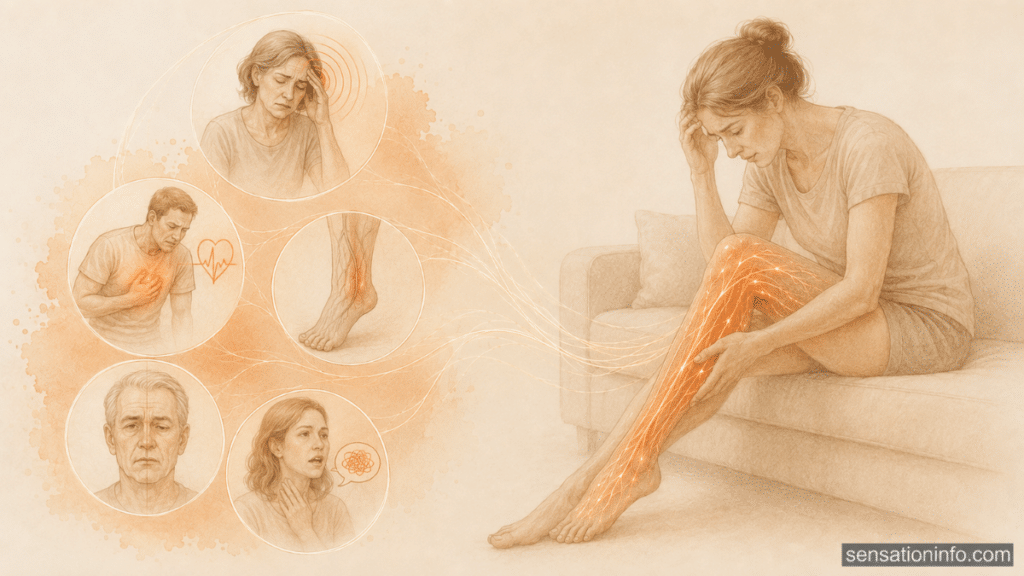
Most tingling is harmless and resolves on its own. But certain patterns and accompanying symptoms signal something that needs urgent medical evaluation. Go to the emergency room or call 911 if you experience any of the following.
- Sudden tingling or numbness in both legs along with loss of bladder or bowel control. This combination can indicate cauda equina syndrome, a rare emergency in which nerves at the base of the spine are severely compressed. According to Cleveland Clinic, it affects 1 in 30,000 to 100,000 people per year, but without surgery within 24 to 48 hours, it can cause permanent paralysis.
- Tingling that starts suddenly in one leg along with facial drooping, arm weakness, or difficulty speaking. These are signs of a stroke and require immediate emergency care.
- Rapidly spreading tingling and weakness that moves from the feet upward over hours or days. This pattern can suggest Guillain Barre syndrome.
- Pins and needles after a violent injury to the back or legs, especially if accompanied by sudden muscle weakness.
See your doctor within a few days if the tingling persists for more than a week without an obvious cause, keeps coming back in the same area, is accompanied by pain, weakness, or balance problems, affects the same body part on both sides, or interferes with walking or sleep.
How Doctors Diagnose the Cause
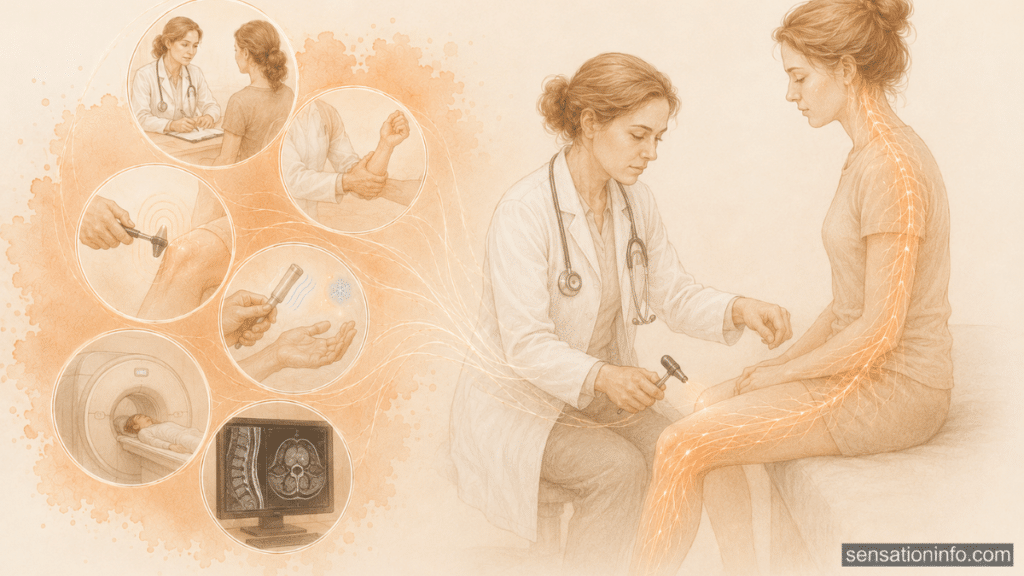
Your doctor will start with a detailed medical history and a neurological exam, testing your reflexes, muscle strength, balance, and ability to feel light touch, vibration, and temperature. From there, the workup depends on what the exam suggests.
Blood tests can reveal diabetes, vitamin deficiencies (especially B12 and folate), thyroid problems, kidney or liver disease, and markers of inflammation or autoimmune conditions.
Nerve conduction studies (NCS) measure how fast electrical signals travel through your nerves. Slow speeds point to nerve damage or demyelination.
Electromyography (EMG) records electrical activity in muscles and can distinguish between nerve problems and muscle problems.
MRI scans of the spine or brain can reveal herniated discs, spinal stenosis, tumors, or the characteristic lesions of multiple sclerosis.
Skin biopsy is considered the gold standard for diagnosing small fiber neuropathy, a type of nerve damage that standard nerve conduction tests can miss.
Ankle brachial index (ABI) compares blood pressure in the ankle to blood pressure in the arm and is a simple screening test for peripheral artery disease.
Treatment Options Based on the Cause
Treatment for pins and needles in the legs depends entirely on what is causing them. There is no one size fits all approach, because the tingling is a symptom, not a disease.
For positional tingling, simply changing position and moving around resolves the sensation within minutes. No treatment is needed.
For diabetic neuropathy, tight blood sugar control is the cornerstone. According to NINDS, this is the most effective way to slow or prevent further nerve damage. Medications like gabapentin (Neurontin) or pregabalin (Lyrica) can help manage tingling and pain. Duloxetine (Cymbalta) is another option.
For sciatica, most cases improve with physical therapy, anti inflammatory medications, and time. Epidural steroid injections may help in moderate cases, and surgery is reserved for severe or progressive nerve compression.
For vitamin B12 deficiency, supplementation with oral B12 or injections usually stops the progression and may reverse symptoms if caught early enough.
For PAD, treatment focuses on improving blood flow through exercise programs, medications to reduce cholesterol and prevent blood clots, and in severe cases, procedures to open or bypass blocked arteries.
For MS, disease modifying therapies can reduce the frequency and severity of relapses. Acute flares that include significant tingling or numbness are often treated with short courses of corticosteroids.
What You Can Do at Home
While waiting to see your doctor, or if your tingling is mild and occasional, several evidence based strategies can help.
Move regularly. Walking, cycling, or swimming improves blood flow to the nerves in your legs and can reduce tingling. Even brief walks throughout the day help if you sit for long periods.
Adjust your posture. Avoid crossing your legs, sitting on your feet, or kneeling for extended periods. If you work at a desk, take breaks every 30 to 45 minutes to stand and move.
Manage blood sugar. If you have diabetes or prediabetes, follow your treatment plan closely. Even modest improvements in blood sugar control can slow nerve damage.
Eat a balanced diet. Ensure you get adequate B12 (found in meat, fish, eggs, and dairy or fortified foods), folate, and other B vitamins. If you follow a vegan or vegetarian diet, consider B12 supplementation.
Limit alcohol. Heavy alcohol use is a direct cause of peripheral neuropathy. Reducing intake can prevent further nerve damage and, in some cases, allow partial recovery.
Wear comfortable shoes. Tight footwear can compress nerves in the feet and lower legs, contributing to tingling. Choose shoes with adequate room in the toe box.
Pins and Needles in Legs During Pregnancy
Tingling in the legs is common during pregnancy, especially in the second and third trimesters. The growing uterus puts pressure on nerves in the pelvis and lower back, and fluid retention can cause swelling that compresses peripheral nerves. Hormonal changes also affect nerve sensitivity.
Most pregnancy related leg tingling is harmless and resolves after delivery. However, talk to your obstetrician if the tingling is severe, persistent, or accompanied by significant swelling, pain, or redness in one leg (which could signal a blood clot).
How to Tell Pins and Needles Apart from Similar Sensations
Leg sensations can overlap, and it helps to know the differences so you can describe your symptoms accurately to your doctor.
| Sensation | What It Feels Like | Common Causes |
|---|---|---|
| Pins and needles (paresthesia) | Prickling, tingling, like tiny needles | Nerve compression, neuropathy, B12 deficiency |
| Numbness | Loss of feeling, “dead” area | Severe nerve compression, stroke, MS |
| Burning | Hot, searing pain on or under the skin | Small fiber neuropathy, PAD, diabetic neuropathy |
| Weakness | Leg feels heavy or gives out | Sciatica, spinal stenosis, MS, GBS |
| Restless legs | Uncontrollable urge to move the legs | Restless legs syndrome, iron deficiency |
Key Takeaways
- Temporary pins and needles from sitting in one position are harmless and resolve within minutes once you move.
- Persistent or recurring tingling in the legs can signal conditions like peripheral neuropathy, diabetes, sciatica, vitamin B12 deficiency, or circulation problems.
- Sudden tingling in both legs with bladder or bowel changes is a medical emergency (possible cauda equina syndrome) that requires immediate care.
- More than 20 million Americans have peripheral neuropathy, and diabetes is the leading cause.
- A doctor can usually identify the cause through blood tests, nerve studies, and imaging, and most causes are treatable when caught early.
- Simple lifestyle changes like regular movement, good posture, balanced nutrition, and blood sugar management can reduce or prevent many forms of leg tingling.
Frequently Asked Questions
Yes. While most leg tingling is temporary and caused by sitting in one position too long, persistent or recurring pins and needles can signal conditions like peripheral neuropathy, diabetes, multiple sclerosis, or spinal problems. Sudden tingling in both legs with loss of bladder or bowel control is a medical emergency that requires immediate care.
Vitamin B12 deficiency is the most common nutritional cause of pins and needles in the legs. B12 is essential for maintaining the protective coating around nerves. When levels drop too low, nerve signals misfire, producing tingling and numbness that typically starts in the feet and moves upward. Vegans, older adults, and people taking metformin are at higher risk.
Nighttime leg tingling often occurs because lying down changes the pressure on nerves and blood vessels in the legs. In people with peripheral neuropathy or diabetic nerve damage, symptoms commonly worsen at night. Other possible causes include restless legs syndrome, spinal stenosis, and poor circulation from peripheral artery disease.
Pins and needles from a compressed nerve should resolve within a few minutes of changing position. If the tingling lasts more than an hour after you have moved and changed position, or if it keeps returning in the same spot over several days, schedule a visit with your doctor. Persistent tingling that lasts weeks or months without an obvious trigger should always be evaluated.
Doctor’s Recommendation
If you have been noticing tingling that seems to affect multiple areas of your body beyond just the legs, it may be worth understanding the broader picture. Our guide on pins and needles all over the body explains the most common systemic causes of widespread paresthesia and when full body tingling warrants further evaluation from your doctor.