
Understanding the Issue
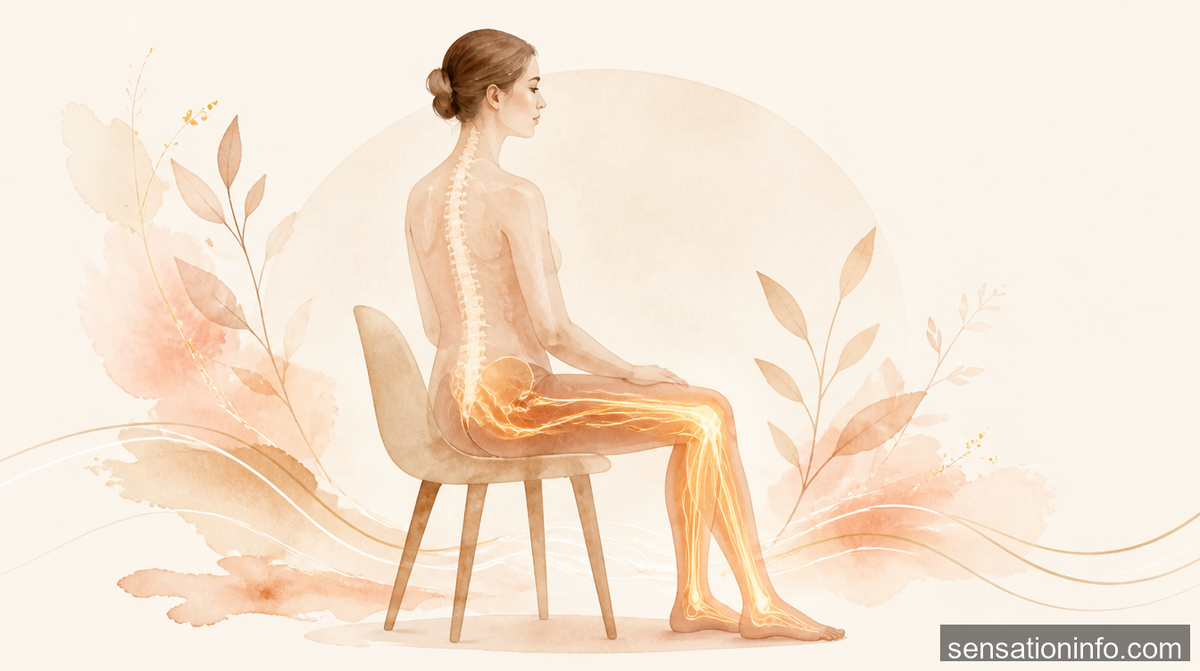
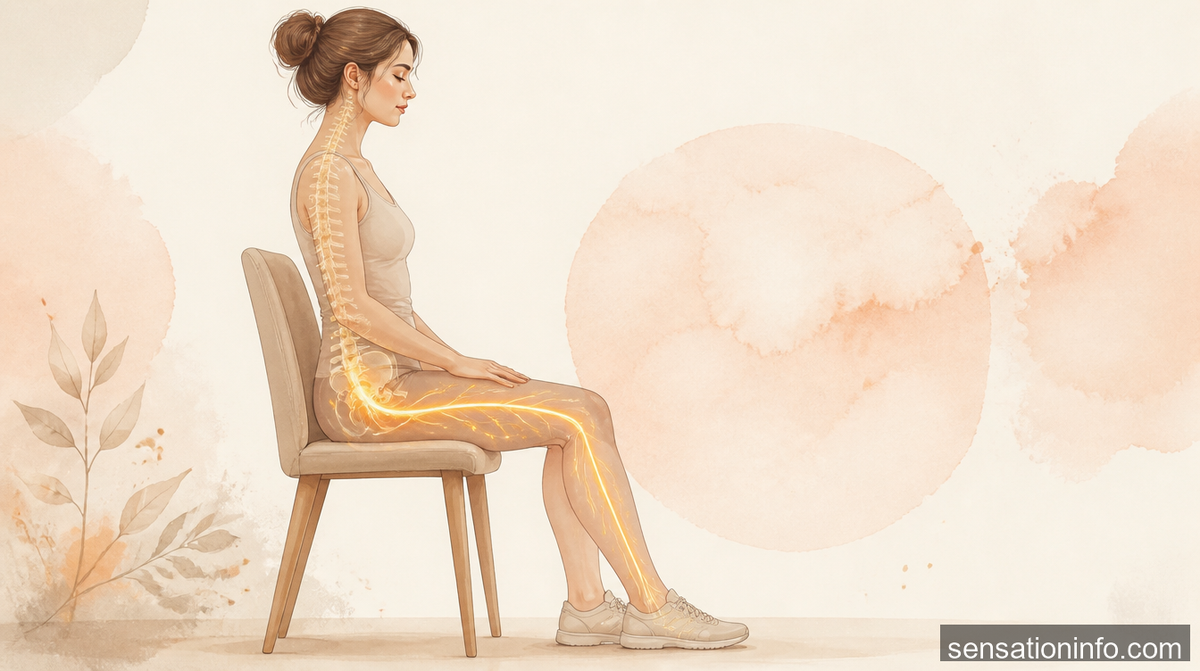
As someone who’s spent countless hours sitting at a desk, I’ve experienced my fair share of numbness in the legs. It’s a common complaint among people who have desk jobs or spend a lot of time sitting. I’ve found that understanding the causes and symptoms of numbness is crucial in treating it effectively. In this article, I’ll share my expertise on how to treat numbness in the legs from sitting, and provide you with practical tips to prevent it from happening in the first place.
I remember when I first started experiencing numbness in my legs. I thought it was just a minor issue that would go away on its own, but as the days went by, the numbness persisted. I realized that I needed to take action to address the problem. Through my research and experience, I’ve learned that numbness in the legs can be caused by a variety of factors, including poor posture, inadequate blood flow, and nerve compression.
Quick-Answer Box
If you’re looking for a quick solution to treat numbness in your legs from sitting, here are some steps you can take:
- Take a break: Get up from your desk and move around every 30-60 minutes.
- Stretch: Stretch your legs, hips, and lower back to improve blood flow and reduce pressure on your nerves.
- Adjust your posture: Make sure your chair is at the right height, and your feet are flat on the floor or on a footrest.
- Exercise regularly: Engage in physical activities that promote blood flow and strengthen your muscles.
Symptoms Checklist
If you’re experiencing any of the following symptoms, you may be suffering from numbness in your legs from sitting:
- Numbness or tingling sensations in your legs, feet, or toes
- Weakness or heaviness in your legs
- Pain or discomfort in your lower back, hips, or legs
- Difficulty walking or standing
- Swelling or redness in your legs or feet
Causes of Numbness
Numbness in the legs from sitting can be caused by a variety of factors, including:
- Poor posture: Sitting with poor posture can put pressure on your nerves and restrict blood flow to your legs.
- Inadequate blood flow: Sitting for long periods can cause blood to pool in your legs, leading to numbness and discomfort.
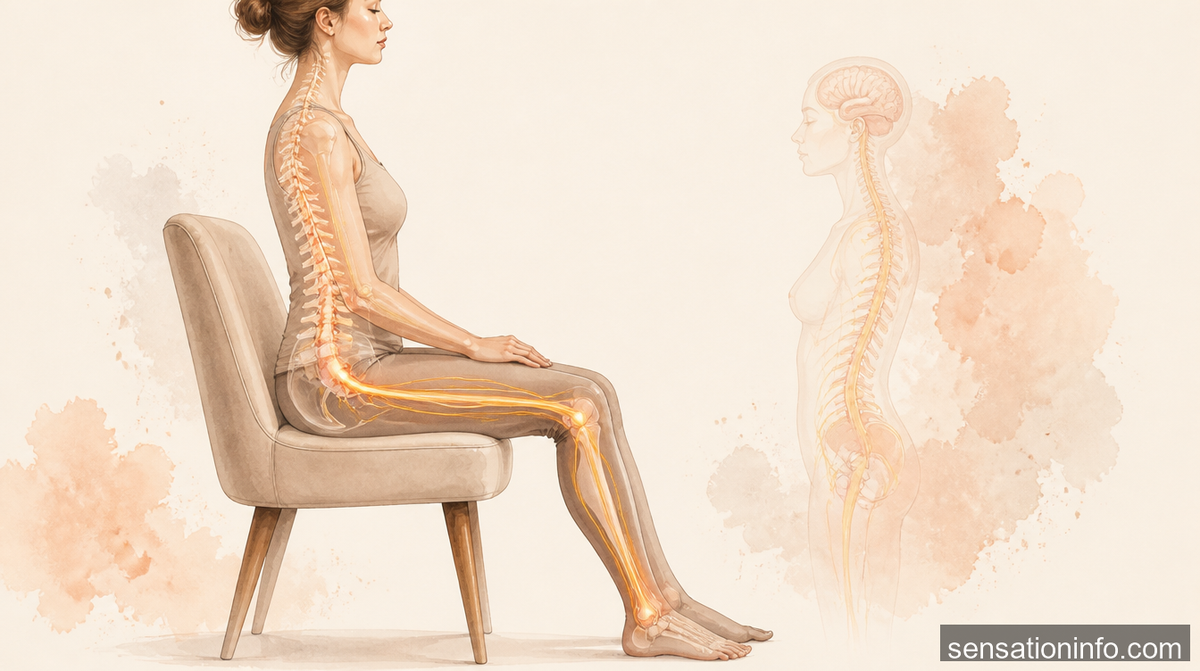
- Nerve compression: Compression of the nerves in your lower back or legs can cause numbness, tingling, and pain.
- Medical conditions: Certain medical conditions, such as diabetes, multiple sclerosis, or peripheral artery disease, can cause numbness in the legs.
Step-by-Step Treatment
To treat numbness in your legs from sitting, follow these steps:
- Reposition yourself: Take regular breaks to stand up, stretch, and move around.
- Improve your posture: Adjust your chair height, monitor position, and keyboard placement to promote good posture.
- Exercise regularly: Engage in physical activities that promote blood flow and strengthen your muscles.
- Manage your weight: Maintaining a healthy weight can reduce pressure on your nerves and improve blood flow.
- Avoid crossing your legs: Crossing your legs can restrict blood flow and cause numbness.
Home Remedies
In addition to the steps outlined above, there are several home remedies that can help treat numbness in the legs from sitting:
- Elevation: Elevate your legs above the level of your heart to improve blood flow.
- Massage: Massage your legs, feet, and toes to promote blood flow and reduce pressure on your nerves.
- Heat or cold therapy: Apply heat or cold packs to your legs to reduce pain and discomfort.
- Herbal supplements: Certain herbal supplements, such as ginger or turmeric, may help reduce inflammation and improve blood flow.
Prevention Tips
To prevent numbness in your legs from sitting, follow these tips:
- Take regular breaks: Get up from your desk every 30-60 minutes to stretch and move around.
- Exercise regularly: Engage in physical activities that promote blood flow and strengthen your muscles.
- Maintain a healthy weight: Reduce pressure on your nerves and improve blood flow by maintaining a healthy weight.
- Avoid sitting for long periods: Try to limit your sitting time to less than 4 hours per day.
Desk and Ergonomic Fixes
Making a few simple changes to your workspace can help prevent numbness in your legs from sitting:
- Adjust your chair height: Make sure your chair is at the right height to promote good posture.
- Use a footrest: Use a footrest to support your feet and reduce pressure on your legs.
- Position your monitor: Place your monitor directly in front of you, at a distance of about 20-25 inches.
- Use a ergonomic keyboard: Use a keyboard that allows you to type with your wrists in a neutral position.
Movement Breaks
Taking regular movement breaks can help prevent numbness in your legs from sitting:
- Take a walk: Get up from your desk and take a short walk around the office or outside.
- Do some stretching: Stretch your legs, hips, and lower back to improve blood flow and reduce pressure on your nerves.
- Do some exercises: Engage in physical activities that promote blood flow and strengthen your muscles.
Frequently Asked Questions
The symptoms of numbness in the legs from sitting can include numbness or tingling sensations in your legs, feet, or toes, weakness or heaviness in your legs, pain or discomfort in your lower back, hips, or legs, difficulty walking or standing, and swelling or redness in your legs or feet.
To prevent numbness in your legs from sitting, take regular breaks to stand up, stretch, and move around, improve your posture, exercise regularly, maintain a healthy weight, and avoid sitting for long periods.
Some home remedies for numbness in the legs from sitting include elevation, massage, heat or cold therapy, and herbal supplements.
You should see a doctor if you experience persistent or severe numbness, tingling, or pain in your legs, if you have difficulty walking or standing, or if you have a history of medical conditions that can cause numbness in the legs.
Yes, numbness in the legs from sitting can be a sign of an underlying medical condition, such as diabetes, multiple sclerosis, or peripheral artery disease.
Final Thoughts
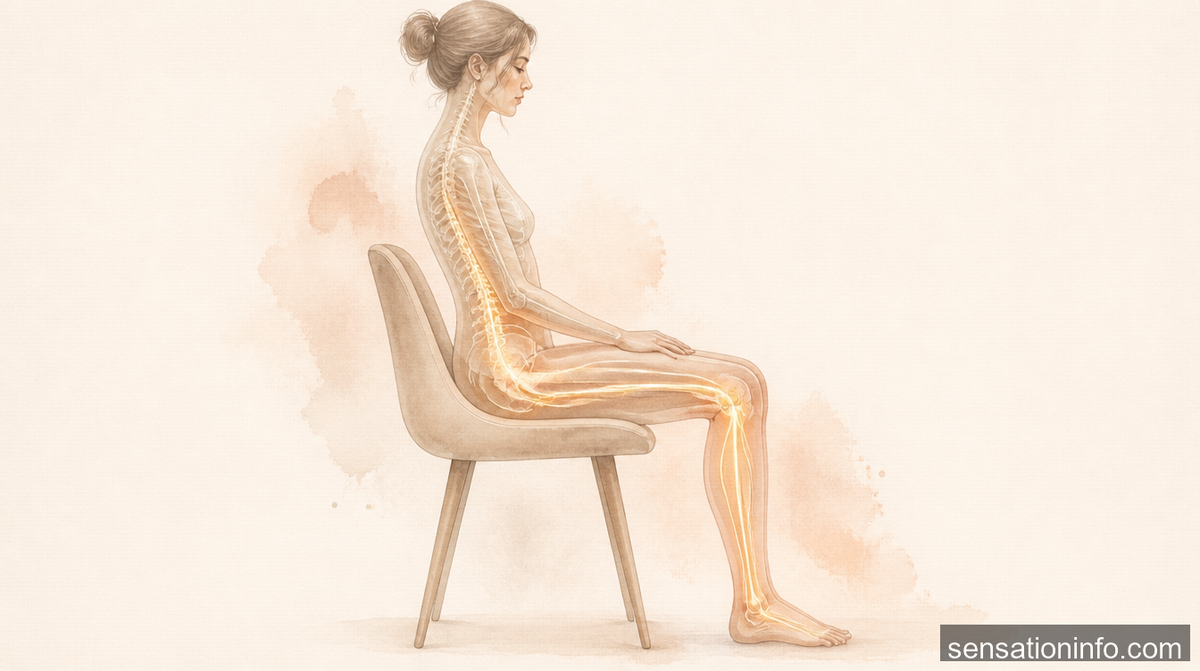
Treating numbness in the legs from sitting requires a combination of repositioning, exercise, and lifestyle changes. By following the steps outlined in this article, you can reduce your risk of numbness and improve your overall health. Remember to take regular breaks, exercise regularly, and maintain a healthy weight to promote blood flow and reduce pressure on your nerves. If you experience persistent or severe numbness, tingling, or pain in your legs, consult with a healthcare professional for proper diagnosis and treatment.
As a medical professional, I’ve seen firsthand the impact that numbness in the legs from sitting can have on a person’s quality of life. By taking proactive steps to prevent and treat numbness, you can reduce your risk of developing chronic conditions and improve your overall health. Don’t wait until it’s too late – take control of your health today and start making changes to reduce your risk of numbness in the legs from sitting.
Sources
- American Heart Association. (2017). Physical Activity and Health.
- Centers for Disease Control and Prevention. (2020). Physical Activity Basics.
- National Institute of Neurological Disorders and Stroke. (2020). Peripheral Neuropathy Fact Sheet.
Article written by Dr Peeyush Kumawat at Sensationinfo.com