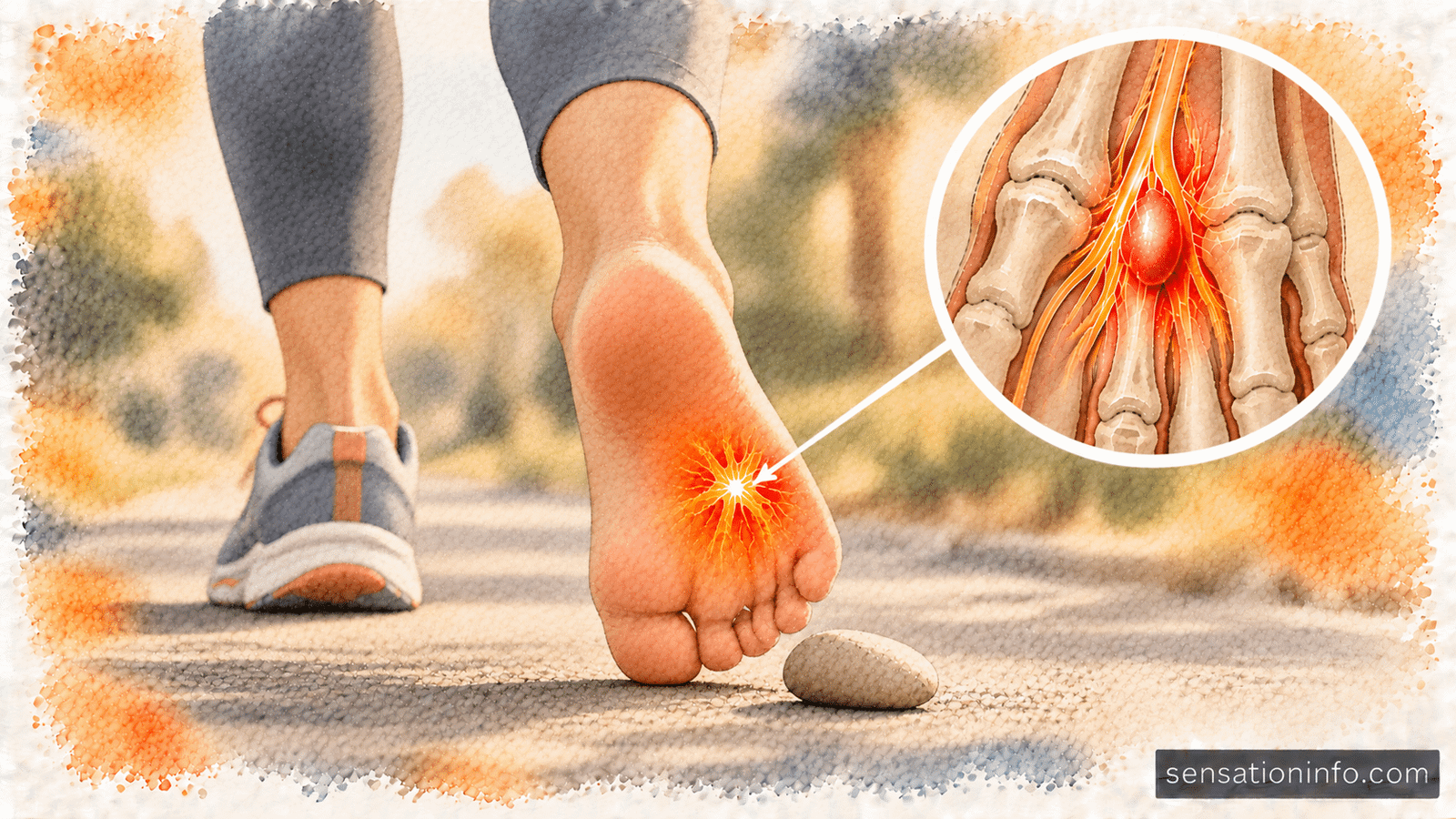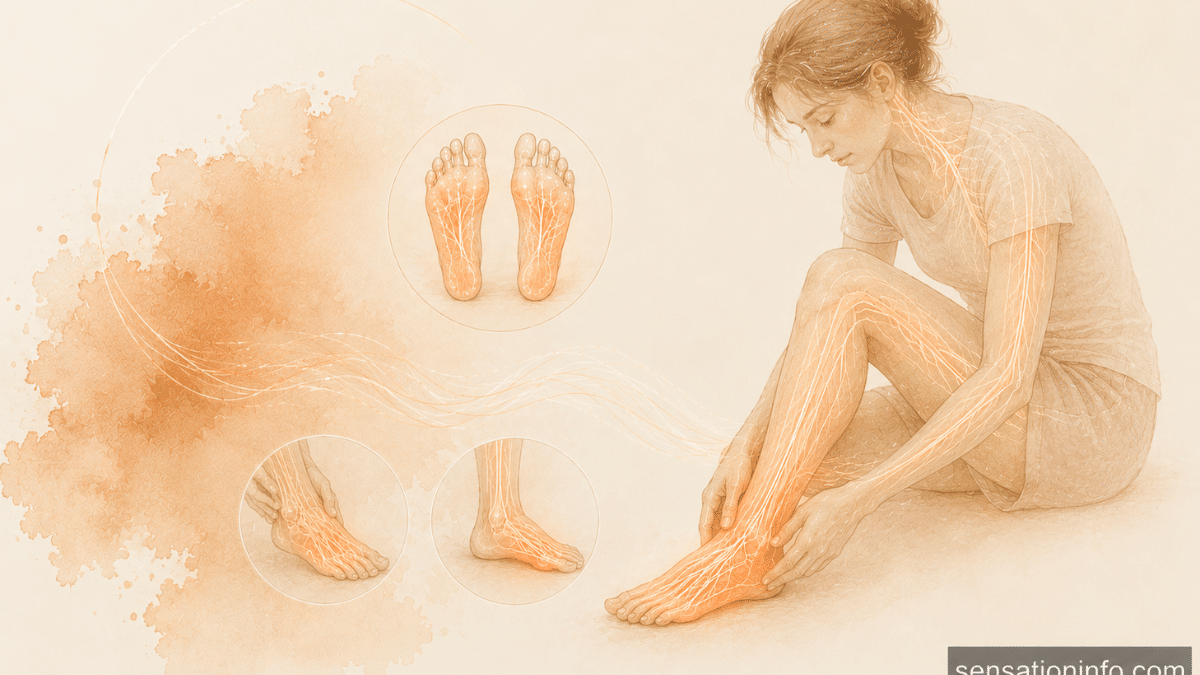

Numbness in your feet means you have lost some or all normal feeling in one or both feet. The most common causes include nerve compression from sitting or standing too long, diabetic neuropathy, vitamin B12 deficiency, and poor circulation. Most cases resolve on their own or respond well to treatment once the underlying cause is identified, but sudden foot numbness that appears alongside weakness, slurred speech, or loss of bladder control requires emergency medical care.
If you have noticed a persistent loss of feeling in your feet, you are not alone. A study published in the Annals of Internal Medicine using data from the National Health and Nutrition Examination Survey (NHANES) found that peripheral neuropathy affects roughly 13.5% of U.S. adults aged 40 and older. The number climbs to about 27% among adults with diabetes. Understanding what is behind your foot numbness is the first step toward getting it to stop.
What Does Numbness in the Feet Actually Feel Like?
Foot numbness is not always a total absence of feeling. You might notice a dull, cotton wool sensation when you walk, as if your feet are wrapped in a thick sock. Some people describe it as “deadness,” while others feel a faint tingling or pins and needles sensation layered underneath the numbness. The medical term for this altered sensation is paresthesia.
Where the numbness appears matters. A stocking pattern that starts in the toes and slowly creeps upward toward the ankle often points to peripheral neuropathy, a condition where damaged nerves misfire or stop sending signals altogether. Numbness limited to the bottom of one foot may suggest tarsal tunnel syndrome, where a single nerve gets compressed at the ankle. Numbness in just one or two toes might be caused by tight shoes, a Morton neuroma, or local nerve irritation.
What Causes Numbness in the Feet?
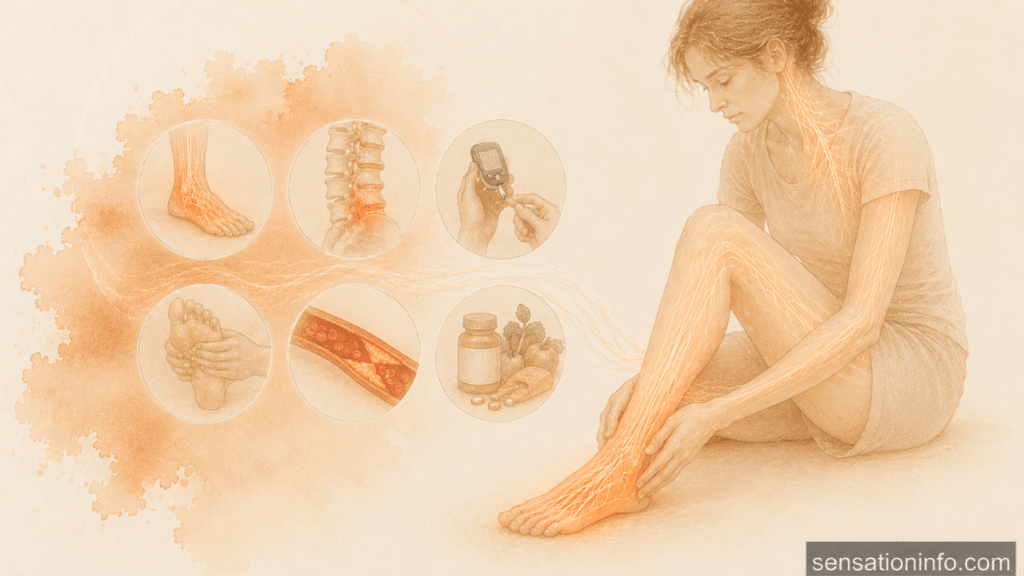
Foot numbness has dozens of possible causes. The most practical way to think about them is to separate everyday, temporary triggers from chronic medical conditions that need treatment.
Temporary and Positional Causes
Sitting cross legged, kneeling, or standing in one position for a long time can compress the nerves or restrict blood flow to your feet. This is the same mechanism behind your foot “falling asleep.” It usually resolves within seconds to minutes once you change position and restore normal blood flow.
Tight footwear is another frequent trigger. Shoes that squeeze the forefoot can irritate the nerves between the metatarsal bones and cause numbness in the toes. Cold temperatures can also temporarily reduce sensation in the feet by constricting blood vessels near the skin surface.
Diabetic Neuropathy
Diabetes is the single most common medical cause of foot numbness worldwide. High blood sugar damages the small blood vessels that nourish peripheral nerves, especially the longest ones that reach the feet. According to a review published in the International Journal of Environmental Research and Public Health, diabetic neuropathy has a lifetime prevalence of more than 50% among people with diabetes. Symptoms often begin as mild tingling in the toes and gradually progress to persistent numbness that can extend up the legs in a stocking distribution.
If you have diabetes and notice any loss of feeling in your feet, tell your doctor right away. Numb feet make it easy to miss cuts, blisters, and pressure sores that can develop into serious infections.
Vitamin B12 Deficiency
Vitamin B12 protects the myelin sheath, the insulating coating around your nerves. When B12 levels drop too low, this coating breaks down and nerves begin to malfunction. The result is often tingling and numbness that starts in the feet before affecting the hands. People at higher risk include older adults, strict vegans, those with pernicious anemia, and anyone taking metformin (Glucophage) long term.
The good news is that B12 deficiency is one of the most treatable causes of foot numbness. When caught early, nerve damage from low B12 can often be reversed with supplementation.
Peripheral Artery Disease
Peripheral artery disease (PAD) develops when fatty deposits narrow the arteries that carry blood to your legs and feet. According to Cleveland Clinic, PAD affects approximately 12 million adults aged 40 and older in the United States. Reduced blood flow can cause numbness, coldness, and a pale or bluish color in the affected foot. Many people also experience cramping pain in the calves during walking that eases with rest, a symptom called intermittent claudication.
Tarsal Tunnel Syndrome
The tarsal tunnel is a narrow space on the inside of your ankle. When the posterior tibial nerve gets compressed inside this tunnel, it can cause pain, burning, and numbness along the sole of your foot and into your toes. Flat feet, ankle injuries, and chronic swelling all raise the risk. Tarsal tunnel syndrome is sometimes called the “carpal tunnel of the foot.”
Lumbar Spine Problems
A herniated disc or spinal stenosis in the lower back can squeeze the nerve roots that travel down to the feet. Depending on which nerve root is affected, you might feel numbness in the top of the foot, the outer edge, or the sole. These nerve root problems often come with numbness in the legs or low back pain that radiates down one leg, a pattern known as sciatica.
Other Medical Causes
Several additional conditions can lead to foot numbness:
- Hypothyroidism. An underactive thyroid slows metabolism and can damage peripheral nerves over time, causing a gradual stocking pattern of numbness.
- Chronic kidney disease. Toxin buildup from impaired kidney function can injure nerves throughout the body, often starting in the feet.
- Autoimmune conditions. Lupus, rheumatoid arthritis, and Guillain Barre syndrome can trigger inflammation that damages nerve tissue.
- Alcohol use disorder. Long term heavy alcohol use is toxic to nerves and often causes numbness that mirrors diabetic neuropathy.
- Chemotherapy. Certain chemotherapy drugs, particularly taxanes and platinum compounds, can cause a side effect called chemotherapy induced peripheral neuropathy.
- Multiple sclerosis. MS damages the myelin coating in the central nervous system and can produce episodes of numbness in the feet or other areas.
When Is Foot Numbness an Emergency?
Most foot numbness is not dangerous. However, certain combinations of symptoms signal a medical emergency. Call 911 or go to the nearest emergency room if foot numbness appears suddenly along with any of the following:
- Weakness or paralysis on one side of the body
- Slurred speech, confusion, or sudden severe headache
- Loss of bladder or bowel control
- Numbness that rapidly spreads up both legs after a recent infection
- Numbness following a serious fall, car accident, or back injury
Sudden numbness in one foot combined with the leg turning pale, cold, and painful could indicate acute limb ischemia, a condition where a blood clot suddenly blocks an artery. This requires immediate treatment to save the limb.
How Do Doctors Diagnose the Cause of Foot Numbness?
Your doctor will start with a detailed medical history and a physical exam. They will check the pulses in your feet, test your reflexes, and assess your ability to feel light touch, vibration, and temperature. A simple screening tool called a monofilament test uses a thin nylon fiber pressed against the sole of your foot to measure sensation.
Depending on what the exam reveals, your doctor may order:
| Test | What It Checks |
|---|---|
| Blood tests | Blood sugar (HbA1c), vitamin B12, thyroid function, kidney function |
| Nerve conduction study (NCS) | Speed and strength of electrical signals traveling through your nerves |
| Electromyography (EMG) | Whether muscles respond normally to nerve signals |
| MRI of the spine | Herniated discs, spinal stenosis, or other structural problems |
| Ankle brachial index (ABI) | Blood flow in the legs compared to the arms, screening for PAD |
| Ultrasound | Blood vessel narrowing or clots in the legs |
Getting the right diagnosis matters because the treatment for foot numbness depends entirely on the cause.
Treatment for Numbness in the Feet
Treating the Underlying Condition
The most effective treatment targets whatever is causing the nerve damage or compression:
- Diabetes. Tight blood sugar control can slow or prevent further nerve damage. The American Diabetes Association recommends an HbA1c target below 7% for most adults with diabetes.
- Vitamin deficiency. B12 injections or high dose oral supplements can restore nerve function when deficiency is caught early.
- Thyroid disorders. Thyroid hormone replacement therapy can halt and sometimes reverse neuropathy caused by hypothyroidism.
- Nerve compression. Physical therapy, bracing, orthotics, or surgery may be needed for tarsal tunnel syndrome or spinal nerve compression.
- PAD. Supervised exercise programs, medications to improve blood flow, and in severe cases, procedures to open blocked arteries.
Medications for Nerve Pain and Numbness
When nerve damage cannot be fully reversed, medications can help manage symptoms. Common options include:
- Gabapentin (Neurontin) or pregabalin (Lyrica). These anticonvulsant drugs reduce abnormal nerve signaling and are among the most widely prescribed treatments for neuropathic symptoms.
- Duloxetine (Cymbalta). This antidepressant has been approved by the FDA specifically for diabetic neuropathy pain.
- Topical capsaicin cream. Applied to the feet, capsaicin can desensitize overactive nerve endings and reduce discomfort.
Your doctor will choose a medication based on your specific diagnosis, other health conditions, and any current medications to avoid interactions.
Home Strategies That Actually Help
You cannot cure most neuropathy at home, but these strategies can reduce discomfort and protect your feet:
- Move regularly. Walking, swimming, or cycling for 30 minutes most days of the week improves blood flow to your feet and supports nerve health. Check with your doctor before starting a new exercise routine.
- Check your feet daily. If you have reduced sensation, inspect your feet every day for cuts, blisters, redness, or swelling. Use a mirror to see the soles.
- Wear well fitting shoes. Choose shoes with a wide toe box, cushioned sole, and good arch support. Avoid going barefoot.
- Manage blood sugar. For people with diabetes, consistent blood sugar control is the single most important step.
- Avoid alcohol and tobacco. Both damage nerves and blood vessels. Quitting smoking can improve circulation within weeks.
- Soak carefully. A warm (not hot) Epsom salt foot bath may offer temporary relief, but always test water temperature with your hand first. Numb feet cannot accurately gauge heat, raising the burn risk.
What to Expect: Recovery Timeline
How quickly foot numbness improves depends on the cause and how long the nerves have been affected.
| Cause | Typical Timeline |
|---|---|
| Positional compression (foot fell asleep) | Seconds to minutes |
| Vitamin B12 deficiency (mild) | Weeks to a few months with supplementation |
| Tarsal tunnel syndrome (early) | Weeks to months with conservative treatment |
| Diabetic neuropathy (mild to moderate) | Progression can be slowed or halted; full reversal is uncommon |
| PAD (with treatment) | Gradual improvement over months |
| Spinal nerve compression (post surgery) | Weeks to months; some residual numbness possible |
Nerve tissue heals slowly. Peripheral nerves regenerate at roughly one inch per month under ideal conditions. Patience and consistency with treatment matter more than any quick fix.
Foot Numbness in Special Groups
Pregnancy
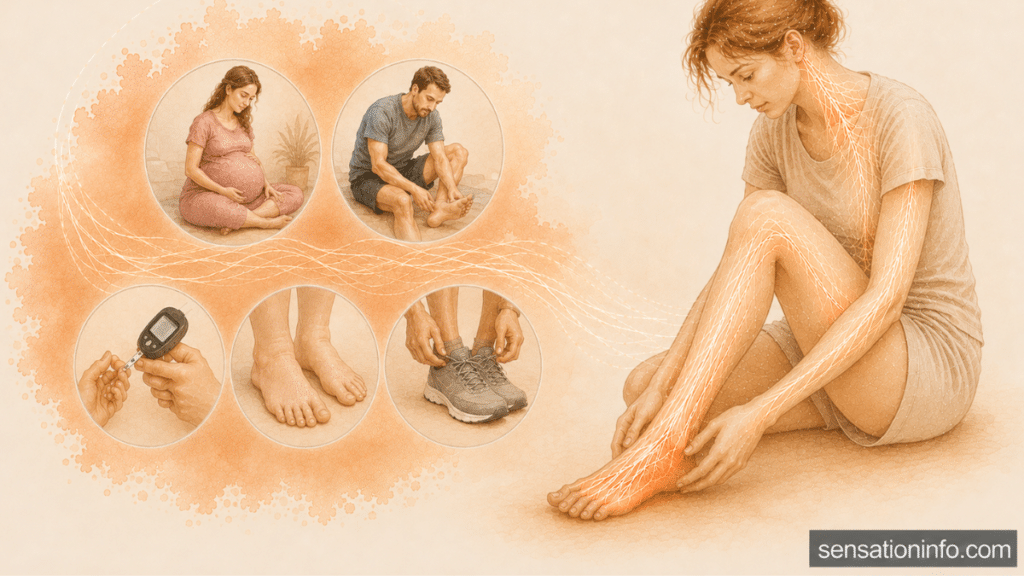
Fluid retention during pregnancy can compress nerves and cause temporary numbness in the feet. This is most common in the third trimester. Elevating the feet, wearing supportive footwear, and gentle stretching usually help. Numbness that comes with sudden severe swelling, headache, or vision changes should be reported to your provider immediately, as these can be signs of preeclampsia.
Older Adults
Age related changes in circulation, nerve function, and spinal discs make foot numbness more common after 60. A NHANES based study found that peripheral neuropathy prevalence rises to roughly 27% in adults aged 70 and older. Falls become a serious concern when you cannot feel the ground beneath you. Older adults with foot numbness should prioritize balance exercises, use night lights, remove trip hazards at home, and wear shoes with nonslip soles.
Children
Foot numbness in children is uncommon and usually caused by sitting in an awkward position. Persistent or recurring numbness in a child warrants a medical evaluation to rule out conditions such as juvenile diabetes, vitamin deficiencies, or spinal problems.
How to Tell Foot Numbness Apart From Similar Sensations
Foot numbness can overlap with other sensations, and knowing the difference helps you communicate clearly with your doctor.
| Sensation | What It Feels Like | Common Cause |
|---|---|---|
| Numbness | Loss of feeling; foot feels “dead” | Nerve damage, compression, poor circulation |
| Tingling | Pins and needles, prickling | Early neuropathy, nerve recovery, anxiety |
| Burning | Hot, searing pain in the skin | Small fiber neuropathy, diabetes, B12 deficiency |
| Weakness | Foot feels heavy; difficulty lifting toes | Motor nerve damage, spinal problem |
| Coldness | Foot feels icy without temperature change | PAD, Raynaud phenomenon |
If you feel numbness alongside burning or tingling, you may be experiencing multiple types of nerve dysfunction at the same time. This combination is especially common in diabetic neuropathy.
Key Takeaways
- Foot numbness is a loss of sensation caused by nerve damage, nerve compression, or reduced blood flow to the feet.
- Diabetes is the most common medical cause, but vitamin deficiencies, PAD, spinal problems, and autoimmune conditions are also frequent triggers.
- Sudden numbness with one sided weakness, slurred speech, or loss of bladder control is a medical emergency.
- Diagnosis usually involves blood tests, nerve conduction studies, and sometimes imaging of the spine or blood vessels.
- Treatment focuses on the underlying cause; tight blood sugar control, B12 supplementation, and physical therapy are among the most effective interventions.
- Daily foot inspections, well fitting shoes, and regular exercise help protect numb feet from injury and support nerve recovery.
- Peripheral nerves heal slowly, at roughly one inch per month, so patience with treatment is essential.
Frequently Asked Questions
Numbness caused by temporary nerve compression, such as sitting in one position too long, typically resolves within seconds to minutes once you change position. Numbness caused by vitamin B12 deficiency can often improve within weeks to months with proper supplementation. However, numbness from chronic conditions like diabetes or peripheral artery disease usually requires ongoing medical treatment and does not resolve without intervention.
Foot numbness can be an early warning sign of diabetes or prediabetes. High blood sugar damages peripheral nerves over time, and the feet are often the first area affected. If you have unexplained numbness in your feet, especially in a stocking pattern that affects both feet equally, ask your doctor to check your blood sugar levels and HbA1c.
Vitamin B12 deficiency is the most common vitamin related cause of foot numbness. B12 supports the myelin sheath that insulates nerve fibers, and low levels can lead to nerve damage that starts in the feet and hands. Deficiencies in vitamin B6, vitamin D, and folate can also contribute to nerve problems, though less commonly than B12.
Diabetic neuropathy can be slowed or stabilized with tight blood sugar control, but nerve damage that has already occurred is difficult to fully reverse. The earlier you take action to manage your blood sugar, the better your chances of preserving nerve function. Some people experience modest improvement in symptoms with consistent glucose management, proper nutrition, regular exercise, and medications prescribed by their doctor.
Doctor’s Recommendation
If you are experiencing numbness in your feet alongside tingling, burning, or a pins and needles sensation, you may want to learn more about the broader condition known as peripheral neuropathy. This article on peripheral neuropathy symptoms, causes, and living with it explains the different types of nerve damage, how doctors classify them, and what long term management looks like. It may help you better understand your symptoms and prepare for a conversation with your healthcare provider.
References
- National Institutes of Health (NIH). Peripheral Neuropathy and All-Cause and Cardiovascular Mortality in U.S. Adults. Annals of Internal Medicine. 2021.
- National Institutes of Health (NIH). Prevalence of Peripheral Neuropathy Defined by Monofilament Insensitivity in Middle-Aged and Older Adults in Two US Cohorts. Scientific Reports. 2021.
- Johns Hopkins Medicine. Tarsal Tunnel Syndrome. 2021.