
Introduction to Tingling Relief
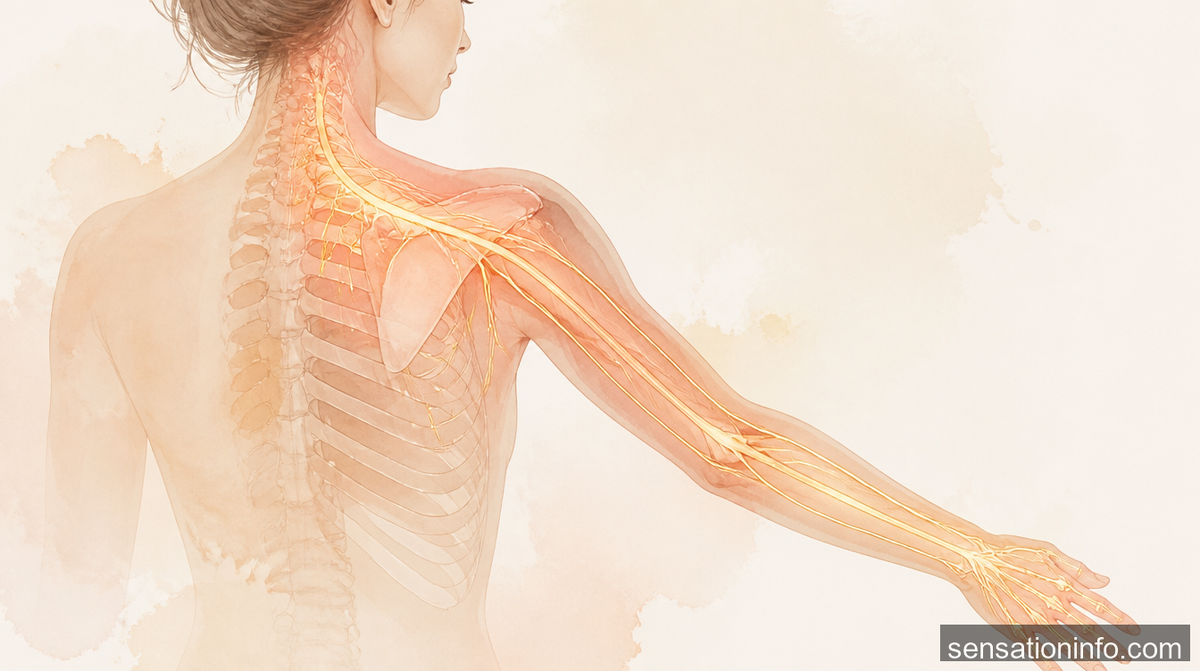
As a medical professional, I’ve seen numerous patients struggling with tingling sensations in their shoulders and arms. This condition can be unsettling and affect daily activities. I’ve witnessed firsthand the impact it has on quality of life. In this article, I’ll share my expertise on how to relieve tingling in the shoulder and arm, covering essential topics from posture reset to prevention tips.
My approach will be comprehensive, addressing the root causes and providing actionable advice. I’ll outline a step-by-step treatment plan, including home remedies, to help you manage tingling sensations. It’s crucial to understand that while this guide offers valuable insights, it’s not a substitute for professional medical advice. If you’re experiencing persistent or severe symptoms, consult a healthcare expert for personalized guidance.
To set the stage, let’s look at a common scenario. Imagine waking up with a numb or tingling sensation in your shoulder or arm. You might attribute it to a poor sleeping position or temporary strain. However, if this sensation persists or recurs frequently, it could indicate an underlying issue that needs attention. Throughout this article, I’ll provide you with the tools and knowledge to identify potential causes and find relief.
Understanding Tingling: A Quick Guide
For those seeking a rapid solution, here’s a quick-answer summary:
- Posture Reset: Maintain good posture to reduce pressure on nerves.
- Medical Review: Consult a doctor to rule out underlying conditions.
- Nerve-Glide Exercises: Perform specific exercises to alleviate nerve compression.
Symptoms Checklist
Before diving into the causes and treatments, it’s essential to recognize the common symptoms associated with tingling in the shoulder and arm:
- Numbness or a pins-and-needles sensation
- Weakness or fatigue in the arm or shoulder
- Pain or discomfort, which can range from mild to severe
- Difficulty moving the arm or shoulder due to stiffness or pain
These symptoms can vary in intensity and frequency, sometimes being triggered by specific movements or positions.

Causes of Tingling in the Shoulder and Arm
The causes of tingling sensations can be diverse, including:
- Poor Posture: Incorrect alignment of the spine and shoulders can put pressure on nerves, leading to tingling.
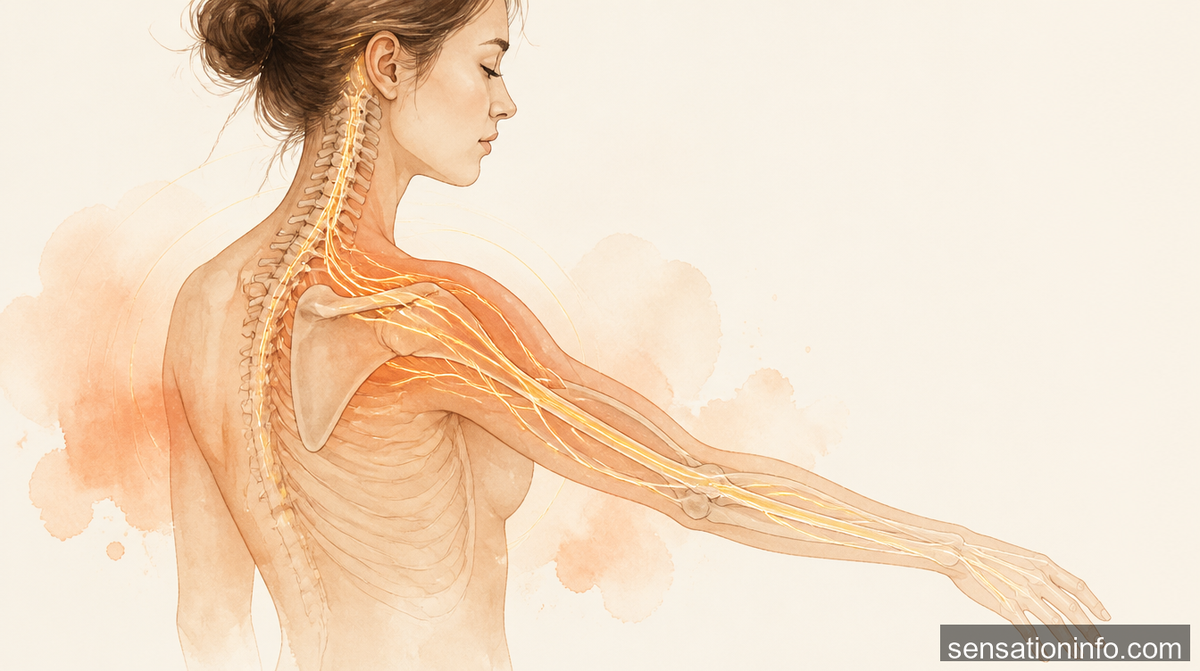
- Pinched Nerves: Compression of nerves in the neck or shoulder region can cause tingling, numbness, and pain.
- Medical Conditions: Certain conditions, such as diabetes, can damage nerves and cause tingling sensations.
- Injury: Trauma to the shoulder or arm can cause nerve damage, leading to tingling.
Understanding the cause of your tingling is crucial for effective treatment. If you’re unsure about the origin of your symptoms, consulting a healthcare professional is a prudent step.
Step-by-Step Treatment for Tingling
Treating tingling in the shoulder and arm involves a combination of lifestyle adjustments, exercises, and, in some cases, medical intervention. Here’s a step-by-step guide to get you started:
- Posture Correction: Ensure you’re maintaining good posture throughout the day. This can involve ergonomic adjustments at your workspace and being mindful of your stance.
- Nerve-Glide Exercises: Specific exercises can help relieve pressure on nerves. For example, gently tilting your head to the side and then bringing your ear towards your shoulder can help stretch and relieve pressure on the nerves in your neck.
- Physical Therapy: A physical therapist can provide customized exercises to strengthen the muscles in your shoulder and arm, reducing strain on nerves.
- Pain Management: Over-the-counter pain relievers can help manage discomfort. However, it’s essential to follow the recommended dosage and consult with a doctor before starting any new medication.
Home Remedies for Relief
In addition to the step-by-step treatment plan, several home remedies can provide relief:
- Warm Baths: Soaking in a warm bath can help relax muscles and reduce discomfort.
- Massage: Gentle massage can help improve blood flow and reduce tension in the muscles.
- Rest: Adequate rest is crucial for healing. Avoid activities that exacerbate the condition.
Prevention Tips
Preventing future episodes of tingling involves making lifestyle changes:
- Regular Exercise: Engage in regular physical activity to maintain muscle strength and flexibility.
- Good Posture: Maintain good posture at all times to reduce pressure on nerves.
- Healthy Diet: Eat a balanced diet rich in nutrients that support nerve health, such as B vitamins.
Frequently Asked Questions
The first steps involve identifying any potential causes, such as poor posture or recent injury, and taking measures to address these issues. Consulting a healthcare professional for a thorough assessment is also recommended.
Yes, in some cases, tingling can be a symptom of an underlying serious condition, such as nerve damage or a neurological disorder. It’s essential to seek medical attention if the tingling is severe, persistent, or accompanied by other concerning symptoms.
The timeframe for relief can vary significantly depending on the cause and severity of the condition. Mild cases may resolve within days to weeks with proper care, while more severe cases may require months of treatment and rehabilitation.
Yes, nerve-glide exercises and physical therapy can be highly effective in relieving pressure on nerves and improving symptoms. It’s best to consult with a healthcare professional to develop a personalized exercise plan.
Seek immediate medical attention if you experience severe numbness, weakness, or pain, especially if it comes on suddenly or is accompanied by other alarming symptoms such as difficulty speaking, dizziness, or loss of bladder or bowel control.
When to See a Doctor
It’s essential to know when to seek professional help. If you’re experiencing any of the following, consult a doctor:
- Sudden onset of severe tingling or numbness
- Weakness or difficulty moving the arm or shoulder
- Pain that worsens over time
- Tingling accompanied by other symptoms such as dizziness or difficulty speaking
Sources
For further reading and to deepen your understanding of tingling sensations in the shoulder and arm, I recommend consulting reputable medical sources such as the Mayo Clinic or the National Institutes of Health.
Nerve-Glide Steps for Relief
To perform nerve-glide exercises, follow these steps:
- Start with Simple Stretches: Begin with gentle stretches to loosen the muscles in your neck and shoulder.
- Progress to Nerve-Glide Exercises: Move on to specific exercises designed to glide the nerves and relieve pressure.
Pinched-Nerve Relief
For pinched-nerve relief, focus on:
- Rest: Avoid activities that exacerbate the condition.
- Ice or Heat: Apply ice or heat to reduce pain and inflammation.
- Gentle Stretching: Engage in gentle stretching to relieve pressure on the nerve.
Final Thoughts
Relieving tingling in the shoulder and arm requires a comprehensive approach that includes understanding the causes, making lifestyle adjustments, and in some cases, seeking medical intervention. By following the steps outlined in this article and maintaining open communication with your healthcare provider, you can find relief and prevent future episodes.
It’s crucial to remember that everyone’s experience with tingling is unique, and what works for one person may not work for another. Patience, persistence, and a willingness to adapt your approach as needed are key to achieving lasting relief. I hope this guide has provided you with the foundation you need to start your journey towards a healthier, tingling-free life.
As you move forward, keep in mind that your health is a journey, not a destination. It’s the small, consistent steps you take every day that will lead to significant improvements over time. Stay informed, stay proactive, and always prioritize your well-being.
—
Article written by Dr Peeyush Kumawat at Sensationinfo.com