
Have you ever lay down to sleep, only to feel like your legs had their own agenda, twitching, tingling, and refusing to settle until you got up and walked around? I have, and the first time it happened, I genuinely thought my legs were rebelling against me for sitting all day. Spoiler, they kind of were. But the cause turned out to be something far more medical than I expected.
Restless legs syndrome, or RLS, is one of those conditions that quietly disrupts millions of people’s sleep and daily comfort. In this article, I’ll walk you through what RLS feels like, what causes it, and how to find real relief. Everything I share here is based on credible medical sources like the Mayo Clinic, Cleveland Clinic, the NHS, and the National Institute of Neurological Disorders and Stroke.
What Restless Legs Syndrome Really Is
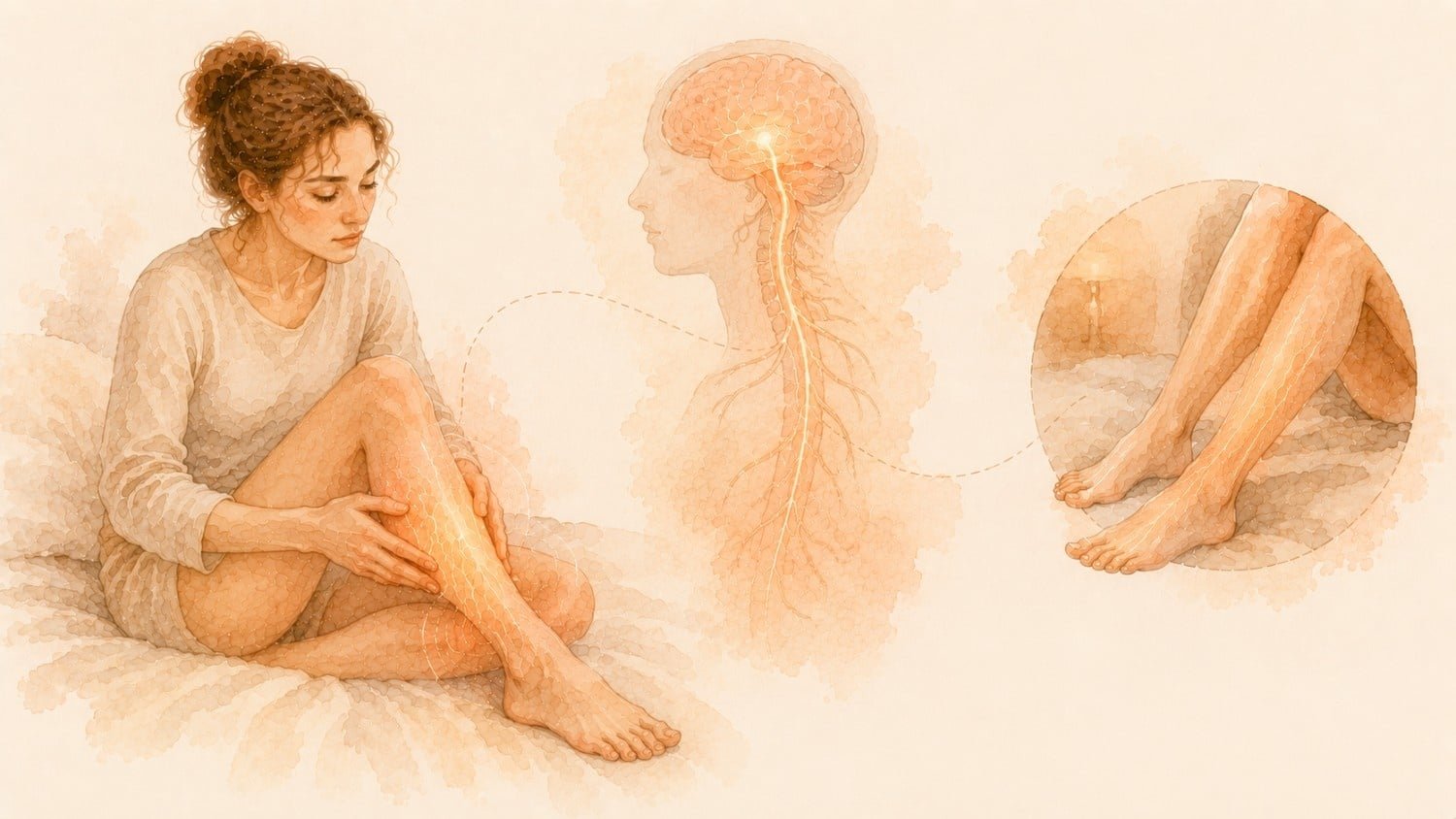
Restless legs syndrome is a neurological condition that creates uncomfortable sensations in the legs, along with an irresistible urge to move them. The symptoms usually appear during periods of rest, especially at night, and can interfere significantly with sleep.
The Mayo Clinic recognises RLS as a real, well-documented condition affecting both children and adults. While it sounds harmless on paper, anyone who’s experienced it knows it can be genuinely exhausting.
How RLS Sensations Actually Feel
This is one of the most underrated parts of RLS. The sensations are hard to describe but very real.
People with RLS often describe their symptoms as crawling, tingling, pulling, throbbing, aching, itching, burning, or “electric” feelings deep inside the legs. The sensations are not on the skin but inside the muscles or bones. The urge to move the legs usually relieves the discomfort temporarily.
I’ve personally felt the crawling and pulling type, and the only thing that calmed it was getting up to walk. Lying still made it worse. If that sounds familiar, you’re not imagining it.
Why RLS Often Gets Misunderstood
Many people, including some doctors, dismiss RLS as “just stress” or “leg cramps”. But it’s neither. RLS is a neurological issue, not a muscular one. The Cleveland Clinic confirms that RLS is connected to dopamine signalling in the brain and iron levels in the body.
This is why simple remedies like stretching or massage often offer only partial relief. The real solution comes from addressing the underlying cause.
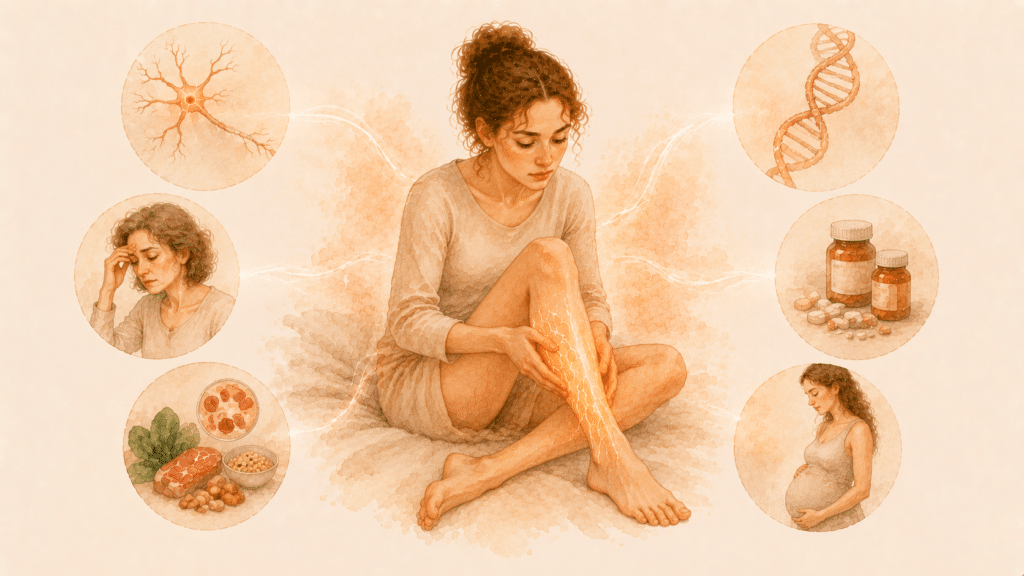
Common Causes of Restless Legs Syndrome
Let me walk you through the most common causes, based on real-world experience and credible medical sources.
Iron Deficiency
This is one of the leading causes of RLS. Low iron levels in the brain affect dopamine, which controls muscle movement. The Mayo Clinic confirms that iron deficiency, even without anaemia, can trigger RLS.
A simple ferritin test confirms the issue, and iron supplementation often makes a big difference.
Genetics
RLS often runs in families, especially in cases that start before age 40. If your parents or siblings have it, your chances of developing it are higher.
Pregnancy
Many women experience RLS during pregnancy, especially in the third trimester. It’s usually temporary and resolves after delivery, though it can be uncomfortable while it lasts.
Kidney Disease
Chronic kidney issues affect iron and dopamine levels. RLS is a known symptom in people with kidney disease, particularly those on dialysis.
Peripheral Neuropathy
Nerve damage from diabetes, alcohol use, or vitamin deficiencies can cause RLS-like symptoms. The CDC notes that nearly half of people with diabetes develop nerve issues, which can include RLS-style discomfort.
Medications
Certain medications can worsen RLS. These include some antidepressants (especially SSRIs and SNRIs), antihistamines, anti-nausea medicines, and antipsychotics. If your RLS started after a medication change, talk to your doctor.
Vitamin Deficiencies
Low magnesium, vitamin D, and folate can contribute to RLS symptoms. A blood test usually identifies these quickly.
Caffeine, Alcohol, and Nicotine
These substances increase nerve sensitivity and can worsen RLS. Many people notice major improvements once they reduce evening caffeine.
Stress and Anxiety
Stress doesn’t cause RLS, but it definitely intensifies it. The nervous system becomes more reactive, making symptoms worse.
I’ve personally noticed my RLS-style episodes increase during high-pressure weeks. Once stress eases, things improve.
Sedentary Lifestyle
Long sitting hours, especially in the evening, can worsen RLS. Movement and circulation matter more than people realise.
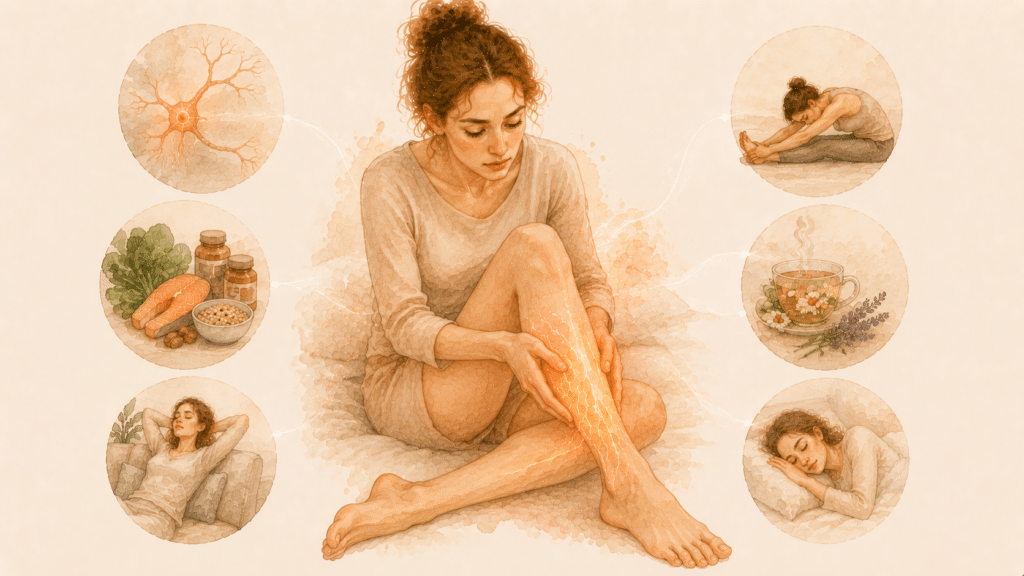
How RLS Affects Sleep
RLS is one of the most common causes of disturbed sleep. The discomfort almost always shows up at night or while resting, leading to delayed sleep, restless tossing, and frequent awakenings.
The Sleep Foundation lists RLS as a major cause of sleep deprivation. Over time, poor sleep affects mood, focus, energy, and overall health.
I’ve personally noticed that on nights when my legs are restless, even falling asleep feels like work. Tiny lifestyle changes can dramatically improve sleep quality for RLS sufferers.
When RLS Becomes a Red Flag
Most RLS cases are mild and manageable, but some need urgent medical attention. Please see a doctor if you experience:
- Symptoms that severely disrupt sleep
- Numbness, weakness, or sudden leg changes
- Signs of poor circulation
- Symptoms that worsen quickly
- New onset RLS in middle or older age, which may indicate underlying conditions
Persistent or worsening symptoms deserve evaluation. Trust your instincts.
How Doctors Diagnose RLS
When I finally had mine evaluated, the process was thorough. Diagnosing RLS isn’t a single test but a combination of clinical signs and history.
Doctors usually rely on the International RLS Study Group (IRLSSG) criteria, which include:
- An urge to move the legs, often paired with uncomfortable sensations
- Symptoms that worsen during rest
- Relief with movement
- Symptoms that are worst at night
Blood tests check iron, ferritin, thyroid function, vitamin D, magnesium, and kidney function. In some cases, doctors recommend sleep studies to rule out other sleep disorders.
The right diagnosis prevents months of guesswork and shapes the right treatment.
Treatment Options That Truly Help
Treatment depends entirely on the cause and severity, but here’s what generally works in real-world cases.
Iron Supplementation
For people with low iron or low ferritin, iron supplements often work wonders. The Mayo Clinic confirms that iron therapy is one of the most effective treatments for RLS in deficient individuals.
Always confirm with a blood test before starting iron supplements.
Lifestyle Adjustments
For mild cases, small changes do a lot. Avoiding caffeine, alcohol, and nicotine in the evening, stretching daily, and reducing evening screen time make a real difference.
I personally noticed my RLS-like sensations reduce significantly when I improved my sleep schedule and started gentle evening yoga.
Regular Exercise
Light to moderate daily exercise improves circulation, dopamine balance, and overall nerve health. Walking, yoga, and swimming are especially helpful for RLS sufferers.
Better Sleep Habits
A consistent bedtime routine, cool sleep environment, and reduced screen time before bed improve symptoms significantly. The Sleep Foundation strongly supports sleep hygiene as a long-term solution.
Compression and Massage
Compression socks, especially brands like Mediven and Jobst, help improve circulation. Massage helps relax overactive nerves.
Heat or Cold Therapy
Some people find relief with warm baths, while others prefer cold packs. Alternating between the two can help reduce discomfort.
Medications
In moderate to severe cases, medications help significantly. Common ones prescribed include dopamine agonists like ropinirole and pramipexole, anticonvulsants like gabapentin and pregabalin, and certain opioids for severe cases.
Doctors monitor these medications carefully, especially because dopamine medications can sometimes cause symptoms to worsen over time, a phenomenon called augmentation.
Stress and Anxiety Management
If stress worsens your RLS, slow breathing, mindfulness, and therapy reduce nervous system sensitivity. CBT is highly effective for chronic stress-related sleep issues.
Address Underlying Conditions
If kidney issues, diabetes, or thyroid problems are involved, treating those conditions reduces RLS symptoms. The body always responds best when the root cause is addressed.

Simple Habits That Reduce RLS Episodes
A few small habits genuinely help. Stretching the calves, hamstrings, and lower back daily reduces nerve sensitivity. Staying hydrated, eating iron-rich foods, and maintaining a regular sleep schedule make a real difference.
I’ve personally noticed huge improvements when I avoid heavy meals before bed and keep my evenings calm. These small changes add up into bigger long-term results.
Frequently Asked Questions
Most people describe crawling, tingling, pulling, or burning sensations deep in the legs, along with a strong urge to move.
RLS itself is not dangerous, but it can severely affect sleep and quality of life. Persistent cases need medical evaluation.
Stress doesn’t directly cause RLS, but it can worsen the symptoms significantly.
Mild cases may improve with lifestyle changes. Severe or persistent cases usually need ongoing treatment.
There’s no permanent cure, but most cases respond very well to treatment, lifestyle changes, and addressing underlying causes.
Final Thoughts
Restless legs syndrome may sound like just another sleep nuisance, but it’s a real neurological condition that deserves real attention. From iron deficiency and genetics to medications and stress, the causes are varied, and so are the treatments.
If your legs keep refusing to settle when the rest of you wants to rest, don’t ignore it and don’t panic either. Track the symptoms, fix the basics, and consult a qualified doctor when needed. Your body, especially your legs, deserves a quiet, comfortable night. The kindest thing you can do is help them get there.