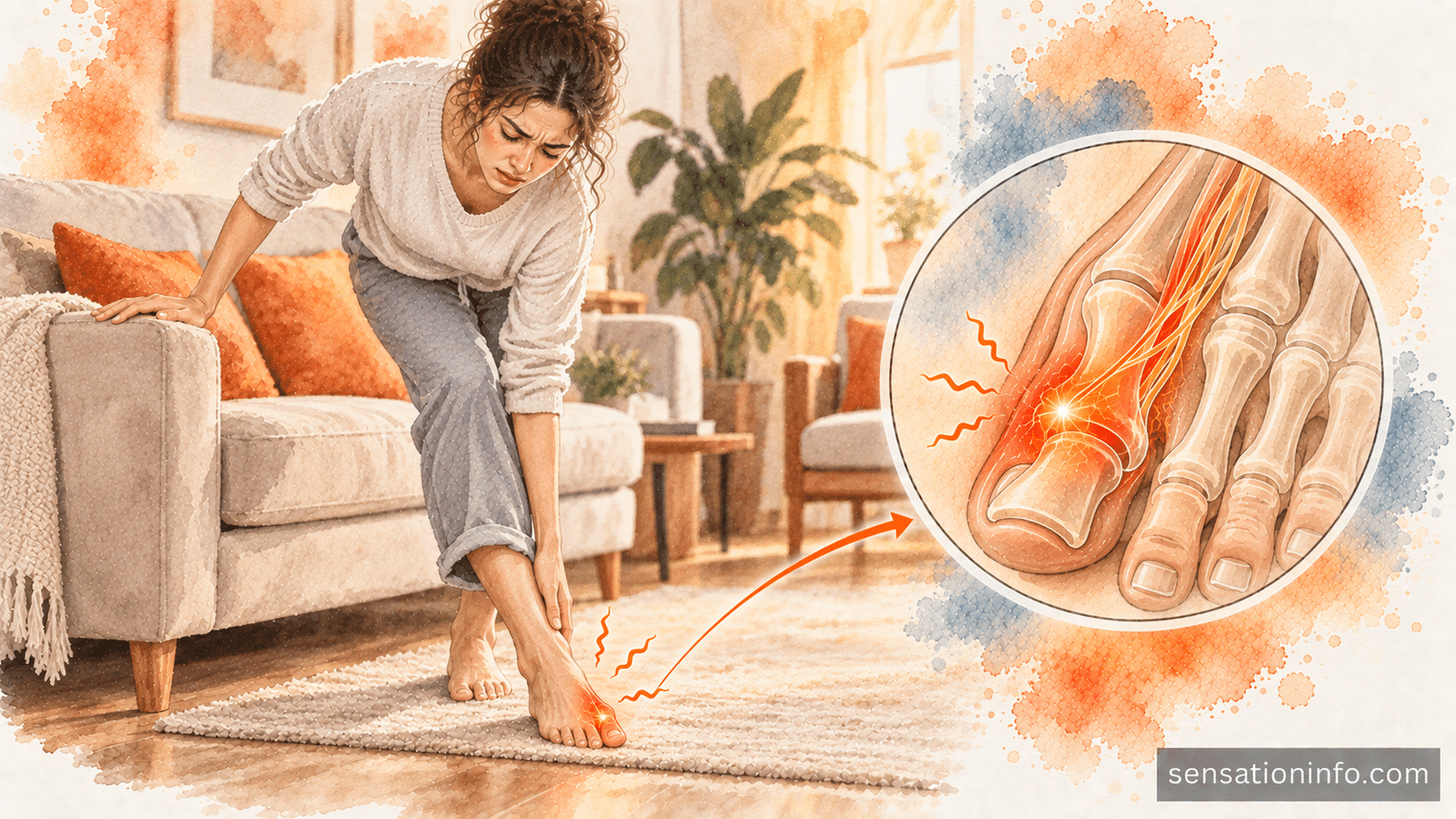

Have you ever stood up from your chair and felt like your arms and legs were suddenly twice as heavy as the rest of you? I have, and the first time it happened consistently, I genuinely wondered if my limbs had silently decided to start carrying invisible dumbbells. Spoiler, they hadn’t. But something was definitely off.
A heavy feeling in arms and legs is one of those symptoms that gets dismissed often, mostly because it doesn’t come with pain or visible signs. But it’s a real sensation with real causes. In this article, I’ll walk you through what causes it, why it happens, and when you should pay closer attention. Everything I share here is based on credible medical sources like the Mayo Clinic, Cleveland Clinic, the NHS, and the National Institute of Neurological Disorders and Stroke.
What a Heavy Feeling in the Limbs Really Means
A heaviness sensation in the arms or legs is a feeling of weight, dragging, or fatigue in the limbs without any actual increase in body mass. It can be mild and occasional or persistent and exhausting.
The cause usually involves nerves, muscles, circulation, hormones, or mental health. Sometimes a combination of all of these. The good news is that most causes are treatable once you know what’s behind them.
Why Limbs Feel Heavier Than They Are
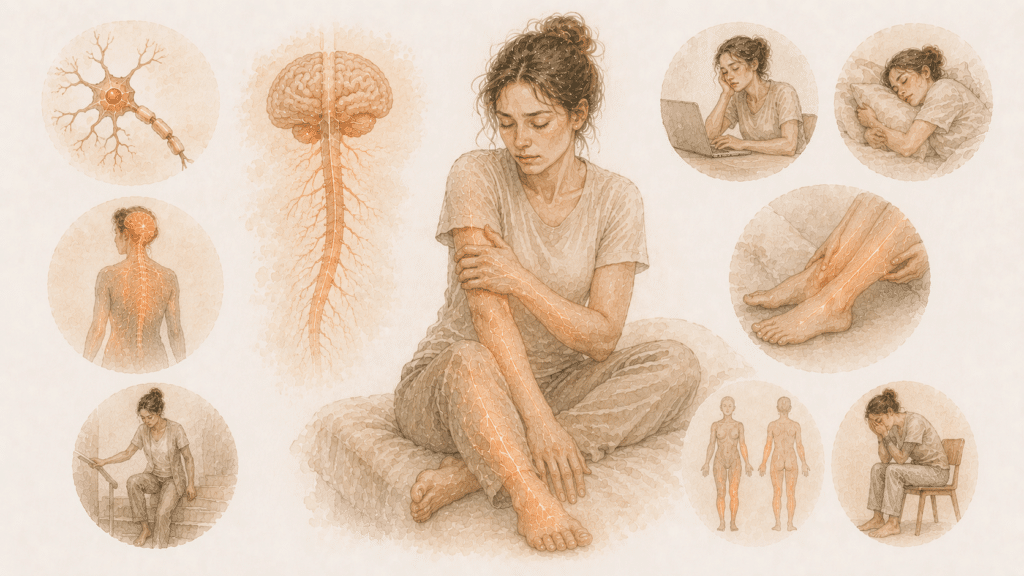
The limbs depend on a steady supply of oxygen, nutrients, hormones, and clear nerve signals. When any one of these slows down, the muscles can feel weak, sluggish, or unusually heavy.
I’ve personally noticed my own arms feel heavier during stressful weeks, low-sleep cycles, or when I forget to eat properly. The body is incredibly honest. It always reflects what’s happening inside.
Common Causes of Heaviness in Arms and Legs
Let me walk you through the most common reasons behind heavy limbs, both from real-world observation and credible medical sources.
Physical and Mental Fatigue
This is the most common cause. After long work hours, low sleep, or intense exercise, the muscles use up energy faster than they can replenish. The result is a heavy, dragging feeling, especially in the legs and shoulders.
I’ve personally felt this during deadline weeks, where my limbs felt heavier than my deadlines themselves. Sleep, hydration, and rest usually fix it quickly.
Peripheral Neuropathy
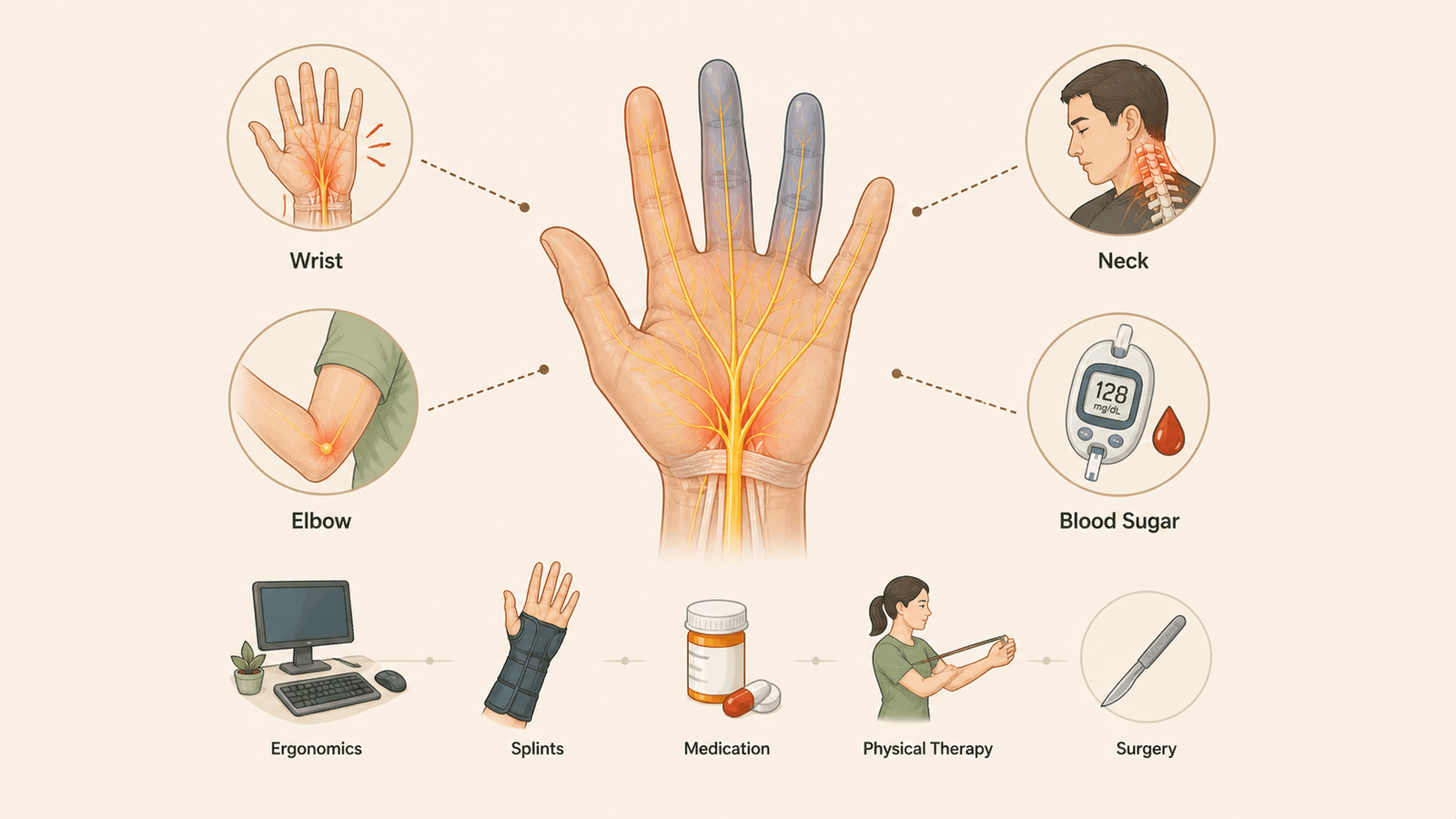
When the small nerves in the arms or legs get damaged, sensations like tingling, numbness, burning, and heaviness can appear. The Cleveland Clinic recognises heaviness as one of the common symptoms of nerve damage.
Common triggers include diabetes, vitamin B12 deficiency, alcohol use, and certain medications. Treatment depends on the underlying cause.
Depression and Anxiety
Heaviness in the limbs is one of the more overlooked symptoms of depression. When the body is emotionally exhausted, it physically slows down too. People often describe it as “moving through water”.
The American Psychological Association recognises this as a real and well-documented physical symptom. Anxiety, on the other hand, can cause heaviness due to muscle tension and stress hormones.
Anaemia
Low iron levels reduce oxygen delivery to muscles, which makes limbs feel heavy, weak, or tired. The Mayo Clinic confirms that fatigue, heaviness, and shortness of breath are classic anaemia symptoms.
A simple blood test confirms anaemia, and iron supplementation or dietary changes often clear the issue quickly.
Hypothyroidism
An underactive thyroid slows the metabolism, which directly affects muscle energy. People with hypothyroidism often feel heavy, sluggish, and weak.
The British Thyroid Foundation lists muscle heaviness and fatigue as common signs. Treating the thyroid usually resolves the symptoms.
Vitamin D Deficiency
Vitamin D plays a key role in muscle function. Low levels can lead to muscle weakness, heaviness, and aching. This is especially common in people who spend most of their time indoors.
A blood test confirms the deficiency, and supplementation often improves symptoms within weeks.
Poor Circulation and Venous Issues
Conditions like chronic venous insufficiency or peripheral artery disease (PAD) can cause heaviness, swelling, and dragging sensations in the limbs, especially the legs.
The Cleveland Clinic recognises venous insufficiency as a common cause of leg heaviness. Compression stockings and movement often help.
Multiple Sclerosis (MS)
MS can cause heaviness in the limbs due to nerve signal interference. People often describe it as “trying to walk with weighted boots”.
The National MS Society confirms that limb heaviness is one of the lesser-known but real symptoms of MS. It often appears with tingling, numbness, or balance issues.
Pinched Nerves or Cervical Issues
A pinched nerve in the neck or lower back can affect strength and sensation in the arms or legs. Heaviness from cervical or lumbar issues often comes with tingling, weakness, or limited range of motion.
I had a friend whose left arm started feeling heavy out of nowhere. Turned out he had a herniated disc pressing on a nerve root.
Diabetes-Related Fatigue
Blood sugar swings can cause muscle weakness and a heavy feeling, especially in people whose diabetes isn’t well controlled. The CDC notes that energy drops and fatigue are common in chronic high blood sugar cases.
Electrolyte Imbalance
Low potassium, magnesium, or sodium levels can affect muscle performance. The limbs may feel weak, heavy, or cramp-prone. Athletes, people working in heat, and those with poor hydration habits are especially prone to this.
Medication Side Effects
Some medications can cause heaviness or muscle fatigue as side effects. Common culprits include statins, blood pressure medications, antihistamines, and certain antidepressants.
Don’t stop any medication on your own, but speak with your doctor if symptoms appeared after a recent prescription change.
Muscle Heaviness vs Nerve Heaviness
This is one of those underrated topics that helps narrow down causes quickly.
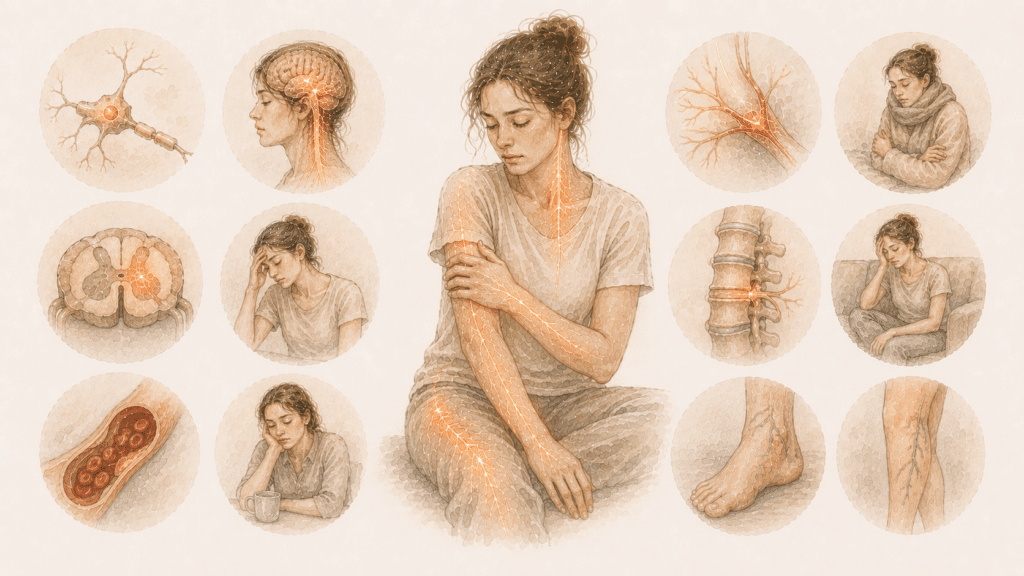
If the heaviness is muscle-related, it usually feels sore and fatigued and improves with rest or stretching. It’s common after exercise, long sitting hours, or low energy levels.
If the heaviness is nerve-related, it often comes with tingling, numbness, weakness, or strange sensations. It doesn’t improve with rest and is usually tied to a specific condition.
If the heaviness is circulatory, it often appears after standing or sitting too long, paired with swelling.
If the heaviness is emotional or mental, it usually feels worse in the morning, often accompanied by low mood or low motivation.
Recognising the pattern is the first real step toward understanding what’s going on.
When Heavy Limbs Become a Red Flag
Most cases of heavy limbs are mild and treatable, but some need urgent attention. Please see a doctor immediately if heaviness appears with:
- Sudden weakness on one side of the body
- Difficulty walking or speaking
- Vision changes
- Severe chest pain or shortness of breath
- Numbness or tingling in arms or legs that spreads
- Loss of bladder or bowel control
- Sudden swelling in one limb
These can indicate stroke, blood clots, or serious neurological issues. Trust your instincts. Acting fast matters.
How Doctors Diagnose Heavy Limbs
When I finally got my own evaluated, the process was thorough. Diagnosing heaviness isn’t guesswork.
A standard workup usually includes a physical exam, neurological assessment, and blood tests for B12, thyroid function, iron, vitamin D, and blood sugar. Doctors may use Doppler ultrasounds to check circulation.
If nerves are suspected to be involved, nerve conduction studies and EMG are commonly used. MRI scans help when spinal issues or MS are suspected.
For mental health-related heaviness, doctors evaluate mood, sleep, stress, and overall wellbeing. The right diagnosis prevents months of guesswork.
Treatment Options That Truly Help
Treatment depends entirely on the cause, but here’s what generally works in real-world cases.
Lifestyle Adjustments
For mild causes, lifestyle changes do a lot. Staying hydrated, sleeping well, eating balanced meals, and stretching daily can ease the heaviness quickly.
I personally noticed huge improvements after fixing my sleep patterns. Even one extra hour of rest reduced my morning heaviness significantly.
Address the Underlying Condition
If anaemia is the cause, iron supplements help. If hypothyroidism is involved, thyroid medication is the standard treatment. Vitamin D and B12 deficiencies improve with supplementation.
If diabetes is the issue, better blood sugar management makes a real difference. For depression-related heaviness, therapy and medication often help.
Physical Therapy
A skilled physiotherapist can help with stretching, strengthening, and posture correction. This is especially helpful for pinched nerves, muscle fatigue, and circulation-related issues.
Compression Therapy
For venous insufficiency, compression stockings improve blood flow and reduce heaviness. Brands like Mediven and Jobst are widely recommended by vascular specialists.
Mental Health Support
If emotional or mental fatigue is involved, talk therapy, CBT, journaling, and exercise reduce heaviness over time. The American Psychological Association supports both therapy and lifestyle improvements as effective approaches.
I personally noticed how my limbs felt lighter once I started managing stress more intentionally.
Medication
Doctors may prescribe gabapentin, pregabalin, or muscle relaxants for nerve-related causes. Treatment depends on the diagnosis and severity.
Exercise and Movement
Light exercise, walking, yoga, and swimming improve blood flow, energy levels, and nerve health. Even 20 minutes a day can produce noticeable improvements.

Simple Habits That Reduce Limb Heaviness
A few small habits genuinely help. Drinking enough water, avoiding long sitting hours, stretching daily, and eating foods rich in iron, B12, and magnesium reduce heaviness over time.
For desk workers, taking 5-minute walking breaks every hour makes a real difference. Tiny shifts produce surprisingly real long-term results.
Frequently Asked Questions
It’s usually due to fatigue, nerve issues, hormonal imbalances, or circulation problems. Sometimes mental health plays a role too.
Yes. Stress affects muscle tension and the nervous system, which can produce a heavy or sluggish feeling.
Brief heaviness from exercise or long work hours is normal. Worry only when it’s persistent, severe, or paired with weakness or numbness.
Sudden weakness on one side, breathing issues, slurred speech, or vision changes need immediate medical care.
Final Thoughts
A heavy feeling in arms and legs may seem subtle, but it often reflects what’s happening underneath. From fatigue and neuropathy to anaemia and emotional health, the causes are varied, and so are the solutions.
If your limbs keep feeling heavier than they should, don’t ignore it and don’t panic either. Track the pattern, fix the basics, and consult a qualified doctor when needed. Your body talks every day. The kindest thing you can do is finally start listening with intention.