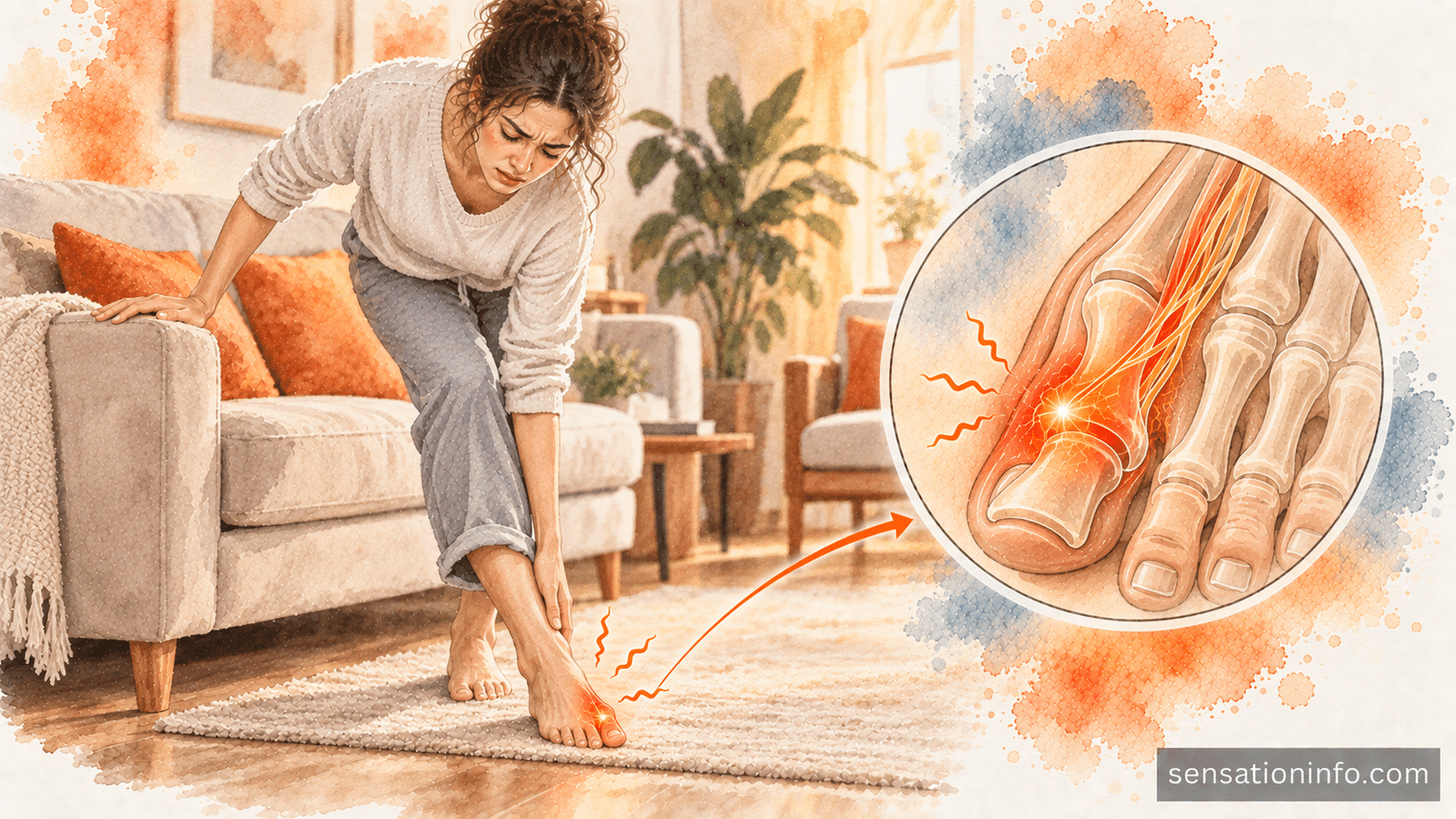

As a medical professional, I’ve seen numerous patients struggling with cold hands and feet, often brushing it off as a minor nuisance. However, poor circulation can be a sign of an underlying issue, and it’s essential to address it promptly. In this article, I’ll share my expertise on how to improve circulation in cold hands and feet, providing you with a comprehensive guide to warm up your extremities and boost overall well-being.
When it comes to circulation, it’s crucial to understand that it’s not just about feeling warm or cold; it’s about ensuring that your blood vessels are functioning correctly. Poor circulation can lead to a range of problems, from numbness and tingling to more severe conditions like Raynaud’s disease. As someone who’s worked with patients suffering from circulation issues, I can attest that it’s essential to take a proactive approach to improving circulation.
In this article, we’ll cover various aspects of improving circulation, including warming techniques, medical review notes, and a quick-answer box to get you started. We’ll also delve into the symptoms checklist, causes, step-by-step treatment, home remedies, prevention tips, and FAQs to provide you with a thorough understanding of the topic. Whether you’re experiencing occasional cold hands and feet or struggling with persistent circulation issues, this guide is designed to help you take control of your circulation and overall health.
Warming Techniques to Improve Circulation
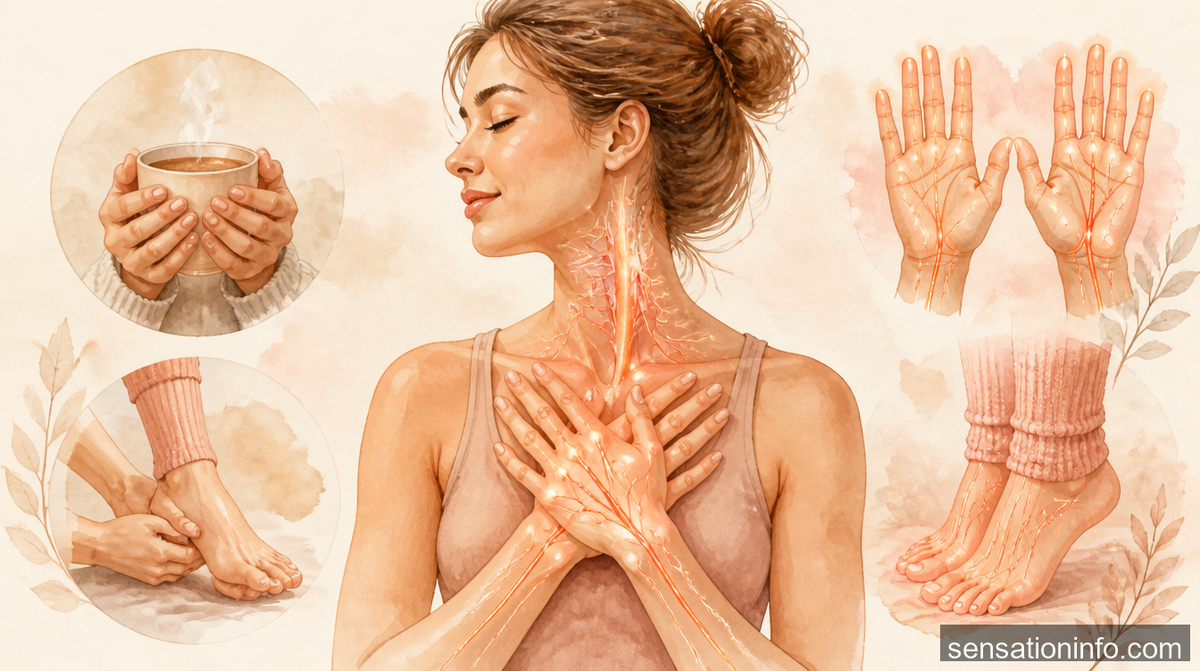
One of the simplest ways to improve circulation is by using warming techniques. I recommend starting with something as basic as soaking your hands and feet in warm water. This can help relax your blood vessels and increase blood flow to your extremities. You can also try using a warm compress or heating pad to apply gentle heat to your hands and feet. Another technique is to engage in physical activities that promote blood flow, such as yoga or brisk walking.
When it comes to warming techniques, it’s essential to be gentle and avoid extreme temperatures. Avoid using hot water or heating pads that are too hot, as this can cause discomfort and even burns. Instead, opt for a warm and comfortable temperature that promotes relaxation and improves circulation. I also recommend incorporating activities that promote blood flow, such as massaging your hands and feet or engaging in exercises that target your extremities.
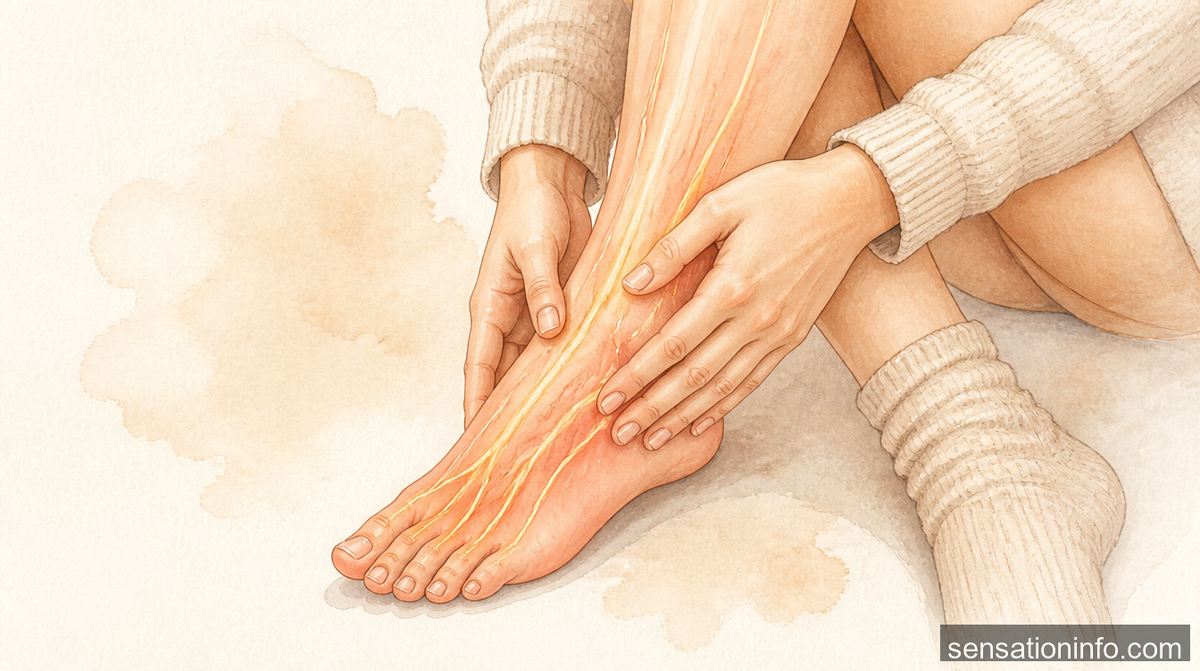
Medical Review Note
As a medical professional, I want to emphasize the importance of consulting with a healthcare expert if you’re experiencing persistent or severe circulation issues. While warming techniques and home remedies can be helpful, it’s crucial to rule out any underlying medical conditions that may be contributing to poor circulation. A medical review can help identify potential causes, such as hypertension, diabetes, or peripheral artery disease, and provide guidance on the best course of treatment.
Quick-Answer Box
If you’re looking for a quick solution to improve circulation in your cold hands and feet, here are some tips to get you started:
- Soak in warm water: Soak your hands and feet in warm water for 10-15 minutes to improve blood flow.
- Exercise regularly: Engage in physical activities that promote blood flow, such as yoga or brisk walking.
- Stay hydrated: Drink plenty of water to help your blood vessels function correctly.
- Avoid smoking: Smoking can damage your blood vessels and worsen circulation issues.
- Get enough sleep: Aim for 7-8 hours of sleep per night to help your body regulate blood flow.
Symptoms Checklist
If you’re experiencing any of the following symptoms, it may be a sign of poor circulation:
- Cold hands and feet
- Numbness or tingling in your extremities
- Pain or cramping in your hands and feet
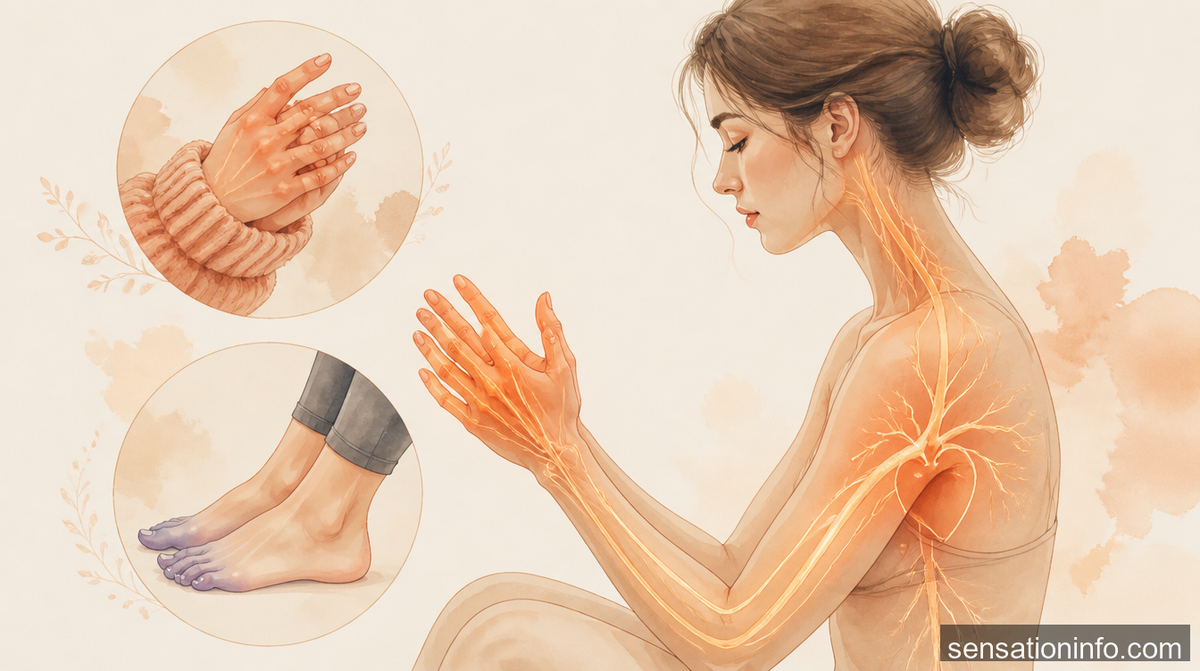
- Discoloration of your skin (pale, blue, or red)
- Weakness or fatigue in your hands and feet
Causes of Poor Circulation
Poor circulation can be caused by a range of factors, including:
- Hypertension: High blood pressure can damage your blood vessels and reduce blood flow to your extremities.
- Diabetes: High blood sugar levels can damage your blood vessels and nerves, leading to poor circulation.
- Peripheral artery disease: This condition occurs when your arteries become narrowed or blocked, reducing blood flow to your extremities.
- Raynaud’s disease: This condition causes your blood vessels to constrict in response to cold temperatures or stress, leading to poor circulation.
- Smoking: Smoking can damage your blood vessels and worsen circulation issues.
Step-by-Step Treatment
If you’re experiencing poor circulation, it’s essential to take a step-by-step approach to treatment. Here’s a guide to get you started:
- Consult with a healthcare expert: Rule out any underlying medical conditions that may be contributing to poor circulation.
- Make lifestyle changes: Engage in physical activities that promote blood flow, stay hydrated, and avoid smoking.
- Try warming techniques: Soak your hands and feet in warm water, use a warm compress or heating pad, or engage in activities that promote blood flow.
- Consider medication: If you’re experiencing persistent or severe circulation issues, your healthcare expert may prescribe medication to help improve blood flow.
Home Remedies to Improve Circulation
In addition to warming techniques and medical treatment, there are several home remedies that can help improve circulation. Some of my favorite home remedies include:
- Ginger: Ginger has natural anti-inflammatory properties that can help improve blood flow.
- Cayenne pepper: Cayenne pepper can help dilate your blood vessels and improve circulation.
- Turmeric: Turmeric contains curcumin, a compound that can help reduce inflammation and improve blood flow.
- Coenzyme Q10: This antioxidant can help improve energy production in your cells and promote blood flow.
Prevention Tips
Preventing poor circulation is often easier than treating it. Here are some tips to help you prevent circulation issues:
- Stay active: Engage in regular physical activity to promote blood flow.
- Maintain a healthy weight: Excess weight can put pressure on your blood vessels and worsen circulation issues.
- Eat a balanced diet: Focus on whole, nutrient-dense foods to help your blood vessels function correctly.
- Manage stress: High stress levels can cause your blood vessels to constrict, reducing blood flow to your extremities.
Raynaud’s Disease: A Special Note
If you’re experiencing Raynaud’s disease, it’s essential to take a proactive approach to managing your symptoms. This condition can cause your blood vessels to constrict in response to cold temperatures or stress, leading to poor circulation. To manage Raynaud’s disease, try the following:
- Avoid cold temperatures: Keep your hands and feet warm, especially in cold weather.
- Reduce stress: Engage in stress-reducing activities, such as meditation or yoga.
- Avoid smoking: Smoking can worsen Raynaud’s disease and reduce blood flow to your extremities.
- Consider medication: Your healthcare expert may prescribe medication to help manage your symptoms.
Frequently Asked Questions
Poor circulation can cause a range of symptoms, including cold hands and feet, numbness or tingling, pain or cramping, and discoloration of the skin.
To improve circulation, try soaking your hands and feet in warm water, exercising regularly, staying hydrated, and avoiding smoking.
Some home remedies that can help improve circulation include ginger, cayenne pepper, turmeric, and coenzyme Q10.
Yes, poor circulation can be a sign of an underlying medical condition, such as hypertension, diabetes, or peripheral artery disease.
If you’re experiencing persistent or severe circulation issues, it’s essential to consult with a healthcare expert to rule out any underlying medical conditions.
When to See a Doctor
If you’re experiencing any of the following symptoms, it’s essential to consult with a healthcare expert:
- Persistent or severe cold hands and feet
- Numbness or tingling in your extremities
- Pain or cramping in your hands and feet
- Discoloration of your skin
- Weakness or fatigue in your hands and feet
Movement and Diet: The Key to Improving Circulation
In addition to warming techniques and home remedies, movement and diet play a crucial role in improving circulation. Engaging in regular physical activity can help promote blood flow, while a balanced diet can provide your body with the necessary nutrients to function correctly. Some of my favorite foods for improving circulation include:
- Leafy greens: Leafy greens, such as spinach and kale, are rich in antioxidants and can help improve blood flow.
- Berries: Berries, such as blueberries and raspberries, are rich in flavonoids and can help improve circulation.
- Fatty fish: Fatty fish, such as salmon and tuna, are rich in omega-3 fatty acids and can help reduce inflammation and improve blood flow.
Sources
If you’re looking for more information on improving circulation, I recommend consulting with a healthcare expert or checking out the following sources:
- American Heart Association: The American Heart Association provides a wealth of information on heart health and circulation.
- National Institute of Diabetes and Digestive and Kidney Diseases: This organization provides information on diabetes and its impact on circulation.
- Mayo Clinic: The Mayo Clinic offers a range of resources on circulation and heart health.
Final Thoughts
Improving circulation in cold hands and feet requires a multifaceted approach that incorporates warming techniques, lifestyle changes, and medical treatment. By following the tips and guidelines outlined in this article, you can take the first step towards improving your circulation and overall health. Remember to consult with a healthcare expert if you’re experiencing persistent or severe circulation issues, and don’t hesitate to reach out if you have any questions or concerns.
As a medical professional, I’ve seen the impact that poor circulation can have on a person’s quality of life. However, with the right approach and a commitment to improving circulation, it’s possible to overcome circulation issues and enjoy warm, healthy hands and feet. So, take the first step today and start improving your circulation – your body will thank you.
Article written by Dr Peeyush Kumawat at Sensationinfo.com