
Understanding the Issue
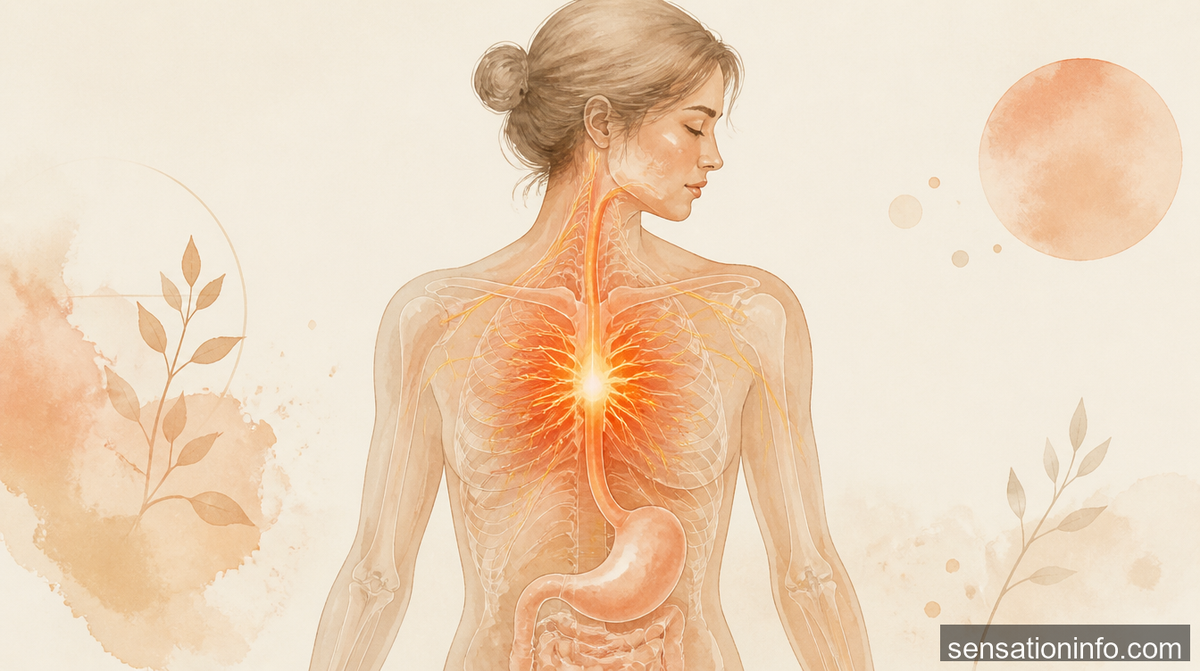
As a medical professional, I’ve often encountered patients complaining of a burning sensation in their chest. This symptom can be alarming and may indicate an underlying condition that requires attention. In this article, I’ll share my expertise on what causes a burning sensation in the chest and provide actionable advice on how to alleviate it.
When I see patients with this complaint, my first step is to understand the nature of their discomfort. Is it a sharp, stabbing pain or a dull, persistent burning? Are there any triggers that make the sensation worse or better? By listening to their stories and conducting a thorough examination, I can begin to narrow down the possible causes.
The burning sensation in the chest can be attributed to various factors, ranging from gastrointestinal issues to cardiac problems. It’s essential to approach this symptom with a nuanced perspective, considering both common and less common causes. In my experience, a burning sensation in the chest often prompts patients to worry about heart disease, but it’s crucial to remember that this symptom can have multiple explanations.
Potential Causes of Burning Sensation in Chest
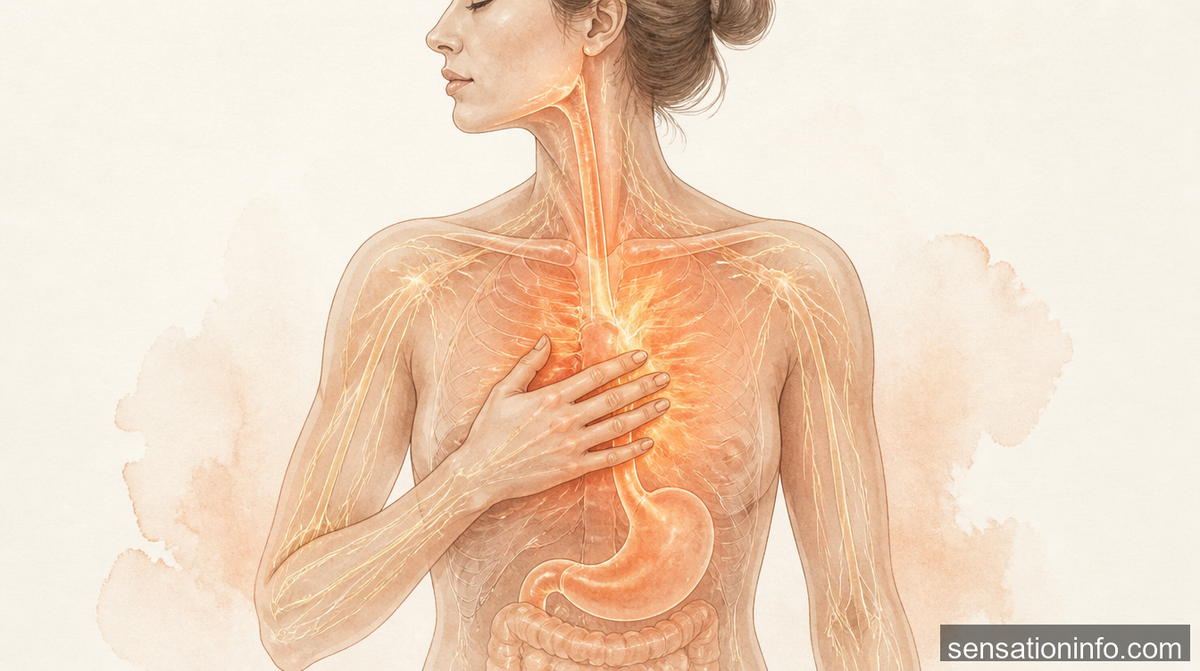
One of the most common causes of a burning sensation in the chest is gastroesophageal reflux disease (GERD). This condition occurs when stomach acid flows back into the esophagus, causing irritation and discomfort. The symptoms of GERD can be exacerbated by certain foods, eating habits, and lifestyle factors. I always advise my patients to keep a food diary to track any patterns or correlations between their diet and symptoms.
Another potential cause of a burning sensation in the chest is esophagitis, which is an inflammation of the esophagus. This condition can be caused by acid reflux, infections, or the ingestion of certain substances. In some cases, esophagitis may be a symptom of an underlying condition, such as a hiatus hernia. As a doctor, it’s my responsibility to investigate these possibilities and develop an appropriate treatment plan.
In addition to gastrointestinal issues, a burning sensation in the chest can also be related to cardiac conditions. Pericarditis, an inflammation of the sac surrounding the heart, can cause chest pain and discomfort. Similarly, myocarditis, an inflammation of the heart muscle, can lead to a burning sensation in the chest. While these conditions are less common, it’s essential to rule them out through a thorough medical evaluation.
What to Do for Burning Sensation in Chest
So, what can you do if you’re experiencing a burning sensation in your chest? First and foremost, it’s essential to seek medical attention if you’re unsure about the cause of your symptoms. As a doctor, I always recommend that patients consult with their primary care physician or a cardiologist to rule out any underlying conditions that may require immediate attention.
If your doctor determines that your burning sensation is related to GERD or esophagitis, there are several steps you can take to alleviate your symptoms. One of the most effective ways to manage these conditions is by making dietary changes. Avoiding trigger foods, such as citrus fruits, tomatoes, and spicy dishes, can help reduce acid reflux and inflammation. Additionally, eating smaller, more frequent meals and avoiding late-night snacks can help alleviate symptoms.
In terms of lifestyle modifications, I always recommend that my patients maintain a healthy weight, avoid smoking, and limit their consumption of alcohol and caffeine. These habits can help reduce the frequency and severity of acid reflux episodes. Furthermore, elevating the head of your bed by 6-8 inches can help prevent stomach acid from flowing back into the esophagus while you sleep.
Natural Remedies for Burning Sensation in Chest
While medical treatment is often necessary to address the underlying cause of a burning sensation in the chest, there are also some natural remedies that can provide relief. Ginger, for example, has natural anti-inflammatory properties that can help soothe the esophagus and reduce inflammation. You can try drinking ginger tea or taking ginger supplements after consulting with your doctor.
Aloe vera is another natural remedy that can help alleviate symptoms of acid reflux and esophagitis. The anti-inflammatory properties of aloe vera can help reduce inflammation and soothe the esophagus. However, it’s essential to use aloe vera juice that is specifically labeled as “decolorized” and “deodorized” to avoid any potential side effects.
When to Seek Medical Attention
While some cases of burning sensation in the chest can be managed with lifestyle modifications and natural remedies, it’s essential to seek medical attention if you experience any of the following symptoms:
- Chest pain or discomfort that radiates to your arms, back, or jaw: This could be a sign of a heart attack or other cardiac condition.
- Difficulty swallowing or breathing: This could be a sign of an obstruction or inflammation in the esophagus.
- Vomiting blood or black tarry stools: This could be a sign of bleeding in the esophagus or stomach.
- Fever or chills: This could be a sign of an infection or inflammation.
- Severe abdominal pain: This could be a sign of a perforation or obstruction in the digestive tract.
Frequently Asked Questions
The common causes of a burning sensation in the chest include gastroesophageal reflux disease (GERD), esophagitis, and cardiac conditions such as pericarditis and myocarditis.
You can alleviate symptoms of acid reflux and esophagitis by making dietary changes, avoiding trigger foods, eating smaller meals, and avoiding late-night snacks. Additionally, elevating the head of your bed and maintaining a healthy weight can help reduce symptoms.
Ginger and aloe vera are natural remedies that can help alleviate symptoms of acid reflux and esophagitis. However, it’s essential to consult with your doctor before trying any new remedies.
You should seek medical attention if you experience chest pain or discomfort that radiates to your arms, back, or jaw, difficulty swallowing or breathing, vomiting blood or black tarry stools, fever or chills, or severe abdominal pain.
Yes, a burning sensation in the chest can be a sign of a heart attack, especially if it is accompanied by other symptoms such as chest pain or discomfort that radiates to your arms, back, or jaw, shortness of breath, or lightheadedness.
Final Thoughts
A burning sensation in the chest can be a concerning symptom, but it’s essential to approach it with a nuanced perspective. By understanding the potential causes and taking steps to alleviate symptoms, you can manage your discomfort and prevent complications. As a doctor, my goal is to empower my patients with knowledge and provide them with the tools they need to take control of their health.
If you’re experiencing a burning sensation in your chest, I encourage you to seek medical attention and work with your doctor to develop a treatment plan. With the right combination of medical treatment, lifestyle modifications, and natural remedies, you can find relief and improve your overall well-being. Remember, your health is in your hands, and it’s essential to take proactive steps to protect it.
In conclusion, a burning sensation in the chest is a symptom that requires attention and care. By understanding the potential causes, seeking medical attention, and making lifestyle modifications, you can alleviate your symptoms and prevent complications. As a medical professional, I’m committed to helping my patients navigate the complexities of their health and providing them with the support they need to achieve optimal wellness.
Article written by Dr Peeyush Kumawat at Sensationinfo.com