
Understanding the Burning Sensation
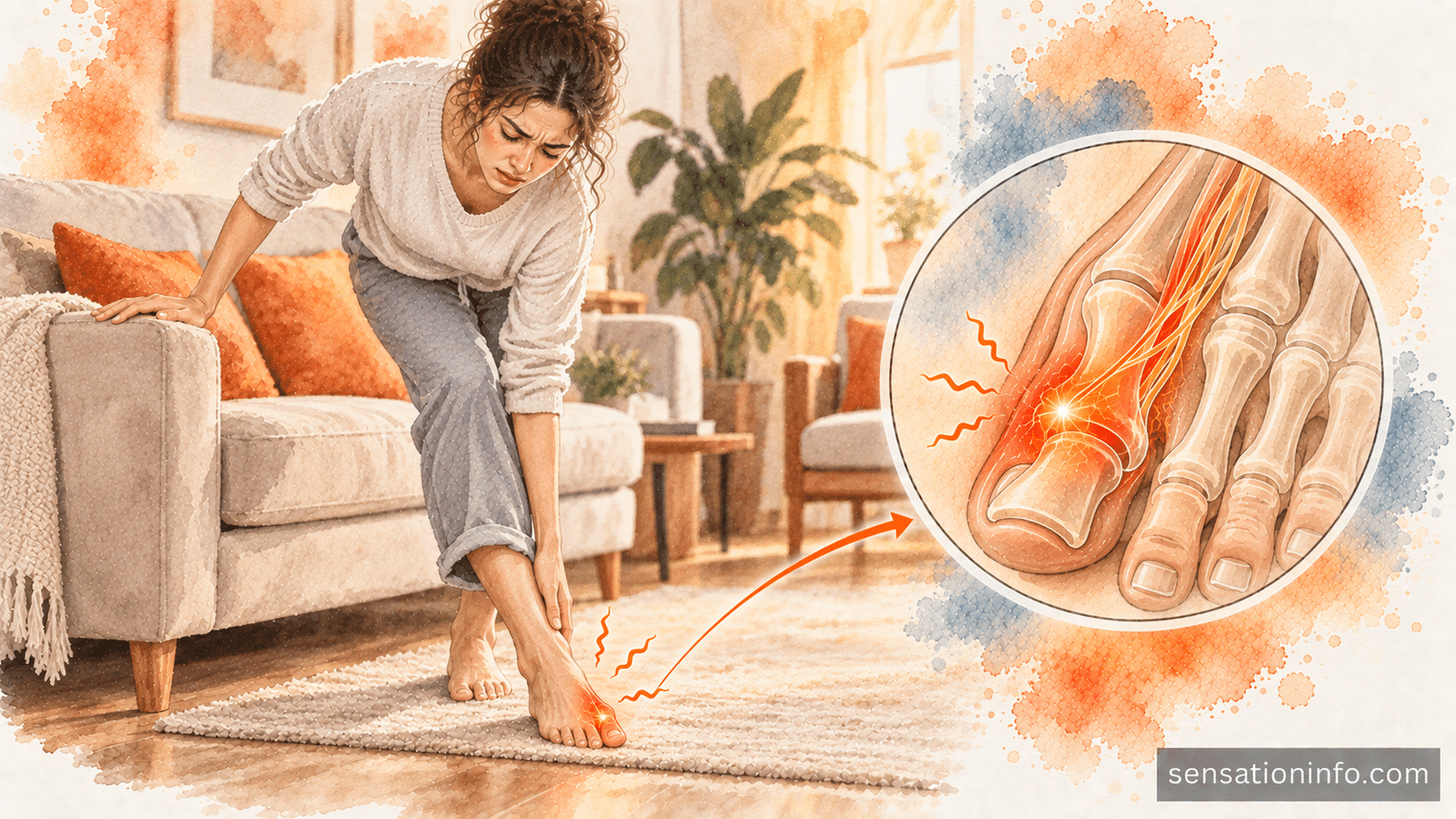
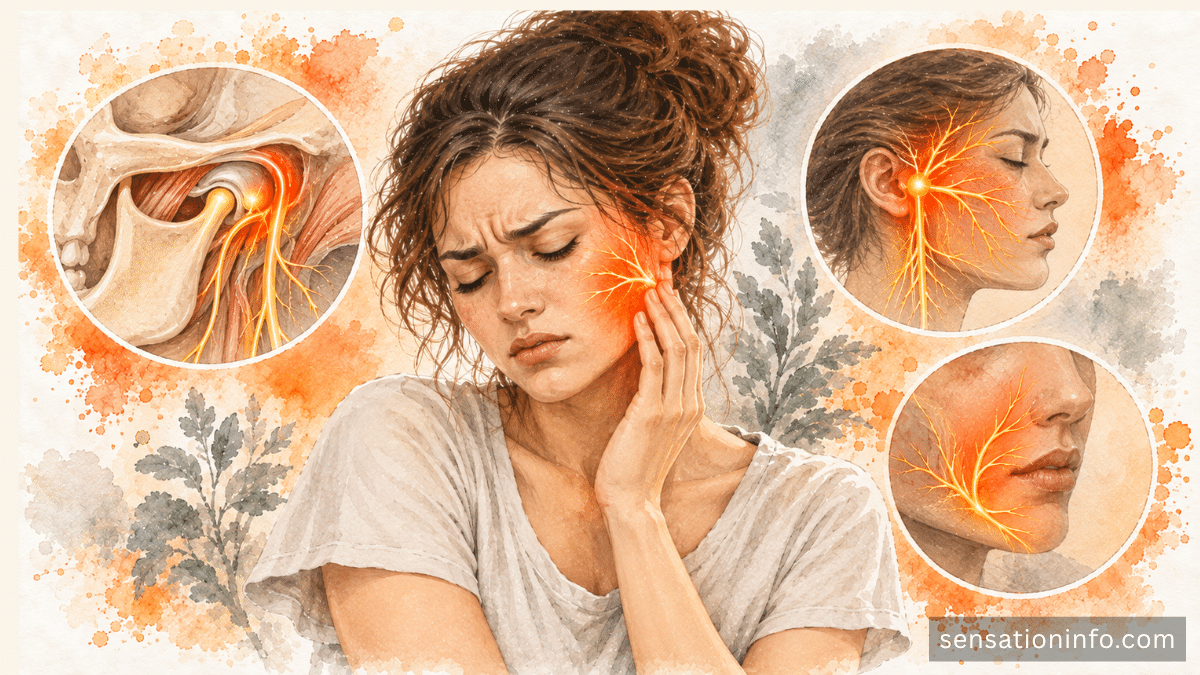
As a medical professional, I’ve encountered numerous patients complaining of a burning sensation on their skin. This sensation can be quite discomforting and may indicate an underlying condition that requires attention. In my experience, the first step towards treating a burning sensation on the skin is to identify the cause. It’s crucial to understand that this symptom can stem from various factors, ranging from skin irritation to more serious conditions like nerve damage.
I always advise my patients to approach this issue with a calm and methodical mindset, as rushed decisions can lead to misdiagnosis or inappropriate treatment.
By taking the time to understand the cause, we can develop an effective treatment plan that not only alleviates the symptoms but also addresses the root cause of the problem.
Medical Review Note
Before we dive into the treatment options, it’s essential to note that if you’re experiencing a severe burning sensation, it’s always best to consult with a medical professional for a thorough evaluation. A medical review can help identify any underlying conditions that may be contributing to the burning sensation.
In some cases, a burning sensation can be a symptom of an underlying condition that requires medical attention.
As a responsible medical professional, I must emphasize the importance of seeking medical attention if the burning sensation persists or worsens over time.
Quick-Answer Box
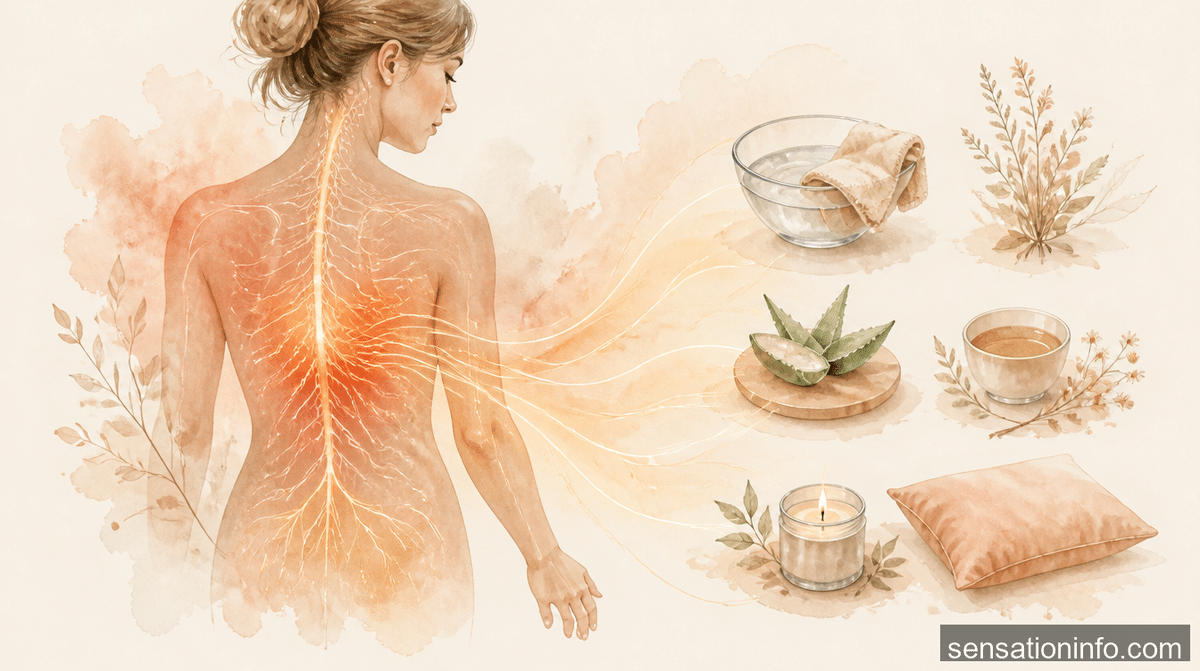
If you’re looking for a quick solution to alleviate a burning sensation on your skin, here are some steps you can take at home:
- Apply a cool compress: Soak a cloth in cold water, wring it out, and apply it to the affected area to help reduce the burning sensation.
- Use topical creams: Over-the-counter creams or ointments containing ingredients like aloe vera, capsaicin, or menthol can help soothe the skin.
- Take an oral antihistamine: If the burning sensation is caused by an allergic reaction, an oral antihistamine can help alleviate the symptoms.
Symptoms Checklist
To better understand the burning sensation on your skin, let’s go through a checklist of common symptoms:
- Redness or inflammation of the affected area
- Itching or prickling sensation
- Pain or tenderness to the touch
- Swelling or blistering
- Fever or chills (in severe cases)
If you’re experiencing any of these symptoms, it’s essential to seek medical attention to rule out any underlying conditions that may require medical attention.
Causes of Burning Skin
The causes of a burning sensation on the skin can be diverse and varied. Some common causes include:
- Skin irritation: Irritation from soap, detergent, or other harsh chemicals can cause a burning sensation on the skin.
- Allergic reactions: Allergic reactions to certain substances, such as nickel or latex, can cause a burning sensation, itching, and redness.
- Nerve damage: Damage to the nerves can cause a burning sensation, numbness, or tingling.
- Infections: Bacterial or fungal infections can cause a burning sensation, redness, and swelling.
- Systemic conditions: Certain systemic conditions, such as diabetes or multiple sclerosis, can cause a burning sensation on the skin.
Step-by-Step Treatment
To treat a burning sensation on the skin, follow these steps:
- Clean the affected area: Gently clean the affected area with mild soap and water to remove any irritants or bacteria.
- Apply a topical cream: Apply a topical cream or ointment containing ingredients like aloe vera, capsaicin, or menthol to help soothe the skin.
- Use a cool compress: Apply a cool compress to the affected area to help reduce the burning sensation.
- Take an oral antihistamine: If the burning sensation is caused by an allergic reaction, take an oral antihistamine to help alleviate the symptoms.
- Avoid further irritation: Avoid further irritation by avoiding harsh chemicals, soaps, or other substances that may exacerbate the condition.
Home Remedies
In addition to the step-by-step treatment, here are some home remedies that can help alleviate a burning sensation on the skin:
- Aloe vera gel: Apply aloe vera gel to the affected area to help soothe and calm the skin.
- Oatmeal baths: Take an oatmeal bath to help soothe and relieve itching and burning sensations.
- Coconut oil: Apply coconut oil to the affected area to help moisturize and calm the skin.
- Tea tree oil: Mix a few drops of tea tree oil with a carrier oil and apply it to the affected area to help reduce inflammation and prevent infection.
Prevention Tips
To prevent a burning sensation on the skin, follow these tips:
- Avoid harsh chemicals: Avoid using harsh chemicals, soaps, or detergents that can irritate the skin.
- Wear protective clothing: Wear protective clothing, such as gloves, to prevent skin irritation.
- Keep the skin moisturized: Keep the skin moisturized to prevent dryness and irritation.
- Avoid extreme temperatures: Avoid extreme temperatures, such as hot water or cold temperatures, that can irritate the skin.
Frequently Asked Questions
The common causes of a burning sensation on the skin include skin irritation, allergic reactions, nerve damage, infections, and systemic conditions.
To treat a burning sensation on the skin at home, you can apply a cool compress, use topical creams, take an oral antihistamine, and avoid further irritation.
Some home remedies that can help alleviate a burning sensation on the skin include aloe vera gel, oatmeal baths, coconut oil, and tea tree oil.
You should seek medical attention for a burning sensation on the skin if the sensation is severe, persists or worsens over time, or is accompanied by other symptoms such as fever, chills, or swelling.
Yes, a burning sensation on the skin can be a sign of an underlying condition, such as nerve damage, infection, or systemic conditions like diabetes or multiple sclerosis.
When to See a Doctor
If you’re experiencing a burning sensation on your skin, it’s essential to seek medical attention if:
- The sensation is severe or widespread
- The sensation persists or worsens over time
- You experience other symptoms such as fever, chills, or swelling
- You have a weakened immune system or are taking immunosuppressive medications
- You have a history of skin conditions or allergies
Sources
For more information on treating a burning sensation on the skin, you can consult the following sources:
- American Academy of Dermatology
- National Institute of Diabetes and Digestive and Kidney Diseases
- Centers for Disease Control and Prevention
Topical Options
In addition to the home remedies and step-by-step treatment, there are various topical options available to help alleviate a burning sensation on the skin. These include:
- Hydrocortisone cream: Helps reduce inflammation and itching
- Capsaicin cream: Helps reduce pain and burning sensations
- Menthol cream: Helps cool and soothe the skin
- Aloe vera gel: Helps soothe and calm the skin
What to Avoid
When experiencing a burning sensation on the skin, it’s essential to avoid:
- Harsh chemicals: Avoid using harsh chemicals, soaps, or detergents that can irritate the skin
- Extreme temperatures: Avoid extreme temperatures, such as hot water or cold temperatures, that can irritate the skin
- Tight clothing: Avoid wearing tight clothing that can rub against the skin and exacerbate the condition
- Scratching: Avoid scratching the affected area, as this can further irritate the skin and lead to infection
Final Thoughts
Treating a burning sensation on the skin requires a thorough understanding of the cause and a comprehensive approach to alleviate the symptoms. By following the step-by-step treatment, home remedies, and prevention tips outlined in this article, you can help soothe and calm the skin, reducing the discomfort and promoting healing. Remember to seek medical attention if the sensation is severe, persists or worsens over time, or is accompanied by other symptoms. With the right approach and treatment, you can find relief from a burning sensation on the skin and promote healthy, radiant skin.
As a medical professional, I hope this article has provided you with the necessary information and guidance to treat a burning sensation on the skin at home. Remember to always prioritize your skin health and seek medical attention if you’re unsure about the cause or severity of the sensation. By taking a proactive and informed approach to skin health, you can prevent and alleviate burning sensations, promoting overall well-being and quality of life.
—
Article written by Dr Peeyush Kumawat at Sensationinfo.com