
I’ll never forget the week I spent editing videos for nearly 14 hours a day before a deadline. By day three, my eyes felt like someone had sprinkled chilli powder under my eyelids. Every blink hurt, every screen looked blurry, and I genuinely considered taping my eyes shut for a few hours. That was my first proper encounter with burning eyes, and it taught me how badly we underestimate this symptom until it hits hard.
If your eyes are burning right now, you’re not alone. It’s one of the most common eye complaints worldwide, and the causes range from harmless to surprisingly serious. Let me walk you through what’s actually happening, what to do about it, and when you should stop self-treating and book an appointment.
What Burning Eyes Actually Mean
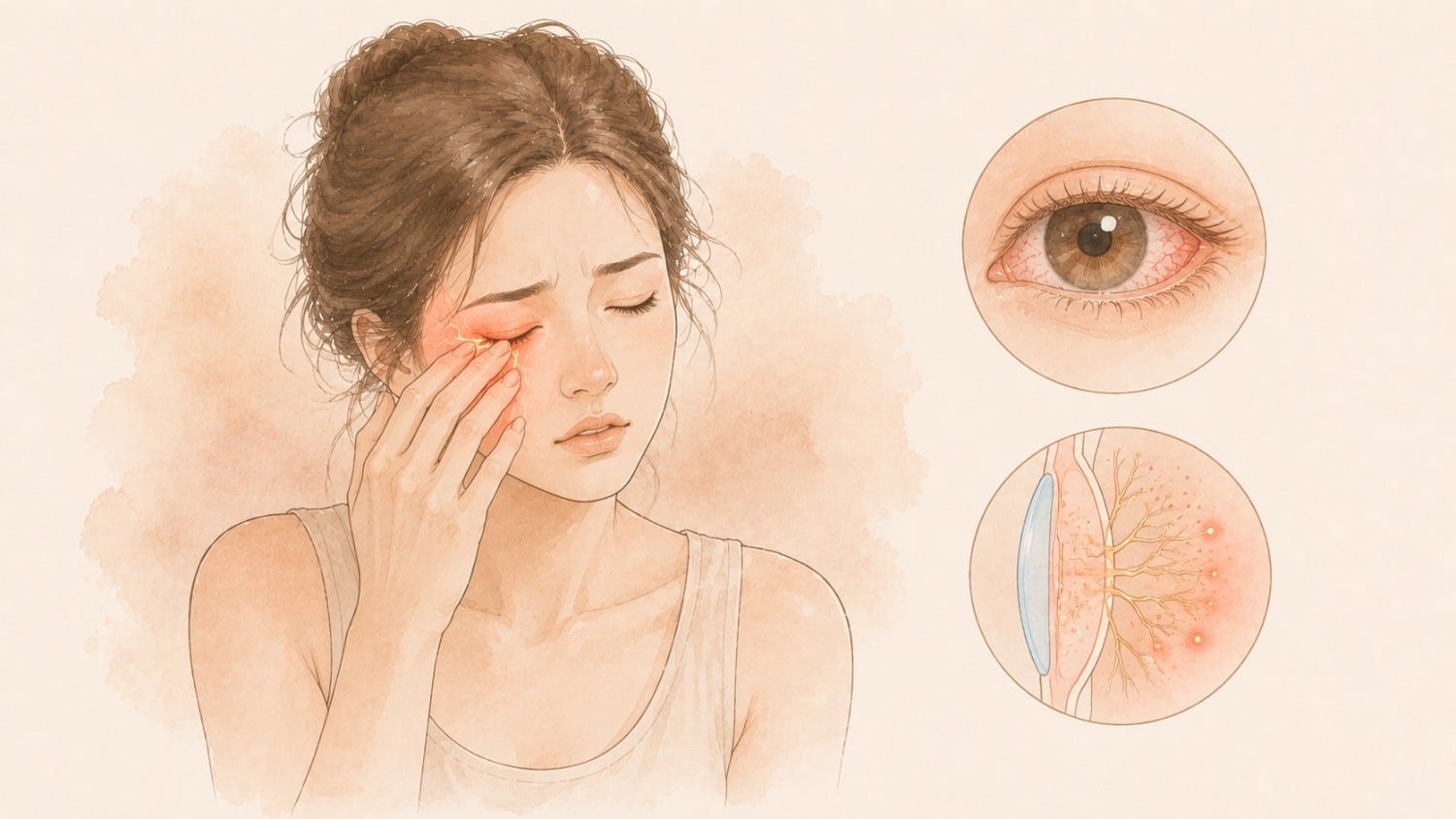
A burning sensation in the eyes usually points to irritation on the surface, especially the cornea or the conjunctiva. Your eyes are protected by a thin tear film, and when that film breaks down or gets disturbed, nerves on the surface start firing discomfort signals.
That’s what you feel as burning, stinging, or grittiness. It’s basically your eyes screaming for help in the only language they know.
The tricky part is that the burning itself doesn’t tell you the cause. The same symptom can come from dry eyes, allergies, screen strain, or even an early infection. Identifying the trigger is what makes treatment actually work.

Common Causes of Burning Eyes
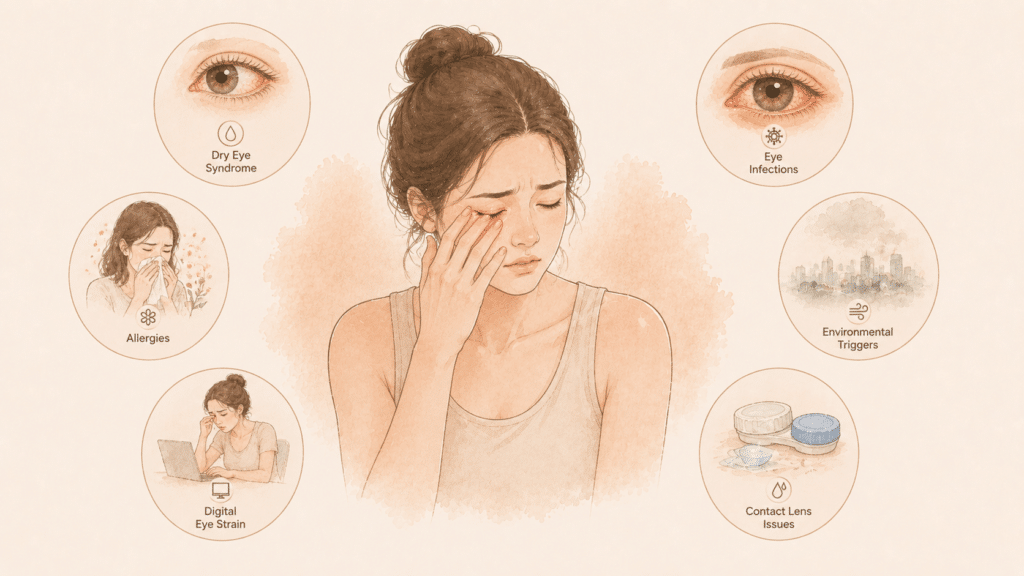
There are several well-documented causes, and most of them are surprisingly common. Let me break down the ones I see and hear about most often.
Dry Eye Syndrome
Dry eye is the leading cause of burning sensations in eyes, especially for adults over 30. According to the American Academy of Ophthalmology, millions of people deal with chronic dry eye worldwide, and the numbers are rising thanks to screen-heavy lifestyles.
When your eyes don’t produce enough tears, or the tears evaporate too quickly, the surface becomes irritated. Symptoms include burning, blurred vision, and a strange feeling that something is stuck in your eye.
Hormonal changes, ageing, contact lens overuse, and certain medications like antihistamines can all worsen dry eye.
Allergies
Allergic conjunctivitis is another big one. Pollen, dust mites, pet dander, and even certain skincare products can trigger your immune system to overreact, causing redness, itching, watering, and that classic burning sensation.
If your eyes burn along with sneezing or a runny nose, allergies are almost always the culprit. Seasonal flare-ups make this worse, especially in cities with high pollution levels.
Digital Eye Strain
This one hits close to home for me and probably for most people reading this. Staring at screens reduces your blink rate by nearly half, which dries out the tear film and irritates the surface.
The Vision Council and Mayo Clinic both highlight digital eye strain (also called computer vision syndrome) as a growing global issue. Long hours on laptops, phones, and tablets without breaks lead to burning, fatigue, headaches, and blurry vision.
Eye Infections
Conjunctivitis (pink eye), blepharitis, and styes can all cause burning sensations. Viral and bacterial infections often come with redness, discharge, swelling, and sensitivity to light.
If your symptoms include thick mucus, crusty eyelids in the morning, or worsening pain, it’s likely an infection rather than simple irritation.
Environmental Triggers
Sometimes the cause isn’t medical at all. Air pollution, smoke, dry air-conditioned rooms, swimming pool chlorine, and even strong perfumes can irritate the eye surface.
I’ve noticed my own eyes burn worse during winter because indoor heating dries out the air. Adding a humidifier completely changed how my eyes felt in the morning.
Contact Lens Issues
Wearing contact lenses for too long, sleeping in them, or using expired lens solution can lead to burning eyes. The lenses reduce oxygen flow to the cornea, and overuse causes irritation that often feels worse by the evening.
If you wear lenses daily, switching to glasses for a couple of days usually reveals whether they’re the problem.
How Environment Plays a Role
We don’t talk about this enough, but your surroundings have a huge effect on how your eyes feel throughout the day. Indoor air quality, screen distance, lighting, and even how often you blink all add up.
Sitting under direct AC vents, working near open windows on smoggy days, or staying in low-humidity rooms can quietly worsen burning eyes over weeks. Once I started paying attention to my environment, my symptoms dropped noticeably.
Small changes like adjusting screen brightness, using anti-glare glasses, or placing a glass of water near the desk to improve humidity can genuinely help.
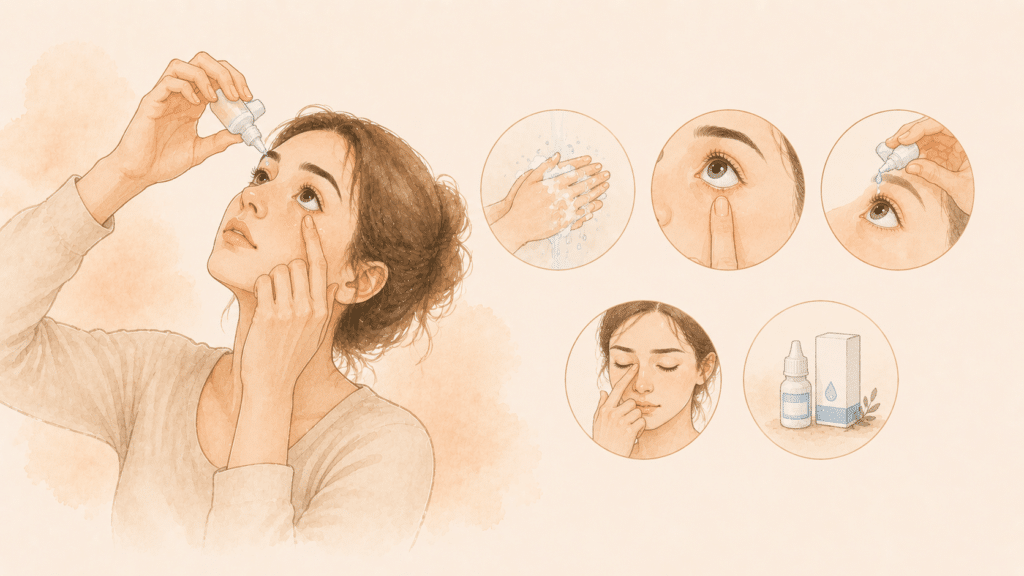
A Practical Guide to Eye Drops
Eye drops are the most common first-line solution, but choosing the right one matters more than people realise. The wrong drops can actually worsen your symptoms.
Lubricating eye drops (also known as artificial tears) are the safest option for dry eyes and digital strain. Brands like Refresh Tears, Systane, and Tears Naturale are widely recommended by ophthalmologists. Preservative-free versions are better if you use them more than four times a day.
Antihistamine eye drops like Pataday or Zaditor work best for allergy-related burning. They reduce itching, redness, and watering caused by allergens.
Redness-relief drops, like Visine, should be used sparingly. They constrict blood vessels temporarily, but long-term use can cause rebound redness and worsen irritation.
Prescription drops are needed for infections, severe dry eye, and chronic inflammation. Restasis and Xiidra, for example, are prescription options for chronic dry eye disease.
If you’re unsure which type to pick, please don’t just grab the most colourful bottle on the pharmacy shelf. Talk to a pharmacist or an eye doctor first.
Simple Home Remedies That Work
A few low-effort habits can ease burning eyes faster than most people expect.
Following the 20-20-20 rule helps reduce screen strain. Every 20 minutes, look at something 20 feet away for 20 seconds. It sounds basic, but it genuinely retrains your blink rate.
Warm compresses are excellent for blepharitis and dry eyes. A clean washcloth soaked in warm water, placed gently over closed eyes for 5–10 minutes, helps unclog meibomian glands and restore the tear film.
Hydration plays a bigger role than people think. Dehydration directly affects tear production, so drinking enough water throughout the day is a simple but powerful fix.
A humidifier at home, especially during winter or in air-conditioned spaces, can prevent the dry air that makes burning eyes worse.
And honestly, sleep matters. Poor sleep means poor tear production. I’ve personally noticed that even one bad night affects how my eyes feel the next morning.
When You Should See a Doctor
Most burning-eye cases settle within a few days. But some signs deserve immediate medical attention.
If your symptoms include severe pain, sudden vision changes, light sensitivity, or thick discharge, see an ophthalmologist quickly. The same applies if your eyes are extremely red or swollen or if symptoms last longer than a week despite using lubricating drops.
Burning eyes accompanied by headaches, nausea, or blurred vision can sometimes indicate glaucoma or a more serious eye condition. Don’t wait it out in these cases.
Contact lens wearers who suddenly experience pain or sensitivity should remove their lenses immediately and consult a doctor. Corneal infections in lens users can escalate quickly.
Frequently Asked Questions
Dry eye, allergies, or environmental triggers like AC and pollution can cause burning without screen use.
Lubricating, preservative-free drops are generally safe for daily use. Avoid relying on redness-relief drops long-term.
Yes. Poor sleep affects tear production and increases eye fatigue, which directly leads to burning and irritation.
ometimes. If it’s paired with discharge, swelling, redness, or worsening pain, an infection is likely.
Absolutely. Hydration directly affects tear quality, and even mild dehydration can worsen dryness and irritation.
Final Thoughts
Burning eyes are one of those symptoms that feel small until they start interfering with your daily routine. Whether it’s screen strain, allergies, dry eye, or environmental triggers, the cause is almost always something you can identify and manage with the right approach.
The best advice I can give is to listen to your ears early on. Most cases improve quickly with simple changes like better hydration, eye drops, screen breaks, and environmental tweaks. But if symptoms refuse to improve or feel unusual, please don’t ignore them. Your eyes are too important to gamble with.
Once you understand your triggers, you’ll be surprised how quickly your eyes start feeling normal again.