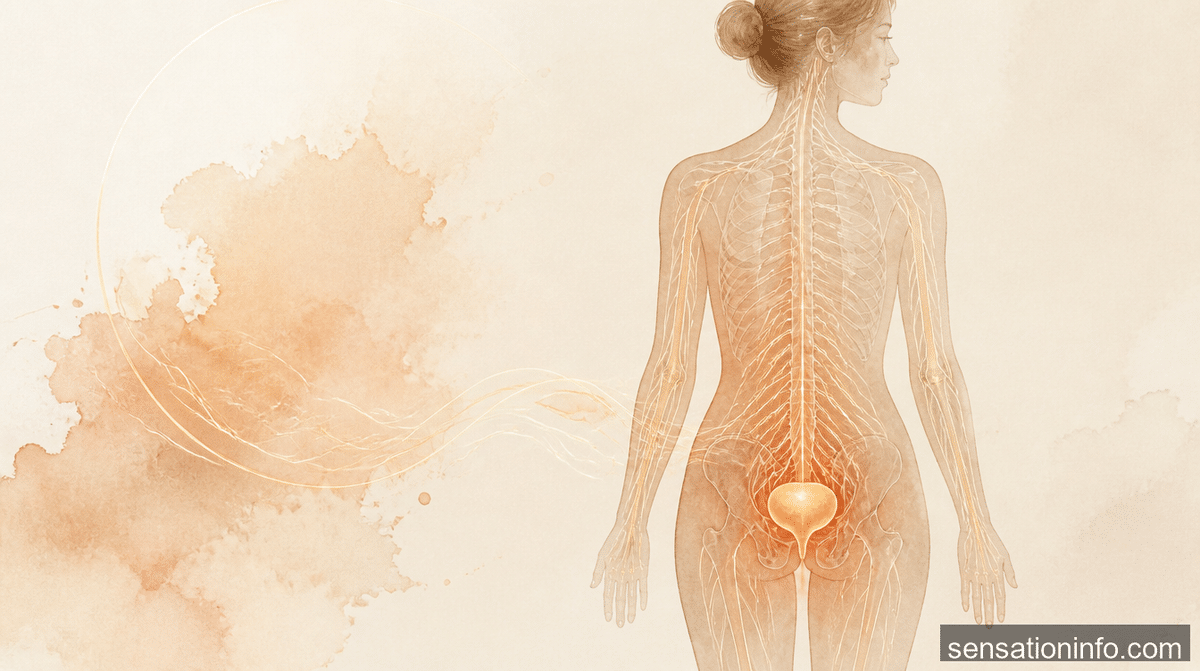

As a medical professional, I’ve encountered numerous patients complaining of a burning sensation in their bladder, but what’s intriguing is when this symptom isn’t accompanied by the usual suspect – pain while urinating. This phenomenon can be quite puzzling, both for the patient and the doctor. In this article, I’ll delve into the possible causes, diagnostic approaches, and treatment options for this condition, offering insights based on my experience and medical knowledge.
The human body is a complex machine, and sometimes, its signals can be misleading. A burning sensation in the bladder that doesn’t worsen with urination can stem from various sources, not just urinary tract infections (UTIs), which are the first things that come to mind. It’s essential to approach this symptom with an open mind, considering both common and less common causes.
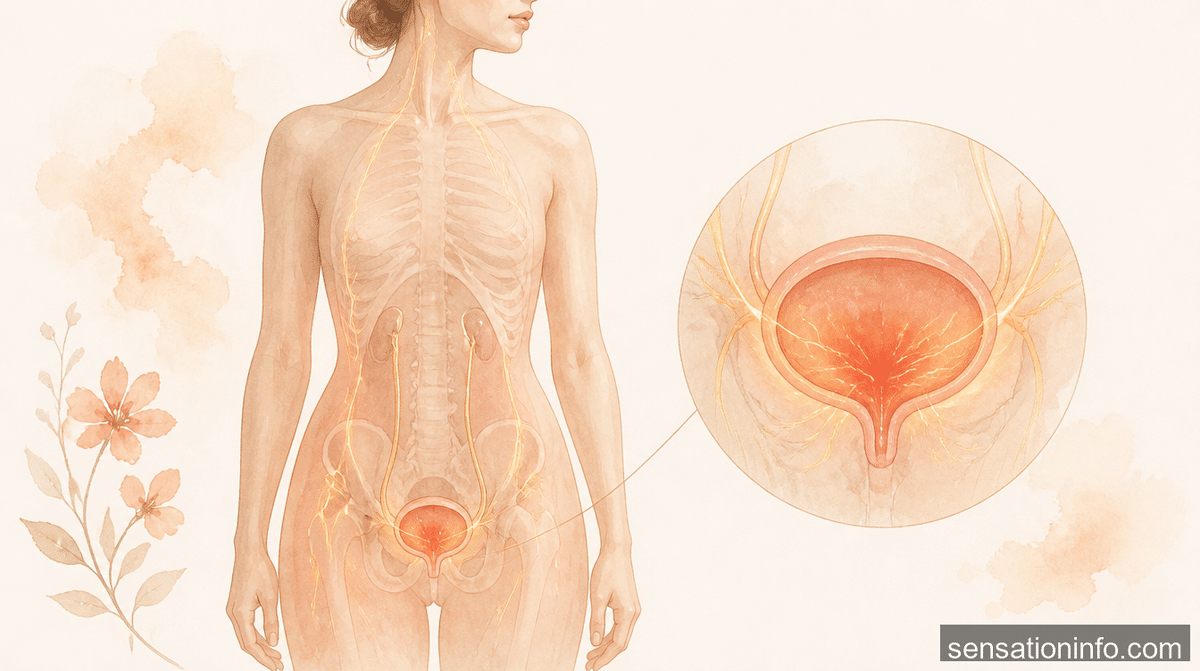
When patients describe a burning sensation in their bladder, my initial response is to consider UTIs, as they are among the most frequent causes of such discomfort. However, when the symptom persists without the typical accompaniment of dysuria (painful urination), we need to broaden our diagnostic lens. Other potential causes can include interstitial cystitis, bladder stones, or even certain food sensitivities.
Causes and Contributing Factors
To better understand this condition, let’s explore some potential causes in depth. Interstitial cystitis, for instance, is a chronic condition causing bladder pressure, bladder pain, and sometimes pelvic pain. The symptoms can worsen with bladder filling and may improve with urination, but not always in a straightforward manner. This condition can mimic many other disorders, making diagnosis challenging.
Bladder stones are another possibility. While they often cause severe pain, especially during urination, smaller stones might only produce a mild, constant irritation, perceived as a burning sensation, without the characteristic worsening during urination. Certain foods and drinks can also irritate the bladder, leading to a burning sensation. Common culprits include spicy foods, citrus fruits, chocolate, and caffeinated beverages.
Diagnostic Approaches
Diagnosing the cause of a burning sensation in the bladder that doesn’t worsen with urination requires a combination of medical history, physical examination, and sometimes, additional tests. As a doctor, my first step is to take a thorough medical history, asking about the onset, duration, and characteristics of the symptom, as well as any factors that might relieve or exacerbate it.
A physical examination, including a pelvic exam for women, can provide insights into potential causes. Laboratory tests, such as urinalysis, can help identify infections or other abnormalities in the urine. Imaging tests, like ultrasound or CT scans, might be necessary to look for structural issues, such as stones or tumors.
Treatment Options
The treatment of a burning sensation in the bladder that doesn’t worsen with urination depends on the underlying cause. For UTIs, antibiotics are typically the first line of treatment. However, for conditions like interstitial cystitis, the approach can be more complex, involving a combination of medications, bladder training, and lifestyle modifications.
Bladder training involves gradually increasing the intervals between urination to help the bladder hold more urine. Lifestyle modifications might include dietary changes to avoid irritants, stress management techniques, and pelvic floor physical therapy. In some cases, procedures like bladder instillation, where medications are directly inserted into the bladder, might be considered.
Managing Symptoms and Preventing Recurrences
While we await a definitive diagnosis and treatment plan, there are steps patients can take to manage their symptoms and potentially prevent recurrences. Drinking plenty of water to stay hydrated can help dilute the urine and reduce irritation. Avoiding potential bladder irritants, such as those mentioned earlier, can also be beneficial.
Practicing good hygiene, especially for women, by wiping from front to back, can help prevent bacteria from entering the urinary tract. Urinating when the need arises, rather than delaying, can also reduce the risk of UTIs. For those with interstitial cystitis or other chronic conditions, keeping a bladder diary to track symptoms and Potential triggers can be invaluable in managing the condition.
Frequently Asked Questions
A burning sensation in the bladder without the typical accompaniment of painful urination can be caused by several factors, including interstitial cystitis, bladder stones, or dietary irritants. Each of these conditions has a different pathophysiology and requires a distinct diagnostic and therapeutic approach.
The diagnosis of a burning sensation in the bladder involves taking a thorough medical history, performing a physical examination, and conducting appropriate laboratory and imaging tests. The choice of tests depends on the suspected underlying cause, ranging from simple urinalysis to more complex imaging studies.
Treatment options vary widely depending on the cause. Antibiotics are used for UTIs, while interstitial cystitis may require a multifaceted approach including medications, lifestyle modifications, and possibly procedures like bladder instillation. The goal is to alleviate symptoms, prevent complications, and improve quality of life.
Yes, dietary changes can play a significant role in managing a burning sensation in the bladder. Identifying and avoiding foods and drinks that irritate the bladder can help reduce symptoms. Additionally, ensuring adequate hydration by drinking plenty of water can dilute the urine and decrease irritation.
Preventing recurrences involves a combination of good hygiene practices, such as proper wiping techniques for women, urinating when needed, and avoiding potential irritants. For chronic conditions, working closely with a healthcare provider to manage symptoms and adjust treatment plans as necessary can also help prevent recurrences.
Final Thoughts
A burning sensation in the bladder that doesn’t worsen with urination is a symptom that requires careful consideration and a comprehensive approach. By understanding the potential causes, diagnostic methods, and treatment options, patients and healthcare providers can work together to manage symptoms and improve outcomes. It’s crucial for patients to be proactive, maintaining open communication with their healthcare team and adhering to recommended treatments and lifestyle adjustments.
As we navigate the complexities of the human body and its many mysteries, it’s essential to approach each symptom with a curious and informed mindset. For those experiencing a burning sensation in the bladder without the typical accompaniment of painful urination, there is hope for relief and management. By embracing a collaborative and holistic approach to healthcare, we can unravel the mystery of this symptom and work towards a healthier, happier life.
Article written by Dr Peeyush Kumawat at Sensationinfo.com