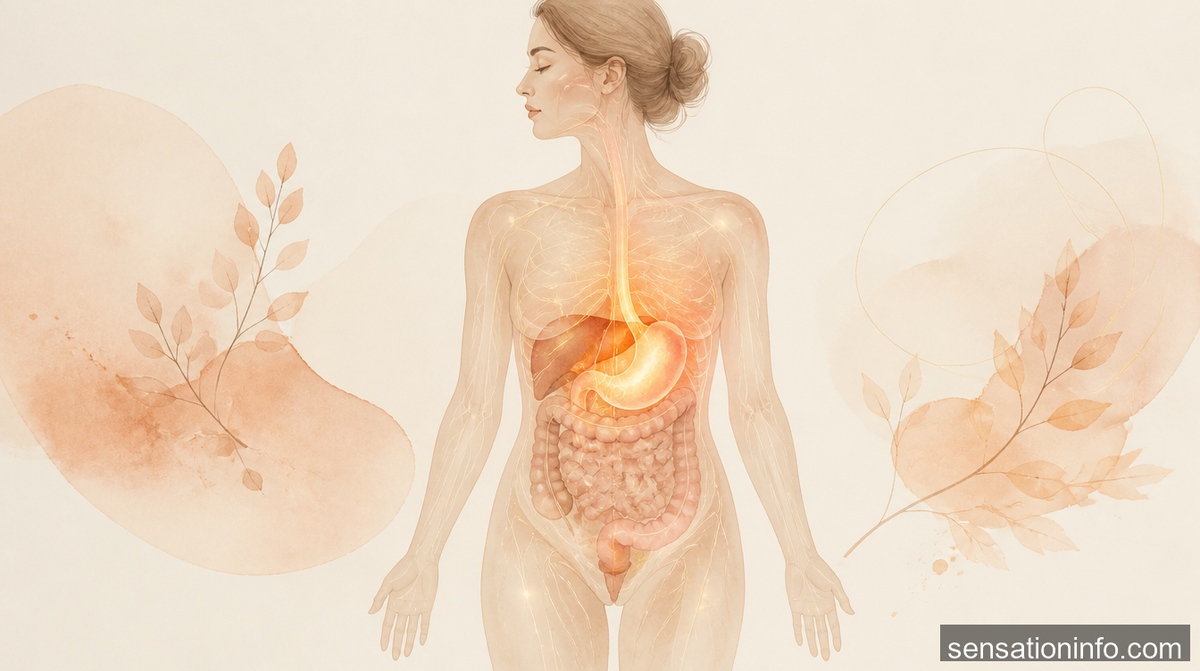

Understanding the Issue
As a medical professional, I’ve encountered numerous patients complaining of a burning sensation in their stomach. This symptom can be quite distressing and may interfere with daily activities. I recall one of my patients who experienced persistent stomach burning, which turned out to be a symptom of a underlying condition that required immediate attention. It’s essential to address this issue promptly to prevent further complications. In this article, I’ll guide you through the possible causes, symptoms, and effective ways to relieve a burning sensation in the stomach.
The burning sensation in the stomach is often associated with acid reflux, also known as gastroesophageal reflux disease (GERD). However, it can also be a symptom of other conditions, such as stomach ulcers, inflammation, or infections. As someone who has dealt with this issue firsthand, I understand the importance of seeking medical attention if the symptoms persist or worsen over time. I’ve seen many patients who have successfully managed their symptoms by making lifestyle changes and using over-the-counter medications.
To better understand the burning sensation in the stomach, it’s crucial to identify the underlying causes. I’ll share my expertise and provide you with a comprehensive guide on how to relieve this discomfort. From calm-the-gut steps to home remedies, I’ll cover all aspects of this topic to help you find relief. My goal is to empower you with the knowledge and tools necessary to manage your symptoms effectively.
Quick-Answer Box
If you’re experiencing a burning sensation in your stomach, here’s a quick summary of what you can do:
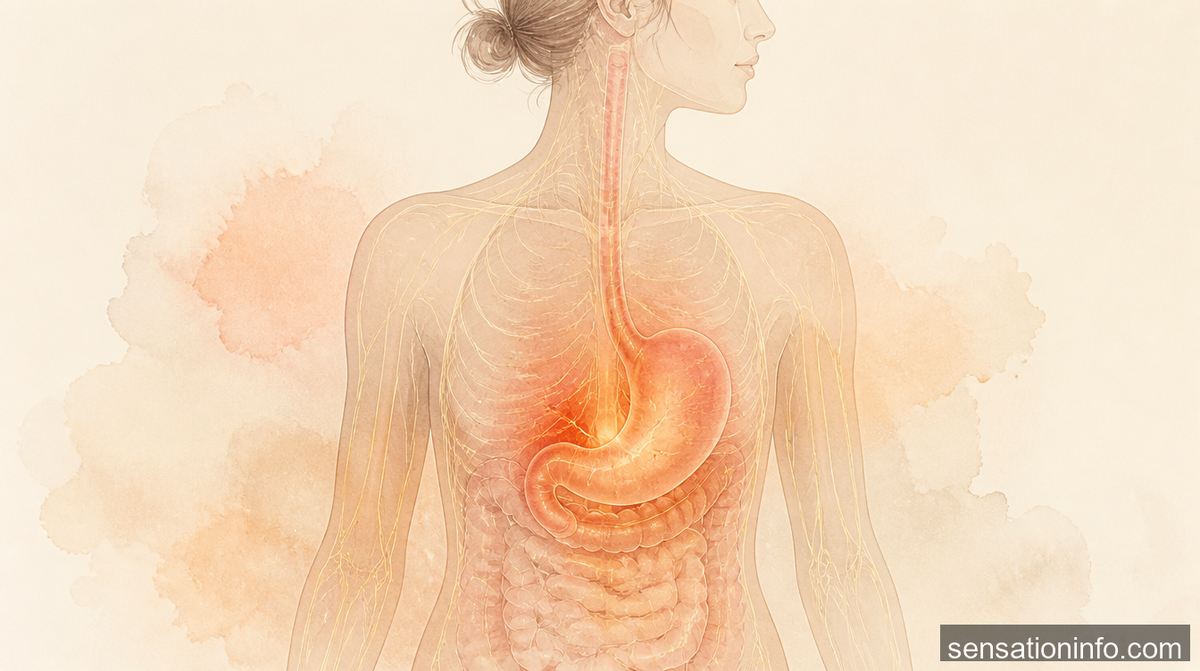
- Stay hydrated: Drink plenty of water to help neutralize stomach acid.
- Avoid triggers: Identify and avoid foods that trigger your symptoms, such as spicy, fatty, or acidic foods.
- Elevate your head: Sleep with your head elevated to reduce acid reflux.
- Try antacids: Over-the-counter antacids can help neutralize stomach acid and provide quick relief.
- Consult a doctor: If your symptoms persist or worsen, consult a doctor to rule out any underlying conditions.
Symptoms Checklist
To determine the cause of your burning sensation, it’s essential to identify other symptoms you may be experiencing. Here’s a checklist to help you:
- Burning sensation in the stomach or chest
- Heartburn
- Bloating
- Nausea
- Vomiting
- Abdominal pain
- Diarrhea
- Constipation
If you’re experiencing any of these symptoms, it’s crucial to seek medical attention to rule out any underlying conditions.
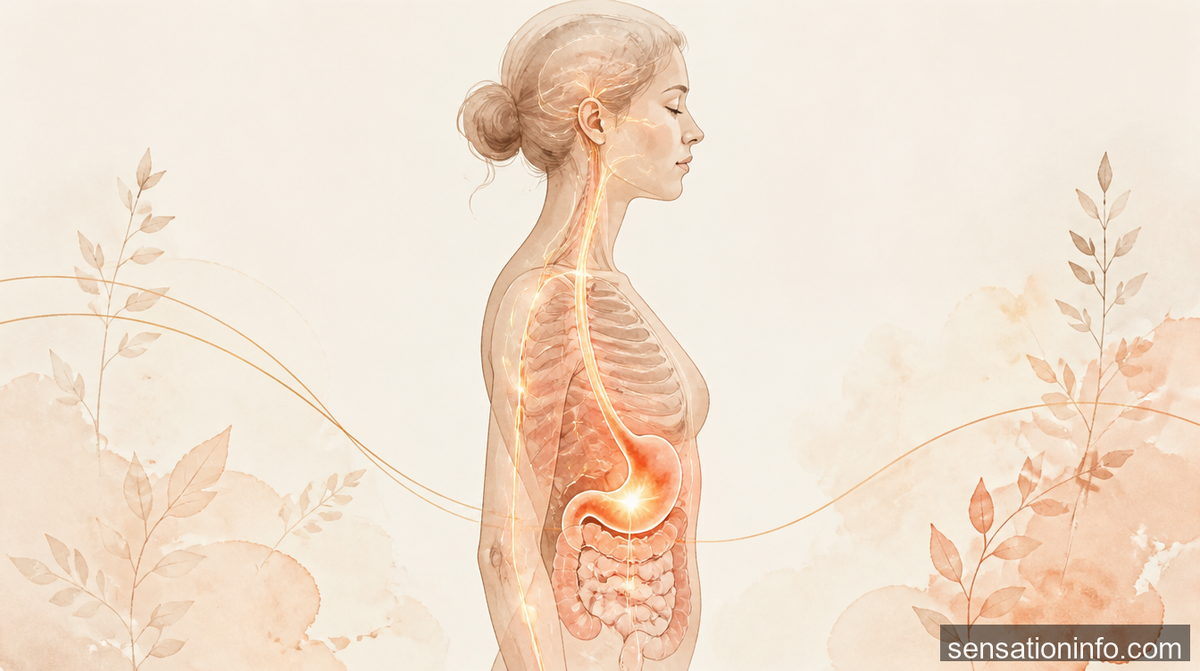
Causes of Burning Sensation in the Stomach
The burning sensation in the stomach can be caused by a variety of factors, including:

- Acid reflux: Stomach acid flowing back up into the esophagus can cause a burning sensation.
- Stomach ulcers: Open sores in the stomach lining can cause burning pain.
- Inflammation: Inflammation of the stomach lining, also known as gastritis, can cause burning discomfort.
- Infections: Bacterial or viral infections can cause stomach burning.
- Food intolerance: Intolerance to certain foods, such as lactose or gluten, can cause stomach burning.
- Medications: Certain medications, such as pain relievers, can cause stomach burning as a side effect.
Step-by-Step Treatment
To relieve a burning sensation in the stomach, follow these steps:
- Identify triggers: Keep a food diary to identify foods that trigger your symptoms.
- Avoid triggers: Avoid foods that trigger your symptoms, such as spicy, fatty, or acidic foods.
- Stay hydrated: Drink plenty of water to help neutralize stomach acid.
- Elevate your head: Sleep with your head elevated to reduce acid reflux.
- Try antacids: Over-the-counter antacids can help neutralize stomach acid and provide quick relief.
- Consult a doctor: If your symptoms persist or worsen, consult a doctor to rule out any underlying conditions.
Home Remedies
In addition to the step-by-step treatment, here are some home remedies that can help relieve a burning sensation in the stomach:
- Ginger: Ginger has natural anti-inflammatory properties that can help reduce inflammation and alleviate symptoms.
- Aloe vera: Aloe vera has anti-inflammatory properties that can help soothe the stomach lining and reduce burning discomfort.
- Yogurt: Yogurt contains probiotics that can help restore the balance of gut bacteria and alleviate symptoms.
- Chamomile tea: Chamomile tea has anti-inflammatory properties that can help calm the stomach and reduce burning discomfort.
Prevention Tips
To prevent a burning sensation in the stomach, follow these tips:
- Eat smaller meals: Eating smaller, more frequent meals can help reduce symptoms.
- Avoid tight clothing: Avoid tight clothing that can put pressure on the stomach and worsen symptoms.
- Manage stress: Stress can exacerbate symptoms, so it’s essential to manage stress through relaxation techniques, such as meditation or deep breathing.
- Get regular exercise: Regular exercise can help improve digestion and reduce symptoms.
Frequently Asked Questions
The common causes of a burning sensation in the stomach include acid reflux, stomach ulcers, inflammation, infections, food intolerance, and medications.
To relieve a burning sensation in the stomach quickly, try antacids, stay hydrated, elevate your head, and avoid triggers.
Some home remedies that can help alleviate symptoms include ginger, aloe vera, yogurt, and chamomile tea.
If your symptoms persist or worsen, consult a doctor to rule out any underlying conditions.
Yes, a burning sensation in the stomach can be a sign of a more serious condition, such as stomach ulcers or inflammation, so it’s essential to seek medical attention if symptoms persist or worsen.
When to See a Doctor
If you’re experiencing any of the following symptoms, it’s essential to consult a doctor:
- Severe abdominal pain
- Vomiting blood or black tarry stools
- Difficulty swallowing
- Hoarseness or wheezing
- Chest pain or pressure
Sources
For more information on relieving a burning sensation in the stomach, consult the following sources:
- National Institute of Diabetes and Digestive and Kidney Diseases (NIDDK)
- American Gastroenterological Association (AGA)
- Mayo Clinic
Diet Triggers
Certain foods can trigger a burning sensation in the stomach, including:
- Spicy foods
- Fatty foods
- Acidic foods, such as citrus fruits or tomatoes
- Dairy products, especially for those with lactose intolerance
- Gluten, especially for those with gluten intolerance
Antacid vs See-Doctor
While antacids can provide quick relief, it’s essential to consult a doctor if symptoms persist or worsen. Antacids can help neutralize stomach acid, but they may not address the underlying cause of the burning sensation. A doctor can help diagnose the underlying condition and provide appropriate treatment.
Final Thoughts
A burning sensation in the stomach can be a distressing symptom, but there are many ways to relieve it. By identifying triggers, avoiding triggers, staying hydrated, elevating your head, and trying antacids, you can alleviate symptoms. Additionally, home remedies such as ginger, aloe vera, yogurt, and chamomile tea can help soothe the stomach and reduce burning discomfort. If symptoms persist or worsen, it’s essential to consult a doctor to rule out any underlying conditions. Remember, I’m committed to providing you with accurate and helpful information to manage your symptoms effectively.
As a medical professional, I understand the importance of seeking medical attention if symptoms persist or worsen. I’ve seen many patients who have successfully managed their symptoms by making lifestyle changes and using over-the-counter medications. However, it’s crucial to remember that a burning sensation in the stomach can be a sign of a more serious condition, so it’s essential to seek medical attention if symptoms persist or worsen. By working together, we can find a solution to alleviate your symptoms and improve your overall health.
Article written by Dr Peeyush Kumawat at Sensationinfo.com