
Introduction to Diabetic Tingling
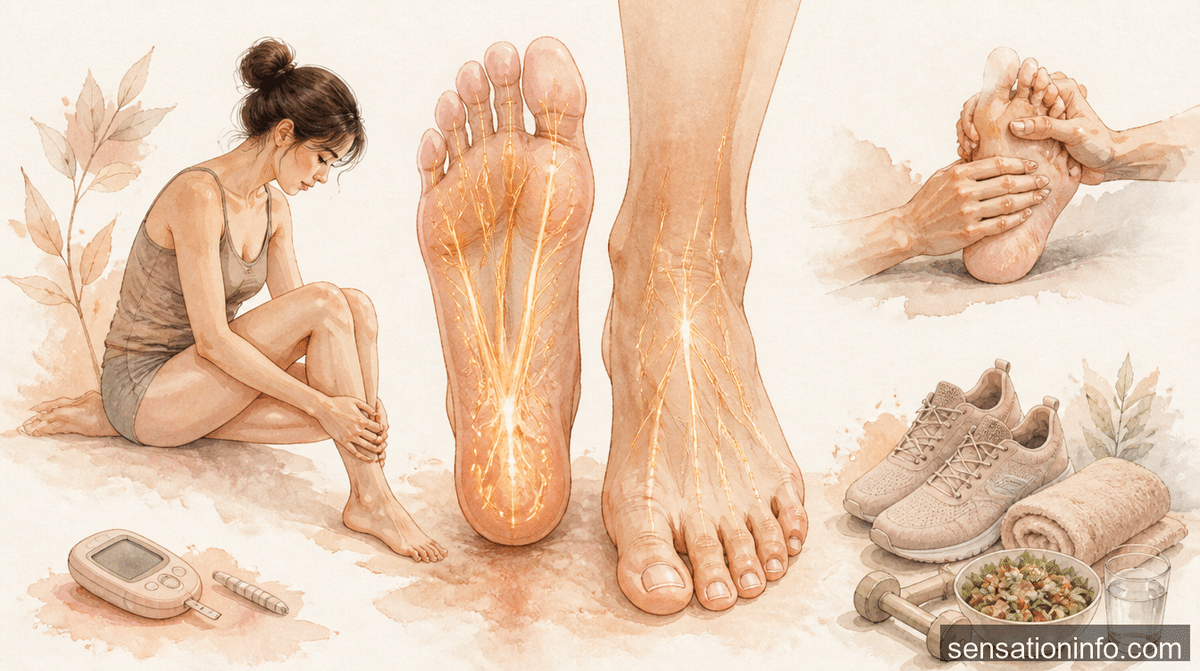
As a medical professional, I’ve seen many patients struggle with the frustrating and sometimes debilitating symptoms of diabetic neuropathy, particularly the tingling sensation in their feet. I understand how this condition can affect daily life, from simple tasks like walking to enjoying leisure activities. If you’re experiencing this, you’re not alone. I’m here to help you understand what’s happening and, more importantly, how to relieve tingling in feet from diabetes.
Diabetes is a complex condition that requires careful management, and one of its complications, diabetic neuropathy, can lead to tingling sensations in the feet. This sensation can range from mild to severe and can significantly impact a person’s quality of life. In this article, I’ll guide you through the steps to relieve diabetic tingling, including blood sugar control, medical reviews, and home remedies.
Understanding the symptoms and causes of diabetic neuropathy is crucial for effective management. A key symptom to watch out for is the tingling sensation, which can be accompanied by numbness, pain, or weakness in the feet. If you’re experiencing any of these symptoms, it’s essential to consult with your healthcare provider for a proper diagnosis and treatment plan.
Quick-Answer Box
If you’re looking for a quick solution to relieve tingling in your feet from diabetes, here’s a concise answer:
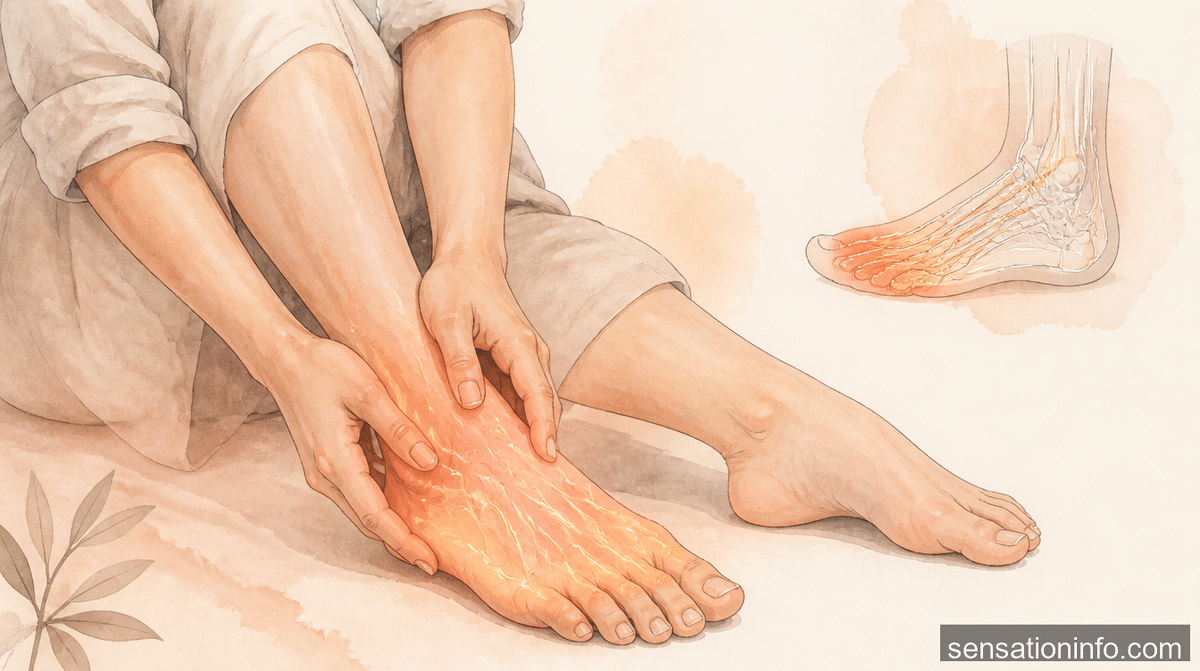
- Control Blood Sugar Levels: Keeping your blood sugar levels within the target range can help prevent further nerve damage.
- Stay Hydrated: Drinking plenty of water helps maintain healthy blood flow.
- Exercise Regularly: Gentle exercises like yoga or short walks can improve circulation.
- Monitor Foot Health: Regularly inspect your feet for any signs of injury or infection.
- Consult Your Doctor: For personalized advice and to discuss any necessary medications or treatments.
Symptoms Checklist
To better understand if you’re experiencing diabetic neuropathy, check the following symptoms:
- Tingling sensations in your feet
- Numbness or reduced sensation in your feet
- Pain or burning sensations in your feet
- Weakness in your feet or legs
- Difficulty walking or standing
If you’re experiencing any of these symptoms, it’s crucial to consult with your healthcare provider.
Causes of Diabetic Tingling
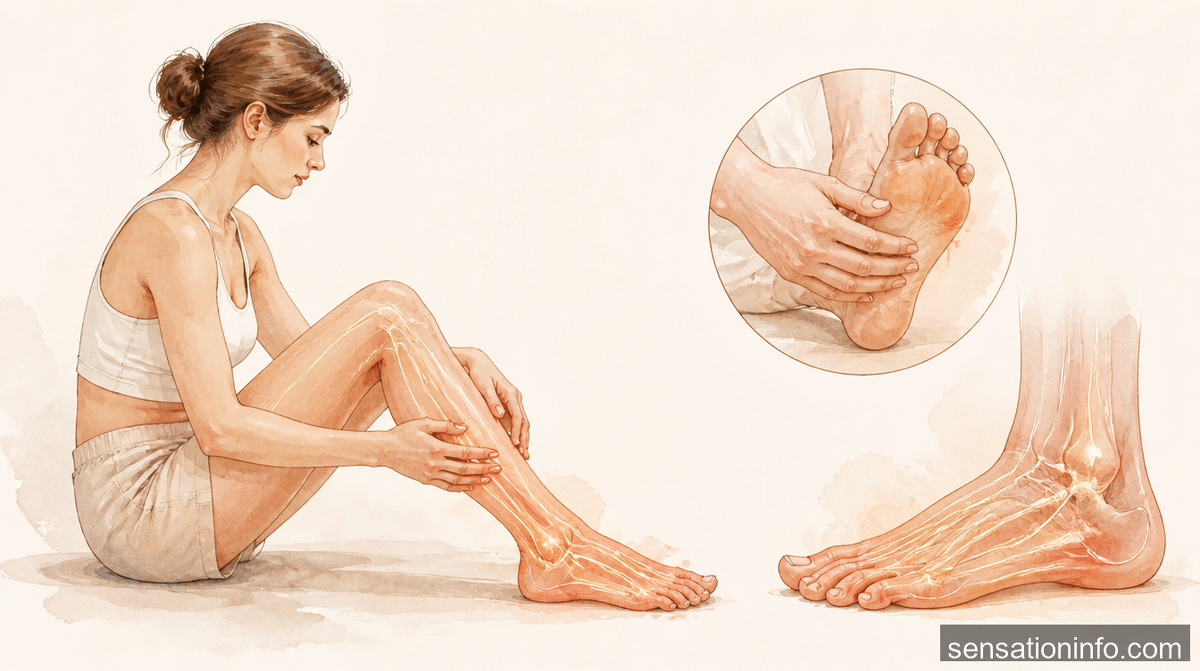
Diabetic neuropathy is primarily caused by high blood sugar levels damaging the nerves over time. This damage can lead to a variety of symptoms, including tingling, numbness, and pain in the feet. Other factors that can contribute to neuropathy include:
- High blood pressure
- High cholesterol
- Smoking
- Being overweight
Understanding the causes can help you take proactive steps towards managing and relieving your symptoms.

Step-by-Step Treatment
Treating diabetic neuropathy involves a combination of lifestyle changes and medical interventions. Here’s a step-by-step guide:
- Blood Sugar Control: The first step in managing diabetic neuropathy is to keep your blood sugar levels under control. This involves monitoring your levels regularly, taking your medications as prescribed, and making necessary dietary changes.
- Medications: Your doctor may prescribe medications to help manage the symptoms of neuropathy, such as pain relievers or medications that specifically target nerve damage.
- Lifestyle Changes: Regular exercise, a healthy diet, and staying hydrated can all contribute to improving your symptoms.
- Foot Care: Regularly inspecting your feet and taking care of any cuts or injuries promptly can help prevent infections.
Home Remedies
In addition to medical treatments, there are several home remedies that can help relieve tingling in the feet:
- Cold or Warm Compresses: Applying a cold or warm compress to the affected area can help reduce pain and tingling.
- Massage: Gentle massage can improve blood flow and reduce symptoms.
- Elevation: Elevating your feet above the level of your heart can help reduce swelling and alleviate symptoms.
Prevention Tips
Preventing diabetic neuropathy involves managing your diabetes effectively. Here are some tips:
- Monitor Blood Sugar Levels: Regular monitoring can help you stay on top of your blood sugar levels.
- Maintain a Healthy Diet: Eating a balanced diet can help regulate your blood sugar levels.
- Stay Hydrated: Drinking plenty of water is essential for maintaining healthy blood flow.
- Exercise Regularly: Regular physical activity can help manage blood sugar levels and improve overall health.
FAQ
What are the early signs of diabetic neuropathy?
The early signs of diabetic neuropathy can include tingling, numbness, or pain in the feet. It’s essential to consult with your healthcare provider if you’re experiencing any of these symptoms.
How can I prevent diabetic neuropathy?
Preventing diabetic neuropathy involves managing your diabetes effectively through regular blood sugar monitoring, a healthy diet, staying hydrated, and exercising regularly.
Can diabetic neuropathy be reversed?
While some symptoms of diabetic neuropathy can be managed and potentially improved with treatment, the condition cannot be completely reversed. Early detection and management are key to preventing further nerve damage.
What are the complications of untreated diabetic neuropathy?
Untreated diabetic neuropathy can lead to serious complications, including foot ulcers, infections, and in severe cases, amputation. It’s crucial to seek medical attention if you’re experiencing any symptoms.
How often should I see my doctor if I have diabetic neuropathy?
If you have diabetic neuropathy, it’s essential to see your doctor regularly for check-ups and to monitor your condition. The frequency of these visits will depend on the severity of your symptoms and your overall health.
When to See a Doctor
If you’re experiencing any symptoms of diabetic neuropathy, it’s essential to consult with your healthcare provider. Additionally, if you notice any of the following, seek medical attention immediately:
- Sudden increase in pain or numbness
- Open sores or wounds on your feet
- Fever or signs of infection
- Difficulty walking or standing
Sources
For more information on diabetic neuropathy and how to manage its symptoms, consult reputable sources such as the American Diabetes Association or the National Institute of Diabetes and Digestive and Kidney Diseases.
Foot-Care Routine
Maintaining a good foot-care routine is essential for managing diabetic neuropathy. This includes:
- Regularly inspecting your feet for any signs of injury or infection
- Keeping your feet clean and dry
- Applying moisturizer to prevent dry skin
- Wearing comfortable, well-fitting shoes
Supplement Guidance
While supplements can be beneficial, it’s essential to consult with your healthcare provider before adding any to your regimen, especially if you’re considering supplements that may interact with your diabetes medications or affect your blood sugar levels.
Final Thoughts
Relieving tingling in feet from diabetes requires a multifaceted approach that includes blood sugar control, lifestyle changes, and medical interventions. By understanding the causes and symptoms of diabetic neuropathy and taking proactive steps towards management, you can improve your quality of life. Remember, early detection and treatment are key to preventing further nerve damage and managing symptoms effectively.
As a final note, I want to emphasize the importance of working closely with your healthcare provider to develop a personalized plan for managing your diabetic neuropathy. With the right approach, you can find relief from the tingling sensations in your feet and maintain a healthy, active lifestyle. Stay informed, stay proactive, and remember that you’re not alone in this journey.
—
Article written by Dr Peeyush Kumawat at Sensationinfo.com