
Understanding Which Sensation Learning: A Comprehensive Guide
As a medical professional, I’ve often encountered patients who struggle to understand their sensory experiences. One concept that can be particularly confusing is which sensation learning. In this article, I’ll delve into the world of sensory perception, exploring what which sensation learning is, how it works, and its significance in our daily lives.
When it comes to our senses, we often take them for granted. We assume that our brains can automatically differentiate between various sensations, such as touch, pressure, and vibration. However, the process of distinguishing between these sensations is more complex than we think. Which sensation learning refers to the ability to identify and discriminate between different sensory stimuli. This concept is crucial in understanding how our brains process sensory information and how we interact with the world around us.
As I’ll explain in this article, which sensation learning is not just a simple matter of recognizing different sensations. It involves a complex interplay between our sensory receptors, nervous system, and brain. I’ll break down the science behind which sensation learning, discussing the key players involved and how they work together to help us make sense of our sensory experiences. Whether you’re a healthcare professional, a student, or simply someone interested in learning more about the human body, this article aims to provide a comprehensive overview of which sensation learning and its importance in our lives.
What is Which Sensation Learning?
Which sensation learning is a type of sensory perception that allows us to distinguish between different sensory stimuli. It’s the ability to identify and recognize specific sensations, such as the feeling of touch, pressure, or vibration. This concept is essential in understanding how our brains process sensory information and how we interact with the world around us. When we touch an object, for example, our brains receive a variety of sensory signals that help us determine its texture, shape, and size. Which sensation learning enables us to differentiate between these signals, allowing us to recognize the object and understand its properties.
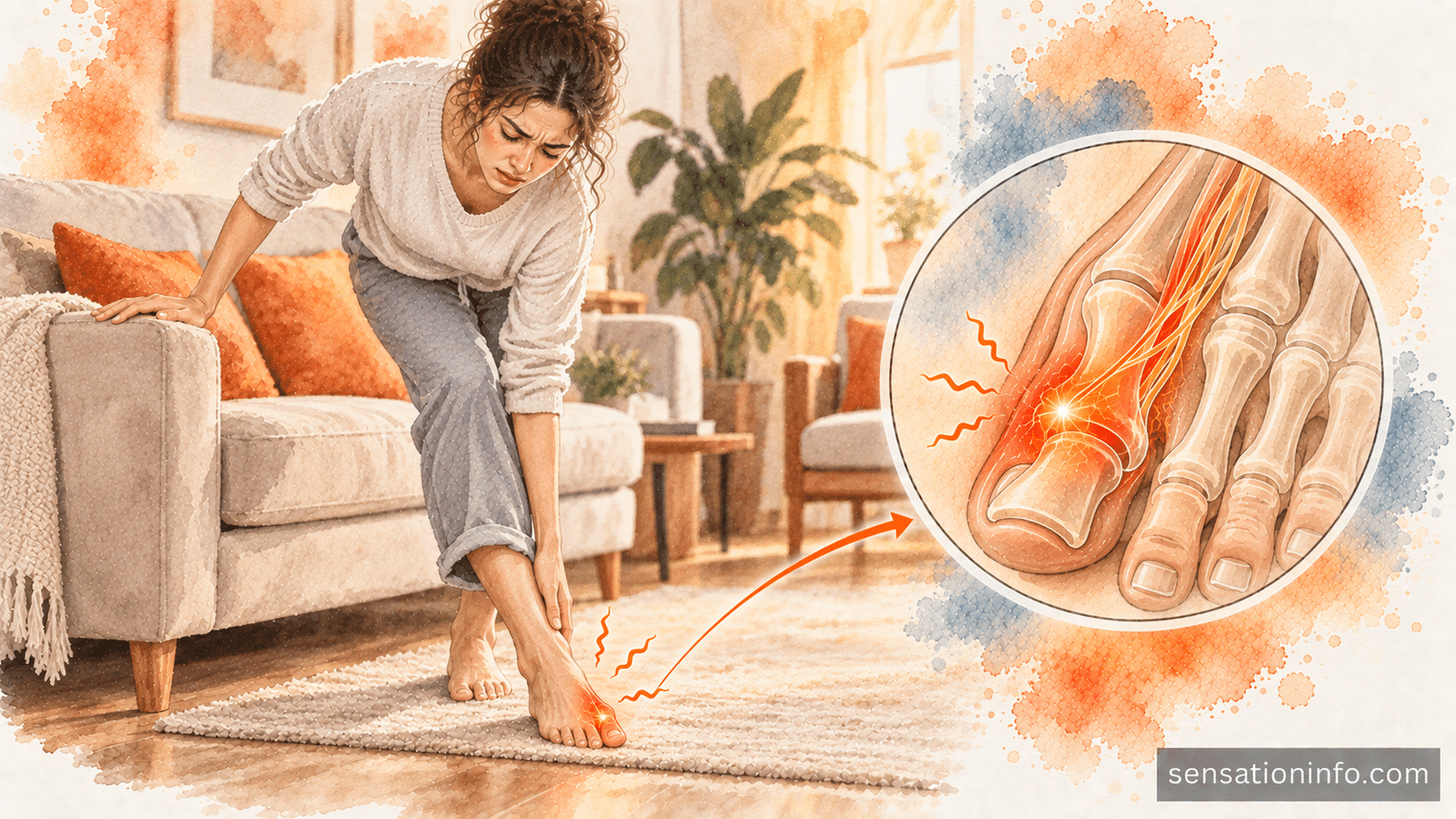
As a medical professional, I’ve seen patients who struggle with which sensation learning due to various conditions, such as nerve damage or neurological disorders. These individuals may have difficulty distinguishing between different sensations, leading to confusion and disorientation. For instance, a patient with nerve damage in their hand may have trouble telling the difference between a gentle touch and a firm pressure. This can make everyday activities, such as buttoning a shirt or holding a pen, extremely challenging. By understanding which sensation learning, we can better appreciate the complexities of sensory perception and develop more effective treatments for individuals with sensory disorders.
How Does Which Sensation Learning Work?
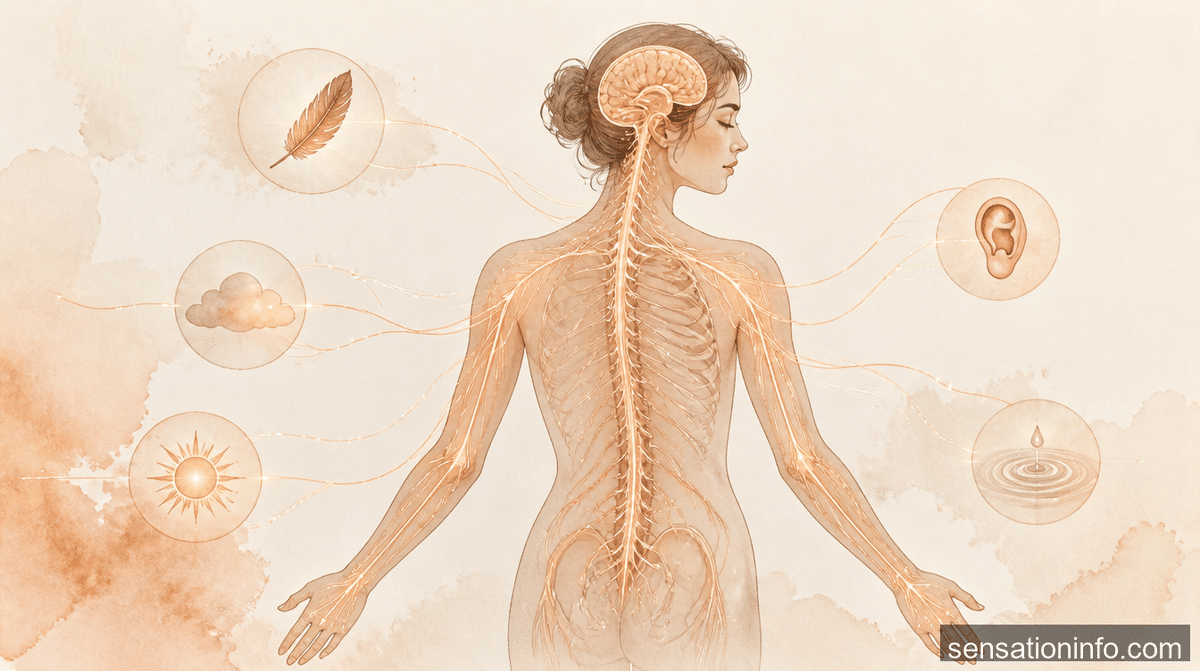
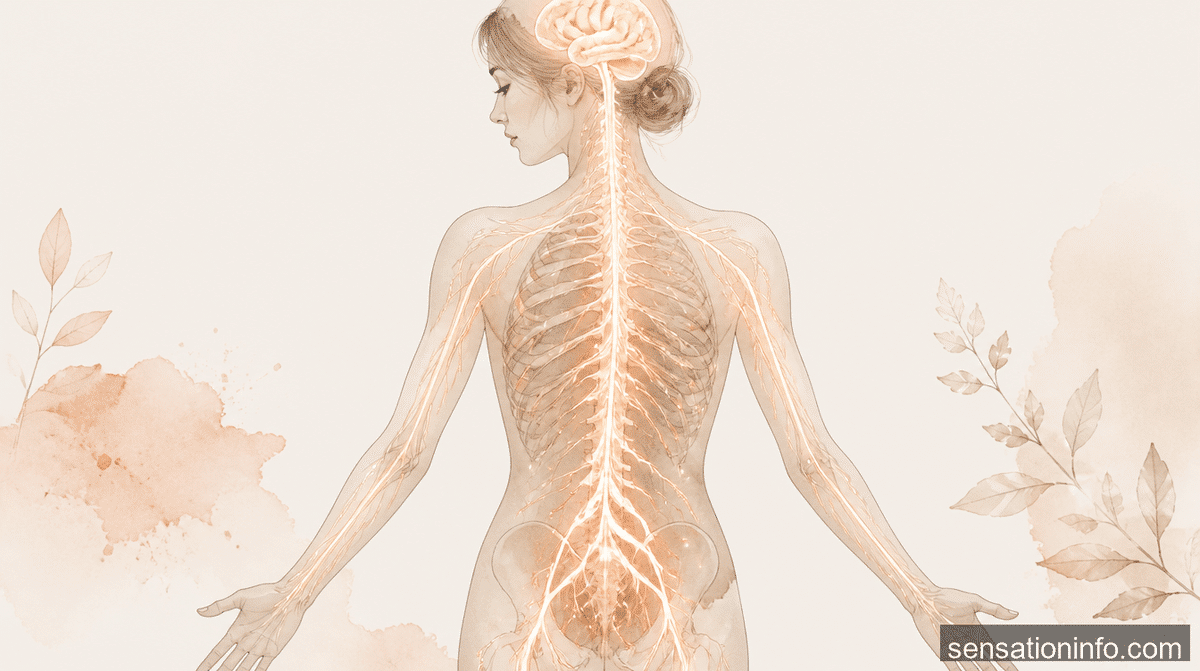
So, how does which sensation learning work? The process involves a complex interplay between our sensory receptors, nervous system, and brain. When we come into contact with an object, our sensory receptors, such as mechanoreceptors in the skin, detect the sensation and send signals to the nervous system. The nervous system then transmits these signals to the brain, where they’re processed and interpreted. The brain uses this information to create a perception of the object, including its texture, shape, and size.
One of the key players in which sensation learning is the primary somatosensory cortex, a region in the brain responsible for processing sensory information from the body. The primary somatosensory cortex receives signals from the nervous system and uses them to create a map of the body, allowing us to localize sensations and understand their intensity and duration. This region of the brain is essential for which sensation learning, as it enables us to distinguish between different sensations and recognize specific patterns.

The Importance of Which Sensation Learning
Which sensation learning is essential for our daily lives. It enables us to interact with the world around us, recognize objects, and understand their properties. Without which sensation learning, we would struggle to perform even the simplest tasks, such as dressing, eating, or walking. This concept is also crucial for our safety and well-being, as it allows us to detect potential hazards, such as sharp objects or hot surfaces.
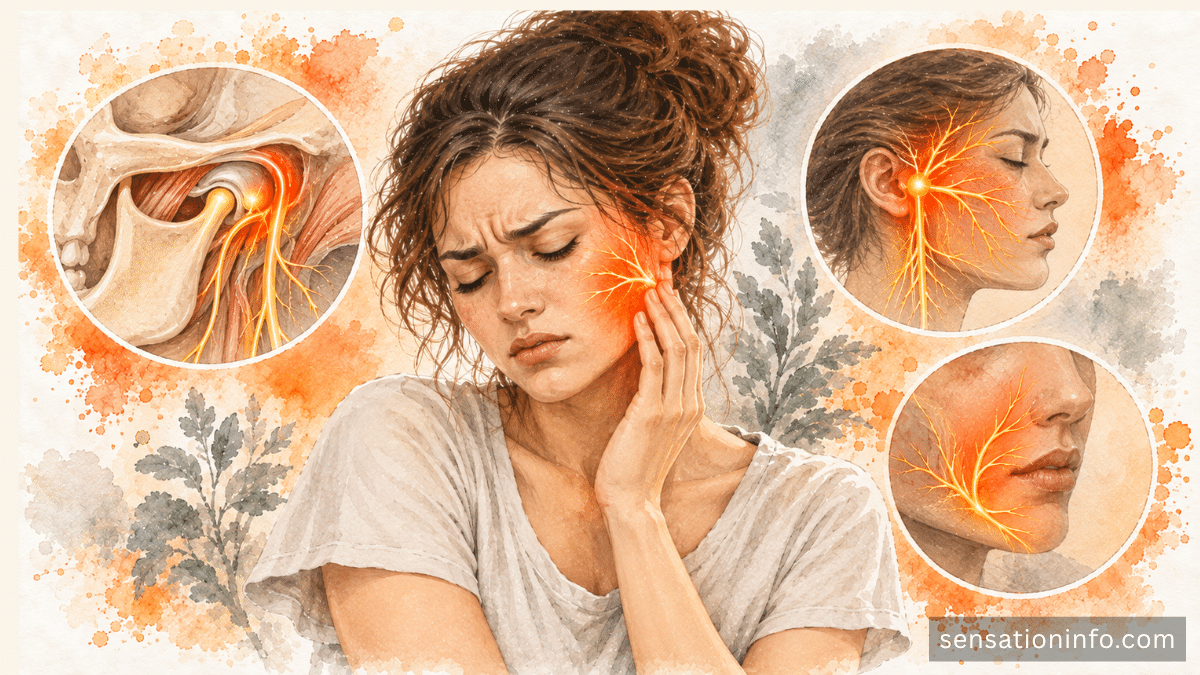
As a medical professional, I’ve seen the impact of impaired which sensation learning on individuals’ lives. Patients with sensory disorders, such as neuropathy or stroke, may experience significant difficulties with daily activities, leading to frustration and isolation. By understanding which sensation learning, we can develop more effective treatments and therapies to help these individuals regain their independence and improve their quality of life.
Conditions That Affect Which Sensation Learning
Several conditions can affect which sensation learning, leading to impaired sensory perception and difficulties with daily activities. Some of these conditions include:
- Neuropathy: A condition characterized by damage to the peripheral nerves, leading to impaired sensory perception and motor function.
- Stroke: A condition that occurs when the blood supply to the brain is interrupted, leading to damage to the brain tissue and impaired sensory perception.
- Multiple sclerosis: A condition that affects the central nervous system, leading to impaired sensory perception and motor function.
- Peripheral nerve injuries: Injuries to the peripheral nerves, such as those caused by trauma or surgery, can lead to impaired sensory perception and motor function.
These conditions can significantly impact an individual’s ability to perform daily activities, leading to frustration and isolation. By understanding which sensation learning and its role in sensory perception, we can develop more effective treatments and therapies to help these individuals regain their independence and improve their quality of life.
Diagnosis and Treatment of Which Sensation Learning Impairments
Diagnosing impairments in which sensation learning can be challenging, as it requires a comprehensive understanding of the sensory system and its functions. Healthcare professionals use a variety of tests and assessments to evaluate an individual’s sensory perception, including:
- Sensory threshold testing: A test that measures an individual’s ability to detect different sensations, such as touch, pressure, and vibration.
- Sensory discrimination testing: A test that measures an individual’s ability to distinguish between different sensations.
- Neurological examinations: A comprehensive examination that evaluates an individual’s neurological function, including their sensory perception and motor function.
Treatment for which sensation learning impairments depends on the underlying condition and its severity. Healthcare professionals may use a variety of therapies, including:
- Sensory rehabilitation: A therapy that aims to improve an individual’s sensory perception and motor function.
- Occupational therapy: A therapy that helps individuals develop the skills they need to perform daily activities.
- Physical therapy: A therapy that helps individuals improve their motor function and mobility.
Frequently Asked Questions
Which sensation learning is the ability to identify and discriminate between different sensory stimuli. It involves a complex interplay between our sensory receptors, nervous system, and brain. When we come into contact with an object, our sensory receptors detect the sensation and send signals to the nervous system, which transmits them to the brain for processing and interpretation.
Yes, which sensation learning can be improved with practice and training. Healthcare professionals use a variety of therapies, including sensory rehabilitation and occupational therapy, to help individuals develop their sensory perception and motor function. By practicing and training, individuals can improve their ability to distinguish between different sensations and recognize specific patterns.
Impaired which sensation learning can have significant consequences, including difficulties with daily activities, frustration, and isolation. Individuals with impaired which sensation learning may struggle to perform even the simplest tasks, such as dressing, eating, or walking. This can lead to a decrease in their quality of life and independence.
There are several ways to protect your sensory perception and prevent impairments in which sensation learning. Maintaining a healthy lifestyle, including a balanced diet and regular exercise, can help support your sensory system. Avoiding certain conditions, such as diabetes and high blood pressure, can also help prevent impairments in which sensation learning.
Yes, which sensation learning can be affected by age. As we age, our sensory receptors and nervous system can become less sensitive, leading to impaired sensory perception. This can make it more difficult to distinguish between different sensations and recognize specific patterns. However, with practice and training, older adults can improve their sensory perception and maintain their independence.
Final Thoughts
In conclusion, which sensation learning is a complex and fascinating topic that plays a crucial role in our daily lives. By understanding how our brains process sensory information and how we interact with the world around us, we can appreciate the importance of this concept and its significance in our lives. As a medical professional, I hope that this article has provided you with a comprehensive overview of which sensation learning and its role in sensory perception. Whether you’re a healthcare professional, a student, or simply someone interested in learning more about the human body, I encourage you to continue exploring this topic and its many applications.
As we move forward in our understanding of which sensation learning, it’s essential to remember that this concept is not just a simple matter of recognizing different sensations. It involves a complex interplay between our sensory receptors, nervous system, and brain, and it plays a critical role in our ability to interact with the world around us. By continuing to research and learn more about which sensation learning, we can develop more effective treatments and therapies to help individuals with sensory disorders and improve their quality of life. Thank you for joining me on this journey into the world of sensory perception, and I look forward to sharing more insights and knowledge with you in the future.