
Introduction to Sensations
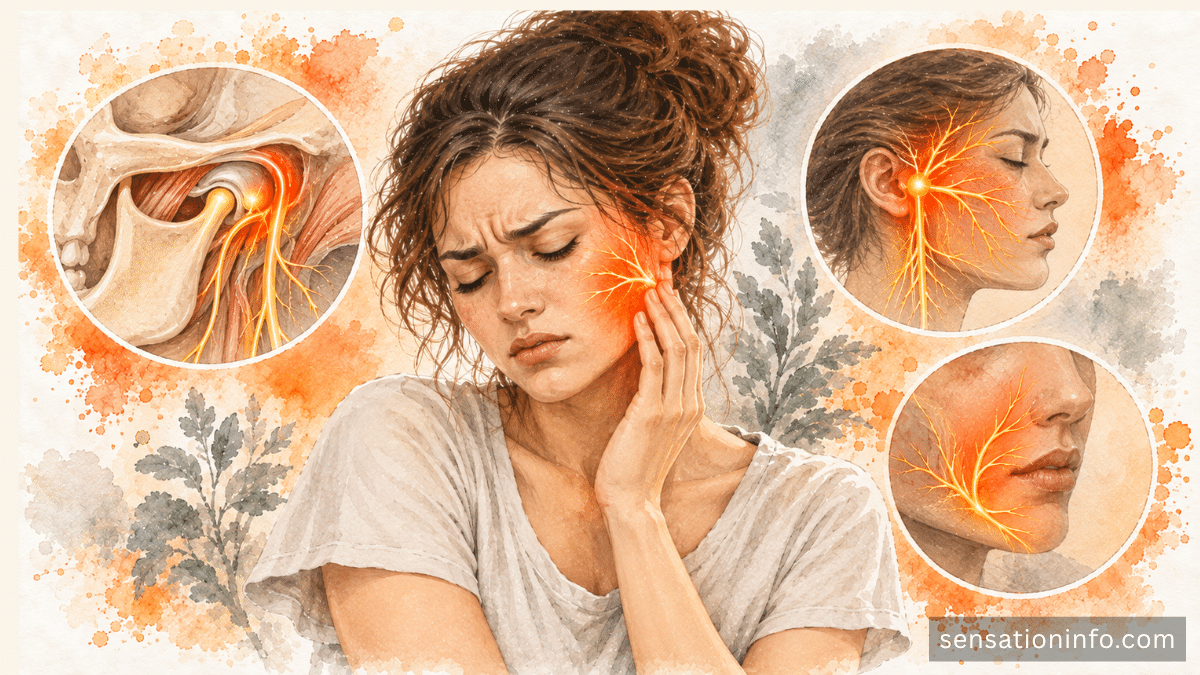
As a medical professional, I’ve always been fascinated by the complex world of human sensations. The way we perceive and interpret sensory information is crucial to our daily lives, and it’s astonishing how much we take it for granted. When learning about sensation, it’s essential to understand the intricacies of our nervous system and how it processes the vast amount of data we receive from our environment. In this article, I’ll delve into the realm of sensations, exploring the various types, their underlying mechanisms, and what we can learn from them.
When I first started studying sensations, I was struck by the sheer complexity of the human sensory system. From the moment we’re born, our senses are constantly bombarded with information, and it’s up to our brain to interpret and make sense of it all. As we grow and develop, our understanding of sensations evolves, and we begin to appreciate the subtle nuances that distinguish one sensation from another. Whether it’s the feeling of warmth on our skin or the sound of music in our ears, sensations play a vital role in shaping our experiences and perceptions.
As I began to explore the world of sensations, I realized that there’s still so much to learn and discover. Despite the significant advances in medical science, there’s still a lot we don’t understand about the human sensory system. By studying sensations, we can gain valuable insights into the workings of our brain and nervous system, which can, in turn, help us develop new treatments and therapies for sensory disorders. In this article, I’ll share my knowledge and expertise, providing an in-depth look at the fascinating world of sensations and what we can learn from them.
The Science of Sensations
Sensations are the raw data that our brain uses to create our perception of the world. They’re the building blocks of our experiences, and without them, we wouldn’t be able to interact with our environment. There are several types of sensations, each with its unique characteristics and underlying mechanisms. The most common types of sensations include touch, temperature, pain, vibration, and proprioception (the sense of body position and movement).
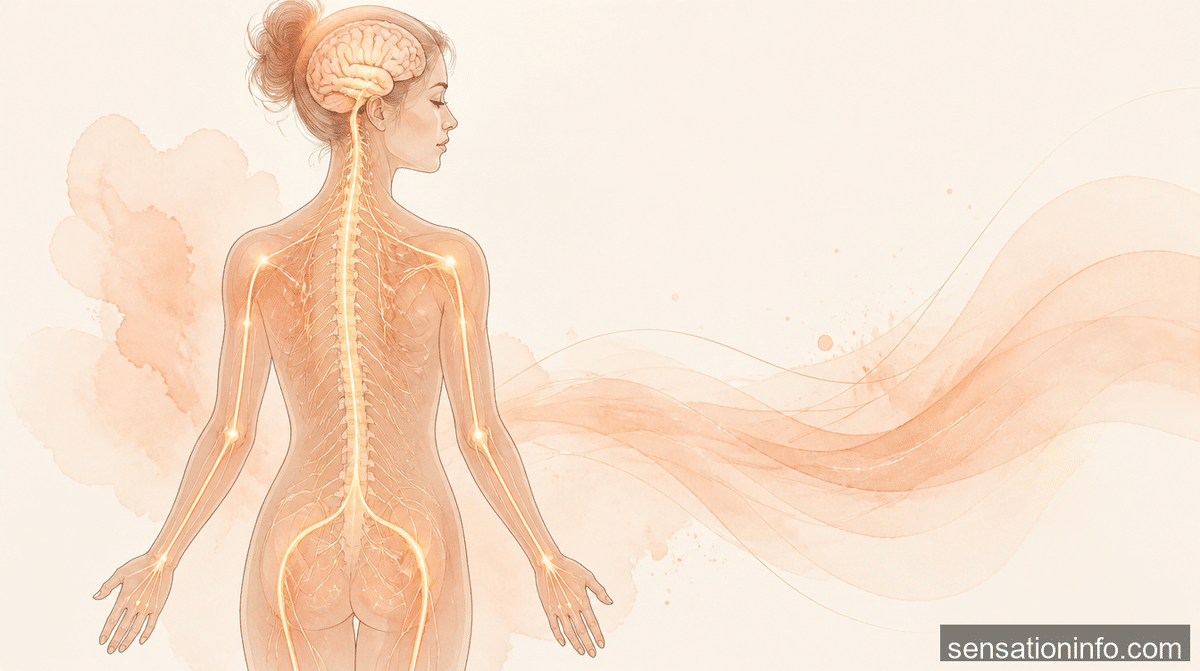
When learning about sensation, it’s essential to understand how our nervous system processes sensory information. The process begins with sensory receptors, specialized cells that detect changes in our environment and transmit signals to our brain. These signals are then interpreted and integrated with other sensory information to create our perception of the world. For example, when we touch a hot surface, sensory receptors in our skin detect the heat and send a signal to our brain, which interprets it as pain.
I’ve seen many patients who suffer from sensory disorders, and it’s remarkable how much of an impact it can have on their daily lives. By understanding the science behind sensations, we can develop more effective treatments and therapies to help these patients. Whether it’s through medication, physical therapy, or alternative treatments, there are many ways to manage sensory disorders and improve the quality of life for those affected.
The Role of the Brain in Sensations
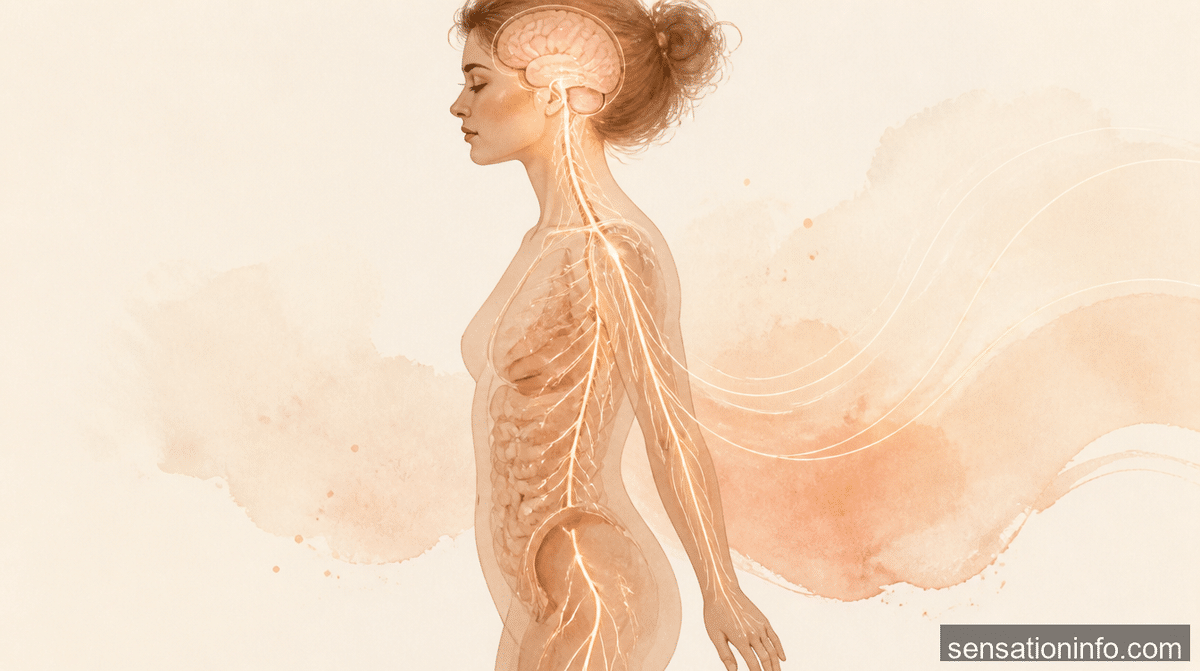
The brain plays a crucial role in processing sensory information and creating our perception of the world. It’s the ultimate interpreter of sensory data, and its functions are incredibly complex. When we receive sensory information, our brain uses past experiences and memories to contextualize it and create meaning. This process is known as sensory integration, and it’s essential for our ability to interact with our environment.
I’ve always been fascinated by the brain’s ability to adapt and change in response to new sensory experiences. This process, known as neuroplasticity, allows our brain to reorganize itself and form new connections between neurons. It’s a remarkable ability that enables us to learn and adapt throughout our lives, and it’s essential for our ability to recover from sensory disorders.
When learning about sensation, it’s essential to understand the role of the brain in processing sensory information. By studying the brain’s functions and mechanisms, we can gain valuable insights into the workings of our nervous system and develop more effective treatments for sensory disorders. Whether it’s through neurofeedback, cognitive therapy, or other forms of treatment, there are many ways to support brain health and improve sensory function.
Types of Sensations
There are several types of sensations, each with its unique characteristics and underlying mechanisms. Touch, for example, is the sensation of pressure or vibration on our skin. It’s mediated by sensory receptors called mechanoreceptors, which detect changes in pressure and send signals to our brain. Temperature, on the other hand, is the sensation of heat or cold, which is mediated by thermoreceptors.
Pain is another type of sensation that’s essential for our survival. It’s the sensation of discomfort or distress, which alerts us to potential harm or injury. Pain is mediated by nociceptors, specialized sensory receptors that detect tissue damage or inflammation. Proprioception, or the sense of body position and movement, is also essential for our ability to interact with our environment. It’s mediated by proprioceptors, which detect changes in muscle length and tension.
I’ve seen many patients who suffer from chronic pain, and it’s remarkable how much of an impact it can have on their daily lives. By understanding the underlying mechanisms of pain, we can develop more effective treatments and therapies to help these patients. Whether it’s through medication, physical therapy, or alternative treatments, there are many ways to manage chronic pain and improve the quality of life for those affected.
Managing Sensory Disorders
Sensory disorders can have a significant impact on our daily lives, and it’s essential to manage them effectively. There are many ways to manage sensory disorders, including medication, physical therapy, and alternative treatments. By understanding the underlying mechanisms of sensory disorders, we can develop more effective treatments and therapies to help patients.
I’ve worked with many patients who suffer from sensory disorders, and it’s remarkable how much of an impact it can have on their daily lives. By providing education and support, we can empower patients to take control of their sensory health and improve their quality of life. Whether it’s through lifestyle changes, therapy, or medication, there are many ways to manage sensory disorders and improve overall health and well-being.
Conclusion and Key Takeaways
In conclusion, sensations play a vital role in shaping our experiences and perceptions. By understanding the science behind sensations, we can develop more effective treatments and therapies for sensory disorders. Whether it’s through medication, physical therapy, or alternative treatments, there are many ways to manage sensory disorders and improve the quality of life for those affected.
As a medical professional, I’ve learned that sensations are complex and multifaceted. By studying the underlying mechanisms of sensations, we can gain valuable insights into the workings of our nervous system and develop more effective treatments for sensory disorders. I hope that this article has provided you with a deeper understanding of sensations and their importance in our daily lives.
Frequently Asked Questions
Sensations are the raw data that our brain uses to create our perception of the world. They’re the building blocks of our experiences, and without them, we wouldn’t be able to interact with our environment. Sensations work by detecting changes in our environment and transmitting signals to our brain, which interprets them and creates our perception of the world.
There are several types of sensations, including touch, temperature, pain, vibration, and proprioception. Each type of sensation has its unique characteristics and underlying mechanisms, and they all play a vital role in shaping our experiences and perceptions.
There are many ways to manage sensory disorders, including medication, physical therapy, and alternative treatments. By understanding the underlying mechanisms of sensory disorders, we can develop more effective treatments and therapies to help patients. It’s essential to work with a healthcare professional to determine the best course of treatment for your specific condition.
The brain plays a crucial role in processing sensory information and creating our perception of the world. It’s the ultimate interpreter of sensory data, and its functions are incredibly complex. The brain uses past experiences and memories to contextualize sensory information and create meaning, which is essential for our ability to interact with our environment.
Final Thoughts and Recommendations
As we conclude this article, I want to emphasize the importance of sensory health. By taking care of our sensory system, we can improve our overall health and well-being. Whether it’s through lifestyle changes, therapy, or medication, there are many ways to support sensory health and manage sensory disorders.
I recommend that readers take the time to learn more about sensations and their importance in our daily lives. By educating ourselves and others, we can raise awareness about sensory disorders and promote better sensory health. Whether it’s through online resources, books, or healthcare professionals, there are many ways to learn more about sensations and their role in our lives.