
Introduction to Sensation Learning
As a medical professional, I’ve always been fascinated by the ways in which our bodies learn and adapt. One concept that has garnered significant attention in recent years is sensation learning. But what exactly is sensation learning, and how does it impact our daily lives? In this article, I’ll delve into the world of sensation learning, exploring its definition, benefits, and applications.
As someone who’s spent years studying and working in the medical field, I’ve seen firsthand the importance of understanding how our bodies process and respond to sensory information. From the way we move and balance to the way we interact with our environment, sensation learning plays a critical role in our overall health and well-being. So, let’s start at the beginning: what is sensation learning, and why is it so important?
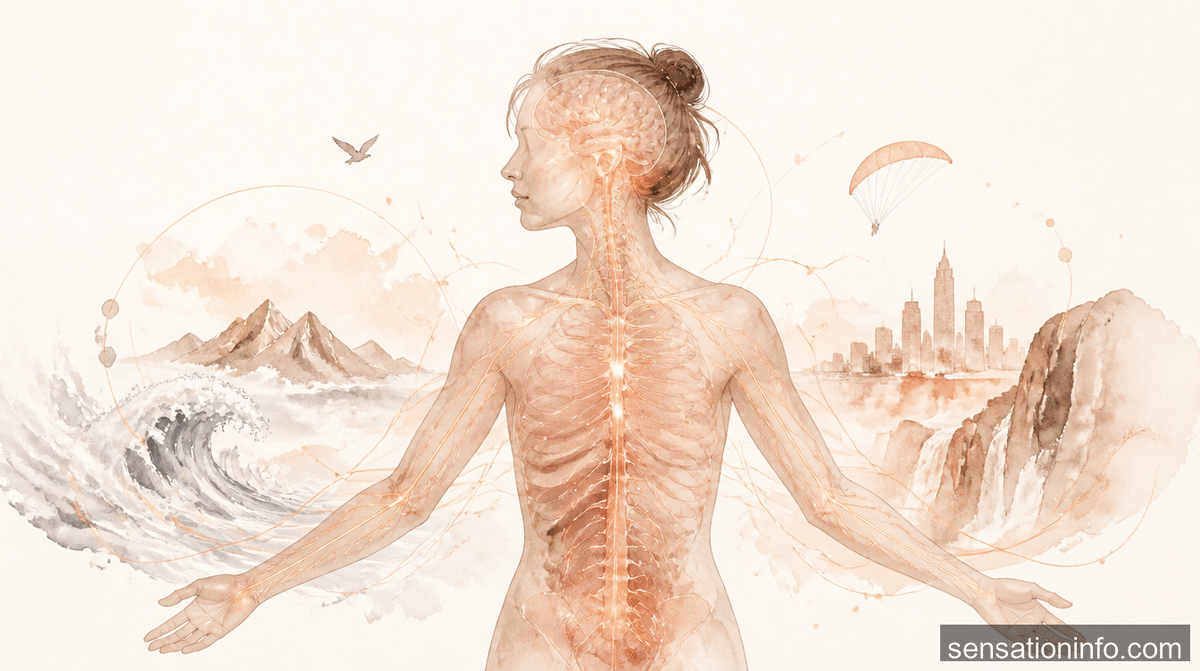
To put it simply, sensation learning refers to the process by which our bodies learn and adapt to new sensations and experiences. This can include everything from learning to walk and balance as a child to recovering from injuries or illnesses as an adult. Our brains are incredibly adept at processing and adapting to new sensory information, and sensation learning is a key part of this process. By understanding how sensation learning works, we can gain a deeper appreciation for the complex and incredibly resilient systems that govern our bodies.
The Science Behind Sensation Learning
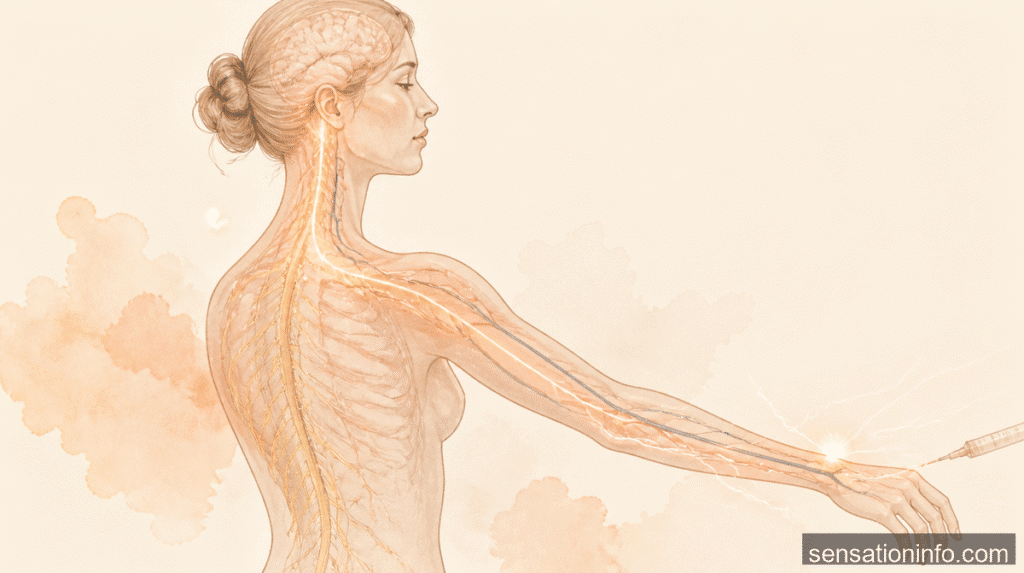
So, how does sensation learning actually work? At its core, sensation learning is a process of neural adaptation, where our brains rewire and reorganize themselves in response to new sensations and experiences. This process is mediated by a complex interplay of sensory receptors, nerve pathways, and brain regions, all working together to help us learn and adapt.
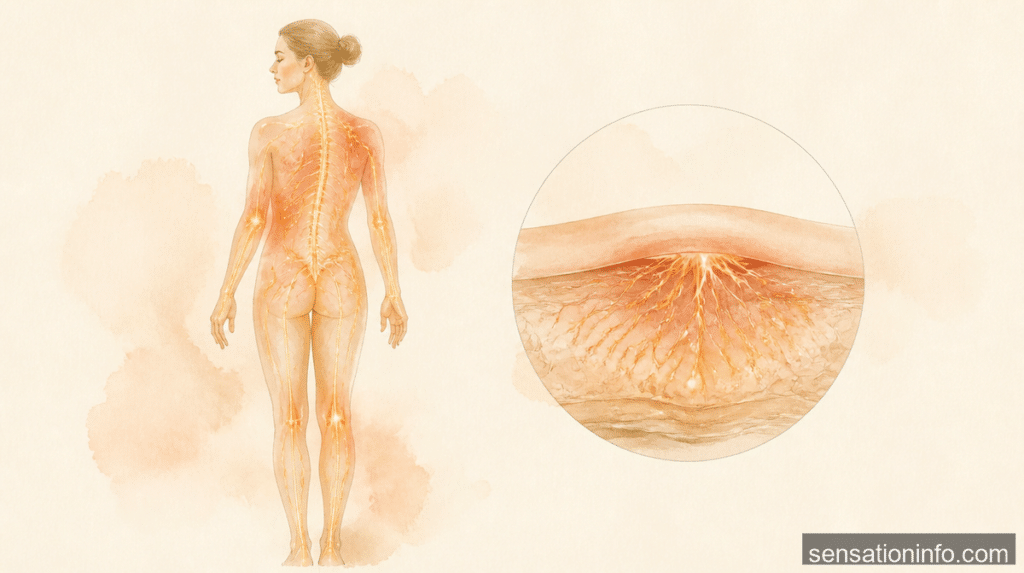
One of the key players in sensation learning is the somatosensory system, which is responsible for processing sensory information from our skin, muscles, and joints. This system includes a range of sensory receptors, from mechanoreceptors that detect movement and pressure to nociceptors that detect pain and discomfort. By integrating information from these receptors, our brains can build a detailed picture of our body and environment, allowing us to move, balance, and interact with the world around us.
But sensation learning isn’t just limited to the somatosensory system. Our brains are also capable of reorganizing and adapting in response to changes in other sensory systems, such as our visual or auditory systems. For example, individuals who are blind or have low vision may develop heightened sensitivity to sound or touch, allowing them to navigate and interact with their environment in new and creative ways.
Benefits of Sensation Learning
So, what are the benefits of sensation learning? One of the most significant advantages is its ability to improve our balance and coordination. By learning to adapt to new sensations and experiences, we can reduce our risk of falls and injuries, making it an essential tool for individuals of all ages.
Sensation learning can also play a critical role in rehabilitation and recovery. For individuals who have experienced injuries or illnesses, sensation learning can help them regain strength, mobility, and function. By relearning and adapting to new sensations and experiences, individuals can overcome challenges and achieve their goals, whether that’s returning to work, participating in sports, or simply enjoying daily activities.
In addition to its physical benefits, sensation learning can also have a profound impact on our mental and emotional well-being. By learning to tune into and respond to our bodily sensations, we can develop greater self-awareness, reduce stress and anxiety, and cultivate a deeper sense of calm and well-being.
Applications of Sensation Learning
So, how can we apply sensation learning in our daily lives? One of the most effective ways is through movement and exercise. Activities like yoga, tai chi, and dance can help us develop greater body awareness, balance, and coordination, while also reducing stress and improving our overall mood.
Another way to apply sensation learning is through mindfulness and meditation. By tuning into our bodily sensations and paying attention to our breath, we can cultivate a deeper sense of calm and relaxation, reducing stress and anxiety while improving our overall well-being.
Sensation learning can also be applied in clinical and therapeutic settings. For example, physical therapists may use sensation learning techniques to help individuals recover from injuries or illnesses, while occupational therapists may use sensation learning to help individuals develop greater independence and self-care skills.
Overcoming Challenges in Sensation Learning
While sensation learning can be a powerful tool for improving our health and well-being, it’s not always easy. One of the biggest challenges is overcoming fear and anxiety, which can make it difficult to tune into and respond to our bodily sensations.
Another challenge is developing greater body awareness, which can take time and practice. By paying attention to our breath, movement, and sensations, we can develop a deeper understanding of our bodies and improve our overall health and well-being.
Finally, sensation learning requires patience and persistence. It’s a process that takes time, effort, and dedication, and it’s not always easy to see progress or results. By staying committed and focused, however, we can overcome challenges and achieve our goals, whether that’s improving our physical health, reducing stress and anxiety, or simply cultivating a deeper sense of calm and well-being.
Frequently Asked Questions
Sensation learning refers to the process by which our bodies learn and adapt to new sensations and experiences. This process is mediated by a complex interplay of sensory receptors, nerve pathways, and brain regions, all working together to help us learn and adapt. By understanding how sensation learning works, we can gain a deeper appreciation for the complex and incredibly resilient systems that govern our bodies.
One of the most effective ways to apply sensation learning is through movement and exercise. Activities like yoga, tai chi, and dance can help us develop greater body awareness, balance, and coordination, while also reducing stress and improving our overall mood. Additionally, mindfulness and meditation can help us tune into our bodily sensations and cultivate a deeper sense of calm and relaxation.
The benefits of sensation learning are numerous and include improved balance and coordination, reduced stress and anxiety, and increased self-awareness. By learning to tune into and respond to our bodily sensations, we can develop a deeper understanding of our bodies and improve our overall health and well-being.
Overcoming challenges in sensation learning requires patience, persistence, and dedication. By staying committed and focused, we can develop greater body awareness, reduce fear and anxiety, and cultivate a deeper sense of calm and well-being. It’s also essential to seek guidance from qualified healthcare professionals, such as physical therapists or occupational therapists, who can provide personalized guidance and support.
Yes, sensation learning can be applied in clinical and therapeutic settings. For example, physical therapists may use sensation learning techniques to help individuals recover from injuries or illnesses, while occupational therapists may use sensation learning to help individuals develop greater independence and self-care skills. By incorporating sensation learning into treatment plans, healthcare professionals can help individuals achieve their goals and improve their overall health and well-being.
Developing greater body awareness through sensation learning requires practice and patience. By paying attention to our breath, movement, and sensations, we can develop a deeper understanding of our bodies and improve our overall health and well-being. Additionally, activities like yoga, tai chi, and mindfulness meditation can help us cultivate greater body awareness and reduce stress and anxiety.
Conclusion
In conclusion, sensation learning is a powerful and complex process that plays a critical role in our overall health and well-being. By understanding how sensation learning works and applying it in our daily lives, we can improve our balance and coordination, reduce stress and anxiety, and cultivate a deeper sense of calm and relaxation.
As a medical professional, I’ve seen firsthand the benefits of sensation learning, and I’m excited to share this knowledge with others. Whether you’re looking to improve your physical health, reduce stress and anxiety, or simply cultivate a deeper sense of self-awareness, sensation learning is an essential tool to have in your toolkit.
So, what’s the next step? I encourage you to start exploring sensation learning today, whether that’s through movement and exercise, mindfulness and meditation, or simply paying attention to your bodily sensations. By tuning into and responding to your body, you can develop greater self-awareness, reduce stress and anxiety, and cultivate a deeper sense of calm and well-being.
Final Thoughts
As I reflect on the concept of sensation learning, I’m reminded of the incredible complexity and resilience of the human body. Our brains are capable of reorganizing and adapting in response to new sensations and experiences, allowing us to learn, grow, and thrive in a wide range of contexts.
By embracing sensation learning and applying it in our daily lives, we can tap into this potential, overcoming challenges and achieving our goals while cultivating a deeper sense of calm, relaxation, and overall well-being. So, take the first step today, and discover the transformative power of sensation learning for yourself.