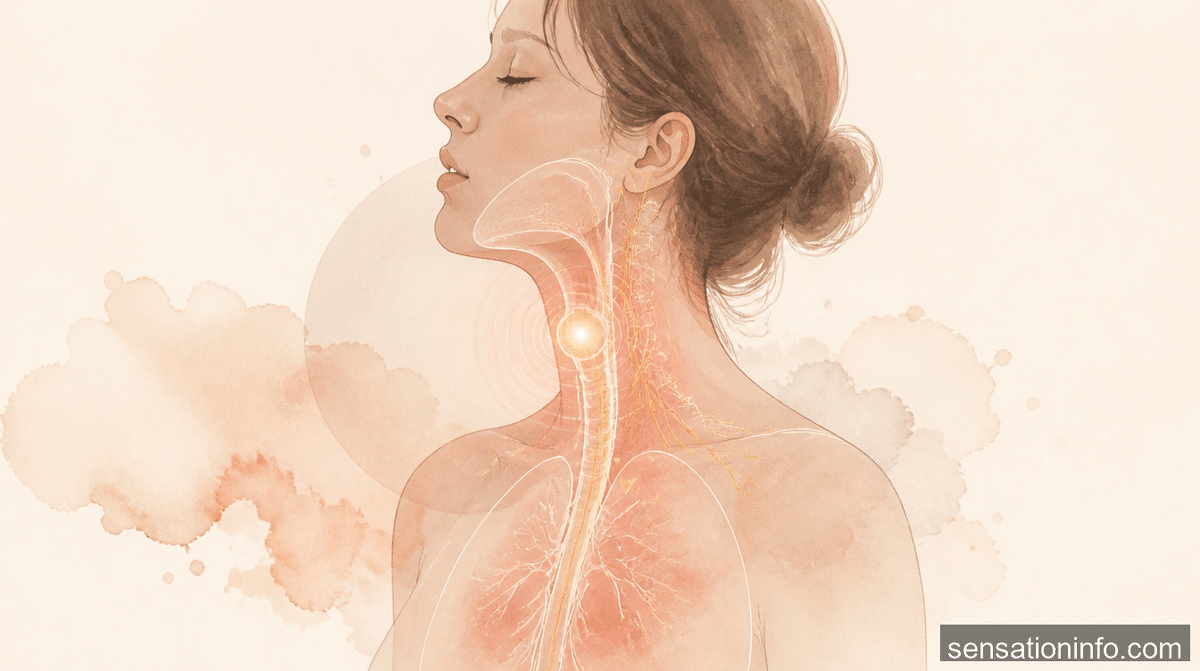

Introduction to Globus Sensation
As I sit here to write about what globus sensation feels like, I am reminded of numerous patients who have walked into my office, describing an uncomfortable, often alarming sensation of having a lump in their throat. This sensation, known as globus sensation or globus pharyngeus, is a common complaint that, despite its frequency, remains somewhat mysterious and can be very distressing for those who experience it. In my practice, I’ve seen how this condition can affect a person’s quality of life, from causing anxiety about eating or speaking to disrupting daily activities due to the constant awareness of this lump-like feeling.
The first time a patient describes this sensation to me, I always listen carefully, trying to decipher the exact nature of their discomfort. The descriptions can vary, but they often include feelings of tightness, a foreign body sensation, or a lump that seems to be stuck in the throat. It’s not uncommon for patients to express concern that this sensation might be a sign of something serious, like cancer. As a medical professional, it’s my role not only to diagnose the cause of their discomfort but also to reassure them about the nature of globus sensation and guide them through the process of finding relief.
Given the emotional and psychological impact that globus sensation can have, it’s essential to approach this condition with compassion and a thorough understanding of its complexities. In this article, I aim to explore what globus sensation feels like, its potential causes, how it’s diagnosed, and most importantly, the steps that can be taken to alleviate this uncomfortable and often distressing sensation.
Understanding Globus Sensation
Globus sensation is characterized by a persistent, non-painful sensation of a lump or foreign body in the throat, without an actual physical obstruction. It’s a condition that can affect anyone, though it’s more commonly reported in women than in men. The sensation itself can be quite vivid and may worsen with swallowing, emotional stress, or even when there’s no apparent reason. Some people describe it as feeling like they have a pill stuck in their throat, while others might compare it to having a tight band around their neck.
One of the challenging aspects of globus sensation is its seemingly inexplicable nature. Patients often report that the sensation comes and goes, sometimes triggered by specific actions or emotions, and other times appearing without any discernible cause. This unpredictability can be as unsettling as the sensation itself, leaving individuals feeling frustrated and seeking a clear explanation for their symptoms.

Causes of Globus Sensation
The causes of globus sensation can be multifactorial, making it a bit complex to pinpoint the exact reason in each case. However, there are several factors that have been commonly associated with this condition. Gastroesophageal reflux disease (GERD) is one of the most recognized causes, where stomach acid flows back into the throat, causing irritation and the sensation of a lump. Other potential causes include thyroid disease, particularly an enlarged thyroid gland, which can press on the esophagus and cause discomfort.
Muscle tension in the neck and throat area, often related to stress, anxiety, or even poor posture, can also contribute to the sensation of a lump in the throat. In some cases, globus sensation might be associated with psychological factors, such as anxiety or depression, where the physical sensation can be a manifestation of internal emotional distress.

Diagnosing Globus Sensation
Diagnosing globus sensation involves a thorough medical evaluation to rule out other conditions that could cause similar symptoms. This typically starts with a detailed medical history and physical examination. The patient’s description of their symptoms, including when they started, any factors that make them better or worse, and any associated symptoms like difficulty swallowing or pain, is critical in guiding the diagnostic process.
Further testing may include endoscopy to visually examine the esophagus and stomach for signs of GERD or other abnormalities, and thyroid function tests to assess for any thyroid issues. Sometimes, a barium swallow study might be recommended to look for any structural problems in the esophagus.

Managing Globus Sensation
While the sensation of a lump in the throat can be distressing, there are several steps that can be taken to manage and alleviate globus sensation. For those with GERD, treating the underlying reflux with lifestyle changes, such as avoiding trigger foods, losing weight if needed, and elevating the head of the bed, along with medication like proton pump inhibitors, can be very effective.
Stress management techniques, including yoga, meditation, or cognitive-behavioral therapy, can help reduce muscle tension in the throat and alleviate psychological contributors to the condition. In some cases, speech therapy may be recommended to help improve swallowing function and reduce the sensation of a foreign body in the throat.
Lifestyle Changes for Relief
Making certain lifestyle changes can provide significant relief from globus sensation. Maintaining good hydration by drinking plenty of water can help keep the mucous membranes in the throat moist and comfortable. Avoiding irritants like tobacco smoke and reducing or avoiding alcohol and caffeine, which can irritate the throat and exacerbate symptoms, is also advisable.
Eating smaller, more frequent meals and avoiding lying down after eating can help reduce symptoms of GERD and subsequent throat discomfort. Practicing relaxation techniques regularly can help manage stress and reduce muscle tension, which can contribute to the sensation of a lump in the throat.
Frequently Asked Questions
The common symptoms of globus sensation include a persistent, non-painful feeling of a lump or foreign body in the throat. This sensation can worsen with swallowing or emotional stress and may feel like having a pill stuck in the throat or a tight band around the neck.
While globus sensation itself is not typically a sign of a serious condition like cancer, it’s essential to have a thorough medical evaluation to rule out other causes of throat discomfort that could be potentially serious. Conditions like GERD or thyroid disease, which can cause globus sensation, need to be identified and treated appropriately.
Diagnosing globus sensation involves a thorough medical history, physical examination, and sometimes additional tests like endoscopy or thyroid function tests to rule out underlying conditions that could be causing the sensation.
Managing globus sensation often involves treating any underlying conditions like GERD, practicing stress management techniques, making lifestyle changes such as avoiding irritants and maintaining good hydration, and in some cases, speech therapy.
While it may not be possible to completely prevent globus sensation, reducing risk factors such as managing stress, maintaining a healthy weight, avoiding irritants like tobacco smoke, and managing conditions like GERD can help reduce the likelihood of experiencing this uncomfortable sensation.
Final Thoughts
As I reflect on the numerous cases of globus sensation I’ve encountered in my practice, it’s clear that each individual’s experience is unique, shaped by a complex interplay of physical, emotional, and psychological factors. Understanding what globus sensation feels like and acknowledging its impact on daily life is crucial for providing compassionate and effective care.
For those experiencing the distressing sensation of a lump in the throat, it’s essential to seek medical evaluation to determine the underlying cause and develop a personalized plan for relief. By combining medical treatment with lifestyle changes and stress management techniques, it’s possible to alleviate the discomfort of globus sensation and improve overall well-being.
In conclusion, globus sensation, though often mysterious and distressing, can be managed with the right approach. It’s a reminder of the intricate relationship between our physical and emotional health and the importance of seeking care that addresses the whole person, not just the symptoms. As a medical professional, my hope is that by shedding light on this condition, we can work together to provide relief, reassurance, and a path towards healing for those affected by globus sensation.
Article written by Dr Peeyush Kumawat at Sensationinfo.com