
Introduction to the Mysterious Wave Sensation
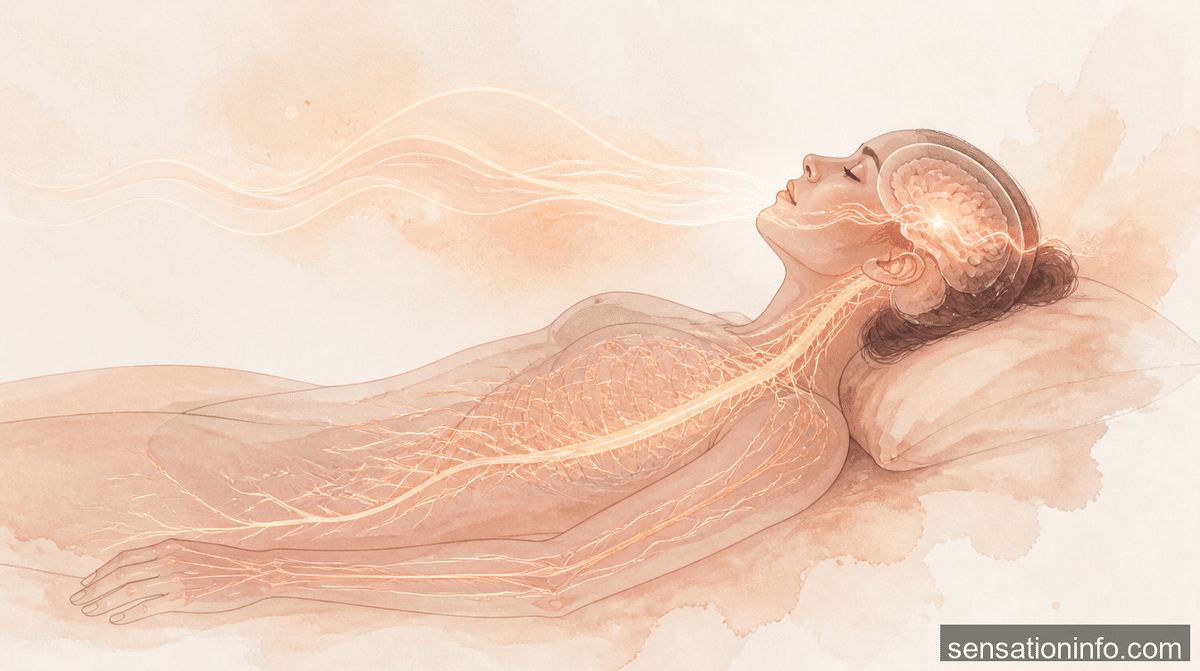
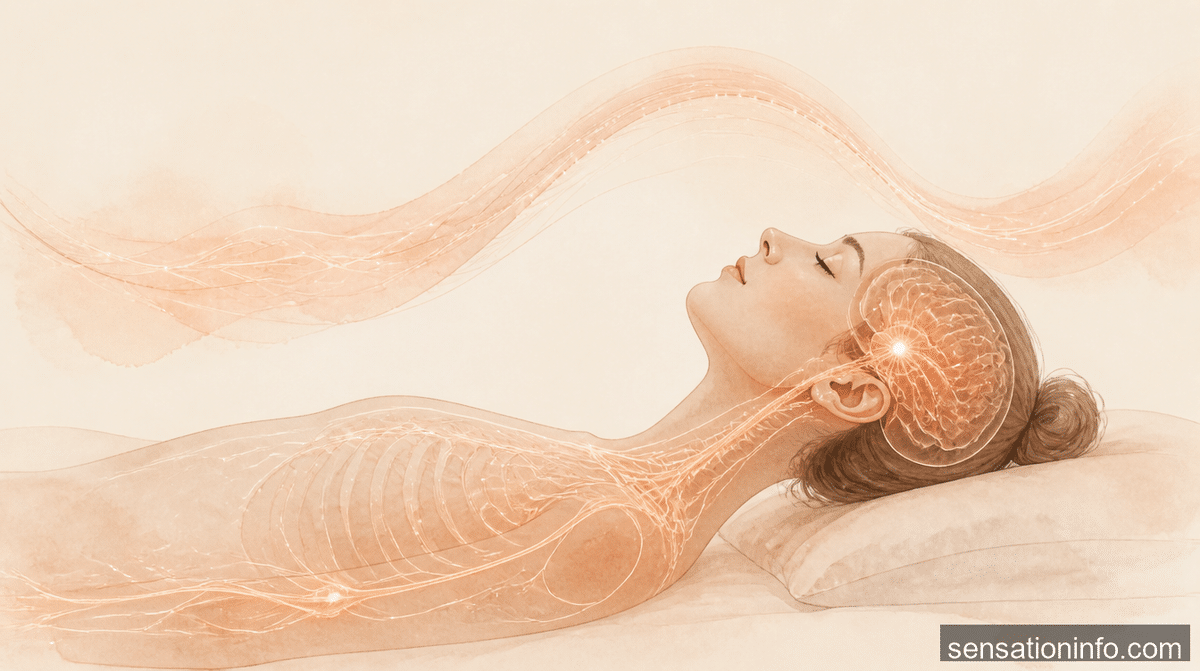
As I sit here, reflecting on my own experiences and those of my patients, I’m reminded of a peculiar sensation that many of us have encountered at some point – a wave sensation in the head when falling asleep. It’s as if a gentle, soothing wave washes over your brain, often making it difficult to discern whether you’re awake or asleep. This sensation can be both intriguing and unsettling, leaving many to wonder what exactly is happening in their brain during these moments.
I’ve had my fair share of curious patients asking about this phenomenon, seeking reassurance that it’s a normal occurrence and not a sign of an underlying neurological issue. As a medical professional, I find it fascinating to explore the various theories and explanations behind this wave sensation. In this article, I aim to delve into the possible causes, effects, and implications of experiencing a wave sensation in the head when falling asleep, providing you with a comprehensive understanding of this phenomenon.
As we navigate the complex world of neuroscience, it’s essential to approach this topic with an open mind and a critical eye. The human brain is a intricate and dynamic system, and there’s still much to be discovered about its functions and behaviors. By examining the existing research and anecdotal evidence, I hope to shed some light on this mysterious wave sensation and help you better understand what’s happening in your brain when you experience it.
The Experience of Wave Sensation
When I talk to patients about their experiences with wave sensation, I’m struck by the diversity of descriptions. Some report feeling a gentle, rolling wave, while others describe it as a intense, pulsating sensation. The common thread, however, is the sensation’s timing – it typically occurs when they’re on the cusp of falling asleep, often when they’re in a state of deep relaxation.
This experience can be disorienting, especially for those who are not familiar with it. The sensation can be so vivid that it becomes difficult to distinguish between being awake and asleep. Some people might even find themselves questioning their perception of reality, wondering if they’re truly asleep or just experiencing a strange, wake-like state.
As a doctor, I’ve noticed that people who experience this wave sensation often have a high level of awareness about their bodily sensations. They might be more attuned to their thoughts, emotions, and physical feelings, which can make them more susceptible to noticing unusual sensations like the wave phenomenon.
Possible Causes of Wave Sensation
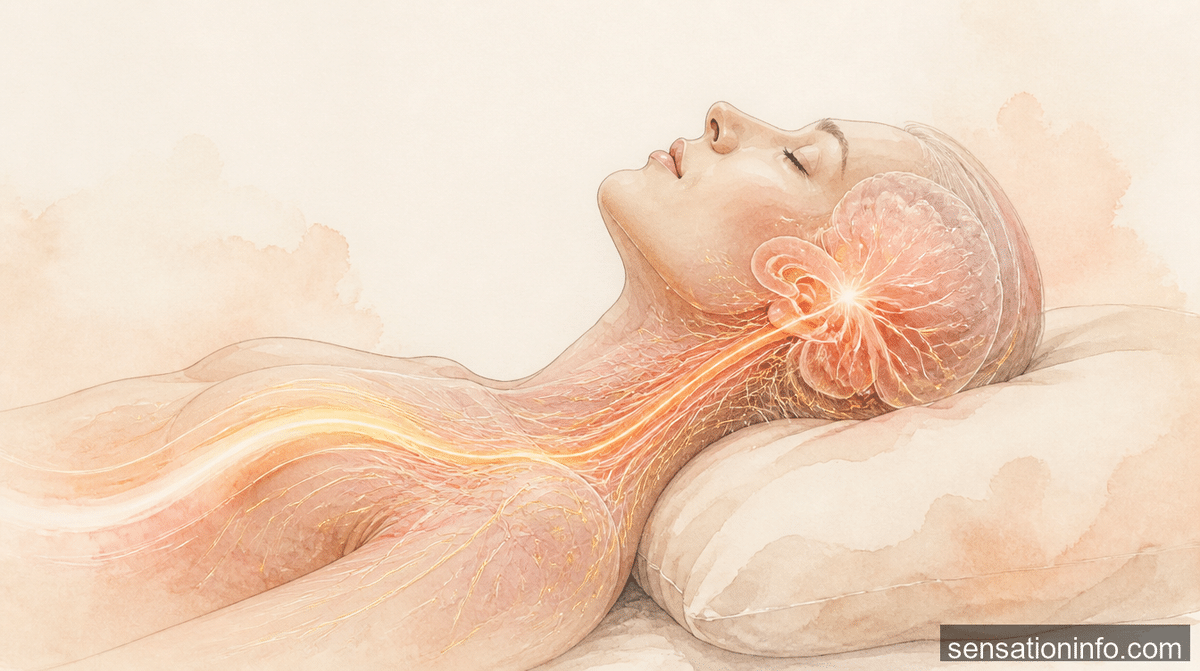
While there’s no single, definitive explanation for the wave sensation in the head when falling asleep, several theories attempt to shed light on this phenomenon. One possibility is that it’s related to the brain’s default mode network (DMN), which is responsible for our internal mental dialogue, self-reflection, and mind-wandering.
When we’re falling asleep, our brain’s activity slows down, and the DMN becomes less active. However, in some cases, the DMN might not shut down completely, leading to a lingering sense of awareness and a wave-like sensation. This could be due to various factors, such as stress, anxiety, or an overactive mind, which can disrupt the normal sleep-wake cycle.
Another theory suggests that the wave sensation might be connected to the brain’s processing of sensory information. When we’re on the verge of sleep, our brain is still processing external stimuli, but at a reduced capacity. This could lead to a distorted perception of our surroundings, resulting in the sensation of waves or other unusual phenomena.
It’s also possible that the wave sensation is related to the release of certain neurotransmitters, such as serotonin or melatonin, which play a crucial role in regulating our sleep-wake cycle. An imbalance or abnormality in these neurotransmitters could contribute to the experience of wave sensations.
Effects and Implications of Wave Sensation
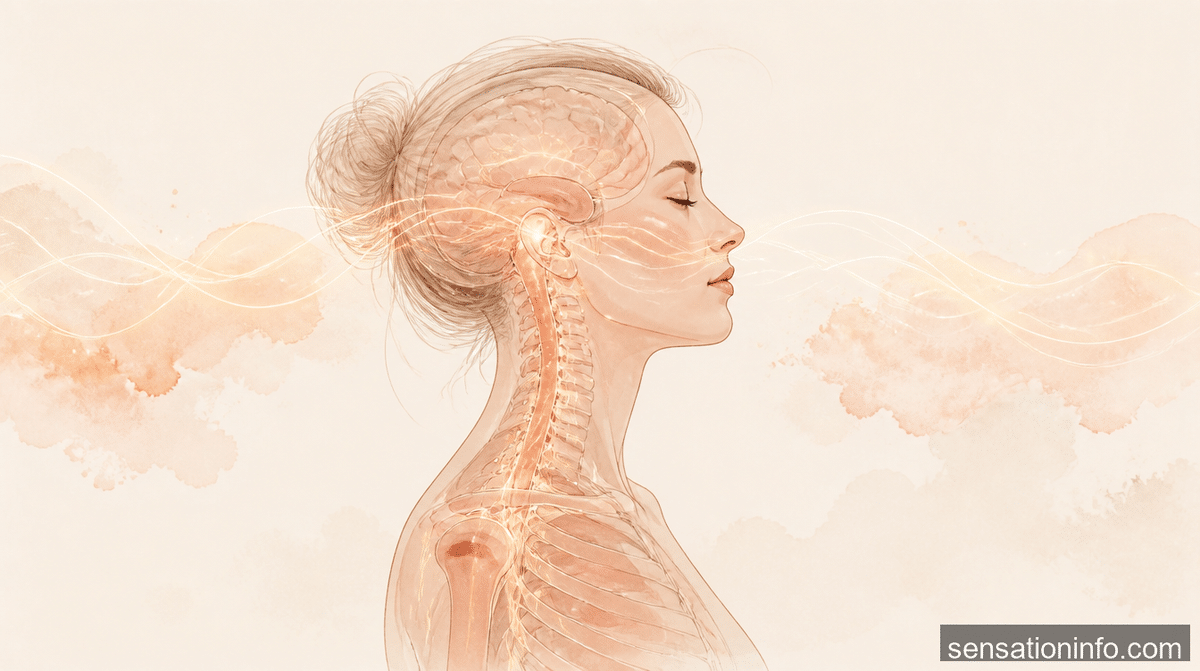
The wave sensation in the head when falling asleep can have various effects on individuals, ranging from mild curiosity to significant distress. For some, it might be a harmless and fascinating experience, while for others, it could be a source of anxiety or fear.
In some cases, the wave sensation might interfere with a person’s ability to fall asleep or stay asleep, leading to sleep disorders or insomnia. This, in turn, can have a ripple effect on overall health and well-being, affecting mood, cognitive function, and physical health.
On the other hand, some people might find that the wave sensation has a positive impact on their sleep quality. By increasing their awareness of their bodily sensations and mental state, they might be able to relax more easily and fall asleep faster.
Frequently Asked Questions
The wave sensation in the head when falling asleep is a phenomenon where people experience a gentle, soothing wave-like sensation in their brain when they’re on the verge of falling asleep. It’s a subjective experience that can be difficult to describe, but it’s often characterized by a sense of relaxation and a blurring of the lines between being awake and asleep.
In most cases, the wave sensation in the head when falling asleep is not a sign of an underlying neurological issue. However, if you’re experiencing persistent or severe wave sensations, it’s essential to consult with a healthcare professional to rule out any potential underlying conditions.
Yes, the wave sensation can be triggered by various factors, such as stress, anxiety, or an overactive mind. Engaging in relaxing activities, such as meditation or deep breathing, might help reduce the frequency or intensity of wave sensations.
To manage the wave sensation and improve your sleep quality, it’s essential to establish a consistent sleep schedule, create a relaxing sleep environment, and engage in stress-reducing activities. Avoiding caffeine, nicotine, and electronic devices before bedtime can also help regulate your sleep-wake cycle.
In most cases, the wave sensation in the head when falling asleep does not have any long-term implications. However, if you’re experiencing persistent or severe wave sensations, it’s crucial to consult with a healthcare professional to rule out any potential underlying conditions that could impact your overall health and well-being.
Final Thoughts
As we explore the mysterious world of wave sensations in the head when falling asleep, it’s essential to remember that everyone’s experience is unique. While there’s no single explanation for this phenomenon, it’s clear that it’s a complex interplay of neurological, psychological, and environmental factors.
If you’re experiencing wave sensations, I encourage you to approach them with an open mind and a curious spirit. By paying attention to your bodily sensations, thoughts, and emotions, you might be able to better understand what’s happening in your brain when you experience these waves.
Remember, it’s essential to prioritize your sleep quality and overall well-being. By establishing a consistent sleep schedule, engaging in relaxing activities, and seeking professional help when needed, you can improve your sleep quality and reduce the frequency or intensity of wave sensations.
As a medical professional, I’m committed to providing you with accurate, reliable, and trustworthy information. If you have any further questions or concerns about wave sensations or any other health-related topics, please don’t hesitate to reach out. Together, let’s explore the fascinating world of neuroscience and work towards a deeper understanding of the human brain and its many mysteries.
In conclusion, the wave sensation in the head when falling asleep is a fascinating phenomenon that warrants further exploration. By examining the possible causes, effects, and implications of this sensation, we can gain a deeper understanding of the complex interplay between our brain, body, and environment. As we continue to navigate the intricate world of neuroscience, I’m confident that we’ll uncover more secrets about the human brain and its many mysteries, ultimately leading to better health, well-being, and a deeper appreciation for the incredible complexity of the human experience.
Article written by Dr Peeyush Kumawat at Sensationinfo.com