
Introduction to Restless Legs Syndrome
As a medical professional, I’ve seen many patients struggle with restless legs syndrome (RLS), a condition characterized by an uncontrollable urge to move your legs, usually due to uncomfortable sensations. It’s a common problem that can significantly impact sleep quality, leaving you feeling tired and irritable. I’ve worked with numerous patients to develop effective strategies for managing restless legs at night, and I’m excited to share my expertise with you.
Restless legs syndrome can be frustrating, especially when it disrupts your sleep patterns. However, there are many ways to manage the condition and improve your overall sleep quality. In this article, I’ll guide you through the process of managing restless legs at night, including bedtime protocols, medical reviews, and home remedies.
Understanding Restless Legs Syndrome
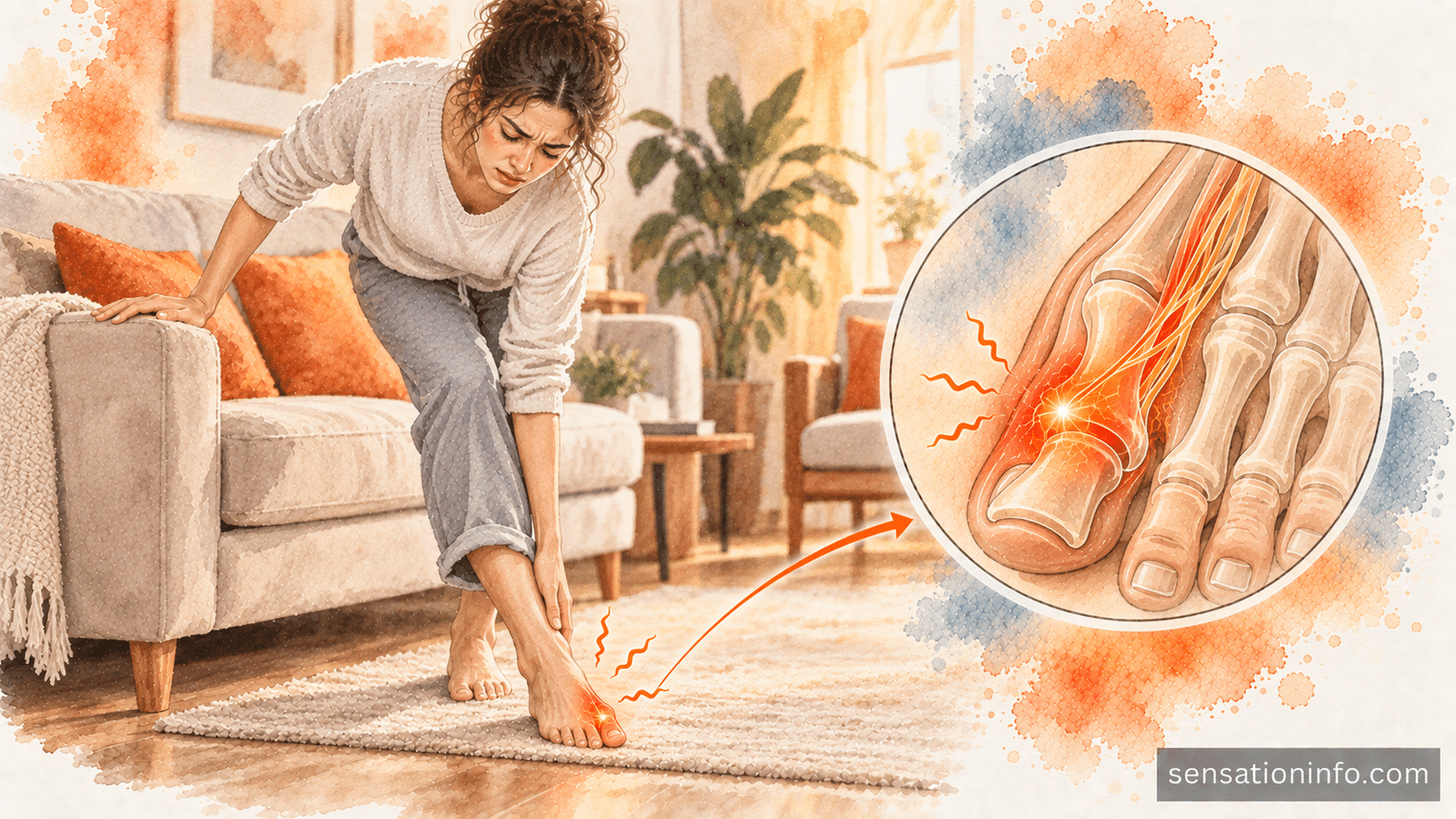
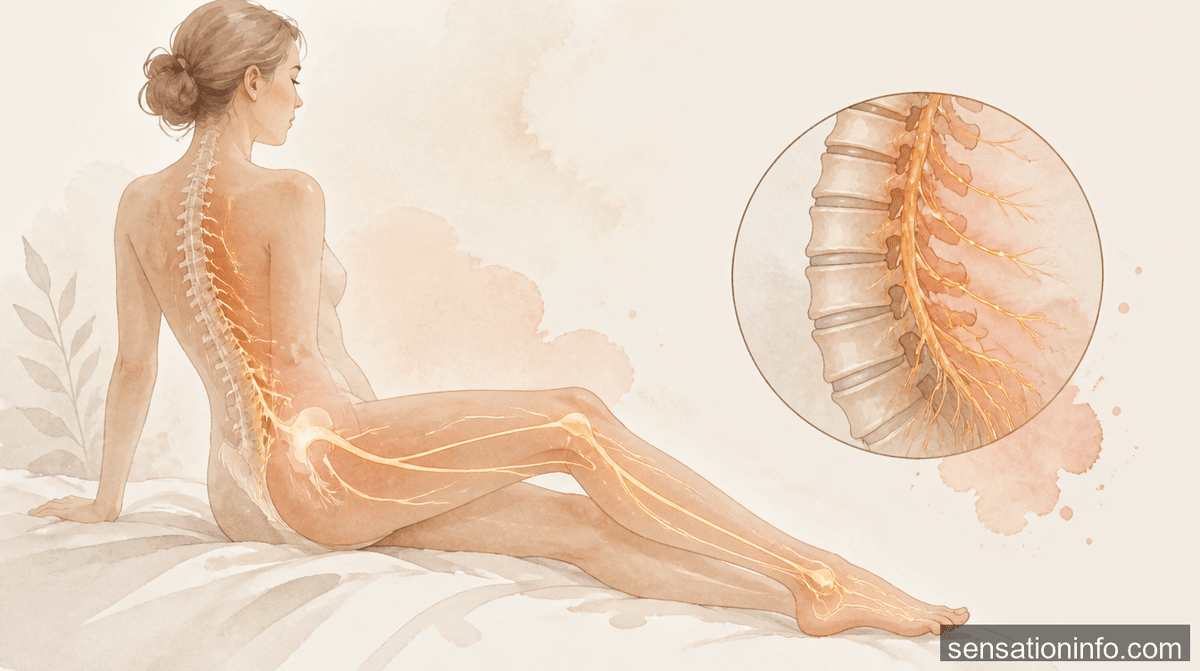
Before we dive into the management strategies, it’s essential to understand the symptoms and causes of restless legs syndrome. The condition is characterized by a range of symptoms, including tingling, burning, and itching sensations in the legs. These sensations can be uncomfortable and may worsen when you’re resting or relaxing. In some cases, restless legs syndrome can be a symptom of an underlying medical condition, such as iron deficiency or kidney problems.

Bedtime Protocol for Managing Restless Legs
Establishing a consistent bedtime routine is crucial for managing restless legs syndrome. As part of your bedtime protocol, consider the following steps:
- Create a relaxing environment: Make your bedroom a sleep sanctuary by ensuring it’s dark, quiet, and at a comfortable temperature.
- Avoid stimulating activities: Avoid stimulating activities like watching TV, using electronic devices, or engaging in intense conversations before bedtime.
- Practice relaxation techniques: Try relaxation techniques like deep breathing, meditation, or yoga to help you unwind and prepare for sleep.
- Limit caffeine and nicotine: Avoid consuming caffeine and nicotine in the hours leading up to bedtime, as they can exacerbate restless legs syndrome.
Medical Review Note
If you’re experiencing persistent or severe symptoms of restless legs syndrome, it’s essential to consult with a medical professional. A medical review can help identify any underlying conditions that may be contributing to your symptoms. Your doctor may recommend blood tests to check for iron deficiency or other underlying conditions.
Quick-Answer Box
What can I do to manage restless legs at night?
To manage restless legs at night, try establishing a consistent bedtime routine, practicing relaxation techniques, and avoiding stimulating activities before bedtime. You can also try home remedies like stretching, massage, and applying heat or cold packs to your legs.
Symptoms Checklist
If you’re experiencing any of the following symptoms, you may be suffering from restless legs syndrome:
- Uncomfortable sensations in your legs, such as tingling, burning, or itching
- Urge to move your legs, especially when resting or relaxing
- Symptoms worsen in the evening or at night
- Relief from symptoms when you move your legs
Causes of Restless Legs Syndrome
Restless legs syndrome can be caused by a range of factors, including:
- Iron deficiency
- Kidney problems
- Diabetes
- Nerve damage
- Pregnancy
- certain medications
Step-by-Step Treatment for Restless Legs Syndrome
While there’s no cure for restless legs syndrome, there are several treatment options available. Here’s a step-by-step guide to managing the condition:
- Iron supplements: If your doctor determines that you have an iron deficiency, taking iron supplements can help alleviate symptoms.
- Dopaminergic medications: Dopaminergic medications, such as ropinirole or pramipexole, can help regulate dopamine levels in the brain and reduce symptoms.
- Opioids: In some cases, opioids may be prescribed to help manage pain and discomfort associated with restless legs syndrome.
- Muscle relaxants: Muscle relaxants, such as clonazepam or gabapentin, can help reduce muscle tension and promote relaxation.
Home Remedies for Restless Legs Syndrome
In addition to medical treatment, there are several home remedies that can help manage restless legs syndrome. Here are a few of my favorites:
- Stretching: Gentle stretching can help relieve tension and reduce symptoms. Try stretching your legs, calves, and feet before bedtime.
- Massage: Massaging your legs can help increase blood flow and reduce muscle tension. Try using a foam roller or asking a partner to massage your legs.
- Heat or cold packs: Applying heat or cold packs to your legs can help relieve pain and discomfort. Experiment with different temperatures to find what works best for you.
- Exercise: Regular exercise, such as walking or swimming, can help reduce symptoms of restless legs syndrome.
Prevention Tips
To prevent restless legs syndrome from disrupting your sleep, try the following:
- Establish a consistent sleep schedule: Go to bed and wake up at the same time every day, including weekends.
- Avoid caffeine and nicotine: Both caffeine and nicotine can exacerbate restless legs syndrome, so try to limit your intake or avoid them altogether.
- Stay hydrated: Drinking plenty of water can help reduce muscle cramps and spasms associated with restless legs syndrome.
- Manage stress: Stress can trigger symptoms of restless legs syndrome. Try practicing relaxation techniques, such as meditation or yoga, to help manage stress.
Frequently Asked Questions
The most common symptoms of restless legs syndrome include uncomfortable sensations in the legs, such as tingling, burning, or itching, as well as an urge to move your legs, especially when resting or relaxing.
Restless legs syndrome can be difficult to diagnose, as the symptoms can be similar to those of other conditions. If you’re experiencing persistent or severe symptoms, consult with a medical professional to determine the underlying cause.
While there’s no cure for restless legs syndrome, there are several treatment options available to help manage the condition. By working with a medical professional and trying different treatments, you can find a combination that works for you.
If left untreated, restless legs syndrome can lead to sleep disturbances, fatigue, and decreased quality of life. In some cases, it can also contribute to depression, anxiety, and other mental health conditions.
If you’re experiencing restless legs syndrome during pregnancy, it’s essential to work with a medical professional to develop a management plan. This may include dietary changes, relaxation techniques, and gentle exercise.
When to See a Doctor
If you’re experiencing persistent or severe symptoms of restless legs syndrome, it’s essential to consult with a medical professional. Your doctor can help determine the underlying cause of your symptoms and develop a treatment plan to manage the condition.
Sources
National Institute of Neurological Disorders and Stroke. (2020). Restless Legs Syndrome Fact Sheet.
American Academy of Sleep Medicine. (2015). International Classification of Sleep Disorders.
Mayo Clinic. (2020). Restless legs syndrome.
Iron Check
If you’re experiencing symptoms of restless legs syndrome, it’s essential to check your iron levels. Iron deficiency is a common cause of restless legs syndrome, and supplementing with iron can help alleviate symptoms. Talk to your doctor about getting a blood test to check your iron levels.
Stretch + Massage Steps
Here are some simple stretch and massage steps you can try to help manage restless legs syndrome:
- Calf stretch: Stand facing a wall with your feet shoulder-width apart. Step your feet back about a foot, keeping your heels on the ground. Slowly bend your front knee, stretching your calf muscle. Hold for 15-30 seconds and repeat 2-3 times.
- Leg massage: Use a foam roller or ask a partner to massage your legs, focusing on the calves and thighs. Use long, gentle strokes to help relieve tension and promote relaxation.
- Foot roll: Sit on the floor with your legs straight out in front of you. Use a tennis ball or foam roller to roll your feet, applying gentle pressure to release tension.
Final Thoughts
Managing restless legs syndrome requires a comprehensive approach that includes lifestyle changes, medical treatment, and home remedies. By working with a medical professional and trying different treatments, you can find a combination that works for you. Remember to prioritize your sleep and overall health, and don’t hesitate to reach out for support if you need it.
In conclusion, restless legs syndrome is a common condition that can significantly impact sleep quality and overall health. By understanding the symptoms, causes, and treatment options, you can take control of your condition and improve your quality of life. Remember to stay hydrated, exercise regularly, and manage stress to help prevent symptoms of restless legs syndrome.
Article written by Dr Peeyush Kumawat at Sensationinfo.com