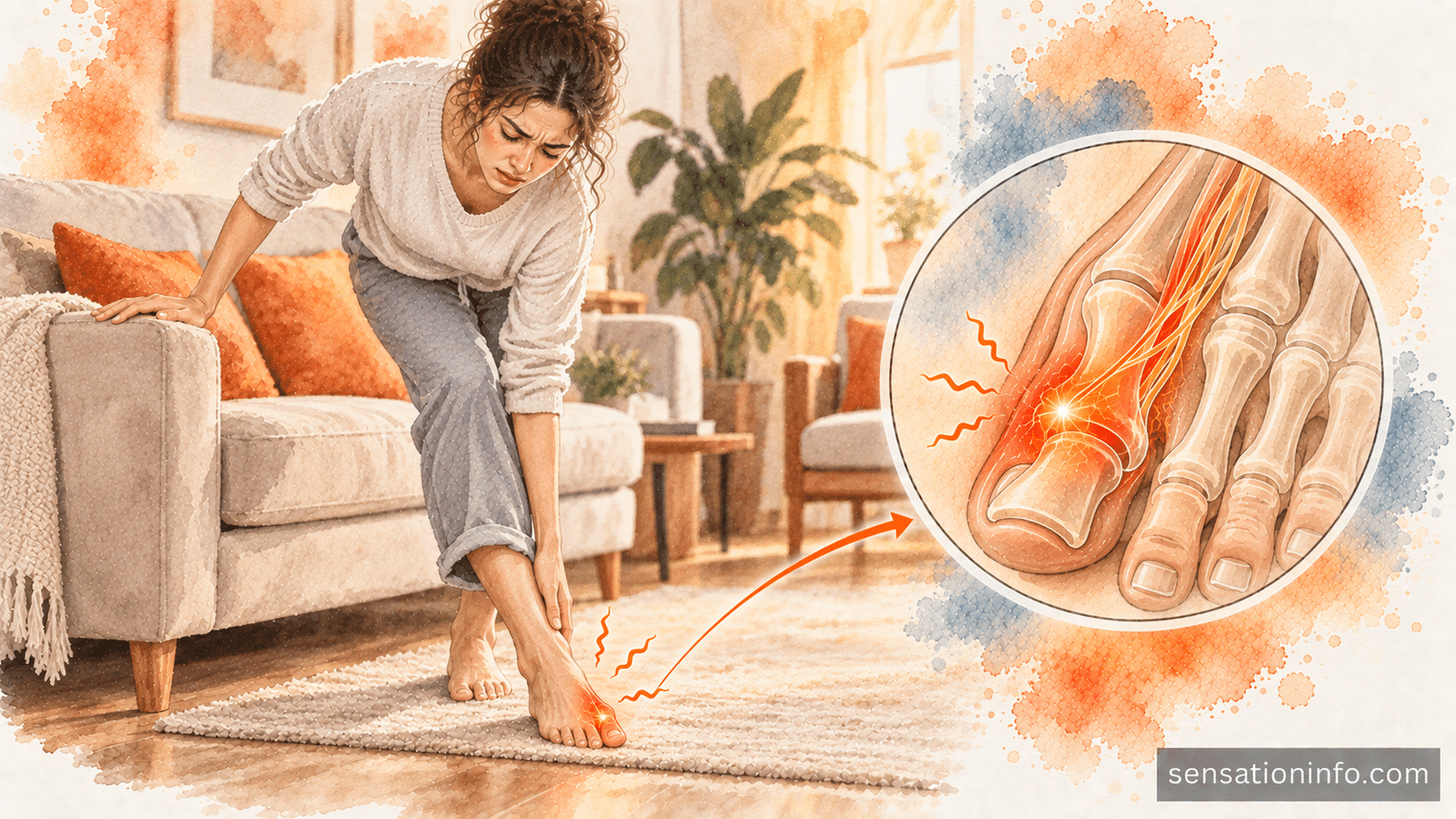

As a medical professional, I’ve encountered numerous patients who’ve experienced an electric shock sensation when injecting into a vein. This phenomenon can be alarming, especially for those who are already anxious about injections. In this article, I’ll delve into the possible causes of this sensation and provide guidance on how to manage and prevent it.
The electric shock sensation when injecting into a vein is a relatively common occurrence, particularly among individuals who receive frequent injections, such as those with diabetes or chronic conditions requiring regular medication. I’ve seen patients describe the sensation as a sudden, sharp shock or a buzzing feeling that radiates through their arm or leg. While it may be unsettling, it’s essential to understand that this sensation is usually harmless and temporary.
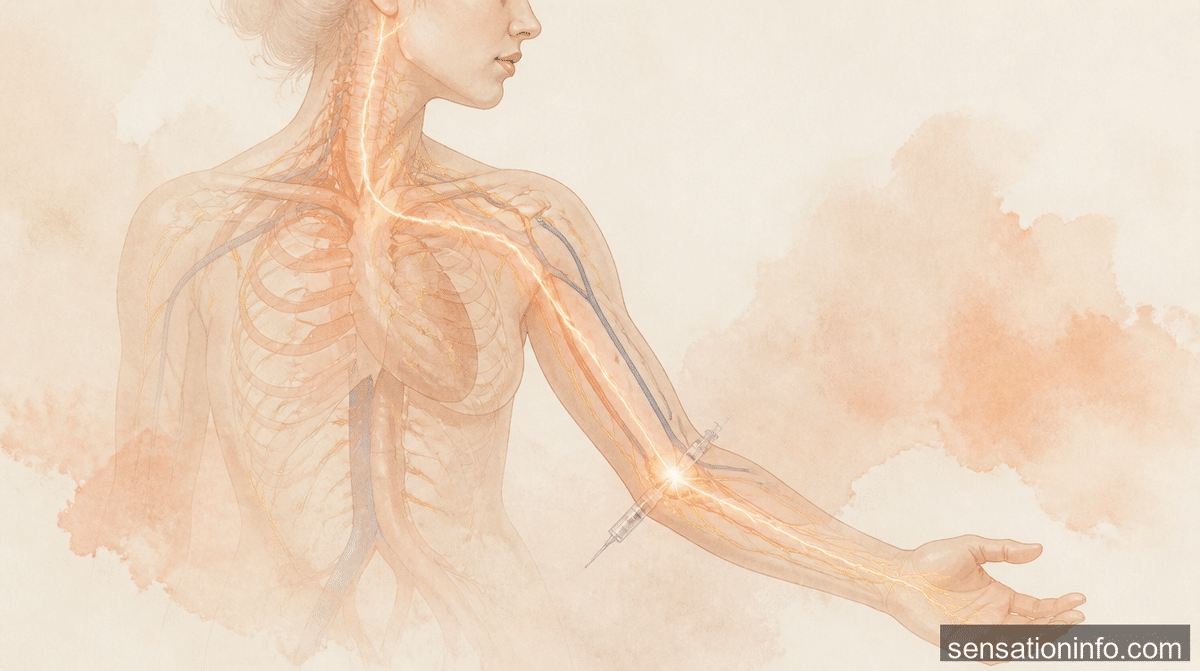
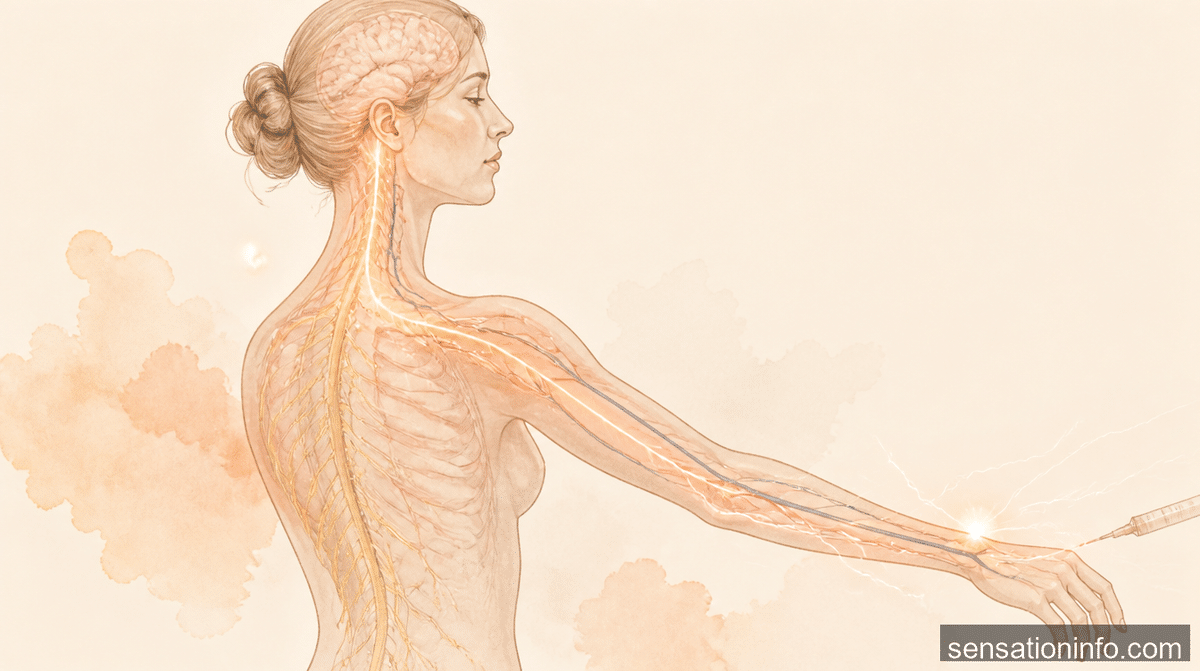
To better comprehend the electric shock sensation when injecting into a vein, let’s explore the anatomy of the vein and the injection process. When a needle is inserted into a vein, it can stimulate the surrounding nerves, causing a sudden release of electrical impulses. This stimulation can lead to a range of sensations, including pain, numbness, or the electric shock feeling. In some cases, the sensation may be more pronounced if the needle is inserted too quickly or at an incorrect angle.
One of the primary causes of the electric shock sensation when injecting into a vein is the stimulation of the nerves surrounding the vein. The nerves in our body are responsible for transmitting signals to and from the brain, and when they’re stimulated, they can release electrical impulses. When a needle is inserted into a vein, it can stimulate these nerves, leading to the electric shock sensation. I’ve found that patients who are more sensitive to pain or have a lower threshold for nerve stimulation are more likely to experience this sensation.
Another possible cause of the electric shock sensation when injecting into a vein is the use of certain medications or substances. For example, some medications, such as those used to treat multiple sclerosis or cancer, can affect the nervous system and increase the risk of experiencing an electric shock sensation during injection. Additionally, substances like caffeine or nicotine can also stimulate the nerves and contribute to the sensation.
Understanding the Anatomy of the Vein
The anatomy of the vein plays a crucial role in understanding the electric shock sensation when injecting into a vein. The vein is a complex structure that consists of three layers: the intima, media, and adventitia. The intima is the innermost layer, which comes into contact with the blood, while the media is the middle layer, composed of smooth muscle and elastic fibers. The adventitia is the outermost layer, which provides support and protection to the vein.
When a needle is inserted into a vein, it can stimulate the nerves in the surrounding tissue, leading to the electric shock sensation. The nerves in the vein are responsible for transmitting signals to and from the brain, and when they’re stimulated, they can release electrical impulses. I’ve found that patients who have a better understanding of the anatomy of the vein are more likely to feel comfortable and confident during the injection process.
Managing and Preventing the Electric Shock Sensation
While the electric shock sensation when injecting into a vein can be unsettling, there are several strategies that can help manage and prevent it. One of the most effective ways to reduce the sensation is to use a topical anesthetic cream or spray before the injection. These creams or sprays can help numb the skin and reduce the stimulation of the nerves, making the injection process more comfortable.
Another strategy is to use a slow and gentle injection technique. When the needle is inserted too quickly, it can stimulate the nerves and cause the electric shock sensation. By using a slow and gentle technique, the nurse or healthcare professional can minimize the stimulation of the nerves and reduce the risk of the electric shock sensation.
FAQs About Electric Shock Sensation When Injecting Into a Vein
The electric shock sensation when injecting into a vein is usually caused by the stimulation of the nerves surrounding the vein. When a needle is inserted into a vein, it can stimulate these nerves, leading to the release of electrical impulses and the electric shock sensation.
Yes, there are several strategies that can help prevent the electric shock sensation when injecting into a vein. Using a topical anesthetic cream or spray, employing a slow and gentle injection technique, and avoiding the use of certain medications or substances can help reduce the risk of the electric shock sensation.
In most cases, the electric shock sensation when injecting into a vein is harmless and temporary. However, if you experience persistent or severe pain, numbness, or tingling, it’s essential to consult with your healthcare professional to rule out any underlying conditions.
If you’re anxious about injecting into a vein, it’s essential to talk to your healthcare professional about your concerns. They can provide guidance and support to help you feel more comfortable and confident during the injection process. Additionally, practicing relaxation techniques, such as deep breathing or meditation, can help reduce your anxiety and make the injection process more manageable.
In most cases, the electric shock sensation when injecting into a vein is a temporary and harmless phenomenon. However, if you experience persistent or severe pain, numbness, or tingling, it’s essential to consult with your healthcare professional to rule out any underlying conditions that may require further evaluation and treatment.
Final Thoughts
The electric shock sensation when injecting into a vein can be a concerning experience, especially for those who are already anxious about injections. However, by understanding the causes and effects of this phenomenon, we can take steps to manage and prevent it. As a medical professional, I recommend using a topical anesthetic cream or spray, employing a slow and gentle injection technique, and avoiding the use of certain medications or substances to reduce the risk of the electric shock sensation.
If you’re experiencing anxiety or concerns about injecting into a vein, I encourage you to talk to your healthcare professional about your concerns. They can provide guidance and support to help you feel more comfortable and confident during the injection process. Remember, your health and well-being are paramount, and it’s essential to prioritize your comfort and safety during medical procedures.
In conclusion, the electric shock sensation when injecting into a vein is a relatively common phenomenon that can be managed and prevented with the right strategies. By understanding the anatomy of the vein, the causes of the electric shock sensation, and the strategies to prevent it, we can make the injection process more comfortable and confidence-inspiring. As a medical professional, I’m committed to providing you with accurate and helpful information to empower you to take control of your health and well-being.