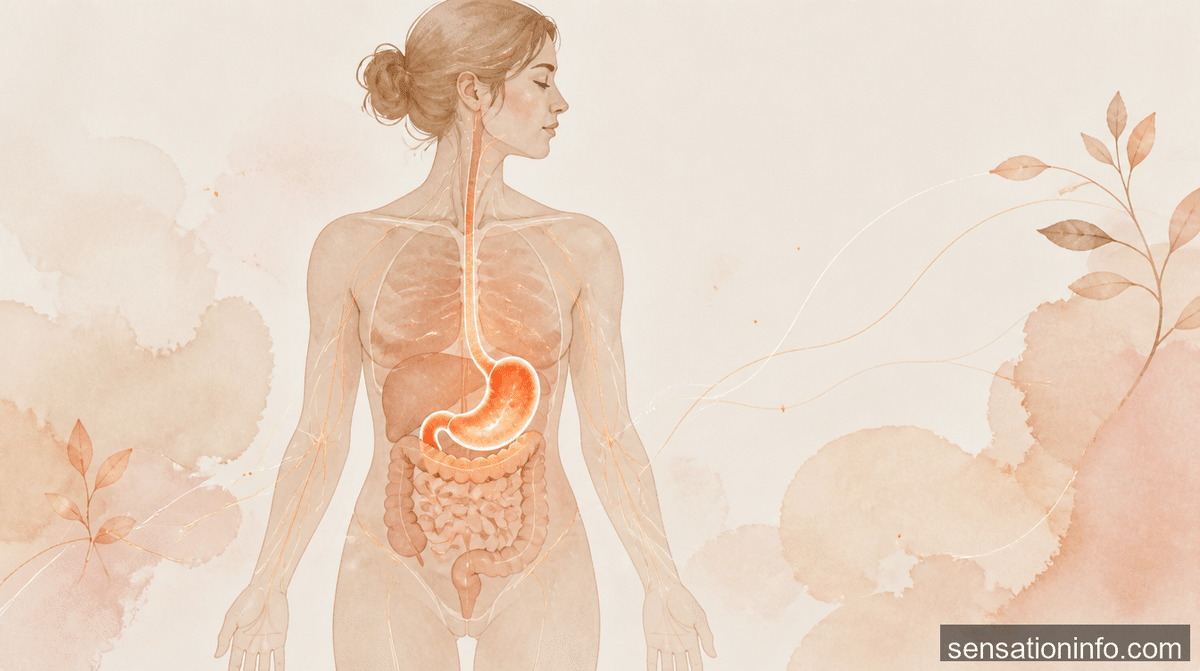

Introduction to Stomach Burning Sensation
As a medical professional, I’ve encountered numerous patients who experience a burning sensation in their stomach. This symptom can be quite unsettling, especially when it persists or worsens over time. I recall a patient who recently visited my clinic, frustrated with the recurring burning feeling in her stomach. She had tried various over-the-counter medications, but nothing seemed to provide long-lasting relief. Her story is not unique; many individuals suffer from this issue, often unsure about what’s causing it or how to address it effectively.
I want to start by saying that a burning sensation in the stomach is more common than you might think. It can be triggered by a variety of factors, ranging from dietary choices to underlying medical conditions. Understanding the possible causes is the first step towards finding an appropriate solution. In this article, I will guide you through the potential reasons behind this discomfort and discuss ways to manage and prevent it.
The human body is complex, and sometimes, what seems like a simple issue can have a multifaceted explanation. A burning sensation in the stomach, for instance, could be related to how your body digests food, the types of food you eat, or even stress levels. It’s essential to approach this symptom with an open mind, considering both lifestyle factors and potential health conditions that might be contributing to your discomfort.
Possible Causes of a Burning Sensation in the Stomach
Dietary Factors
Let’s begin with something we all can relate to: food. The food we eat plays a significant role in how our stomach feels. Certain foods can irritate the stomach lining or cause acid production to increase, leading to a burning sensation. I often ask my patients to keep a food diary to track which foods seem to trigger or worsen their symptoms. Common culprits include spicy foods, citrus fruits, tomatoes, and chocolate. These foods can relax the lower esophageal sphincter, allowing stomach acid to flow back into the esophagus, or they can directly irritate the stomach lining.
- Spicy Foods: Spicy foods contain capsaicin, which can slow down digestion, allowing food to stay in the stomach longer. This prolonged stay can lead to increased acid production.
- Citrus Fruits and Juices: While nutritious, their high acidity can trigger heartburn and a burning sensation in some individuals.
- Tomatoes and Tomato-Based Products: Like citrus fruits, tomatoes are acidic and can cause stomach upset in some people.
- Chocolate: Chocolate contains caffeine and theobromine, both of which can relax the esophageal sphincter and increase stomach acid.
Medical Conditions
Beyond dietary factors, several medical conditions can cause a burning sensation in the stomach. These conditions often require medical attention and treatment to alleviate symptoms.
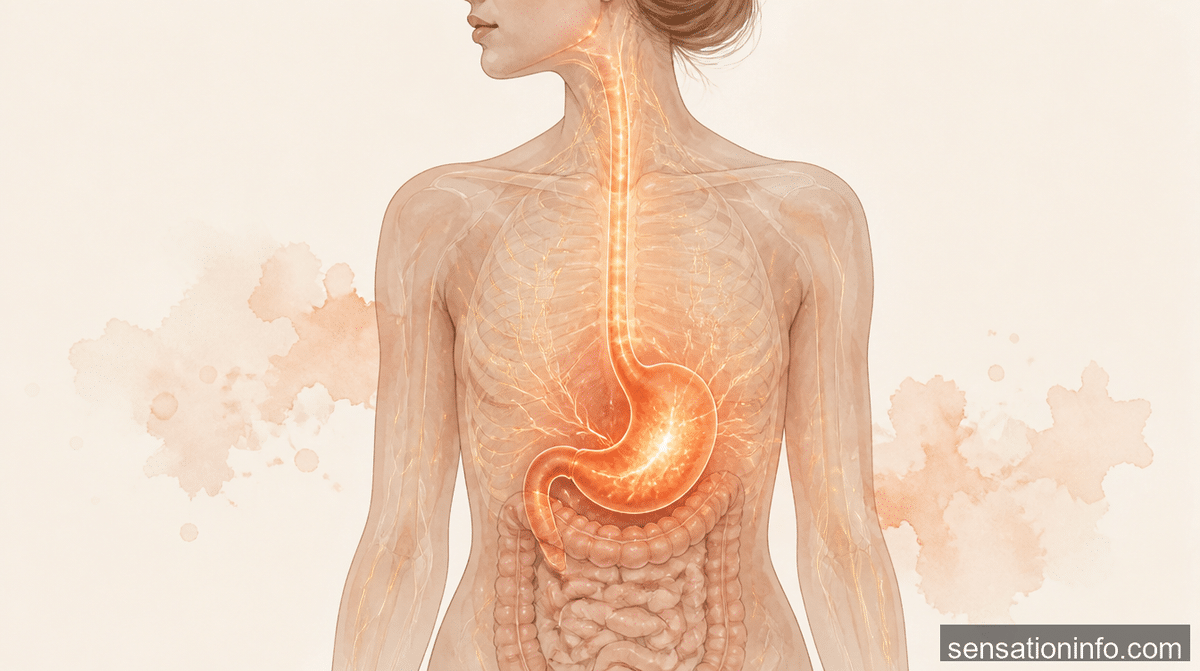
- Gastroesophageal Reflux Disease (GERD): This is a chronic condition where stomach acid flows back into the tube connecting your mouth and stomach (esophagus). This backwash (acid reflux) can irritate the lining of your esophagus, causing discomfort.
- Peptic Ulcer: A peptic ulcer is an open sore that develops on the inside lining of your stomach and the upper portion of your small intestine. The most common symptoms are burning stomach pain and bleeding.
- Gastritis: This is an inflammation of the stomach lining, which can be caused by infection, irritants like alcohol, or the use of nonsteroidal anti-inflammatory drugs (NSAIDs).
- Food Intolerances: Some people may experience a burning sensation due to difficulties in digesting certain foods, such as lactose intolerance or gluten sensitivity.
Managing and Preventing a Burning Sensation in the Stomach
Lifestyle Changes
Before considering medication, there are several lifestyle changes you can make to alleviate and prevent a burning sensation in your stomach. These changes are simple, effective, and can improve your overall health.
- Dietary Modifications: Avoid trigger foods that cause discomfort. Instead, opt for a balanced diet that includes plenty of fruits, vegetables, whole grains, and lean proteins.
- Weight Management: If you are overweight, losing weight can help reduce pressure on your stomach and alleviate symptoms of acid reflux and burning.
- Elevate Your Bed: Raising the head of your bed by about 6 inches can help prevent stomach acid from flowing into your esophagus while you sleep.
- Avoid Tight Clothing: Tight clothing can put pressure on your stomach, which can worsen symptoms of acid reflux and burning.
Medical Treatments
For some individuals, lifestyle changes alone may not be enough to manage their symptoms. In such cases, medical treatment may be necessary.

- Antacids and Acid Reducers: These over-the-counter medications can help neutralize stomach acid and reduce acid production.
- Histamine-2 (H2) Blockers: These medications reduce acid production in the stomach.
- Proton Pump Inhibitors (PPIs): PPIs also decrease acid production in the stomach and are available by prescription.
Frequently Asked Questions
To soothe a burning stomach, it’s best to eat gentle, easy-to-digest foods like bananas, rice, applesauce, and toast. Avoid spicy, fatty, or high-fiber foods that can irritate the stomach further. Additionally, eating smaller, more frequent meals can help manage symptoms by not overloading the stomach.
Yes, stress can contribute to a burning sensation in the stomach. Stress can increase the production of stomach acid and slow down digestion, exacerbating symptoms of heartburn and discomfort. Engaging in stress-reducing activities like meditation, yoga, or deep breathing exercises can help alleviate stress-related stomach issues.
The duration it takes for a burning sensation in the stomach to go away depends on the underlying cause. If it’s due to dietary factors, avoiding trigger foods can provide quick relief within a day or two. For chronic conditions like GERD or peptic ulcers, it may take several weeks of consistent treatment and lifestyle changes to see significant improvement.
Yes, you can take steps to prevent a burning sensation in your stomach. Maintaining a healthy weight, avoiding trigger foods, not smoking, and managing stress are all proactive measures you can take. Regular exercise and a balanced diet also contribute to overall digestive health and can help prevent symptoms of burning.
Several home remedies can provide relief from a burning stomach, including ginger, which has natural anti-inflammatory properties, and aloe vera juice, which can soothe the stomach lining. Drinking plenty of water and avoiding lying down after eating can also help prevent acid reflux and reduce burning sensations.
Final Thoughts
A burning sensation in the stomach can be a challenging and uncomfortable symptom to deal with. However, by understanding the possible causes and making informed lifestyle choices, you can take the first steps towards relief. Whether it’s avoiding certain foods, losing weight, or seeking medical treatment, there are many options available to manage and prevent this discomfort. Remember, if your symptoms persist or worsen, it’s crucial to consult with a healthcare provider to rule out any underlying conditions that may require medical attention.
As a medical professional, my goal is to empower you with the knowledge and tools necessary to take control of your health. A burning sensation in the stomach is not something you have to live with; there are solutions available. By working together and taking a comprehensive approach to your health, we can find a way to alleviate your discomfort and improve your quality of life. So, take that first step today, and let’s work towards a healthier, happier you.
Article written by Dr Peeyush Kumawat at Sensationinfo.com