
Understanding the Possible Causes
As a medical professional, I’ve encountered numerous patients who’ve expressed concern over a burning sensation in their chest. This symptom can be quite alarming, especially if it’s persistent or severe. I recall a patient who came to me recently, describing a burning feeling in her chest that seemed to worsen after meals. After a thorough examination and some tests, we were able to identify the cause and find a suitable treatment. But what could be behind this sensation, and how can you differentiate between a harmless issue and something more serious?
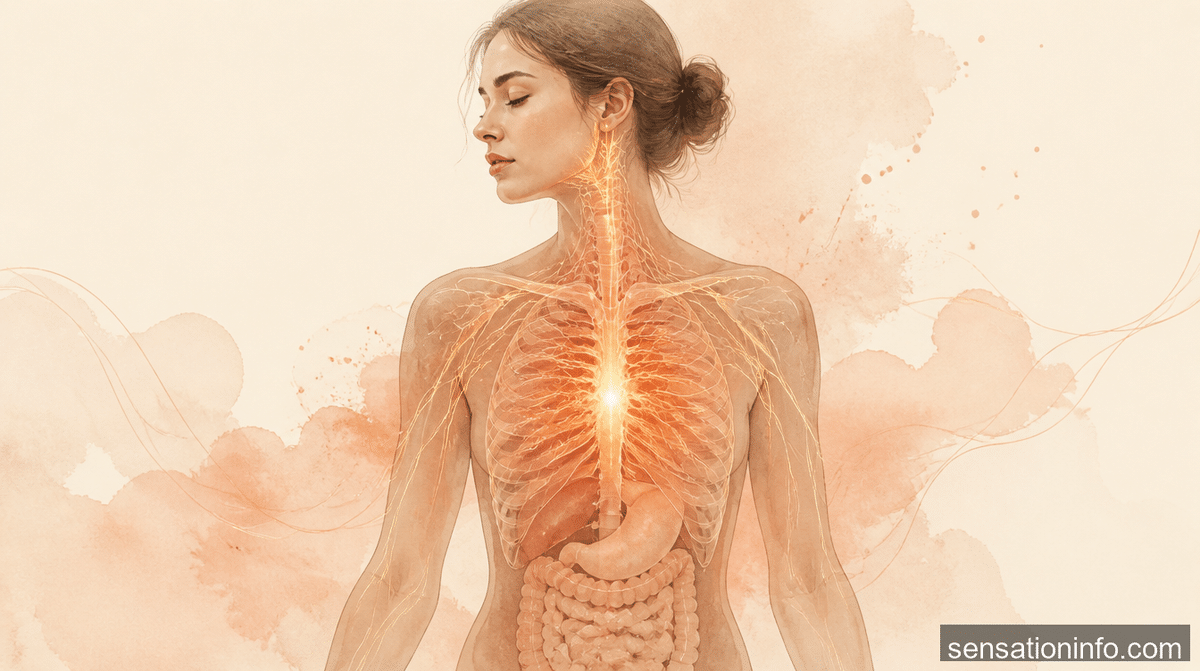
When patients ask me, “Why do I have a burning sensation in my chest?” my first response is to reassure them that there are many possible explanations, ranging from mild to severe. The chest is a complex area with many organs, including the heart, lungs, esophagus, and stomach, all of which can be potential sources of discomfort. For instance, heartburn, which is a common condition, can cause a burning sensation in the chest due to stomach acid flowing back into the esophagus. This is usually triggered by eating certain foods, being overweight, or experiencing stress.
I find it helpful to approach this symptom by considering the various systems involved. The digestive system, for example, is a common culprit. Gastroesophageal reflux disease (GERD) is a condition where stomach acid frequently flows back into the tube connecting your mouth and stomach (esophagus). This backwash (acid reflux) can irritate the lining of your esophagus, causing discomfort. Many of my patients have found relief from GERD symptoms by making lifestyle changes, such as losing weight, avoiding trigger foods, and elevating the head of their bed.
Exploring Other Possible Causes
However, the burning sensation in your chest isn’t always related to digestive issues. Sometimes, it can be a sign of a heart problem. I’ve seen cases where patients experienced chest pain or discomfort that felt like burning, which turned out to be related to their heart. Angina, for instance, is a condition characterized by chest pain or discomfort caused by reduced blood flow to the heart muscle. It’s often triggered by physical exertion or emotional stress and typically goes away with rest or medication. In more severe cases, a heart attack (myocardial infarction) can cause a burning sensation in the chest, along with other symptoms like shortness of breath, nausea, and pain in the arm, neck, or jaw.
As a doctor, it’s crucial to carefully evaluate each patient’s symptoms to determine the underlying cause. Respiratory issues, such as pneumonia or pleurisy, can also lead to a burning sensation in the chest. Pneumonia is an infection that inflames the air sacs in one or both lungs, which may cause chest pain that feels like burning. Pleurisy, on the other hand, is inflammation of the lining surrounding the lungs (pleura), leading to sharp chest pain that worsens with breathing or coughing. Less commonly, musculoskeletal issues like costochondritis, an inflammation of the cartilage that connects a rib to the breastbone, can cause sharp pains or a burning sensation in the chest area.
What to Do If You Experience a Burning Sensation in Your Chest
So, what should you do if you’re experiencing a burning sensation in your chest? My advice is always to err on the side of caution. If the sensation is severe, persistent, or accompanied by other concerning symptoms like difficulty breathing, dizziness, or severe chest pain, you should seek medical attention immediately. For milder cases, there are steps you can take to alleviate the discomfort. If you suspect that your symptoms are related to GERD or heartburn, trying over-the-counter antacids or acid reducers may help. Avoiding trigger foods, eating smaller meals, and avoiding lying down after eating can also provide relief.
I also recommend maintaining a healthy lifestyle to reduce the risk of both digestive and cardiovascular issues. This includes a balanced diet, regular physical activity, not smoking, and limiting alcohol consumption. For those who experience frequent or severe burning sensations, keeping a symptom journal can be incredibly helpful. Writing down when your symptoms occur, what you were doing before they started, and any factors that seem to make them better or worse can provide valuable insights for your healthcare provider.
Managing Stress and Anxiety
Sometimes, a burning sensation in the chest can be linked to stress and anxiety. I’ve found that techniques like deep breathing exercises, meditation, and yoga can be beneficial in managing these feelings and potentially reducing physical discomfort. Engaging in regular physical activity can also help reduce stress and improve overall health. It’s essential to find healthy ways to cope with stress, as chronic anxiety can exacerbate symptoms and make diagnosis more challenging.
When to Seek Medical Help
It’s crucial to know when to seek medical help. If you experience any of the following, do not hesitate to contact your healthcare provider or visit an emergency room:
- Severe chest pain or pressure: This could be a sign of a heart attack or other serious conditions.
- Difficulty breathing: If you’re having trouble catching your breath or experience wheezing, this could indicate a respiratory issue.
- Pain or discomfort in the arms, back, neck, jaw, or stomach: These could be related to heart problems.
- Feeling weak, lightheaded, or faint: These symptoms can accompany serious conditions, including heart attacks.
- Coughing up blood or yellow or green mucus: This could be a sign of a lung infection.
- Fever over 102°F (39°C): A high fever can indicate infection.
- Severe headache or confusion: These symptoms can have various causes, including serious infections or cardiovascular issues.
Frequently Asked Questions
The most common causes include heartburn and GERD, but it can also be related to heart conditions, respiratory issues, or musculoskeletal problems. Each case is unique, and a thorough medical evaluation is necessary to determine the underlying cause.
While both can cause chest pain, heartburn typically worsens after eating, lying down, or bending over, and can be relieved with antacids. A heart attack, however, often presents with additional symptoms like shortness of breath, pain in the arm, neck, or jaw, and may not be relieved by antacids or rest.
Yes, maintaining a healthy weight, avoiding trigger foods, elevating the head of your bed, and managing stress can help prevent or alleviate symptoms related to GERD and heartburn. Regular exercise, a balanced diet, and not smoking can also reduce the risk of heart disease.
Yes, stress and anxiety can contribute to a burning sensation in the chest, either by exacerbating existing conditions like GERD or by causing muscle tension that feels like burning.
If the sensation is severe, accompanied by difficulty breathing, dizziness, or severe chest pain, or if you experience symptoms like pain in the arm, neck, or jaw, you should seek medical help immediately.
Final Thoughts
A burning sensation in the chest can be unsettling, but by understanding the possible causes and taking proactive steps, you can find relief and potentially prevent future episodes. It’s essential to approach your health with curiosity and diligence, keeping track of your symptoms and discussing them openly with your healthcare provider. Remember, your body is unique, and what works for someone else may not work for you. By working together with your medical team and making informed lifestyle choices, you can better manage your symptoms and improve your overall well-being.
In conclusion, a burning sensation in the chest is a symptom that warrants attention, but it’s not always a cause for alarm. By being informed, proactive, and committed to your health, you can navigate this issue and find the relief you’re seeking. As your healthcare provider, my goal is to empower you with the knowledge and tools necessary to take control of your health. Together, let’s work towards a healthier, happier you.