
Understanding the Possible Reasons
As a medical professional, I’ve encountered numerous patients who’ve experienced a burning sensation in their legs. This symptom can be frustrating and disrupt daily life. I remember one patient who was an avid runner and suddenly found herself unable to continue her routine due to a persistent burning feeling in her calf. It’s essential to address this issue, and I’m here to guide you through the possible causes and offer valuable insights to help you find relief.
The human body is complex, and a burning sensation in the leg can stem from various factors. It’s crucial to consider the location, duration, and intensity of the sensation to narrow down the possible causes. For instance, a burning feeling in the thigh might be related to a different issue than one in the foot. As we explore the potential reasons, I want to emphasize the importance of consulting a healthcare professional for an accurate diagnosis and treatment plan. I’ve seen patients who’ve tried to self-diagnose, only to find that their condition worsened due to delayed medical attention.
In my experience, some patients may feel embarrassed or hesitant to discuss their symptoms, but I want to assure you that it’s essential to be open and honest with your healthcare provider. A burning sensation in the leg can be a symptom of an underlying condition that requires prompt attention. I’ve worked with patients who’ve been diagnosed with conditions such as peripheral neuropathy, which can cause a burning sensation in the legs due to nerve damage. By understanding the possible causes, we can work together to develop an effective treatment plan and improve your quality of life.
Possible Causes of a Burning Sensation in the Leg
Circulatory Issues
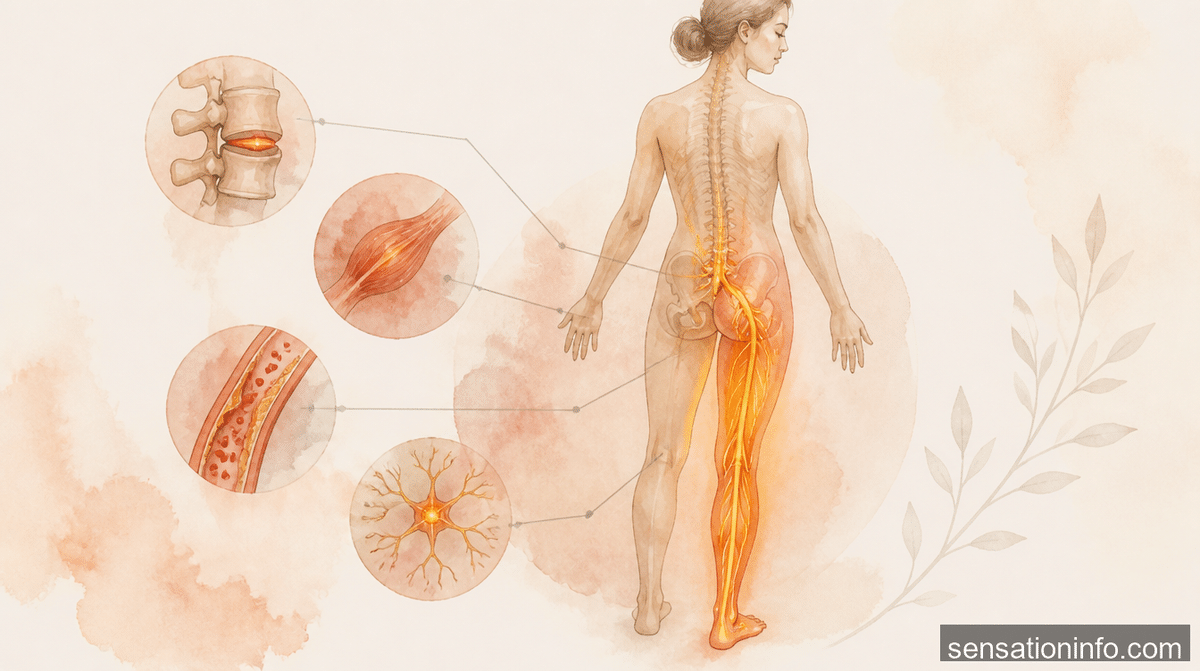
One of the primary causes of a burning sensation in the leg is poor circulation. When the blood flow to the legs is reduced, it can lead to a feeling of warmth or burning. This is often seen in individuals with peripheral artery disease (PAD), which is characterized by the narrowing or blockage of the blood vessels in the legs. I recall a patient who was diagnosed with PAD and experienced a burning sensation in his legs, especially after walking. We worked together to develop a treatment plan that included lifestyle modifications, such as regular exercise and a healthy diet, as well as medication to manage his condition.
Nerve Damage
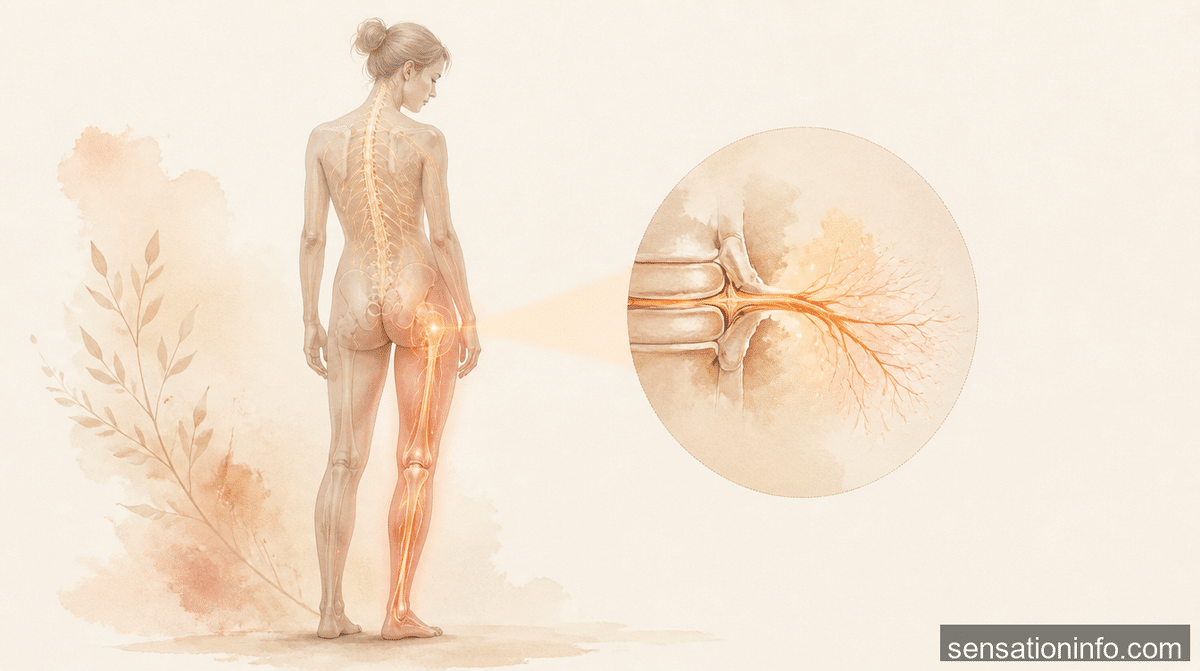
Nerve damage or neuropathy can also cause a burning sensation in the leg. This can be due to various factors, such as diabetes, trauma, or certain medications. In my practice, I’ve seen patients with diabetic neuropathy who’ve experienced a burning sensation in their legs, feet, or toes. It’s essential to manage underlying conditions and seek medical attention if you’re experiencing persistent or severe symptoms. I’ve worked with patients who’ve found relief through a combination of medication, lifestyle modifications, and alternative therapies, such as acupuncture.
Muscle Strains
Muscle strains or overuse can lead to a burning sensation in the leg. This is common in athletes or individuals who engage in strenuous physical activity. I’ve treated patients who’ve experienced a burning sensation in their legs due to muscle strains, and we’ve worked together to develop a rehabilitation plan that includes rest, physical therapy, and stretching exercises. It’s essential to listen to your body and take regular breaks to avoid exacerbating the condition.
Skin Conditions
Certain skin conditions, such as eczema or dermatitis, can cause a burning sensation in the leg. These conditions can lead to inflammation and irritation, resulting in a burning feeling. I’ve seen patients with skin conditions who’ve experienced a burning sensation in their legs, and we’ve worked together to develop a treatment plan that includes topical creams, oral medications, and lifestyle modifications. It’s essential to maintain good skin hygiene and avoid irritants that can exacerbate the condition.

Other Possible Causes
Infections
Infections, such as cellulitis or abscesses, can cause a burning sensation in the leg. These conditions require prompt medical attention and treatment with antibiotics. I’ve treated patients with infections who’ve experienced severe burning sensations in their legs, and we’ve worked together to develop a treatment plan that includes medication, wound care, and follow-up appointments.
Trauma
Trauma, such as a blow to the leg or a severe injury, can cause a burning sensation. This can be due to nerve damage, muscle strains, or other underlying conditions. I’ve seen patients who’ve experienced a burning sensation in their legs due to trauma, and we’ve worked together to develop a rehabilitation plan that includes physical therapy, pain management, and lifestyle modifications.
How to Manage a Burning Sensation in the Leg
Self-Care
While it’s essential to consult a healthcare professional for an accurate diagnosis and treatment plan, there are some self-care measures you can take to manage a burning sensation in the leg. I recommend elevating your legs to improve circulation, applying cold compresses to reduce inflammation, and engaging in gentle stretching exercises to relieve tension. It’s also essential to maintain a healthy lifestyle, including a balanced diet, regular exercise, and adequate hydration.
Medical Treatment
Medical treatment for a burning sensation in the leg depends on the underlying cause. Your healthcare provider may recommend medication, physical therapy, or other interventions to manage your symptoms. I’ve worked with patients who’ve found relief through a combination of medication, lifestyle modifications, and alternative therapies. It’s essential to follow your healthcare provider’s instructions and attend follow-up appointments to monitor your condition.
Frequently Asked Questions
The most common causes of a burning sensation in the leg include poor circulation, nerve damage, muscle strains, and skin conditions. However, it’s essential to consult a healthcare professional for an accurate diagnosis and treatment plan. I’ve seen patients who’ve experienced a burning sensation in their legs due to a combination of factors, and we’ve worked together to develop a comprehensive treatment plan.
Yes, a burning sensation in the leg can be a sign of a serious underlying condition, such as peripheral artery disease or diabetic neuropathy. It’s essential to seek medical attention if you’re experiencing persistent or severe symptoms. I’ve worked with patients who’ve been diagnosed with underlying conditions, and we’ve developed a treatment plan that addresses their specific needs.
To prevent a burning sensation in your leg, it’s essential to maintain a healthy lifestyle, including a balanced diet, regular exercise, and adequate hydration. You should also avoid smoking, manage your blood sugar levels if you have diabetes, and engage in regular physical activity to improve circulation. I’ve seen patients who’ve made lifestyle modifications and found relief from their symptoms.
While over-the-counter medications, such as pain relievers or anti-inflammatory medications, may provide temporary relief, it’s essential to consult a healthcare professional for an accurate diagnosis and treatment plan. I’ve worked with patients who’ve taken over-the-counter medications and found that they only masked their symptoms, rather than addressing the underlying cause.
Yes, alternative therapies, such as acupuncture, massage, or physical therapy, may help manage a burning sensation in the leg. However, it’s essential to consult a healthcare professional before starting any new therapy. I’ve seen patients who’ve found relief through alternative therapies, and we’ve worked together to develop a comprehensive treatment plan that includes these therapies.
Final Thoughts
A burning sensation in the leg can be a frustrating and debilitating symptom. However, by understanding the possible causes and seeking medical attention, you can find relief and improve your quality of life. I want to emphasize the importance of being open and honest with your healthcare provider and seeking prompt medical attention if you’re experiencing persistent or severe symptoms. By working together, we can develop a comprehensive treatment plan that addresses your specific needs and helps you manage your symptoms. Remember, it’s essential to prioritize your health and seek medical attention if you’re experiencing any unusual or persistent symptoms.
As a medical professional, I’ve seen patients who’ve experienced a burning sensation in their legs due to various factors. I want to assure you that there is hope for relief and that with the right treatment plan, you can manage your symptoms and improve your quality of life. If you’re experiencing a burning sensation in your leg, I encourage you to consult a healthcare professional and seek medical attention. By taking proactive steps, you can find relief and take the first step towards a healthier, happier you.
Article written by Dr Peeyush Kumawat at Sensationinfo.com