
Introduction to Stomach Burn
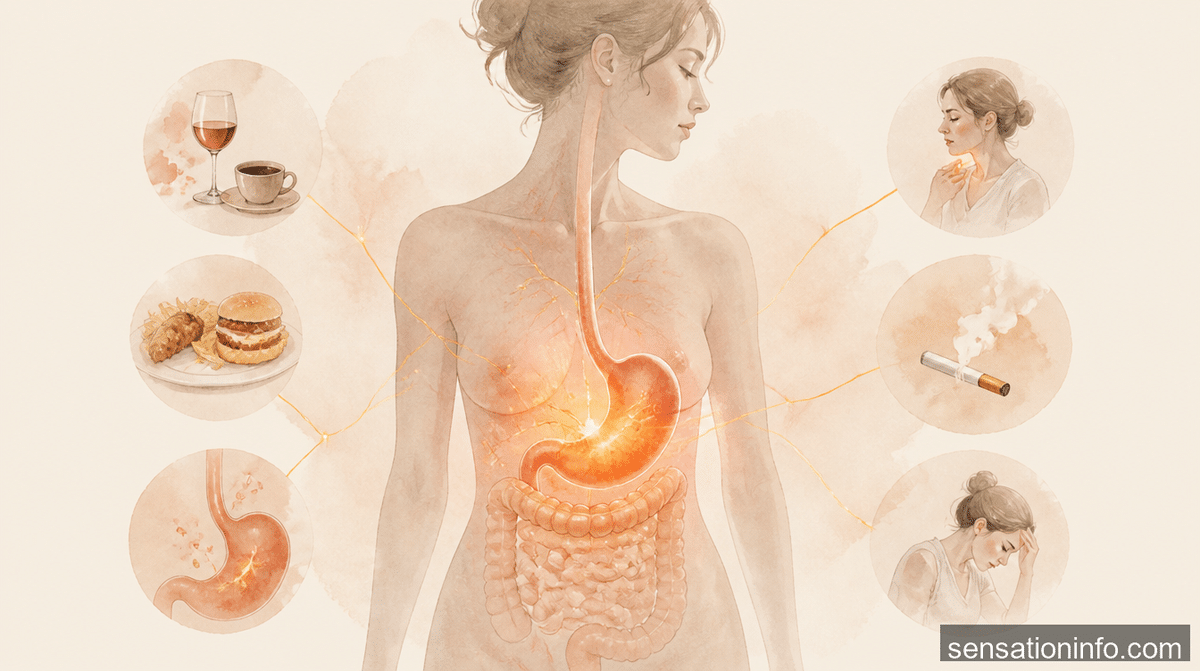
As a medical professional, I’ve encountered numerous patients complaining of a burning sensation in their stomach. This symptom can be quite unsettling, especially when it persists or recurs frequently. In my experience, understanding the causes of such discomfort is crucial for effective management and relief. So, let’s delve into the possible explanations behind this burning sensation, exploring both common and less common factors.
When patients report a burning sensation in their stomach, it’s essential to consider their overall health, eating habits, and lifestyle. This symptom can manifest due to various reasons, ranging from dietary choices to underlying health conditions. I always start by asking questions about their diet, as certain foods can trigger or exacerbate stomach burn. It’s also important to differentiate between a burning sensation in the stomach and heartburn, which, although related, have distinct characteristics.
The approach to diagnosing and treating stomach burn involves a comprehensive evaluation of the patient’s medical history, a thorough physical examination, and sometimes, additional diagnostic tests. In this article, I aim to guide you through the potential causes of a burning sensation in the stomach, discuss how it’s diagnosed, and explore treatment options. By the end of this read, you should have a better understanding of what might be causing your discomfort and the steps you can take towards relief.
Understanding Stomach Burn
Definition and Prevalence
Stomach burn, often referred to as dyspepsia, encompasses a group of symptoms that include discomfort or pain in the upper abdomen, bloating, and a feeling of fullness. The burning sensation is a common symptom that can be intermittent or constant. It’s essential to note that many people experience stomach burn at some point in their lives, and in most cases, it’s not a cause for concern. However, persistent or severe symptoms warrant medical attention.
Common Causes of Stomach Burn
From my clinical experience, I’ve identified several common causes of stomach burn. These include:
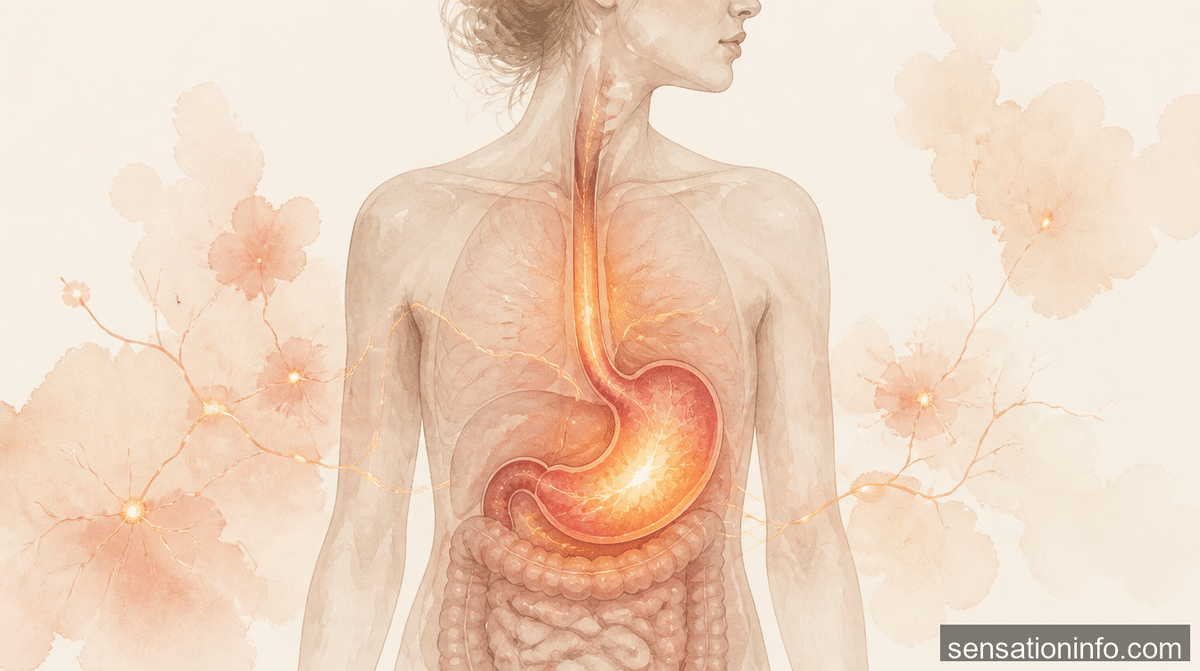
- Dietary Factors: Eating spicy, fatty, or acidic foods can irritate the stomach lining, leading to a burning sensation. Some people may also experience stomach burn after consuming dairy products, especially if they have lactose intolerance.
- Gastroesophageal Reflux Disease (GERD): GERD occurs when stomach acid frequently flows back into the tube connecting your mouth and stomach (esophagus). This backwash (acid reflux) can irritate the lining of your esophagus, causing a burning sensation in your chest and stomach.
- Peptic Ulcer Disease: Peptic ulcers are open sores that develop on the inside lining of your stomach and the upper portion of your small intestine. The most common symptoms of peptic ulcers are burning stomach pain and bleeding.
- Infections: Certain infections, such as Helicobacter pylori (H. pylori) bacteria infection, can cause stomach inflammation and lead to a burning sensation.
- Medications: Long-term use of nonsteroidal anti-inflammatory drugs (NSAIDs) like ibuprofen and aspirin can irritate the stomach lining, leading to stomach burn.
Diagnosing Stomach Burn
Medical History and Physical Examination
To diagnose the cause of stomach burn, I begin by taking a thorough medical history. This includes questions about your symptoms, diet, and any medications you’re currently taking. A physical examination can also provide valuable clues, such as tenderness in the upper abdomen.
Diagnostic Tests
In some cases, additional diagnostic tests may be necessary to determine the underlying cause of stomach burn. These can include:
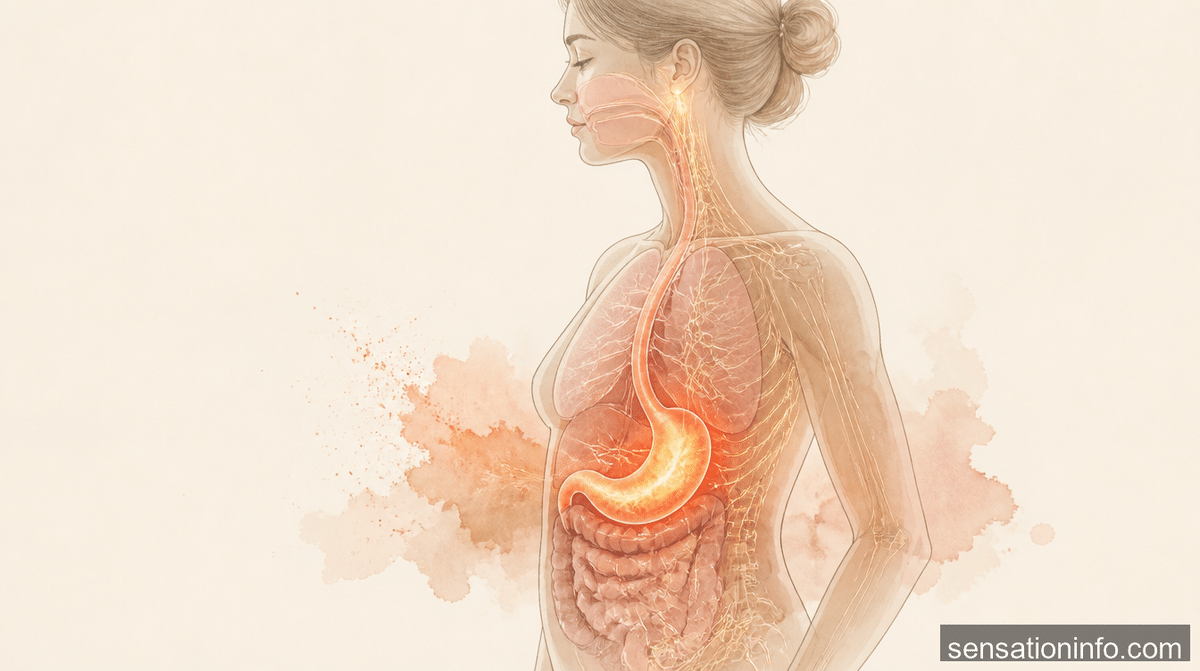
- Upper Endoscopy: A procedure that allows your doctor to visually examine your upper digestive system.
- Ambulatory Acid Probe Tests: To measure acid in your esophagus.
- Helicobacter pylori Tests: To check for the presence of H. pylori infection.
Managing and Treating Stomach Burn
Lifestyle Modifications
The first step in managing stomach burn often involves making lifestyle modifications. This can include:
- Dietary Changes: Avoiding foods that trigger symptoms and eating smaller, more frequent meals.
- Weight Loss: If you’re overweight, losing weight can help reduce the frequency of stomach burn.
- Elevating the Head of Your Bed: Raising the head of your bed by about 6 inches can help prevent stomach acid from flowing into your esophagus as you sleep.
Medications
For many people, over-the-counter or prescription medications can provide relief from stomach burn. These include:
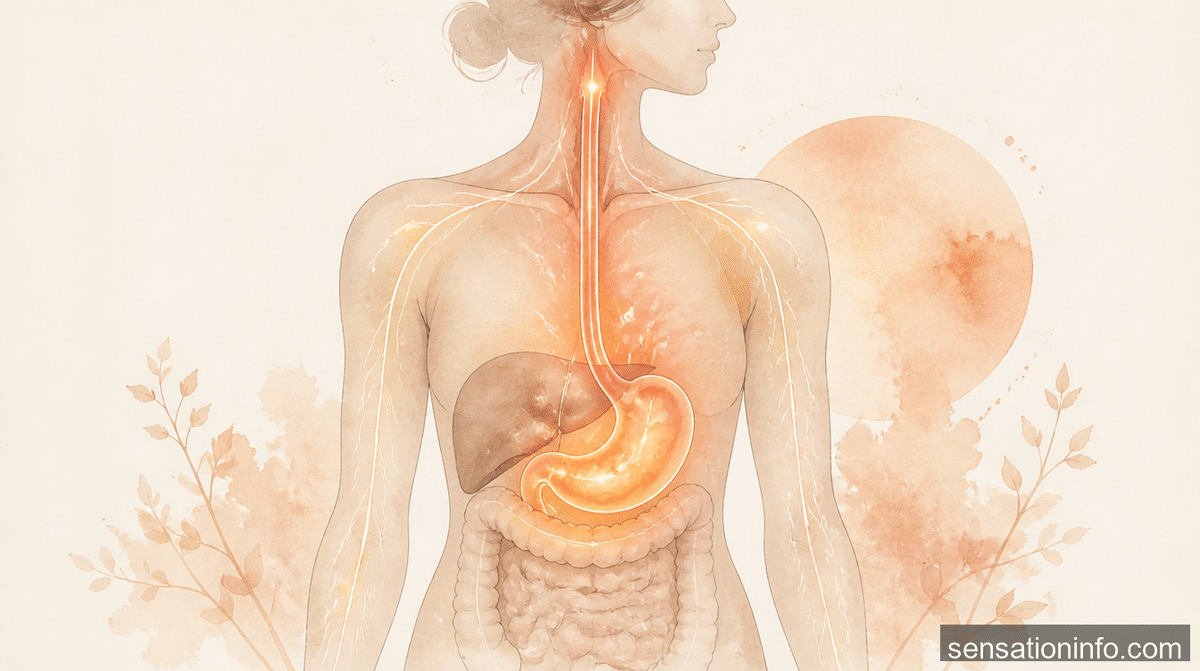
- Antacids: Neutralize stomach acid.
- Histamine-2 (H2) Blockers: Reduce acid production in the stomach.
- Proton Pump Inhibitors (PPIs): Also reduce acid production and are available in both over-the-counter and prescription strengths.
Frequently Asked Questions
The most common triggers for stomach burn include spicy, fatty, or acidic foods, caffeine, and alcohol. For some individuals, stress can also trigger or exacerbate stomach burn.
Heartburn is typically a burning sensation in the chest, just behind the breastbone, caused by stomach acid flowing back into the esophagus. Stomach burn, on the other hand, is felt in the upper abdomen and can be due to various causes, including dietary factors, infections, or peptic ulcers.
Yes, persistent or severe stomach burn can be a sign of an underlying condition that needs medical attention. It’s important to consult a healthcare provider if you experience persistent symptoms, difficulty swallowing, vomiting blood, or black tarry stools.
You should see a doctor for stomach burn if your symptoms are severe, persistent, or if you notice any signs of complications such as vomiting blood or coffee ground-like material, difficulty swallowing, or black tarry stools.
Yes, several home remedies can help alleviate stomach burn. These include drinking plenty of water, avoiding trigger foods, trying ginger or chamomile tea, and practicing stress-reducing techniques like yoga or meditation.
Final Thoughts
Key Recommendations
In conclusion, a burning sensation in the stomach can be caused by a variety of factors, ranging from dietary choices to underlying health conditions. If you’re experiencing persistent or severe stomach burn, it’s crucial to consult a healthcare provider to rule out any serious conditions that may require medical intervention. In the meantime, making dietary changes, avoiding trigger foods, and considering over-the-counter medications can provide symptom relief.
Next Steps
As you move forward, remember that managing stomach burn is often a process of trial and error. Keep a food diary to track which foods exacerbate your symptoms, and don’t hesitate to seek medical advice if your symptoms worsen or persist despite your best efforts. By working together with your healthcare provider and making informed lifestyle choices, you can find relief from stomach burn and improve your overall digestive health.
Article written by Dr Peeyush Kumawat at Sensationinfo.com