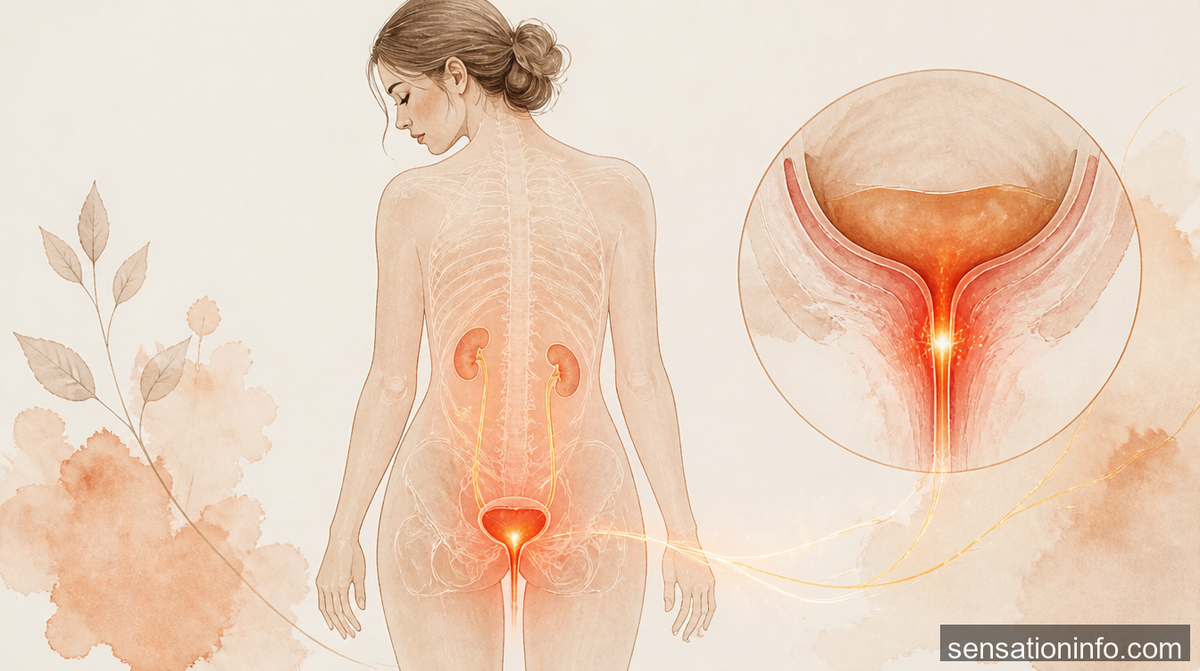

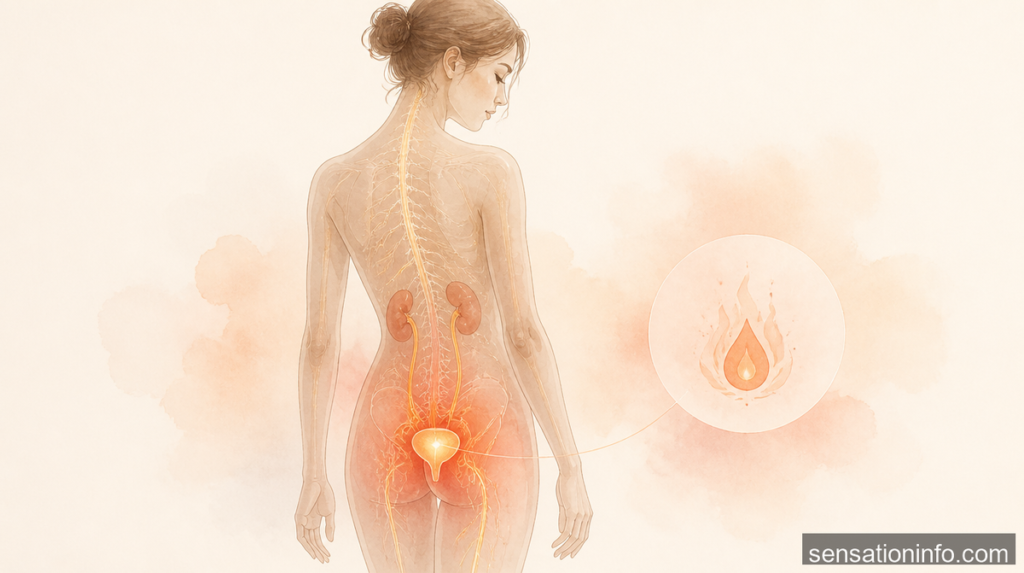
As a medical professional, I’ve encountered numerous women who experience a burning sensation after urinating. This discomfort can be distressing and disrupt daily life. In this article, I’ll delve into the possible causes of this burning sensation and provide practical advice on how to stop it.
I recall a patient who recently visited my clinic, distressed by the persistent burning sensation she felt after every trip to the bathroom. Her story is not unique; many women suffer from this issue, often in silence. The burning sensation after urinating in females can stem from various factors, including urinary tract infections (UTIs), vaginal infections, or even certain medications.
Understanding the root cause is crucial for effective treatment. For instance, if the burning sensation is due to a UTI, antibacterial medication may be necessary. However, if it’s caused by a vaginal infection, antifungal or antibiotic creams might be prescribed. It’s essential to consult a healthcare provider for a proper diagnosis and treatment plan.
Understanding the Causes
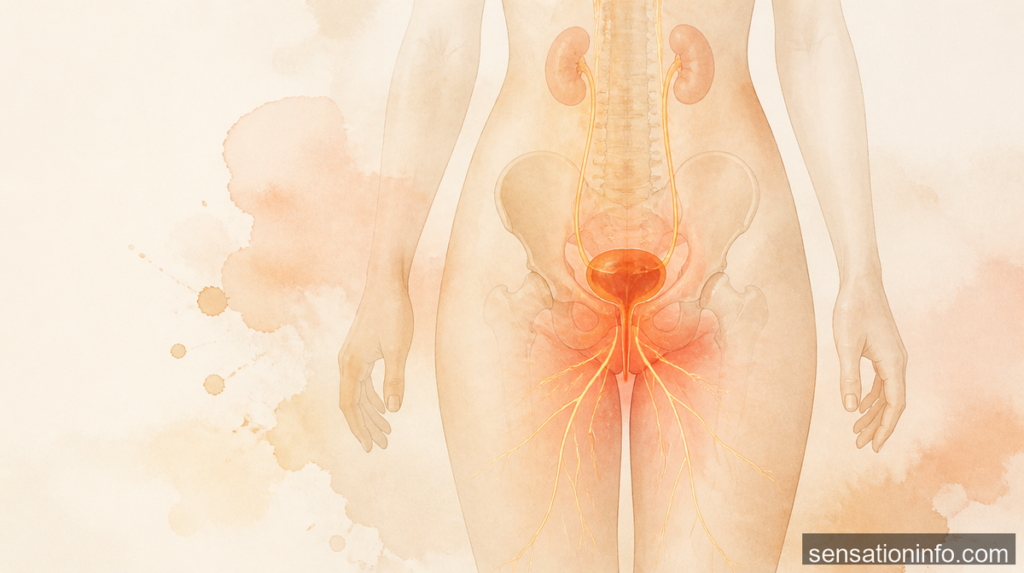
The burning sensation after urinating in females can be attributed to several factors. One of the most common causes is a urinary tract infection (UTI). UTIs occur when bacteria enter the urinary system, leading to inflammation and infection. This can cause a range of symptoms, including a burning sensation while urinating, frequent urination, and abdominal discomfort.
Another possible cause is vaginal infections, such as yeast infections or bacterial vaginosis. These infections can irritate the vaginal area, leading to a burning sensation, especially after urinating. Certain medications, like some antibiotics or antihistamines, can also cause this discomfort as a side effect.
Additionally, hormonal changes during menopause can lead to vaginal dryness, which might result in a burning sensation after urinating. It’s also important to note that practices such as douching or using certain soaps can irritate the vaginal and urinary tract areas, contributing to the burning sensation.
Diagnosing the Burning Sensation
Diagnosing the cause of the burning sensation after urinating involves a combination of medical history, physical examination, and laboratory tests. A healthcare provider will typically start by asking questions about symptoms, sexual history, and any recent travel or medications.
A physical exam may include a pelvic exam to check for any signs of infection or inflammation. Laboratory tests, such as a urinalysis to check for bacteria or blood in the urine, may also be conducted. In some cases, a urine culture might be necessary to identify the specific type of bacteria causing the infection.
For vaginal infections, a sample of the discharge may be taken for analysis. Understanding the exact cause of the burning sensation is vital for selecting the most appropriate treatment.
Remedies for Burning Sensation After Urinating
There are several remedies and practices that can help alleviate the burning sensation after urinating. For UTIs, antibacterial medications are usually prescribed. It’s crucial to complete the full course of antibiotics as directed, even if symptoms improve before finishing the medication.
For vaginal infections, the treatment depends on the type of infection. Yeast infections can be treated with antifungal medications, while bacterial vaginosis may require antibiotic treatment. In addition to medical treatment, there are several home remedies that can provide relief.
Drinking plenty of water helps to flush out bacteria from the urinary system, reducing the burning sensation. Urinating when the need arises, rather than holding urine for long periods, can also help prevent bacterial growth. Avoiding spicy or acidic foods that can irritate the bladder may provide relief for some women.
Wearing loose, cotton underwear and avoiding tight-fitting pants can help keep the genital area dry and reduce irritation. Practicing good hygiene, such as wiping from front to back and avoiding the use of harsh soaps, can prevent bacteria from entering the urinary tract.
Preventing Future Episodes
Preventing future episodes of burning sensation after urinating involves a combination of good hygiene practices, healthy lifestyle choices, and regular check-ups with a healthcare provider. Drinking plenty of water daily can help to dilute the urine, making it less irritating to the urinary tract.
Avoiding substances that can irritate the bladder, such as caffeine, alcohol, and spicy foods, can also help. For women who are prone to UTIs, taking a cranberry supplement may help prevent future infections, although the evidence for its effectiveness is mixed.
Practicing safe sex, such as using condoms, can reduce the risk of sexually transmitted infections that can cause burning sensations. Regular pelvic exams and Pap tests are important for detecting any abnormalities or infections early.
Frequently Asked Questions
Common symptoms of a UTI in females include a burning sensation while urinating, frequent urination, abdominal discomfort, and sometimes blood in the urine. If you experience any of these symptoms, it’s essential to consult a healthcare provider for proper diagnosis and treatment.
Preventing UTIs involves practicing good hygiene, drinking plenty of water, avoiding substances that can irritate the bladder, and urinating when the need arises. Regular check-ups with a healthcare provider can also help in early detection and prevention of UTIs.
Yes, there are several home remedies that can provide relief, such as drinking plenty of water, avoiding spicy or acidic foods, and practicing good hygiene. Wearing loose, cotton underwear and avoiding tight-fitting pants can also help keep the genital area dry and reduce irritation.
Yes, certain foods and drinks, such as spicy or acidic foods, caffeine, and alcohol, can irritate the bladder and exacerbate the burning sensation. Avoiding these substances may provide relief for some women.
If you experience recurrent burning sensations after urinating, it’s essential to see a healthcare provider regularly for check-ups and to discuss any concerns. Regular visits can help in early detection and management of any underlying conditions that may be causing the symptoms.
Final Thoughts
The burning sensation after urinating in females is a common issue that can be distressing and disrupt daily life. Understanding the possible causes, from UTIs to vaginal infections, and seeking proper medical treatment is crucial for alleviating this discomfort.
By incorporating good hygiene practices, healthy lifestyle choices, and regular check-ups with a healthcare provider, women can reduce the risk of future episodes. It’s also important to be aware of the symptoms of UTIs and vaginal infections, and to seek medical attention if these symptoms occur.
As a medical professional, my advice to women experiencing this issue is to not suffer in silence. There are effective treatments and preventive measures available. By taking proactive steps, women can regain control over their health and well-being, and live a life free from the discomfort of burning sensations after urinating.
In conclusion, while the burning sensation after urinating can be a challenging issue to deal with, it is not insurmountable. With the right approach, combining medical treatment with preventive measures and lifestyle changes, women can find relief and prevent future occurrences. If you are experiencing this issue, I encourage you to take the first step towards seeking help and finding a solution that works for you.
Article written by Dr Peeyush Kumawat at Sensationinfo.com