
As a medical professional, I’ve often found myself explaining to patients that their body is like a map, with each area telling a story about their health. The sensations we feel, from tingling in our fingers to burning in our stomach, are our body’s way of communicating with us. But have you ever stopped to think about what these sensations mean? In this article, I’ll guide you through a head-to-toe breakdown of the body, exploring common sensations, their possible causes, and when you should seek medical attention.
I recall a patient who once came to me complaining of persistent numbness in her feet. She had been experiencing it for months, and it was starting to affect her daily life. After a thorough examination, we discovered that the numbness was caused by a vitamin deficiency, which was easily treatable. This experience taught me the importance of listening to our bodies and understanding the stories they tell us. So, let’s start our journey and explore the body sensation map together.
As we delve into the world of body sensations, it’s essential to remember that everyone’s experience is unique. What may be a minor issue for one person could be a significant concern for another. That’s why it’s crucial to approach this topic with empathy and understanding. In the following sections, we’ll break down each body part, discussing common sensations, possible causes, and when to seek medical help. We’ll also provide a quick cause reference guide and a summary of when to worry.
Head-to-Toe Breakdown
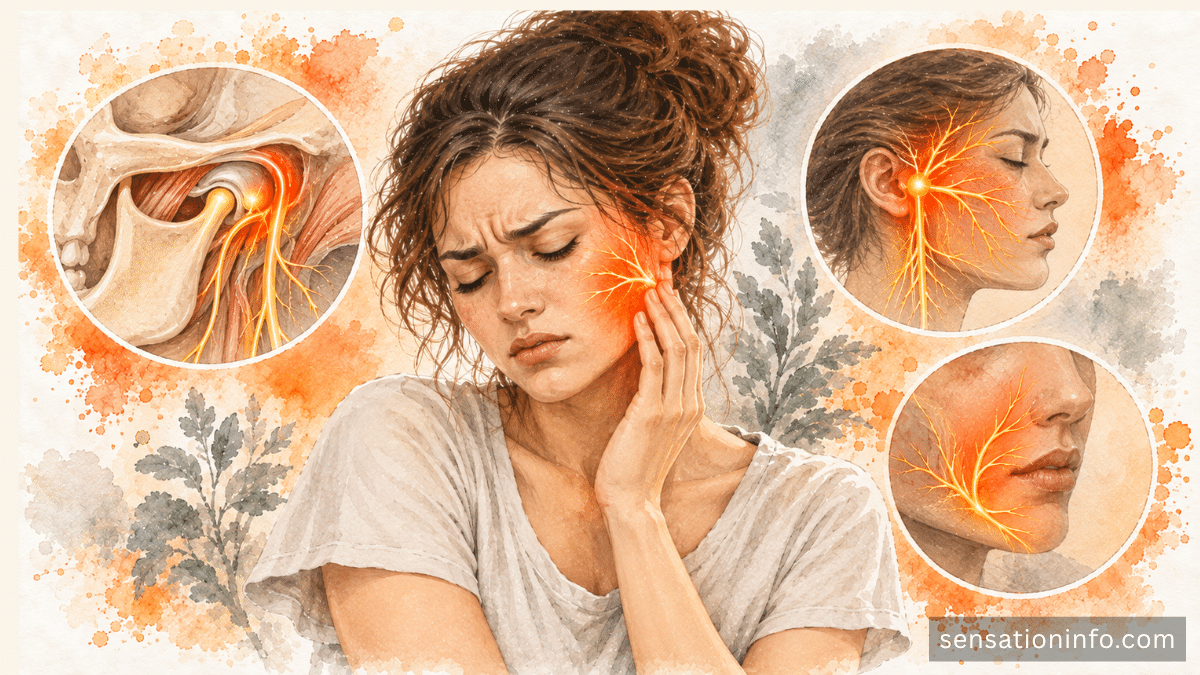
Our journey begins at the top of the body, with the head. Have you ever experienced a headache or a sensation of pressure in your temples? This could be a sign of tension, stress, or even a migraine. Moving down to the face, sensations like tingling or numbness in the cheeks or lips could indicate a problem with the nerves or blood vessels. For instance, a patient may experience numbness in their face due to a condition like multiple sclerosis or a sinus infection.
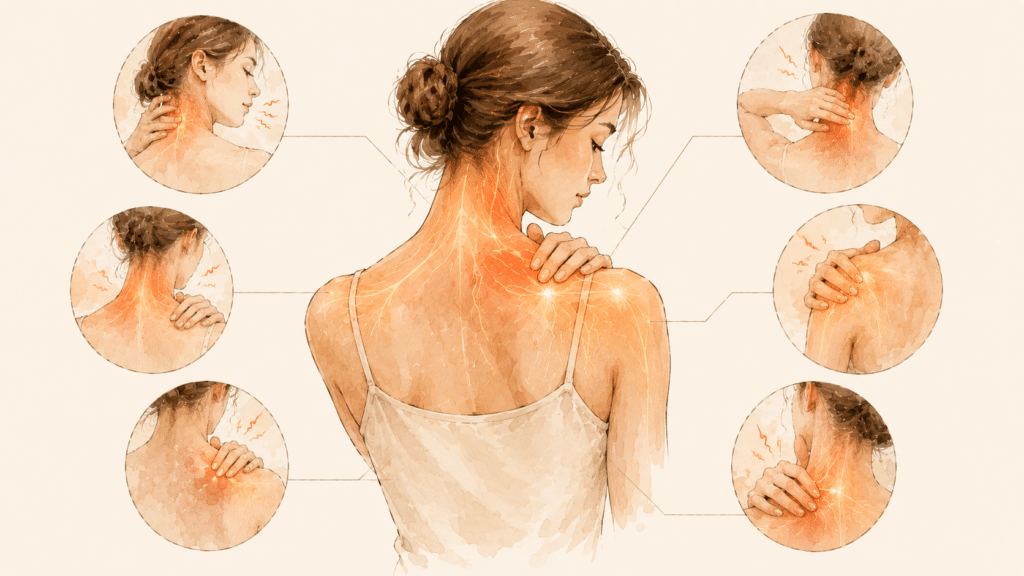
Next, let’s move to the neck and shoulders. Tightness or stiffness in this area could be a sign of poor posture, muscle strain, or even a herniated disk. I’ve seen many patients who have experienced chronic pain in their neck and shoulders, only to discover that it was caused by a simple issue like a poor sleeping position. Further down, the chest and lungs can experience sensations like burning or discomfort, which could indicate heartburn, asthma, or even a heart attack. It’s essential to listen to your body and seek medical attention if you experience any unusual sensations in this area.
The abdomen is another area where sensations can be particularly telling. Bloating, cramps, or discomfort could signal digestive issues, food intolerance, or even a more serious condition like appendicitis. I recall a patient who experienced severe abdominal pain, which turned out to be caused by a ruptured appendix. Thankfully, we were able to intervene in time, and the patient made a full recovery. The lower back is also an area where sensations can be significant, with pain or stiffness possibly indicating a problem with the spine, kidneys, or even a herniated disk.
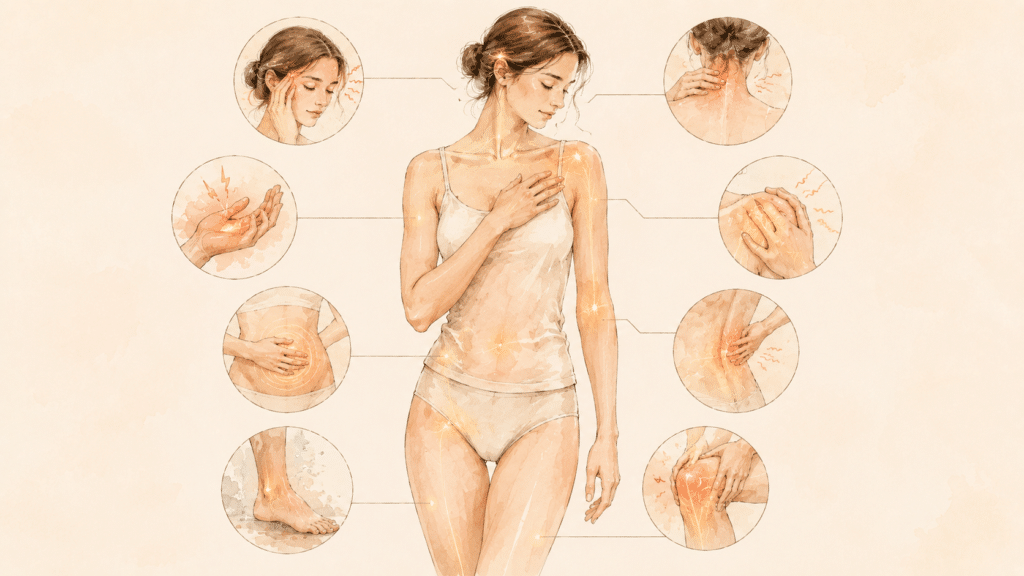
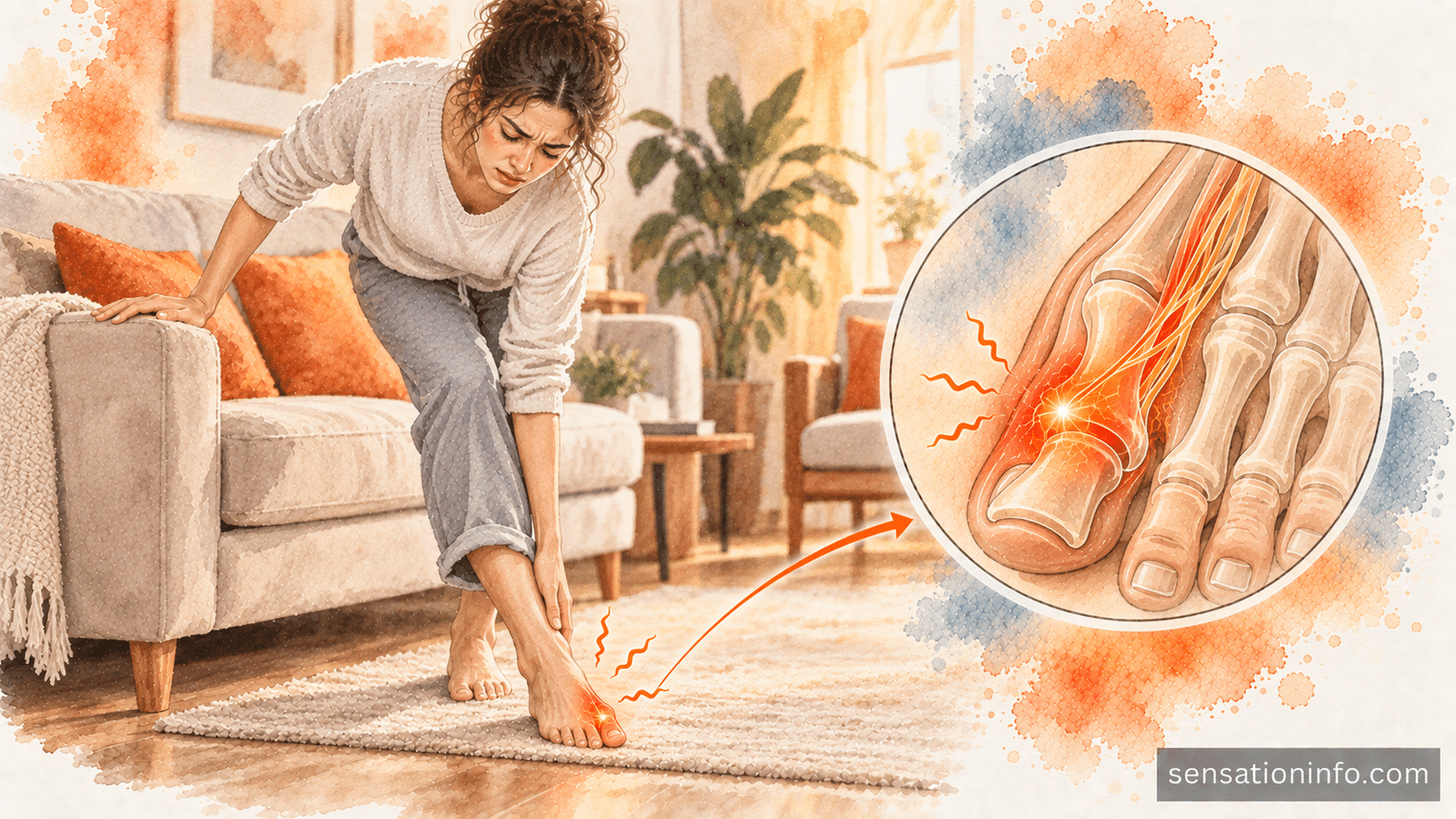
As we move down to the arms and hands, sensations like tingling, numbness, or weakness could be a sign of nerve damage, carpal tunnel syndrome, or even a stroke. I’ve seen patients who have experienced numbness in their hands, only to discover that it was caused by a simple issue like a vitamin deficiency. The legs and feet are also areas where sensations can be critical, with pain, numbness, or tingling possibly indicating poor circulation, nerve damage, or even a serious condition like deep vein thrombosis.
Each Body Part with Common Sensations
Let’s take a closer look at each body part and the common sensations that can occur. In the head, sensations like headaches, dizziness, or lightheadedness can be caused by a variety of factors, including tension, stress, or even a migraine. In the face, sensations like tingling, numbness, or burning can be caused by nerve damage, sinus infections, or even a condition like multiple sclerosis.
In the neck and shoulders, sensations like tightness, stiffness, or pain can be caused by poor posture, muscle strain, or even a herniated disk. The chest and lungs can experience sensations like burning, discomfort, or shortness of breath, which can be caused by heartburn, asthma, or even a heart attack. The abdomen is another area where sensations can be particularly telling, with bloating, cramps, or discomfort possibly indicating digestive issues, food intolerance, or even a more serious condition like appendicitis.
The lower back is also an area where sensations can be significant, with pain or stiffness possibly indicating a problem with the spine, kidneys, or even a herniated disk. In the arms and hands, sensations like tingling, numbness, or weakness can be caused by nerve damage, carpal tunnel syndrome, or even a stroke. The legs and feet are also areas where sensations can be critical, with pain, numbness, or tingling possibly indicating poor circulation, nerve damage, or even a serious condition like deep vein thrombosis.
Quick Cause Reference Guide
Here’s a quick reference guide to help you understand the possible causes of common sensations:
- Headaches: tension, stress, migraine, sinus infection
- Tingling or numbness in the face: nerve damage, sinus infection, multiple sclerosis
- Tightness or stiffness in the neck and shoulders: poor posture, muscle strain, herniated disk
- Burning or discomfort in the chest: heartburn, asthma, heart attack
- Bloating or cramps in the abdomen: digestive issues, food intolerance, appendicitis
- Pain or stiffness in the lower back: spine problems, kidney issues, herniated disk
- Tingling or numbness in the arms and hands: nerve damage, carpal tunnel syndrome, stroke
- Pain or numbness in the legs and feet: poor circulation, nerve damage, deep vein thrombosis
When to Worry Summary
So, when should you worry about the sensations you’re experiencing? If you’re experiencing any of the following, it’s essential to seek medical attention:
- Severe or persistent pain
- Numbness or tingling that lasts for more than a few days
- Weakness or paralysis in any part of the body
- Difficulty breathing or shortness of breath
- Confusion, dizziness, or loss of consciousness
- Fever or chills
- Recent trauma or injury
Frequently Asked Questions
A tingling sensation in your fingers can be caused by a variety of factors, including nerve damage, carpal tunnel syndrome, or even a vitamin deficiency. If the sensation persists or worsens, it’s essential to seek medical attention to rule out any underlying conditions.
Yes, stress can cause a range of physical sensations, including headaches, muscle tension, and digestive issues. It’s essential to manage stress through techniques like meditation, exercise, and deep breathing to reduce its impact on the body.
Numbness is a loss of sensation in a specific area, while tingling is a pins-and-needles sensation that can be uncomfortable or painful. Both numbness and tingling can be caused by nerve damage, but they have different characteristics and may require different treatments.
Some body sensations, like minor aches and pains, can be treated at home with rest, ice, and over-the-counter medication. However, if you’re experiencing severe or persistent sensations, it’s essential to seek medical attention to rule out any underlying conditions.
Preventing body sensations often requires a combination of lifestyle changes, including a healthy diet, regular exercise, stress management, and good sleep hygiene. Additionally, avoiding certain substances like tobacco and excessive alcohol can help reduce the risk of developing certain conditions.
Final Thoughts
As we conclude our journey through the body sensation map, I hope you’ve gained a deeper understanding of the stories your body tells you. Remember, your body is a unique and complex system, and it’s essential to listen to its signals and respond accordingly. By being attuned to your body’s sensations, you can take proactive steps to maintain your health and wellbeing.
If you’re experiencing any unusual or persistent sensations, don’t hesitate to seek medical attention. As a medical professional, I’ve seen firsthand the importance of early intervention and treatment. By working together, we can uncover the underlying causes of your sensations and develop a plan to address them. So, take the first step today and start listening to your body – it’s telling you something important.
Article written by Dr Peeyush Kumawat at Sensationinfo.com