
Introduction to Knee Pain
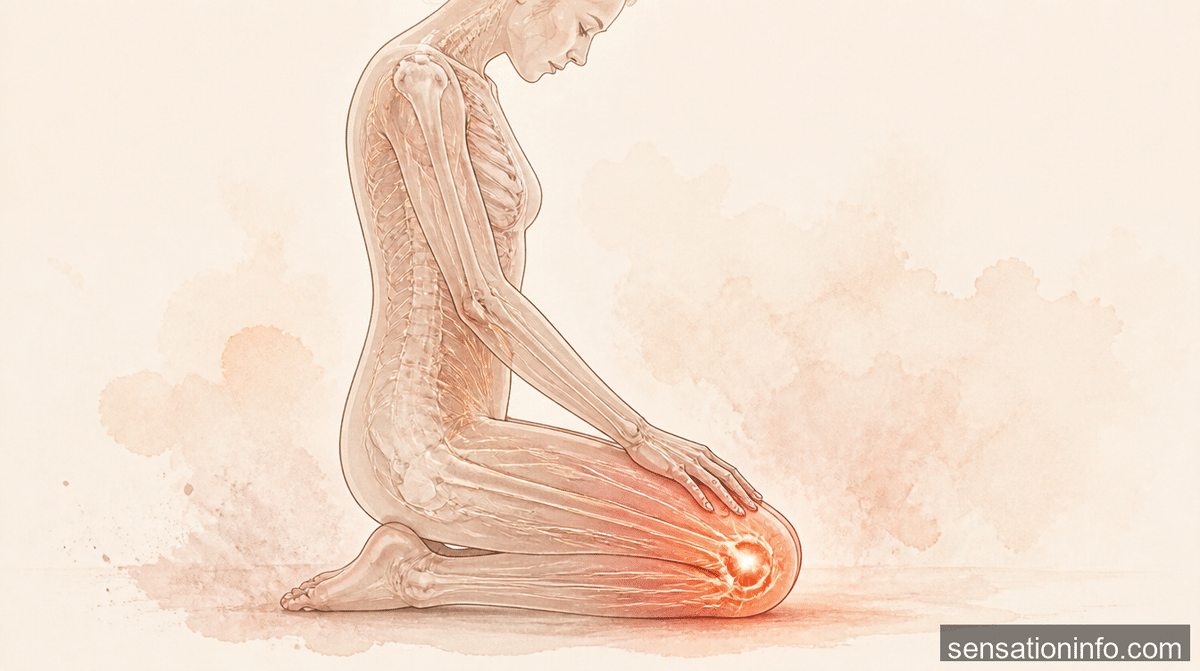
As a medical professional, I’ve seen numerous patients complaining of a burning tearing sensation in their knee when kneeling. This symptom can be quite debilitating, affecting not only daily activities but also overall quality of life. I must say, I’ve been there too – experiencing pain in my own knees after a long day of surgeries. It’s frustrating, to say the least. However, understanding the cause of this condition is the first step towards finding relief. In this article, I’ll guide you through the possible reasons behind this burning tearing sensation and provide you with actionable tips to alleviate your discomfort.
Context of the Condition
Knee pain is a common complaint, and it can arise from various factors. When it comes to a burning tearing sensation, especially when kneeling, we’re likely looking at an issue related to the knee joint or the surrounding tissues. I recall a particularly intriguing case where a patient, an avid gardener, experienced severe pain in her knees after spending hours on her hands and knees. It turned out that her condition was related to a combination of poor knee alignment and overuse. This example illustrates the importance of considering both the anatomy of the knee and the activities that may exacerbate the condition.
What’s Covered
In the following sections, we’ll delve into the anatomy of the knee, explore potential causes of the burning tearing sensation, discuss diagnostic approaches, and most importantly, outline treatment options and preventive measures. My goal is to provide you with a comprehensive understanding of your condition, empowering you to take control of your health. Whether you’re experiencing occasional discomfort or persistent pain, this article aims to offer valuable insights and practical advice.
Anatomy of the Knee
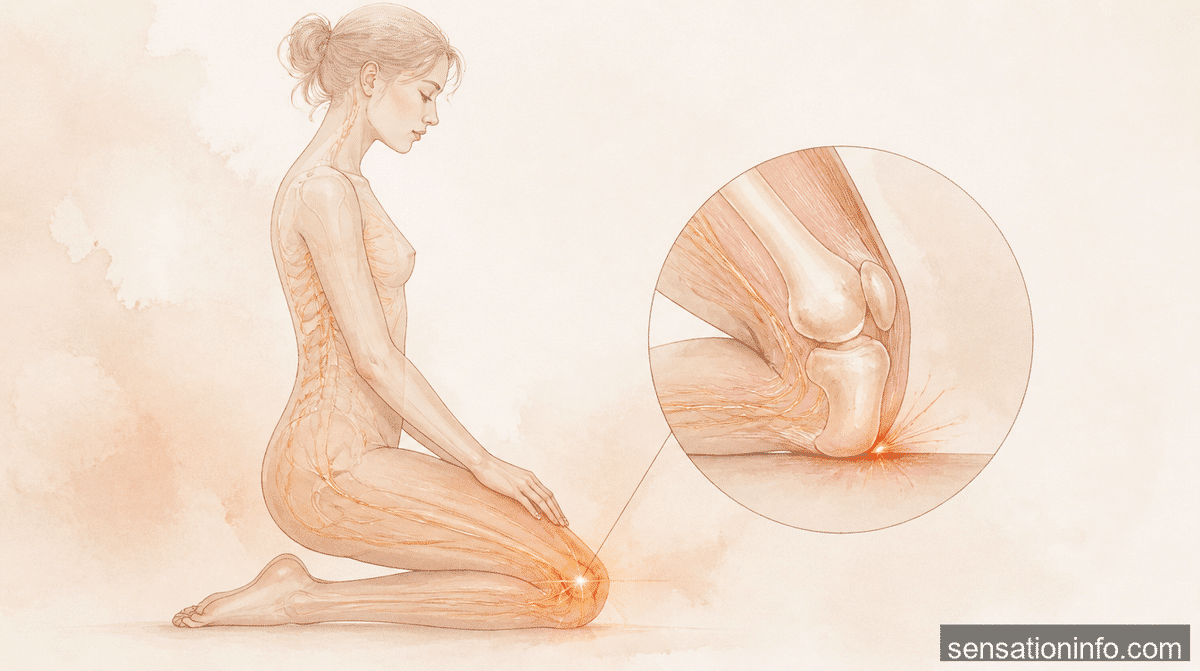
The knee joint is a complex structure composed of bones, cartilage, ligaments, and tendons. The ends of the bones are covered with a layer of cartilage, which absorbs shock and allows for smooth movement. Ligaments connect the bones to each other, while tendons attach muscles to bones, facilitating movement. When any of these components become inflamed or damaged, it can lead to pain and discomfort. Understanding the anatomy is crucial because it helps in identifying the potential source of the problem. For instance, conditions like osteoarthritis, which affect the cartilage, can cause a burning sensation due to the decreased cushioning between the bones.
Potential Causes
There are several potential causes of a burning tearing sensation in the knee when kneeling. These include:
- Osteoarthritis (OA): A degenerative joint disease characterized by the breakdown of cartilage, leading to bone-on-bone contact and pain.
- Patellofemoral Pain Syndrome (PFPS): Also known as “runner’s knee,” this condition involves pain in the front of the knee, usually around or behind the patella (kneecap).
- Tendinitis: Inflammation of the tendons, which can occur from overuse or direct trauma to the tendon.
- Ligament Sprains: Stretching or tearing of the ligaments, which can cause pain and instability.
- Meniscal Tears: Damage to the cartilage menisci, which can cause a burning sensation, especially when twisting or kneeling.
- Sub-point a: Acute injuries can lead to meniscal tears.
- Sub-point b: Degenerative changes can also cause meniscal damage over time.
Diagnostic Approaches
Diagnosing the cause of knee pain involves a combination of physical examination, medical history, and sometimes, imaging studies. As a doctor, I always start by asking questions about the onset of pain, its location, severity, and any factors that alleviate or exacerbate it. A thorough physical exam can reveal swelling, redness, warmth, or tenderness around the knee. Imaging tests like X-rays or MRIs might be necessary to visualize the internal structures of the knee and confirm the diagnosis.
Treatment and Management
Treatment of a burning tearing sensation in the knee when kneeling depends on the underlying cause. For conditions like osteoarthritis, management strategies include:
- Weight Management: Maintaining a healthy weight to reduce pressure on the knee joint.
- Physical Therapy: Strengthening the muscles around the knee to provide better support.
- Pain Management: Using medications or injections to control pain and inflammation.
- Assistive Devices: Utilizing canes, walkers, or knee braces to reduce stress on the knee.
- Surgery: In some cases, surgical intervention might be necessary to repair or replace damaged structures.
Preventive Measures
Prevention is always better than cure. To reduce the risk of developing knee problems or to prevent worsening of existing conditions:
- Stay active through low-impact exercises like cycling or swimming.
- Incorporate strengthening exercises for the leg muscles.
- Maintain good posture and avoid kneeling for prolonged periods.
- Wear proper footwear and consider orthotics if necessary.
- Engage in regular stretching exercises to improve flexibility.
Frequently Asked Questions
The first signs can include pain, especially when kneeling or climbing stairs, swelling around the knee, or a feeling of instability in the knee. It’s essential to address these symptoms early to prevent further damage.
Yes, many cases of knee pain can be managed without surgery through a combination of physical therapy, pain management, and lifestyle adjustments. However, the effectiveness of non-surgical treatments depends on the underlying cause and severity of the condition.
Recovery time from knee surgery varies depending on the type of surgery and the individual’s overall health. Generally, it can take several weeks to several months to fully recover from knee surgery, with physical therapy playing a crucial role in the rehabilitation process.
Exercises that strengthen the quadriceps and hamstring muscles are beneficial for knee health. Examples include squats, lunges, leg presses, and leg extensions. It’s essential to start slowly and progress gradually to avoid overexertion.
Yes, applying ice or heat to the knee, using turmeric or ginger for their anti-inflammatory properties, and engaging in gentle stretches can provide temporary relief from knee pain. However, it’s crucial to consult with a healthcare professional for a proper diagnosis and treatment plan.
Final Thoughts
A burning tearing sensation in the knee when kneeling can significantly impact daily life, but with the right understanding and approach, it’s possible to find relief. By recognizing the potential causes, undergoing appropriate diagnosis, and following a tailored treatment plan, individuals can manage their symptoms and improve their quality of life. As a doctor, my advice is to stay proactive about your health, maintain a healthy lifestyle, and seek medical attention if you’re experiencing persistent or severe knee pain. Remember, every step towards understanding and managing your condition brings you closer to a healthier, happier you.
Conclusion and Next Steps
In conclusion, addressing a burning tearing sensation in the knee when kneeling requires a comprehensive approach that considers the anatomy of the knee, potential causes, diagnostic methods, and treatment options. By taking proactive steps towards maintaining knee health and seeking professional advice when needed, individuals can mitigate the impact of knee pain on their daily lives. If you’re experiencing knee pain, I encourage you to consult with a healthcare professional to develop a personalized plan for managing your symptoms and preventing future issues.